
Flooring that stands up to spills, pets, kids, and heavy foot traffic without sacrificing style is within your reach. You’ll discover how waterproof vinyl flooring combines resilience with realistic designs, making it a smart choice for any space in your home. Learn what sets it apart and why it might be the best upgrade you make.
Exploring the Different Types of Waterproof Vinyl
Waterproof vinyl comes in multiple forms, each suited to different needs and spaces. Any can work beautifully in your home when matched to the right environment.
| Luxury Vinyl Plank (LVP) | Wood-look planks with realistic grain and texture |
| Luxury Vinyl Tile (LVT) | Tile-look formats mimicking stone, ceramic, or concrete |
| WPC (Wood-Plastic Composite) | Core with wood fiber and plastic; softer underfoot |
| SPC (Stone-Plastic Composite) | Denser core with limestone; highly rigid and stable |
| Click vs. Peel-and-Stick | Installation methods affecting ease and permanence |
Luxury Vinyl Plank (LVP) and Tile (LVT)
You’ll find LVP excels in spaces where warmth and wood aesthetics matter, like living rooms or bedrooms. LVT gives you the look of tile without the grout or cold surface, perfect for kitchens and bathrooms. Both resist water and wear well over time.
WPC vs. SPC Rigid Core Construction
You can choose WPC for a softer feel underfoot and better sound absorption, ideal for upstairs rooms or apartments. SPC offers greater durability and dimensional stability, especially on uneven subfloors. Any fits into a waterproof system, but comfort and structure guide your pick.
WPC uses a foamed vinyl and wood-plastic blend that creates a cushioned core, making it quieter and warmer to walk on. SPC relies on a dense mix of limestone powder, PVC, and stabilizers, resulting in a harder, more impact-resistant surface. Your choice depends on subfloor type, noise concerns, and whether you prioritize comfort or maximum durability.
The Essential Pros and Cons of Vinyl Flooring
Choosing vinyl means weighing real benefits against practical drawbacks. This table breaks down what matters most so you can decide if it fits your home and lifestyle.
| Pros | Cons |
| Highly water-resistant | Can be punctured by sharp objects |
| Durable in high-traffic areas | May fade with prolonged sun exposure |
| Easy to clean and maintain | Not biodegradable |
| Available in wide range of styles | Limited repair options for deep scratches |
| Comfortable underfoot | Some types emit VOCs during installation |
| Cost-effective compared to hardwood | Can dent under heavy furniture without padding |
| Quick and simple installation | Lower resale value perception than natural materials |
| Resists stains and spills | Adhesive may fail if subfloor is uneven |
| Great for DIY projects | Not suitable for all outdoor applications |
| Sound-dampening qualities | Removal can be messy with glued-down types |
Advantages of Superior Water Resistance
You’ll appreciate how vinyl handles moisture without swelling or warping. Spills, pet accidents, or humidity in bathrooms won’t compromise its structure, making it ideal for areas where other floors would fail.
Understanding Longevity and Environmental Impact
Your choice affects both lifespan and the planet. While vinyl lasts decades, its PVC base raises environmental concerns during production and disposal.
Most vinyl flooring is made from polyvinyl chloride, a material that resists decomposition in landfills. Though it reduces replacement frequency, recycling options remain limited. Some manufacturers now offer greener formulations with recycled content or lower-emission production, giving you more sustainable choices without sacrificing performance.
Key Factors for Selecting the Right Product
Choosing the best waterproof vinyl flooring means evaluating several performance and design elements.
- Wear layer thickness
- Core board stability
- Installation method
- Texture and finish
- Color and pattern variation
Recognizing your household’s daily demands helps match the right product to each space.
Wear Layer Grade and Durability
A thicker wear layer protects against scratches and heavy foot traffic. Residential spaces typically need 12-20 mil, while high-traffic areas benefit from 20 mil or more. This clear top layer preserves the design underneath and extends the floor’s life. Your choice here directly impacts long-term appearance and maintenance needs.
Aesthetic Styles and Texture Finishes
You can find vinyl that mimics natural hardwood, stone, or tile with impressive realism. Embossed textures enhance the look, adding depth and grip underfoot. Finishes range from matte to slightly glossy, letting you match the ambiance of any room. Style doesn’t have to sacrifice practicality.
Modern printing and embossing technologies allow vinyl flooring to replicate the grain of oak, the veining of marble, or the grout lines of ceramic tile with striking accuracy. Textured finishes not only improve visual authenticity but also help conceal scuffs and footprints. Whether you prefer a smooth surface or a deeply embossed wood grain, there’s a finish that aligns with both your taste and lifestyle.
Step-by-Step Installation Process
| Time Required | 1-2 days (depending on room size) |
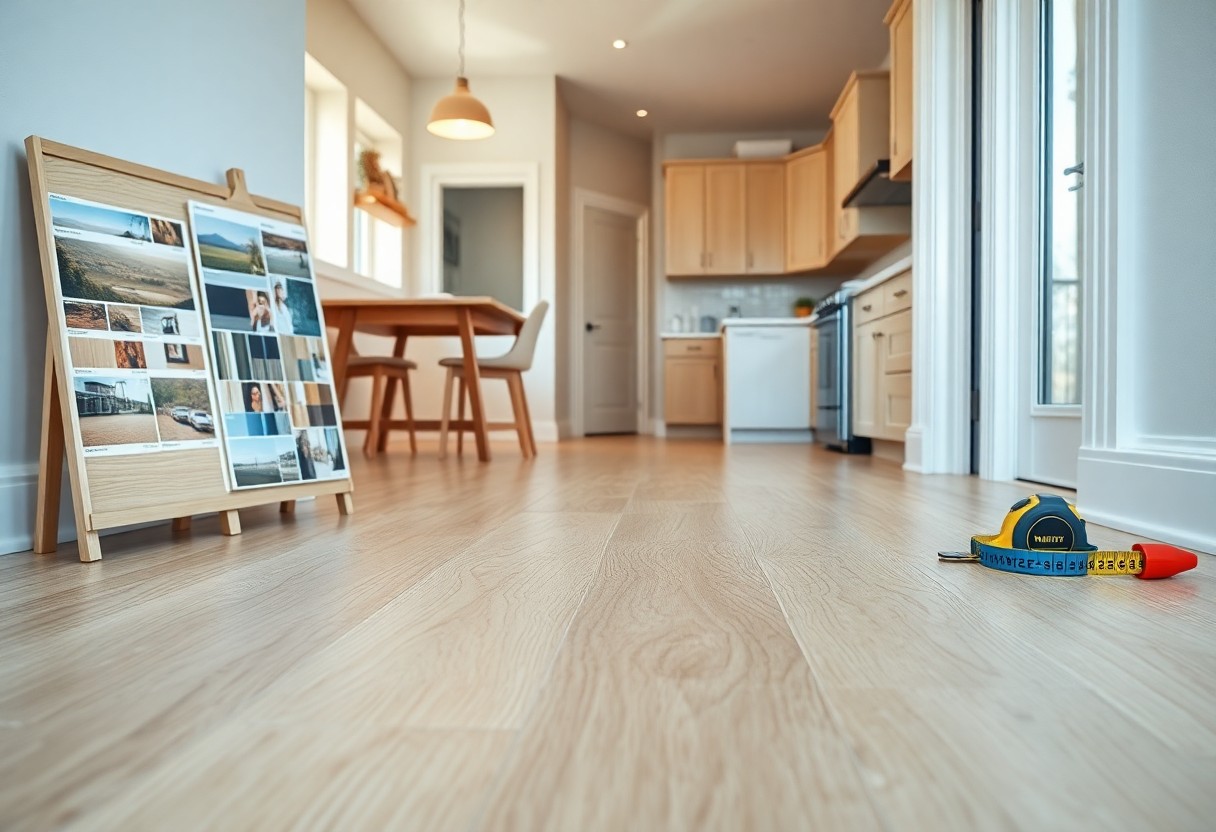
| Tools Needed | Measuring tape, utility knife, pull bar, tapping block, rubber mallet |
| Difficulty Level | Beginner to intermediate |
| Best For | Dry and moisture-prone areas (bathrooms, kitchens, basements) |
Subfloor Preparation and Acclimation
You must ensure your subfloor is clean, dry, and level before installation. Sweep thoroughly and repair any cracks or uneven spots. Allow planks to acclimate in the room for at least 48 hours to prevent expansion or gapping after fitting.
Laying the Planks and Finishing Edges
Start along the longest wall, leaving a 1/4-inch expansion gap. Connect planks using the locking system-no glue required. Use a pull bar and tapping block for tight seams. Trim edges to fit with a utility knife or saw.
Position each plank at a 30-degree angle and snap it into place. Work row by row, staggering end joints by at least 6 inches for stability. At doorways, use reducer strips for smooth transitions. Finish edges with baseboard or quarter-round molding to conceal gaps and create a clean, professional look.
Maintenance Tips for Lasting Beauty
- Sweep regularly to remove dirt and grit
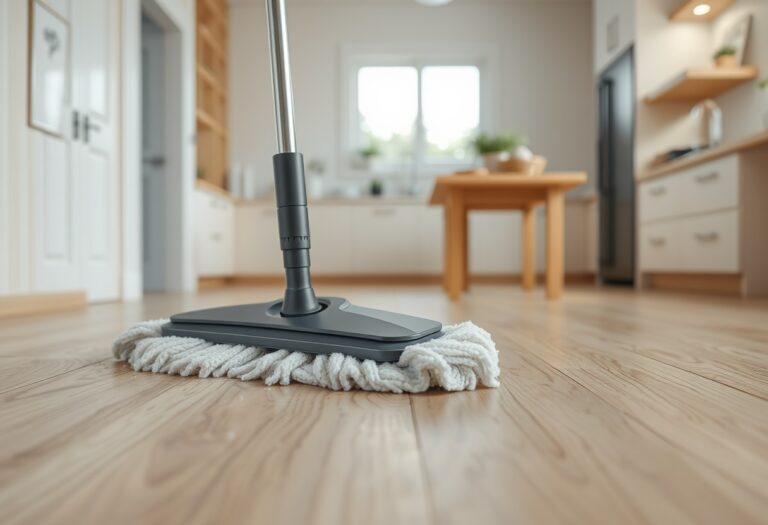
- Use a damp mop with a manufacturer-approved cleaner
- Avoid harsh chemicals or abrasive tools
- Blot spills immediately to prevent staining
Knowing how to care for your waterproof vinyl flooring ensures it stays vibrant and scratch-free for years.
Daily Care and Recommended Cleaners
Cleaning your floor daily keeps it looking fresh and free of buildup. Use a soft broom or microfiber mop to clear debris. Stick to pH-neutral, non-abrasive cleaners specifically made for vinyl. Harsh detergents can dull the finish over time.
Preventive Measures Against Surface Damage
Protecting your floor starts with simple habits. Use felt pads under furniture legs and avoid dragging heavy items. Place mats at entryways to reduce tracked-in grit. These small steps prevent scratches and maintain surface integrity.
Furniture can cause dents and gouges, especially when moved frequently. Lift chairs and tables instead of sliding them. Area rugs in high-traffic zones add an extra layer of protection while enhancing room style. Sharp heels or pet claws may also compromise the wear layer, so trim nails and avoid wearing spiked footwear indoors.
Room-Specific Selection Strategies
Choosing the right waterproof vinyl flooring means matching material properties to each room’s demands. You’ll want to consider moisture levels, foot traffic, and potential for spills when making your selection. The right choice enhances both function and style where it matters most.
Best Options for Kitchens and Bathrooms
You face constant exposure to water and spills in kitchens and bathrooms, so opt for tightly sealed, rigid core vinyl with an attached underlayment. This type resists warping and offers comfort underfoot while standing for long periods. A textured finish also adds slip resistance for safety.
Durable Solutions for Basements and Laundry Rooms
Your basement and laundry room deal with humidity and heavy appliance loads. Select SPC (stone polymer composite) vinyl for maximum stability and moisture resistance. Its dense core handles temperature shifts and prevents swelling, making it ideal for below-grade installations.
SPC vinyl stands up to the unique challenges these spaces present. You’ll benefit from its exceptional dimensional stability, meaning it won’t expand or contract with humidity changes common in basements. In laundry rooms, the flooring endures frequent water contact from hoses and appliances while maintaining its appearance under heavy washer and dryer movement. A commercial-grade wear layer adds long-term protection without sacrificing style.

Summing up
You now have all the information needed to choose and install waterproof vinyl flooring with confidence. Its durability, style, and ease of maintenance make it a smart choice for any room. You can trust this flooring to stand up to moisture, foot traffic, and daily life while keeping your space looking fresh and modern.