
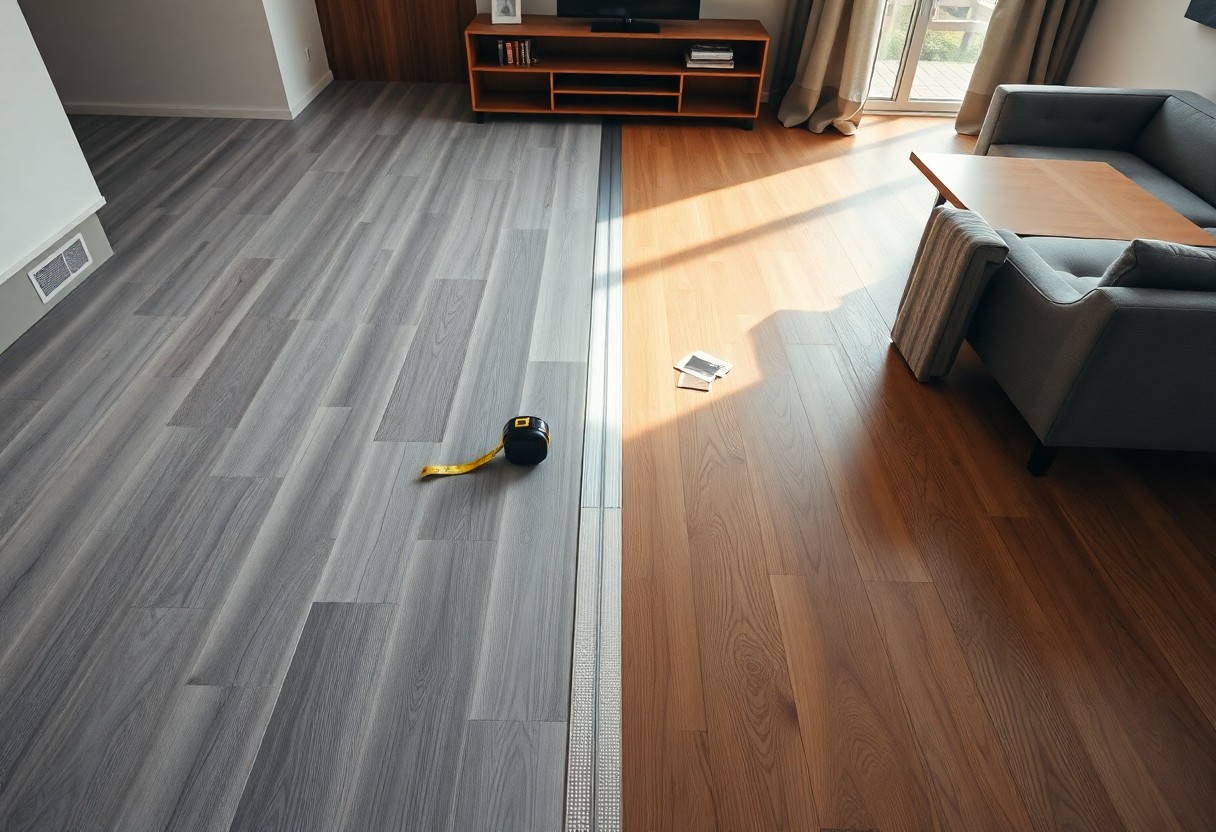
Hardwood floors bring timeless beauty and natural texture to your home, often increasing property value over time. You may prefer laminate for its affordability and resistance to scratches and moisture. Each option suits different lifestyles and budgets, so your choice depends on long-term goals, room usage, and aesthetic preferences.
The True Timber
Real wood connects your home to nature in a way few materials can. Each plank carries its own grain pattern, color variation, and history, shaped by decades of growth. You’re not just installing flooring-you’re laying down a piece of living history that ages with character and authenticity.
Roots of the Earth
Wood comes from trees that take years to mature, making each species a reflection of its environment. You’re choosing more than a floor-you’re selecting a material shaped by soil, climate, and time, bringing organic warmth into your daily life.
The Cost of Reality
Hardwood demands a higher upfront investment, both in materials and installation. You’ll pay more not just for the planks, but for skilled labor and subfloor preparation. This cost reflects the material’s longevity and natural origin.
While hardwood is expensive initially, it can last generations with proper care. You may refinish it multiple times, adapting to changing styles without replacement. Over decades, this durability can offset the initial price, making it a long-term value play, not just an expense.
The Pressed Imitation
Laminate flooring offers a cost-effective alternative to natural wood, built for durability and ease of maintenance. You’ll find it resists scratches and fading well, making it ideal for busy homes. While it mimics the look of hardwood, it lacks the organic depth and texture of real timber.
Layers of the Machine
Each plank consists of multiple synthetic layers fused under high pressure. You get a wear layer on top, a decorative print in the middle, and a moisture-resistant core beneath. This construction gives laminate its resilience and uniform appearance across installations.
The Printed Grain
A high-resolution image of wood grain defines the surface you see. You’re not looking at real wood, but a carefully designed print meant to replicate natural variation. Lighting and viewing angle can reveal its manufactured origins.
Modern printing technology allows manufacturers to mimic the knots, swirls, and color shifts found in real hardwood. You might be surprised by how realistic some planks appear up close. Still, the texture remains smooth and uniform, lacking the true grain depth that changes under your fingertips as you run your hand across solid wood.
The Strength of the Surface
Every footstep tests your floor’s resilience, and hardwood stands up well over time. While solid wood can be sanded and refinished, laminate counters wear with a tough top layer that resists scratches better in busy homes. Your lifestyle determines which surface strength matters most.
Scars of the Dog
Pets bring joy but also claws that scratch. Laminate handles pet traffic better due to its scratch-resistant wear layer, while hardwood may show marks faster-especially lighter finishes. If you have active dogs, laminate might save you from early refinishing.
The Threat of Water
Spills happen, and laminate often loses that battle. Most versions swell when wet, especially at the seams. Hardwood isn’t immune, but with proper sealing, it can handle moisture better over time-especially in controlled environments.
Water damage isn’t just about spills-it’s about humidity, leaks, and room choice. Installing laminate in bathrooms or basements risks warping, even with “water-resistant” claims. Solid hardwood also struggles in damp areas, but engineered hardwood offers a smarter compromise, combining real wood with moisture-tolerant layers. Your home’s climate and layout should guide your pick.
The Labor of the Hand
Choosing between laminate and hardwood often comes down to how much care you’re willing to invest over time. Hardwood demands attention, especially when wear becomes visible, but offers renewal few flooring types can match. Laminate, while easier initially, doesn’t age the same way and can’t be restored once damaged.
Sanding the Years
Sanding revives tired hardwood floors, removing scratches and stains to reveal a fresh surface beneath. You can refinish solid hardwood multiple times, extending its life for decades. This ability to renew makes it a long-term ally in high-traffic areas of your home.
Simple Cleaning
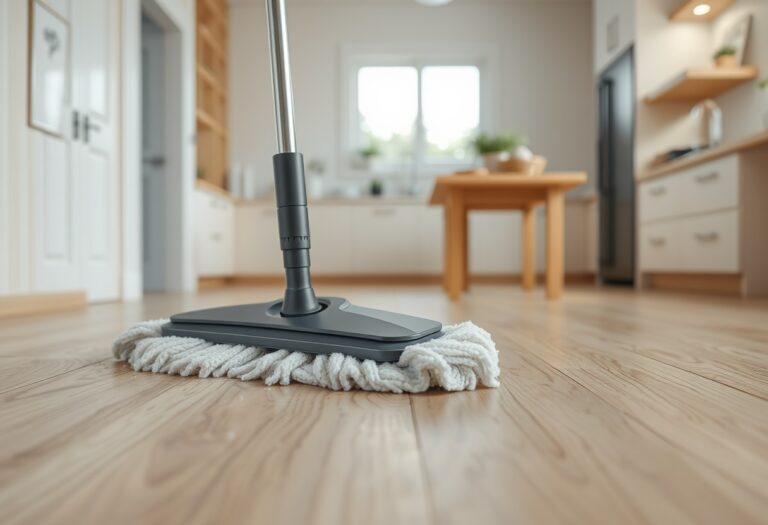
Keeping laminate clean requires little more than a damp mop and mild cleaner. Spills wipe away easily, and daily maintenance is quick. This low-barrier upkeep makes it ideal for busy households where time is limited.
Laminate resists stains and moisture better than unfinished wood, so you won’t need to worry about immediate damage from pet accidents or dropped drinks. Avoid soaking the floor, but feel confident tackling messes as they happen. Its surface is designed for real-life living, not just appearances.
The Gold in the Floor
Hardwood flooring often pays for itself over time through increased home value. Buyers consistently favor real wood, making it a smart long-term investment. While laminate offers surface appeal, it doesn’t carry the same lasting equity. Choosing hardwood can boost resale potential and set your home apart in competitive markets.
Value for the Future
Hardwood floors age gracefully, often lasting generations with refinishing. Their timeless appeal holds strong in real estate listings, adding measurable value when you sell. Unlike laminate, which may need replacing, solid wood improves with care and can adapt to changing styles through sanding and staining.
Savings for Today
Laminate offers immediate budget relief with lower upfront costs. You get the look of wood without the price tag, making it ideal for renters or short-term homeowners. Installation is faster and often DIY-friendly, cutting labor expenses significantly compared to hardwood’s more involved process.
Choosing laminate means accessing stylish, durable flooring without draining your savings. It’s engineered to resist scratches and moisture, especially in high-traffic areas like kitchens and hallways. With prices typically 30-50% lower than hardwood, you maintain design integrity while keeping more cash for other renovations or emergencies.
Final Words
Summing up, your lifestyle and budget guide the choice between laminate and hardwood flooring. You value durability and cost with laminate, but you gain long-term value and authenticity with hardwood. Each option suits different needs, so you decide based on how you live, maintain, and enjoy your home’s look and feel.