

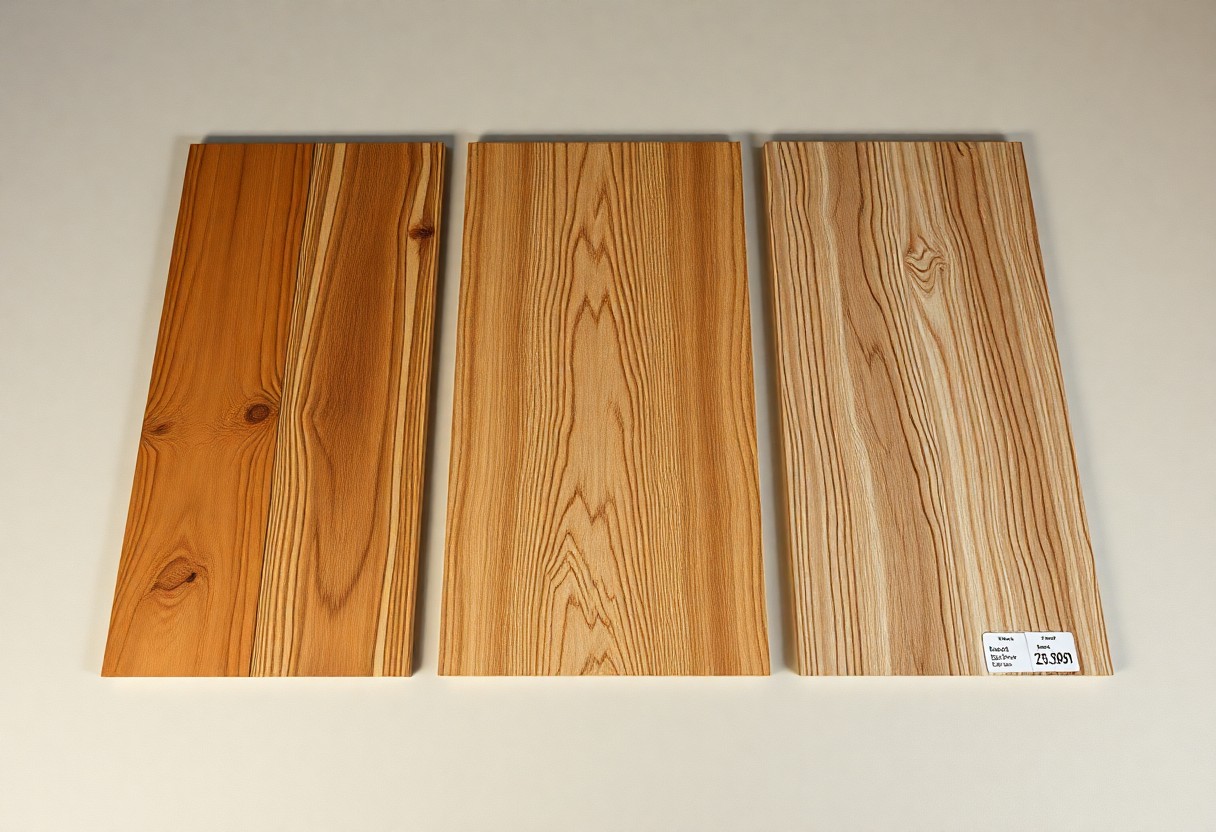
Engineered to meet the demands of modern living, flooring options today go far beyond simple aesthetics. You face real differences in durability, cost, installation, and long-term value. Choosing between custom hardwood, engineered wood, and laminate means weighing how each performs underfoot, how it ages, and how it fits your home’s environment and your budget.
The Solid Reality of Custom Hardwood
Custom hardwood flooring offers a level of authenticity and permanence unmatched by alternatives. Each plank is milled from solid timber, often sourced to match your aesthetic and structural needs. You’re not just installing a floor-you’re laying down a material that can be sanded and refinished multiple times, adapting to decades of use and evolving style.
Strength of the Grain
Real wood’s structural integrity comes from its continuous grain, running uninterrupted from one end of the plank to the other. This natural formation resists compression and supports weight evenly, making it especially suitable for high-traffic areas. Unlike layered materials, solid hardwood won’t delaminate or de-bond under stress or moisture fluctuations.
The Price of the Forest
You pay not just for material but for rarity, labor, and time. Exotic species like Brazilian cherry or old-growth white oak command higher prices due to limited availability and slow regrowth. Installation often requires skilled craftsmen, specialized tools, and acclimation periods, all factored into the final cost.
Choosing a dense, slow-growing species means a longer payback period in terms of sustainability and replacement cycles. A mid-sized SaaS firm renovating its office space might opt for custom walnut not only for its prestige but for its projected lifespan exceeding fifty years with proper maintenance, reducing long-term lifecycle costs despite the initial outlay.
Engineered Wood and the Compromise
Engineered wood balances authenticity and practicality, offering a real wood surface at a lower price point. You accept some trade-offs in longevity and refinishing potential for greater stability across varying humidity levels, making it suitable for basements or bathrooms where solid hardwood might warp.
Layers Against the Wet
A moisture-resistant core layer protects against humidity better than solid wood, allowing installation in areas with minor dampness. You can place engineered planks over concrete subfloors where condensation occurs, though prolonged standing water still risks delamination at the edges.
The Thin Veneer of Truth
The top layer is real hardwood, but its thinness limits how often you can sand and refinish. You may achieve only one or two refinishes before exposing the underlying ply, unlike solid wood which tolerates multiple restorations over decades.
Real wood veneers vary in thickness from 0.5mm to 6mm, and your choice here directly affects lifespan. A mid-sized SaaS firm’s downtown office renovation chose 4mm veneer over 1mm, anticipating higher foot traffic and planning for one professional sanding after ten years without compromising integrity.
Laminate and the Hard Surface
Laminate flooring offers a durable, cost-effective alternative that mimics the appearance of natural wood without the associated upkeep. Designed for high-traffic areas, it consists of a photographic layer sealed beneath a clear, wear-resistant top sheet. You’ll find it in apartments, rental units, and homes where budget and practicality take priority over material authenticity.
Resistance to the World
Spills, scratches, and fading are minimal concerns with laminate. Its surface resists water better than hardwood for short durations and shrugs off pet claws and rolling office chairs. You can clean it with a damp mop and avoid refinishing entirely, making it a fit for busy households and DIY installations over concrete subfloors.
The Limits of the Image
Close inspection reveals repeating wood grain patterns across planks, a telltale sign of its printed layer. You may notice beveled edges that look artificial or a surface texture that doesn’t fully replicate the depth of real timber. These details become apparent in large, uniformly lit rooms where visual consistency undermines realism.
Photographic technology has improved, yet laminate cannot replicate the natural variation in grain, knots, and color found in wood species. A mid-sized SaaS firm renovating its open-concept office chose laminate for cost and durability but received feedback that the flooring looked “too perfect” and sterile compared to the warmth of hardwood in adjacent meeting rooms.
The Choice of the Householder
Every flooring decision reflects a balance between personal taste, household demands, and long-term planning. Your lifestyle, from pet activity to foot traffic patterns, directly influences which material aligns best with your home’s rhythm and aesthetic goals.
Value Over the Years
Appreciation in home value often leans toward natural materials, with custom hardwood historically preferred by buyers in high-end markets. A mid-sized SaaS firm relocating its executive team might prioritize solid wood in a rental property to justify higher lease terms and attract long-term tenants.
Ease of the Work
Installation speed and subfloor requirements vary significantly across materials. Laminate typically clicks into place over uneven surfaces, while engineered wood may require professional acclimation and precise underlayment to prevent shifting.
Engineered wood often arrives pre-finished, reducing on-site sanding and finish drying time. You can walk on it within hours, unlike custom hardwood which may need days to cure after finishing. This saves labor costs and shortens renovation timelines, especially in multi-room layouts where continuity matters.
Summing up
You weigh aesthetics against durability and budget when choosing flooring, and each material presents a distinct trade-off. Custom hardwood offers unmatched grain variation and longevity, refinishing seamlessly over decades in a historic brownstone or modern loft. Engineered wood delivers the look of real wood with greater moisture resistance, ideal for basements or humid climates. Laminate stands out for affordability and scratch resistance, frequently mimicking oak or walnut at a fraction of the cost. Your final decision hinges on room usage, geographic location, and long-term plans for the space.