

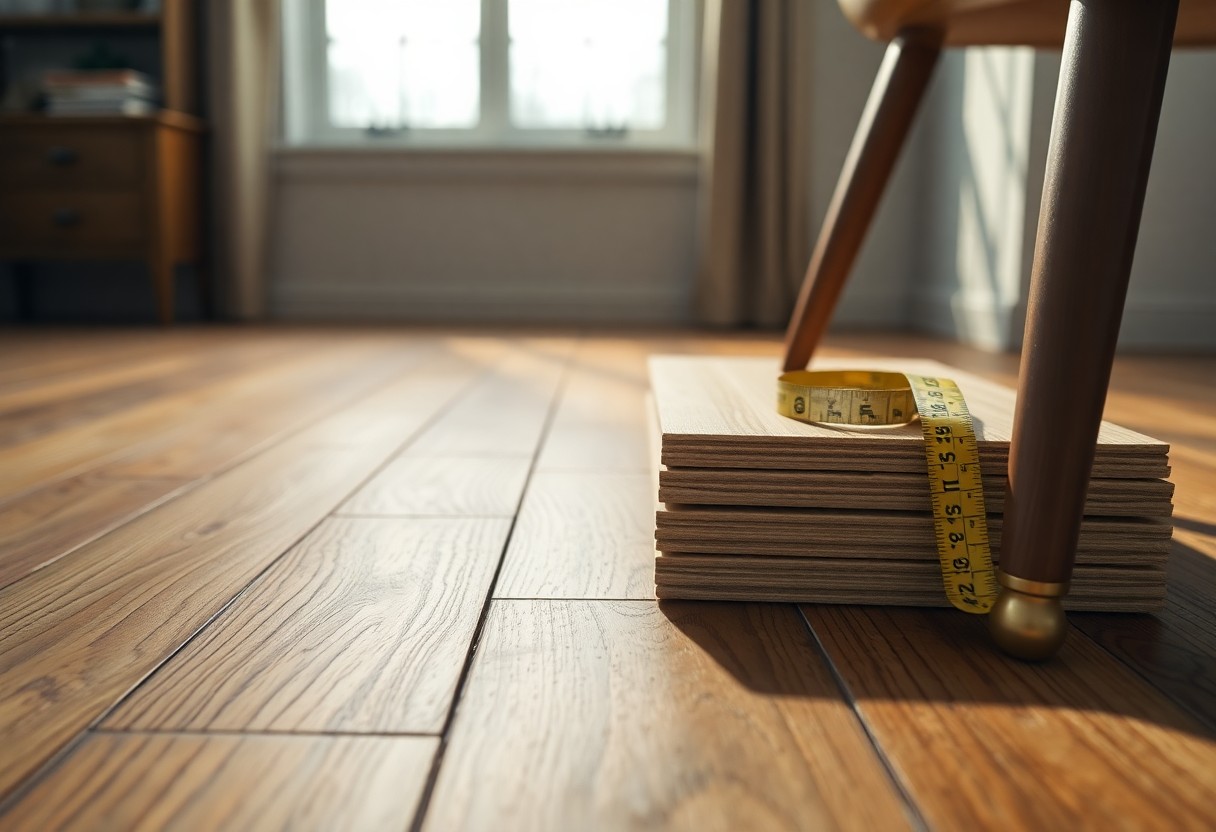
Flooring sets the foundation of a home’s character and longevity, and custom hardwood floors offer enduring benefits that extend far beyond appearance. You gain a floor that ages gracefully, increases in aesthetic warmth over time, and contributes directly to your property’s long-term value.
The Honest Strength of Timber
Hardwood floors endure generations not by resisting change but by aging with grace. Each scratch and dent becomes part of a lived narrative, not a flaw but a record of use. Unlike synthetic alternatives that degrade visibly over time, solid timber responds to wear by developing character, deepening in visual warmth as it settles into a home’s rhythm.
Choosing the Hardest Oak
White oak stands among the most resilient choices for high-traffic areas, offering a Janka hardness rating higher than red oak and many exotic species. You benefit from its tight grain structure, which resists moisture and daily abrasion better than softer hardwoods, making it a practical foundation for homes built to last.
Standing Against the Years
A properly maintained hardwood floor can outlive multiple generations within the same home. You can refinish it five to eight times depending on thickness, effectively resetting its appearance while preserving the original material beneath.
Refinishing extends far beyond surface renewal. Each sanding removes only a fraction of a millimeter, yet allows the floor to appear newly installed. A mid-sized SaaS firm converted a historic warehouse into office space and chose quarter-sawn white oak, knowing it would handle decades of foot traffic. After twelve years and two refinishes, the floor remains structurally intact and visually rich, its grain pattern enhancing the architectural authenticity of the space.
The Solid Increase of Worth
Value That Does Not Fail
Custom hardwood floors consistently retain value over decades, unlike synthetic alternatives that degrade or fall out of style. A home in Portland upgraded with white oak flooring in the 1980s sold last year at a premium, with the buyer citing the original wood as a deciding factor.
The Desire of the Buyer
Most homebuyers today express a strong preference for homes with solid hardwood floors, often citing them in online reviews as a key reason for making an offer. This demand is especially pronounced in historic districts where authenticity influences purchase decisions.
Buyers frequently tour multiple properties before deciding, and homes with custom hardwood floors tend to stand out in memory. A mid-sized SaaS firm relocated its founder to Denver, and after viewing twelve houses, he chose the one with hand-scraped hickory floors, stating it felt more substantial and finished than the others.
The Precision of the Custom Cut
Each plank is measured and cut to fit your home’s exact dimensions, eliminating gaps and awkward seams. Custom milling ensures corners align cleanly and transitions between rooms flow naturally. You receive a floor built for your space, not adjusted to approximate sizes.
The Way the Planks Meet
Edges are milled with tight tolerances so each board interlocks flush, creating a surface that feels continuous underfoot. This precision reduces movement over time and prevents dust accumulation in uneven joints, maintaining both appearance and integrity.
The Character of the Wood
Grain patterns, knots, and natural color variations are preserved intentionally, not hidden beneath uniform staining. These traits reflect the tree’s history and environment, giving your floor a distinct identity no factory finish can replicate.
Wood sourced for custom floors often comes from slower-grown trees, yielding tighter grain and increased resilience. A mid-sized SaaS firm renovating its office in Portland chose quarter-sawn white oak for its linear grain and resistance to warping, a decision that enhanced both acoustics and aesthetic cohesion across open workspaces.
The Cleanliness of the Surface
Hardwood floors resist dust accumulation far more effectively than carpeted surfaces, making them a practical choice for maintaining indoor air quality. Their smooth, continuous finish prevents particles from embedding, allowing regular cleaning to remove contaminants efficiently. You notice fewer allergens circulating in living spaces, especially in homes with children or pets.
A Surface Without Dust
Carpet fibers trap fine particles like pollen, pet dander, and dust mites, requiring deep cleaning to extract. Your hardwood floor, by contrast, doesn’t absorb or hold these elements. A simple sweep or microfiber pass removes surface debris, keeping the environment consistently cleaner without intensive maintenance.
Breathing in the House
Indoor air quality improves when flooring doesn’t harbor allergens. You reduce the load of airborne irritants simply by choosing a non-porous surface that doesn’t retain what you’d rather avoid breathing.
Consider a mid-sized SaaS firm that relocated its office to a renovated space with custom hardwood flooring. Within months, employees reported fewer allergy-related absences, and air quality tests showed a measurable drop in particulate levels. While many factors influence indoor air, the switch from carpet to hardwood was cited in internal reviews as a contributing element to a healthier workspace. You replicate this benefit in your home by eliminating a major reservoir for dust and mold.
The Long Life of the Wood
Hardwood floors routinely span generations, with many original installations in historic homes still underfoot today. You can expect a well-maintained solid oak floor to remain functional for over a century, outlasting carpets, laminates, and even some structural elements of the home itself.
Sanding Back to the Start
Sanding restores aged hardwood to a near-new condition, removing scratches, stains, and wear. You can refinish most solid hardwood floors five to ten times, depending on thickness, effectively resetting the surface without replacement.
The Cost of a Century
When spread over a hundred years, the initial investment in custom hardwood becomes a fraction of a dollar per day. You’re not buying a floor for a decade but for a lifetime, reducing long-term renovation costs and material waste.
A mid-sized SaaS firm might lease office space for ten years, replacing flooring multiple times. In contrast, a family home with custom hardwood may never need a full floor replacement, the material enduring through decades of daily use, seasonal shifts, and evolving decor trends. Each sanding adds another chapter, not a new expense.
Conclusion
Custom hardwood floors grow more valuable as they age, enhancing both the aesthetic and financial worth of your property. A mid-sized SaaS firm that renovated its downtown office space saw tenant interest rise noticeably within months, partly due to the warmth and craftsmanship of its wide-plank walnut floors. Your choice to invest in solid timber pays dividends long after installation, outlasting trends and turnovers alike.