
This durable flooring choice stands up to heavy foot traffic and moisture, making it ideal for kitchens, bathrooms, and busy households. You can preserve its finish and color clarity for years with consistent, simple care. Proper maintenance prevents scratches, fading, and buildup that dull its appearance over time.
Identifying Key Factors That Influence SPC Durability
Multiple elements affect how well your SPC vinyl flooring withstands wear over time. Foot traffic intensity, type of surface debris, presence of moisture, quality of installation, and thickness of the wear layer all play distinct roles. Subfloor flatness and exposure to direct sunlight can also accelerate aging. Recognizing these variables helps you adjust care practices to match your home’s specific conditions.
- Daily foot traffic intensity
- Type and frequency of surface debris
- Moisture exposure levels
- Wear layer thickness
- Installation quality and subfloor condition
Impact of daily foot traffic and surface debris
Frequent walking, especially with outdoor footwear, introduces grit and small particles that act like sandpaper over time. High-traffic areas near entryways or kitchens show wear faster due to constant abrasion. Even seemingly clean floors can harbor microscopic debris that dull the surface. Minimizing tracked-in dirt through mats and routine sweeping reduces this effect significantly.
Role of the wear layer in long-term protection
The wear layer is a clear, protective coating applied over the printed vinyl design, shielding it from scratches, stains, and fading. Its thickness, measured in mils, directly correlates with resilience-higher mil ratings suit busier households. This layer also determines how well the floor resists household chemicals and UV exposure. Recognizing its function helps you choose appropriate cleaning methods that preserve its integrity.
A mid-sized SPC plank with a 20-mil wear layer typically handles family homes with pets and children without visible wear for many years. The coating contains urethane or ceramic additives that enhance scratch resistance and reduce the need for waxing or polishing. Floors with lower mil ratings may require more frequent maintenance to mask surface scuffs. Proper cleaning avoids stripping this layer prematurely, ensuring the finish remains intact under daily use.
How-To: Mastering the Daily Cleaning Routine
A consistent daily cleaning routine preserves the finish and integrity of your SPC vinyl flooring. Simple, regular actions prevent buildup of abrasive particles and reduce the need for aggressive cleaning later. Use only manufacturer-recommended tools and cleaners to maintain warranty coverage and surface protection.
Effective sweeping and vacuuming techniques for dust removal
Dust and grit scratch the wear layer over time, dulling the surface. Sweep with a soft-bristle broom daily, using overlapping strokes to cover all areas. If using a vacuum, select one without a beater bar to avoid unnecessary abrasion on the planks.
Immediate response strategies for spills to prevent staining
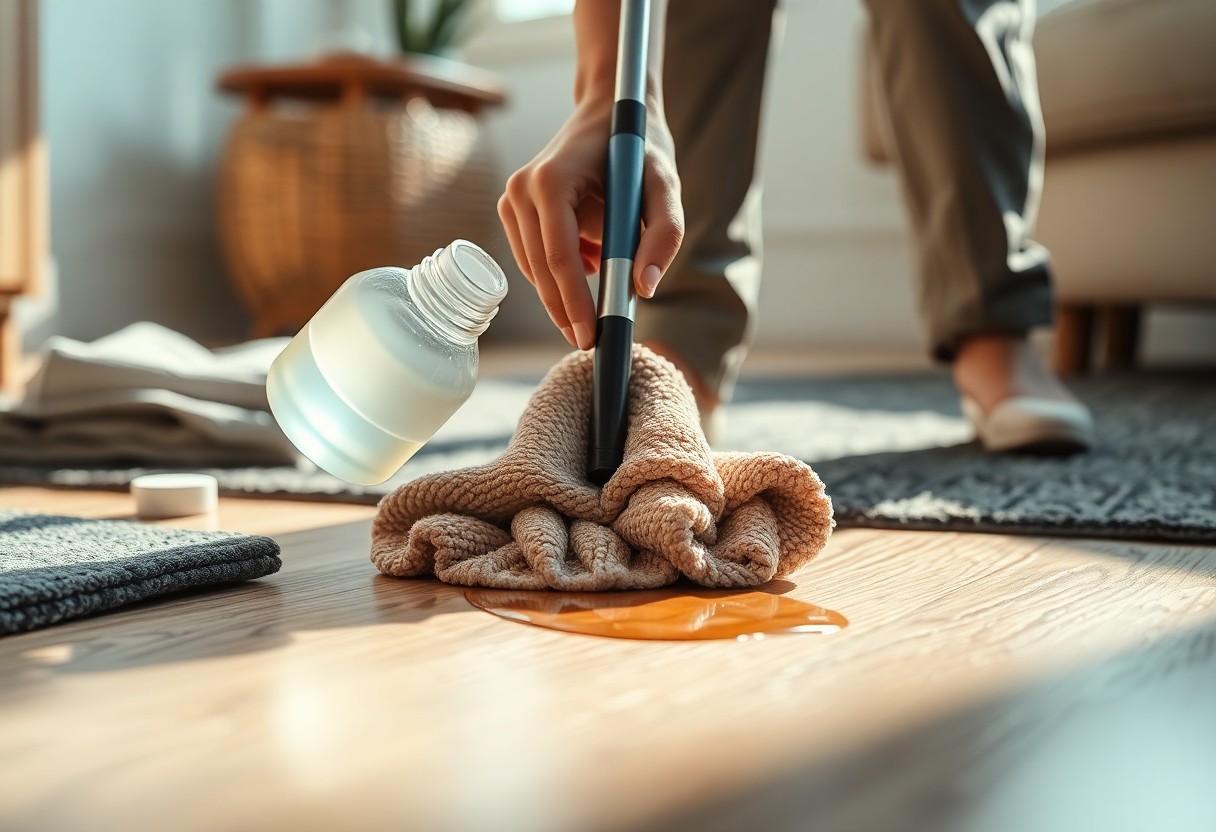
Liquids left standing can seep into seams, causing swelling or discoloration. Wipe spills promptly with a slightly damp microfiber cloth, working from the edge inward to contain spread. Avoid soaking the floor or using excessive moisture during cleanup.
For sticky residues like gum or dried food, gently loosen with a plastic scraper before wiping. Never use abrasive pads or harsh solvents, as they compromise the protective coating. A solution of warm water and a few drops of mild dish soap is sufficient for most fresh spills, restoring the surface without residue buildup.
Essential Tips for Periodic Deep Cleaning
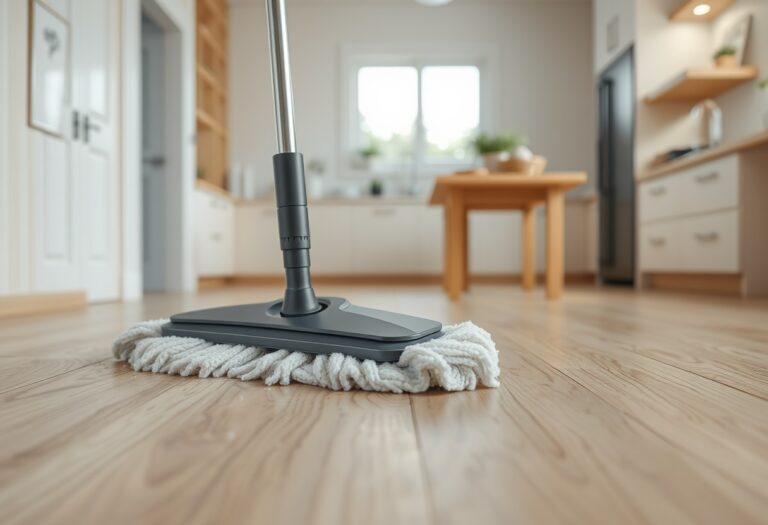
Deep clean your SPC vinyl flooring every few months to remove built-up grime and maintain its finish. Use a microfiber mop and a solution specifically formulated for luxury vinyl. Avoid abrasive tools or steam cleaners, which can compromise the wear layer. After mopping, dry the surface with a clean towel to prevent water marks.
- Select a pH-neutral cleaner to preserve the floor’s protective coating
- Use a soft-bristle scrub brush on textured surfaces for gentle agitation
- Rinse the mop frequently to avoid redistributing dirt
- Ensure proper ventilation to speed up drying time
- Inspect baseboards and edges where dust tends to accumulate
After completing the deep clean, walk the area barefoot to check for stickiness or residue, which indicates leftover cleaner.
Selecting pH-neutral cleaners for safe sanitization
You protect the wear layer by choosing cleaning solutions with a balanced pH, typically between 7 and 9. Harsh chemicals like ammonia or vinegar can cause clouding or dullness over time. A mid-sized SPC flooring manufacturer recommends only pH-stable products for routine sanitizing.
Proper damp mopping methods to avoid excessive water pooling
Wring your mop until it’s just damp, not wet, to prevent moisture from seeping into seams. Excess water can lead to edge curling or adhesive breakdown, especially in high-humidity areas. Focus on small sections and change the rinse water when it becomes cloudy.
Start at the far corner of the room and work toward the exit to avoid stepping on cleaned areas. Use a flat microfiber mop head for even pressure and consistent contact with textured planks. Never let standing water sit for more than a few minutes, as prolonged exposure may compromise the core’s dimensional stability.
Factors to Consider When Removing Stubborn Stains
Surface texture, stain type, and cleaner pH all influence how you should treat discolored areas. Always test cleaning solutions in a discreet spot first. Use only non-abrasive tools to prevent micro-scratching. Never soak the floor during spot treatment.
- Identify the stain source before selecting a method
- Avoid ammonia-based cleaners on printed layers
- Blot, never rub, to contain spread
Though gentle, even household products can compromise finish integrity if misused.
Safe localized cleaning techniques for scuff marks
A soft eraser or cloth dampened with rubbing alcohol removes most scuffs without harming the wear layer. Apply minimal pressure in a circular motion. Test on a hidden area if the floor has a matte finish. Most marks lift within seconds when addressed early.
Dealing with oil-based substances without damaging the finish
Cooking oils, lotions, and greasy residues require prompt attention to avoid dulling the surface. Wipe spills immediately with a dry microfiber cloth. Follow with a manufacturer-approved cleaner that emulsifies oils without stripping protective coatings. A mid-sized SaaS firm managing commercial spaces reported fewer finish degradations after switching to pH-neutral degreasers.
Preventive Maintenance Tips for Maximum Longevity
- Place doormats at entryways to reduce tracked-in dirt
- Avoid dragging heavy furniture across the surface
- Clean spills promptly to prevent moisture seepage
- Maintain indoor humidity between 30% and 50%
- Use pH-neutral cleaners specifically formulated for SPC
Though durable, consistent small actions greatly influence how well your floor ages over time.
Utilizing felt protectors and high-quality area rugs
Attach felt pads beneath chair and furniture legs to prevent micro-scratches from daily movement. A mid-sized SaaS firm installed these under office swivel chairs and saw noticeably less surface wear after twelve months of use.
Managing sunlight exposure to prevent UV-related fading
Direct sunlight can gradually alter the color of SPC flooring over time, especially on lighter shades. Window films or UV-blocking curtains help reduce this effect.
South-facing rooms with large windows expose flooring to prolonged UV radiation, accelerating discoloration. Installing sheer curtains with UV protection or applying window tinting film can significantly slow fading, particularly in spaces where flooring is visible under direct daylight for more than six hours daily. Thou should rotate rugs and furniture periodically to ensure even exposure and avoid distinct shadow patterns.
How-To Avoid Common Maintenance Pitfalls
Overlooking manufacturer guidelines often leads to avoidable damage, especially when using cleaning tools or solutions not specifically approved for SPC surfaces. A mid-sized SaaS firm managing commercial spaces learned this after widespread haze developed from improper product use. Always consult documentation to ensure compatibility and preserve the wear layer’s integrity.
Why steam cleaners and wax treatments are harmful to SPC
Steam cleaners force hot moisture into seams, risking core swelling and edge delamination over time. Wax treatments create a surface film that dulls the finish and interferes with future cleaning. These methods contradict SPC’s design, which relies on a sealed, non-porous top layer for protection.
Avoiding abrasive scrubbing tools and harsh chemical agents
Steel wool, stiff brushes, and ammonia-based cleaners strip the protective urethane layer, exposing the printed film beneath. Even occasional use can lead to visible wear patterns in high-traffic zones. Opt for soft microfiber pads and pH-neutral solutions to maintain surface clarity and sheen.
Repeated exposure to chlorine bleach or abrasive powders causes micro-scratching, which accumulates into a hazy, uneven appearance. A retail chain reported increased customer complaints after switching to a heavy-duty cleaner, only to revert when clarity diminished. Stick to manufacturer-recommended products to prevent irreversible surface degradation.
Summing up
You maintain the appearance and longevity of your SPC vinyl flooring by sticking to a consistent cleaning schedule, using only manufacturer-recommended products, and addressing spills promptly. Place doormats at entrances to reduce tracked-in dirt, use felt pads under furniture legs, and avoid abrasive tools that scratch the surface. A mid-sized SaaS firm in Portland preserved its office flooring for over five years by enforcing a no-shoes policy and monthly buffing, proving that small habits yield lasting results.