
Installation begins with more than just laying planks, especially when working with waterproof laminate flooring. You face real risks of warping, buckling, or seam failure if key steps are overlooked. Even with a product designed to resist moisture, poor technique can compromise performance. This guide outlines the most common errors installers make, so you avoid costly fixes and ensure a long-lasting, professional-grade result.
The Failure to Acclimatize
Laminate planks respond to ambient humidity and temperature, expanding or contracting accordingly. Failing to let your flooring material adjust to the room’s conditions before installation risks post-installation warping or gaps between planks. Always unpack and store the planks in the installation room for the duration specified by the manufacturer.
Ignoring the Room
Each space has unique environmental conditions, from basement dampness to sunlit living rooms. Installing waterproof laminate without assessing the specific microclimate ignores how the material will behave over time. A bedroom on an upper floor may require less acclimatization than a ground-level family room with large exterior walls.
Rushing the Wood
Setting the planks immediately after delivery skips a necessary stabilization phase. Even waterproof laminate contains wood-based core materials sensitive to sudden environmental shifts. Waiting the recommended period ensures dimensional stability once locked into place.
Waterproof laminate flooring still contains high-density fiberboard that absorbs ambient moisture at a slower rate. A mid-sized SaaS firm retrofitting its office space reported visible joint separation after installing crates of flooring straight from a humid warehouse. The manufacturer’s guideline of 48 hours acclimatization was overlooked, leading to callbacks and partial replacement.
The Neglected Subfloor
Ignoring the condition of your subfloor compromises the entire installation. A mid-sized SaaS firm retrofitting its office space discovered buckling within weeks because adhesive failed on a dusty concrete base. Clean, flat, and dry-these qualities are non-negotiable for lasting results.
The Uneven Base
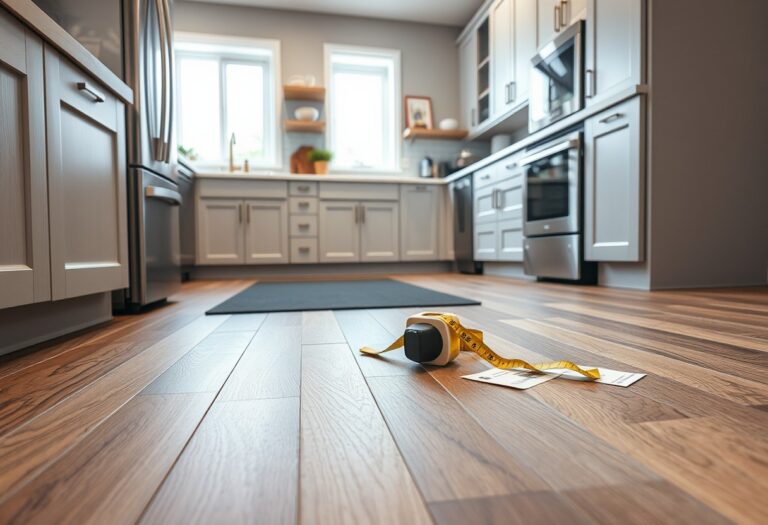
Uneven subfloors create gaps beneath planks, leading to shifting and creaking over time. Even a 1/8-inch variance can cause visible seams or tripping hazards. Level the surface with a self-leveling compound before laying any plank.
The Missing Barrier
Skipping a vapor barrier on concrete slabs risks moisture wicking into the core. A retail showroom in a humid region saw widespread swelling after six months due to this oversight.
Moisture from below rises through concrete over time, especially in basements or ground-level installations. Without a 6-mil polyethylene sheet or manufacturer-approved underlayment, laminate planks absorb dampness and swell at the edges. One hotel lobby installation in a coastal city required full replacement when edges delaminated within a year, traced directly to an omitted moisture barrier.
The Wall Without a Gap
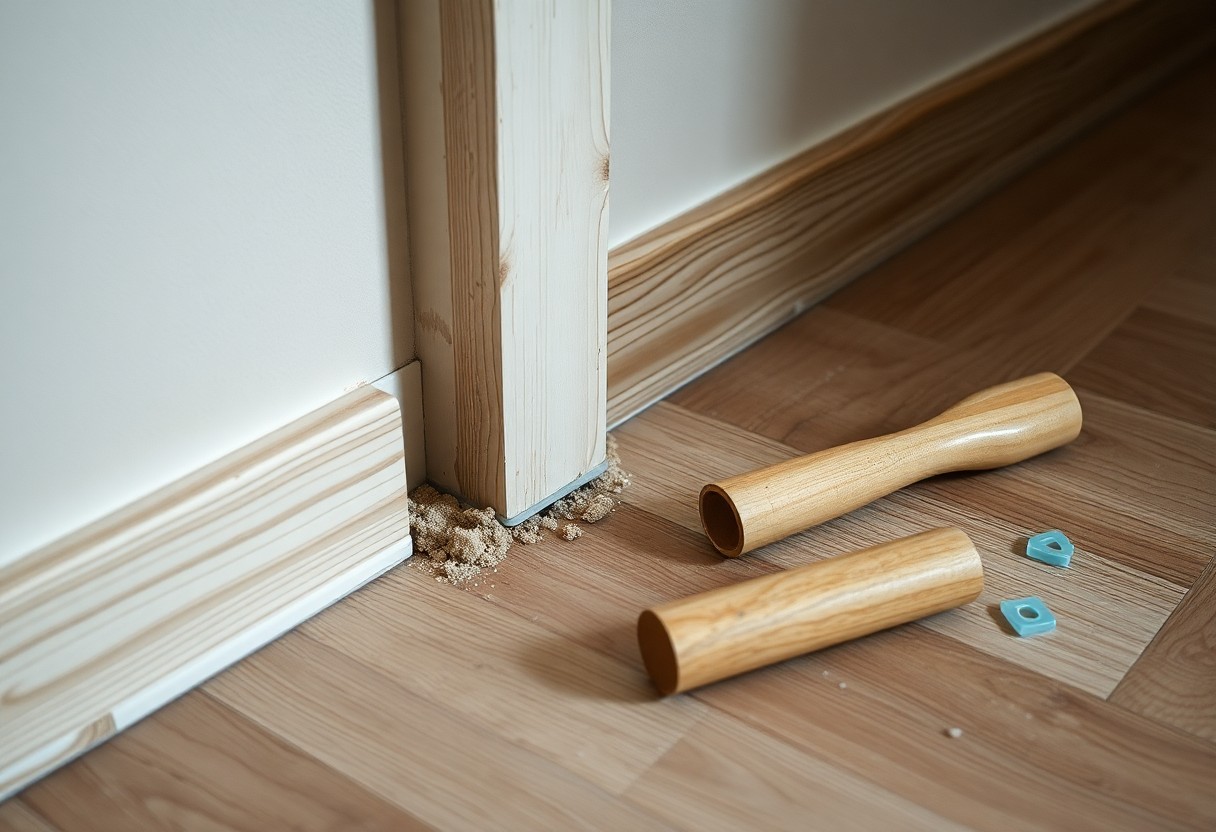
Leaving no space between the flooring and the wall invites trouble. Expansion gaps allow laminate to shift with humidity and temperature changes. Without this buffer, planks can buckle or warp within months. Always reserve the manufacturer-recommended gap, typically around 1/4 inch, along all vertical surfaces.
Pushing the Edge
Forcing planks tightly against the wall eliminates necessary expansion room. Over time, trapped stress leads to crowning or gapping across the floor surface. Maintain consistent spacing using spacers during installation to ensure uniformity and prevent structural strain.
The Heavy Cabinet
Placing large furniture directly over tightly butted edges restricts natural movement. A heavy cabinet can pin down planks, increasing the risk of deformation where expansion is blocked. Allow space beneath and around fixed installations.
Consider a mid-sized SaaS firm that installed waterproof laminate beneath server racks without gaps. Within a year, localized swelling appeared near load-bearing points. The weight prevented plank movement, turning minor expansion into visible distortion. Permanent fixtures require planned clearance just like walls.
The Bad Seal
Sealing edges properly prevents moisture from slipping beneath the planks and compromising the core. Skipping sealant in high-moisture areas or using the wrong type leads to swelling and warping over time. Always apply manufacturer-recommended sealants at transitions and perimeters.
Missing the Silicone
You overlook silicone in corners and expansion joints, leaving entry points for water. A mid-sized SaaS firm retrofitting their kitchen breakroom saw edge damage within three months due to unsealed threshold gaps. Apply flexible silicone where flooring meets fixed structures.
The Broken Tongue
You force connections too hard, snapping the tongue on locking planks. This creates weak seams that allow water infiltration and uneven surfaces. Replace damaged planks immediately to maintain integrity.
Forcing a plank during installation commonly fractures the tongue, especially with rigid core products that have less flexibility than traditional laminate. A snapped tongue prevents full engagement, leaving a gap even when the joint appears closed. This flaw becomes evident when foot traffic produces slight movement or clicking sounds, particularly in high-traffic hallways. Use a tapping block and rubber mallet to guide planks without direct impact, ensuring alignment without damage. A residential installation in a coastal home showed separation in six planks after a single row was improperly seated, requiring full replacement.
The Wrong Tools
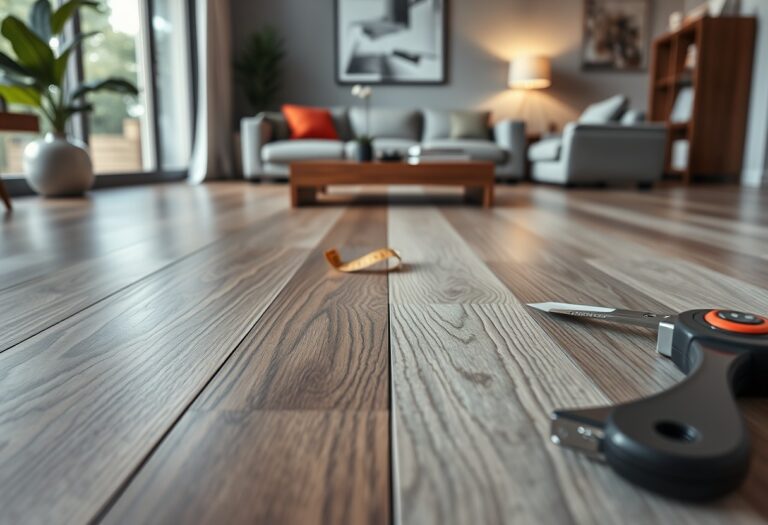
Using improper equipment compromises the integrity of your waterproof laminate installation. A standard steel hammer can damage planks, while dull utility knives leave ragged cuts along edges. Precision matters with click-lock systems, and the right tools ensure clean fits without undue force. Always prepare with manufacturer-recommended implements.
The Steel Hammer
A steel hammer delivers too much force for laminate’s interlocking joints, risking chipped edges or cracked tongues. You should use a rubber mallet instead, which provides controlled pressure to seat planks without damage. Tapping blocks paired with soft-faced hammers protect end joints during alignment.
The Dull Blade
Cutting with a dull blade frays the surface layer and creates uneven edges, undermining both fit and water resistance. You need a sharp utility knife or fine-tooth saw for clean, precise cuts. A fresh blade ensures smooth transitions around obstacles like pipes or corners.
Replacing the blade frequently during long installations maintains cutting accuracy, especially when working with rigid core planks that have a dense composite layer. A single dull pass can splinter the wear layer, exposing the core to moisture over time. You’ll achieve better results by changing blades every few cuts when trimming multiple planks.
The Error of Water
Water exposure remains the leading cause of premature laminate flooring failure, even with waterproof varieties. While the core resists moisture, prolonged contact at seams or edges can still lead to swelling or delamination. You must act quickly to clean spills and avoid standing water, especially near baseboards or transitions.
The Wet Mop
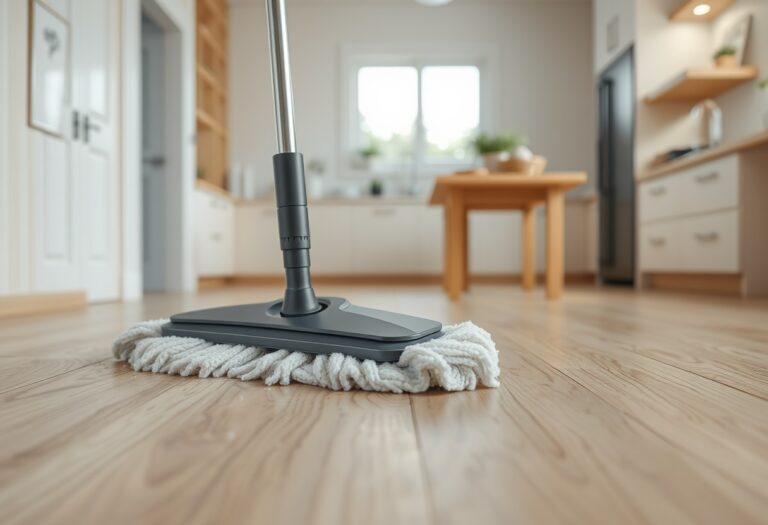
A dripping mop leaves excess moisture on the surface, which seeps into joints over time. You should only use a slightly damp microfiber mop, wrung thoroughly, and never steam clean laminate. Excess water near seams undermines even the best waterproofing.
The Strong Soap
Harsh cleaning agents like ammonia or bleach break down the protective wear layer and damage the finish. You should stick to manufacturer-recommended cleaners or mild, pH-neutral solutions to preserve the surface integrity.
Strong soaps often leave a residue that attracts dirt, creating a cycle of repeated cleaning that further degrades the floor. A mid-sized SaaS firm switched janitorial products and saw increased floor clouding within months, traced directly to an alkaline degreaser once used in restrooms. Stick to gentle formulations to maintain long-term appearance and protection.
Conclusion
You avoid costly callbacks by ensuring planks acclimate fully before installation, a step some skip to save time. Skipping moisture barriers on concrete subfloors risks long-term buckling, especially in basements. Leaving no expansion gap leads to visible warping at the perimeter. Poorly sealed seams invite water damage in high-moisture areas like kitchens. Using improper underlayment or tools compromises the locking mechanism. Standing water left unattended can seep through seams, undermining the floor’s integrity. A mid-sized SaaS firm managing commercial spaces reported repeated failures tied to rushed prep work. Precision in each phase prevents avoidable repairs down the line.