
There’s a quiet shift happening beneath homeowners’ feet. Pre-engineered hardwood, built with a real wood veneer over layered plywood or high-density fiberboard, delivers the beauty of solid hardwood with greater stability across changing climates. You’re choosing a floor that handles humidity swings better than traditional planks, making it a go-to for basements, kitchens, and multi-level homes where solid wood might warp or gap.
The Core of the Plank
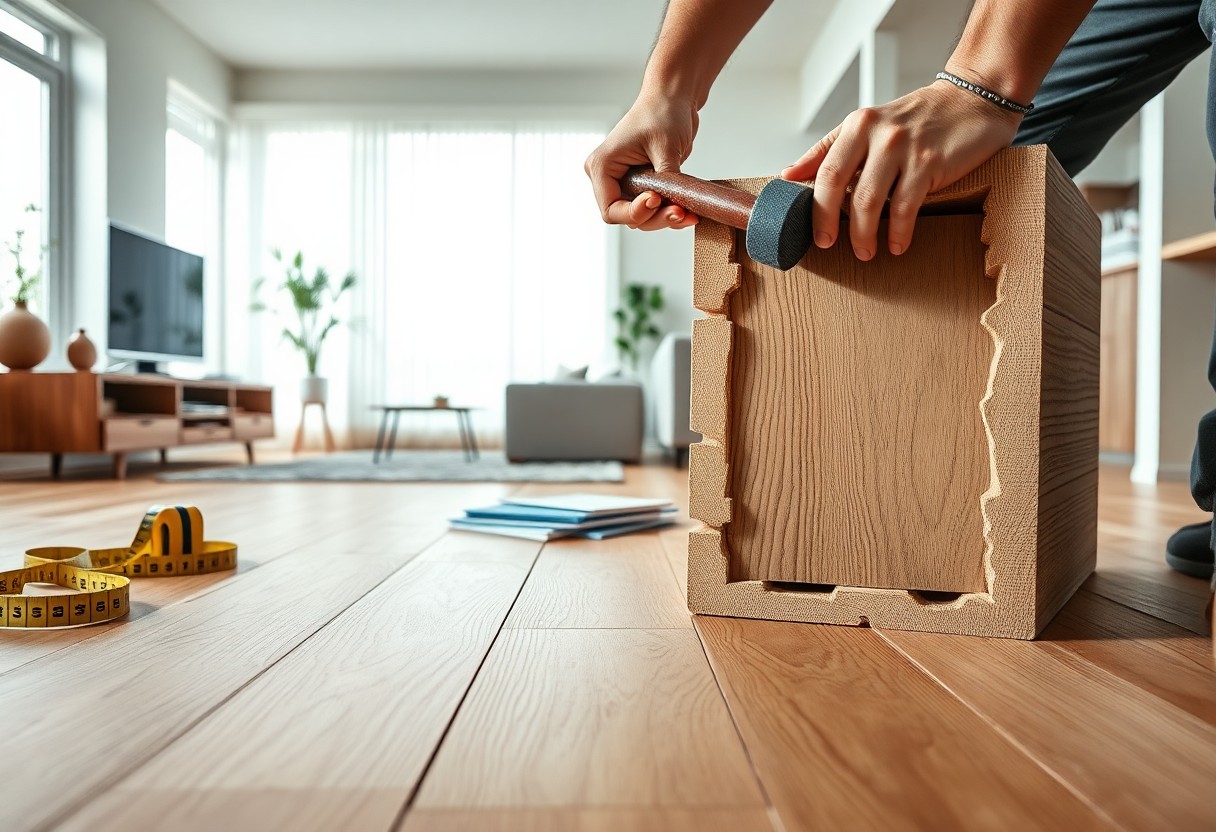
You see the real strength of pre-engineered hardwood in its layered construction, where a thin top veneer of solid wood sits atop a core made of high-density fiberboard or plywood. This design resists warping and expansion, giving you stability that solid wood often can’t match, especially over radiant heating systems or in basements with fluctuating humidity. A mid-sized SaaS firm retrofitting its office space chose this flooring specifically for its structural resilience across multiple subfloors.
Resistance to the Elements
Your pre-engineered hardwood withstands humidity fluctuations better than solid wood, making it suitable for basements and kitchens. The layered construction resists warping and cupping, even in environments with seasonal moisture changes. You can install it over concrete slabs or above-grade floors without sacrificing stability, thanks to its balanced core that responds evenly to environmental shifts.
The Installation Process
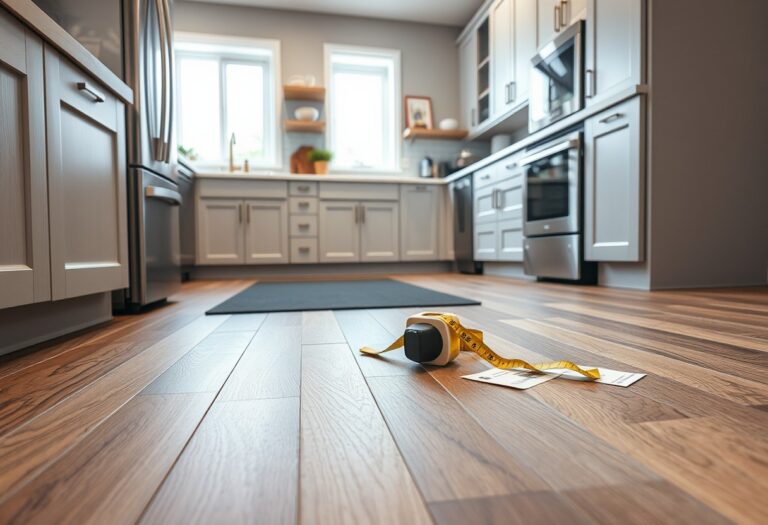
You begin by acclimating the planks to your home’s environment, letting them adjust for several days to prevent post-installation gaps. Skilled installers typically use a floating method, locking the planks together without glue or nails, which reduces labor time and allows for easier repairs. Some systems support direct nailing or full adhesion, depending on your subfloor type and preference. The precision milling ensures tight joints, minimizing visible seams across the floor surface.
Cost and Value
Prefinished hardwood typically costs less than site-finished alternatives because factory-applied finishes reduce labor and drying time. You avoid the mess and delays of on-site sanding and sealing, which can take days. A mid-sized SaaS firm relocating its office space chose pre-engineered planks to minimize downtime, completing installation in under 48 hours. The efficiency translates directly to savings in both time and contractor fees, without sacrificing the appearance of solid wood.
Aesthetic Choices
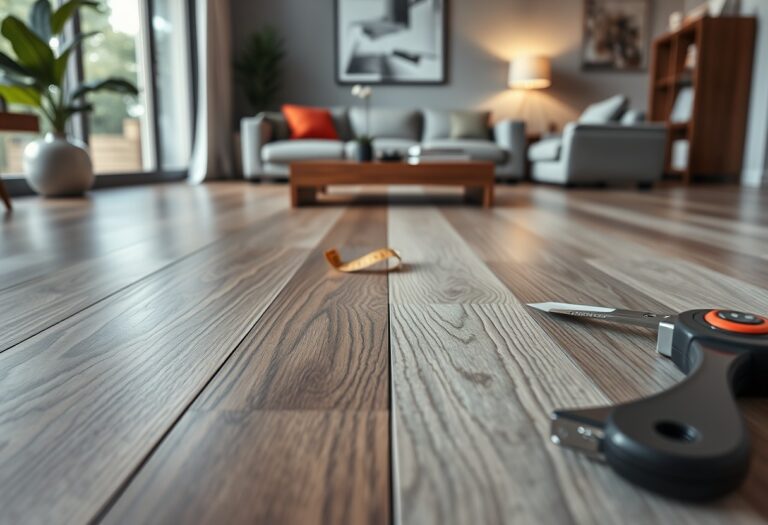
You find pre-engineered hardwood available in a broad range of finishes, from warm honey tones to cool, gray-washed surfaces, allowing you to match the flooring to your interior style. Brushed, hand-scraped, and matte finishes add texture and character, while beveled edges create defined plank lines that enhance the room’s dimension. A mid-sized SaaS firm’s downtown office, for example, chose wide-plank, wire-brushed white oak to balance modern furniture with organic warmth, proving these floors adapt seamlessly to varied design intents.
Maintenance for Longevity
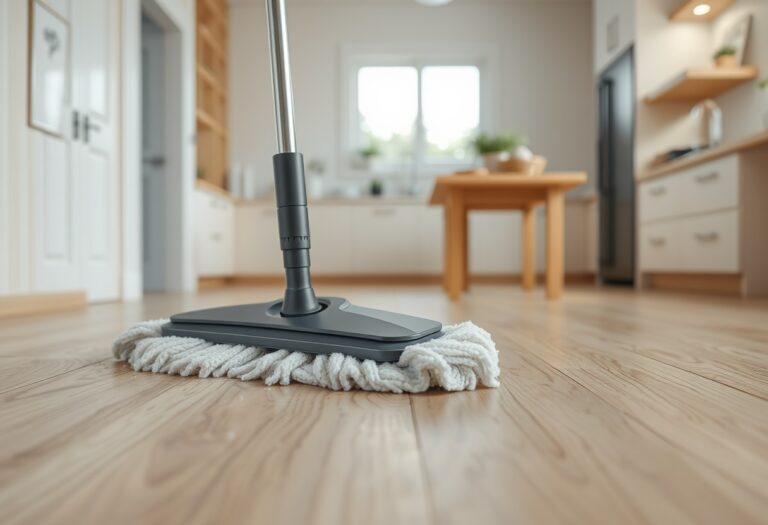
Cleaning spills promptly prevents moisture from seeping between planks, which helps avoid warping over time. Use a manufacturer-approved hardwood cleaner and a slightly damp mop, never soaking the floor. Place felt pads under furniture legs to reduce scratches when items shift. Resealing high-traffic areas every few years preserves the finish, especially in homes with pets or frequent gatherings. A mid-sized SaaS firm’s office with pre-engineered hardwood reported minimal wear after five years with biannual professional cleaning and routine dust mopping.
Conclusion
You choose pre-engineered hardwood for its stable performance across varying humidity levels, a benefit realized in homes from coastal regions to arid interiors. Its layered construction supports faster installation over multiple subfloors, reducing labor time. Homeowners appreciate the authentic wood surface that accepts refinishing, preserving property value. A mid-sized SaaS firm’s office renovation, for example, selected herringbone-patterned white oak planks to blend professionalism with warmth, proving its adaptability beyond residential spaces.