

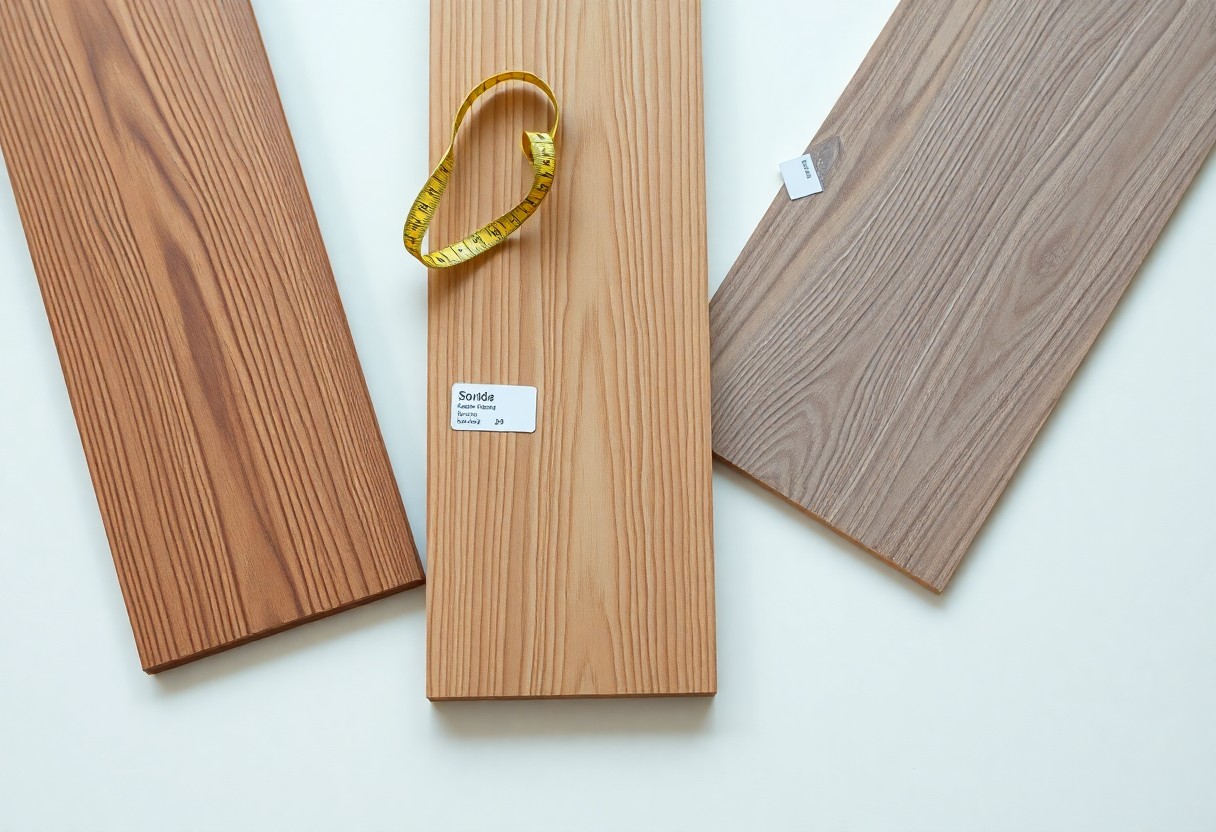
There’s a quiet confidence in a well-chosen floor, one that supports every room’s function and character. You face a meaningful decision among engineered wood, solid hardwood, and vinyl, each offering distinct advantages. Your lifestyle, budget, and space will guide the best choice, not trends or assumptions. A mid-sized SaaS firm’s downtown office might prioritize durability and ease of replacement, while a historic home renovation leans toward authenticity and long-term value. This comparison starts with understanding what each material truly delivers.
The Strength of Solid Wood
Genuine Grain Character
Each plank of solid hardwood carries a unique grain pattern shaped by natural growth conditions, ensuring no two floors are alike. You see subtle variations in tone and texture that develop further character over time, especially with exposure to light and foot traffic, giving your space an organic authenticity that manufactured surfaces cannot replicate.
Sanding for the Future
Solid wood can be sanded and refinished multiple times, typically five to eight depending on thickness, restoring its appearance without replacement. This ability to renew the surface extends the floor’s lifespan far beyond other options, making it a long-term investment in both beauty and durability.
Refinishing involves removing a thin layer of wood to eliminate scratches, stains, or wear, then sealing it with a new protective coat. A mid-sized SaaS firm that installed solid oak in its open-plan office refinished the floors twice over 15 years, maintaining a polished look while reducing long-term material costs. The process takes a few days and avoids the disruption of full replacement.
The Build of Engineered Boards
Engineered wood flooring consists of multiple layers fused under high pressure, with a top veneer of real hardwood species such as oak or walnut. This design preserves the authentic appearance of solid wood while improving structural resilience. The core layer, typically made from plywood or high-density fiberboard, provides dimensional stability. A mid-sized SaaS firm renovating its office space chose engineered boards for their balance of aesthetics and performance across changing seasons.
Resistance to Damp Air
Moisture in basements or humid climates can warp traditional wood, but engineered boards handle damp air far better. Their layered construction resists expansion and contraction caused by humidity shifts. You can install them in rooms where solid hardwood would risk cupping or gapping over time.
Multi-Layer Stability
Each layer in an engineered board runs perpendicular to the one beneath, creating cross-grain support that minimizes warping. This cross-laminated structure absorbs stress from temperature swings and foot traffic. The result is a floor that stays flat and secure even in less stable subfloor environments.
Unlike solid planks that move as a single unit, the layered composition allows engineered boards to adapt without splitting or lifting at the seams. A coastal retail shop in a salt-air zone installed 3/8-inch engineered flooring over concrete and reported no distortion after three humid summers. The alternating grain directions act like a built-in brace against movement, making it ideal for above-grade and below-grade installations alike.
The Utility of Vinyl
Vinyl flooring stands out when practicality drives your decision. You prioritize resilience in high-traffic zones and seek a surface that mimics the look of natural materials without their limitations. Its composition allows for realistic wood or stone visuals, paired with consistent performance across varied settings. A mid-sized SaaS firm renovating its open-concept office chose vinyl for its ability to endure rolling chairs and daily foot traffic while maintaining aesthetic continuity.
Total Water Defense
Water poses no threat to vinyl under normal conditions. You can install it in basements, kitchens, or bathrooms without concern for moisture damage. Unlike wood-based floors, it won’t swell, warp, or delaminate when exposed to spills or humidity. This resistance makes it a reliable option where dampness is routine.
Durable Wear Layers
A wear layer applied during manufacturing protects vinyl from scratches and fading. You benefit from long-term surface integrity, especially in homes with pets or active children. This clear topcoat varies in thickness, with higher-grade options supporting extended use in commercial environments.
Thicker wear layers, measured in mils, directly influence how long your floor retains its appearance. You’ll find residential products typically range from 12 to 20 mil, while commercial-grade versions exceed 28 mil. The added thickness resists indentation from heels or furniture legs and maintains texture and color under UV exposure. A boutique hotel in Austin selected 30-mil vinyl for its guest corridors, where daily cleaning and heavy foot traffic demand lasting resilience.
The Environment of the Room
Room conditions directly influence which flooring performs best over time. Solid hardwood expands and contracts with moisture shifts, making it unsuitable for basements or damp climates. Engineered wood handles humidity better due to its layered core, while vinyl thrives in wet areas like bathrooms or laundry rooms. Temperature fluctuations also matter, especially near exterior doors or underfloor heating systems. Perceiving these environmental cues ensures long-term performance.
Subfloor Preparation Needs
Proper subfloor prep determines installation success across all flooring types. Solid hardwood requires a clean, level plywood base to prevent creaking. Engineered boards tolerate minor imperfections but still need stability. Vinyl demands a smooth, debris-free surface to avoid telegraphing. Uneven subfloors can compromise adhesion and finish. Perceiving subtle irregularities before installation prevents costly repairs later.
Humidity Impact Factors
Humidity levels affect dimensional stability in wood-based floors. Solid hardwood is highly reactive, with seasonal gaps or crowning possible in uncontrolled environments. Engineered wood resists warping better due to its cross-layered core. Vinyl remains unaffected by moisture, making it ideal for humid regions. Basements or coastal homes benefit from moisture-resistant options. Perceiving regional climate patterns guides smarter material choices.
- Solid hardwood may gap or cup when humidity drops below 30% or exceeds 60%
- Engineered wood typically withstands 25%-75% relative humidity
- Vinyl remains dimensionally stable across most indoor humidity ranges
- Moisture barriers are important in concrete subfloors, especially below grade
The Cost of Quality
High-quality flooring pays for itself over time through durability and resale appeal. While premium materials require more at checkout, their longevity often offsets recurring replacements seen with budget-conscious picks. Your choice hinges on balancing present resources with long-term expectations.
Initial Cash Investment
Solid hardwood typically demands the highest upfront cost, often exceeding $10 per square foot before installation. Engineered wood offers a moderate alternative, with comparable visuals at roughly half the price. Vinyl, especially in plank form, remains the most accessible, frequently priced under $5 per square foot.
Value Added to Property
Real estate professionals consistently note that homes with solid hardwood floors attract higher offers and faster sales. Appraisers often assign added value to rooms finished with natural wood, recognizing its desirability among buyers seeking timeless finishes.
A mid-sized SaaS firm relocating its office space chose engineered wood over vinyl despite a tighter budget, anticipating employee satisfaction and client perception. Resale data from urban condominiums shows units with hardwood or high-grade engineered floors commanding price premiums over those with vinyl, even when all other features are identical.
The Maintenance of the Surface
Caring for your floor affects both its longevity and appearance, with each material responding differently to daily wear. Solid hardwood demands attention to moisture and sunlight, while engineered wood tolerates slight humidity shifts better. Vinyl proves resilient in high-traffic areas but can fade under prolonged UV exposure. Your lifestyle determines how much upkeep you can manage without compromising aesthetics.
Simple Cleaning Routines
Dust and debris dull any floor’s finish over time, so regular sweeping or dry mopping prevents buildup. Use a manufacturer-approved cleaner for vinyl and avoid steam mops on all three types. A slightly damp microfiber cloth works well for engineered wood, while solid hardwood benefits from pH-neutral solutions. Clean spills immediately to avoid seepage, especially near baseboards.
Repairing Scuffs and Scratches
Surface marks happen, but their treatment varies by material. A scuff on vinyl often wipes away with a pencil eraser or mild soap. Engineered wood with a thick wear layer can be lightly sanded and refinished locally. Solid hardwood accepts touch-up markers or professional buffing, restoring smooth continuity across the grain.
Deep scratches in solid hardwood may require spot sanding and reapplication of finish, a task best handled by a technician familiar with grain matching. Engineered planks allow one or two refinishing cycles depending on veneer thickness, but sanding beyond the wear layer risks structural compromise. Vinyl scratches can sometimes be concealed with color-matched fillers, though replacement of the affected plank is often more effective for deep gouges.
Conclusion
Choosing between engineered wood, solid hardwood, and vinyl flooring depends on your home’s conditions and your long-term plans. You prioritize stability in high-moisture areas, so engineered wood performs well in basements. You value natural aesthetics and resale appeal, making solid hardwood ideal for main-level living spaces. You need affordability and water resistance, so vinyl fits bathrooms and kitchens. A mid-sized SaaS firm’s office renovation recently opted for vinyl in high-traffic zones and engineered wood in meeting rooms, balancing cost and appearance. Your decision aligns with usage, not trends.