
Maintenance of your laminate flooring begins with daily habits that protect its surface. You can prevent scratches by using felt pads under furniture and removing shoes at the door. Clean spills quickly with a dry or slightly damp cloth, and use a manufacturer-approved cleaner to preserve the finish. Avoid steam mops and excessive water to keep your floor looking new for years.
Key Factors Influencing Laminate Durability
Your laminate floor’s lifespan depends on several core elements.
- The thickness and quality of the wear layer
- Exposure to moisture and humidity levels
- Frequency and method of cleaning
- Use of protective pads under furniture
Knowing these factors helps you make daily choices that extend your floor’s appearance and structural integrity.
Understanding the Wear Layer and Moisture Sensitivity
Wear layer thickness determines how well your floor resists scratches and fading. Most laminate uses an overlay rated in AC classes from 1 to 5. This protective layer shields against daily use but isn’t waterproof. Moisture seeping at seams can cause swelling or warping. You must clean spills quickly and avoid wet mopping to preserve the core.
Identifying Manufacturer-Specific Care Requirements
Each brand designs laminate with unique finishes and tolerances. The product label or warranty guide lists approved cleaners and maintenance steps. Using the wrong products may void coverage or damage the surface. You’ll get the best results by following the exact recommendations provided.
Manufacturers often tailor their laminate’s composition to balance durability and cost, which directly affects how you should care for it. Some finishes resist streaking with just water and a microfiber mop, while others require pH-neutral cleaners to avoid hazing. Your flooring’s AC rating, joint sealing, and texture influence not only appearance but also cleaning frequency and technique. Always refer to the instruction manual that came with your planks to align your routine with the maker’s standards.
Essential Supplies for a Damage-Free Clean
Having the right tools makes all the difference in preserving your laminate’s finish. You don’t need heavy-duty equipment-just a few thoughtful choices that protect the surface while removing everyday grime. The proper supplies simplify cleaning and prevent costly wear over time.
Selecting Microfiber Mops and Specialized Vacuums
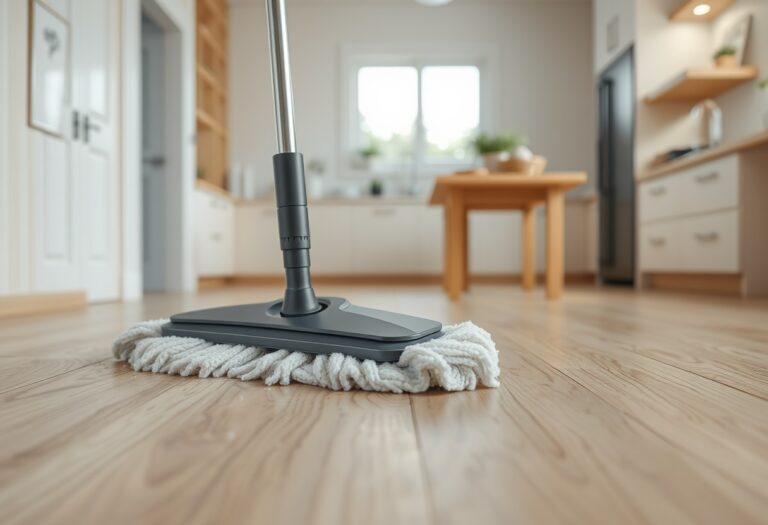
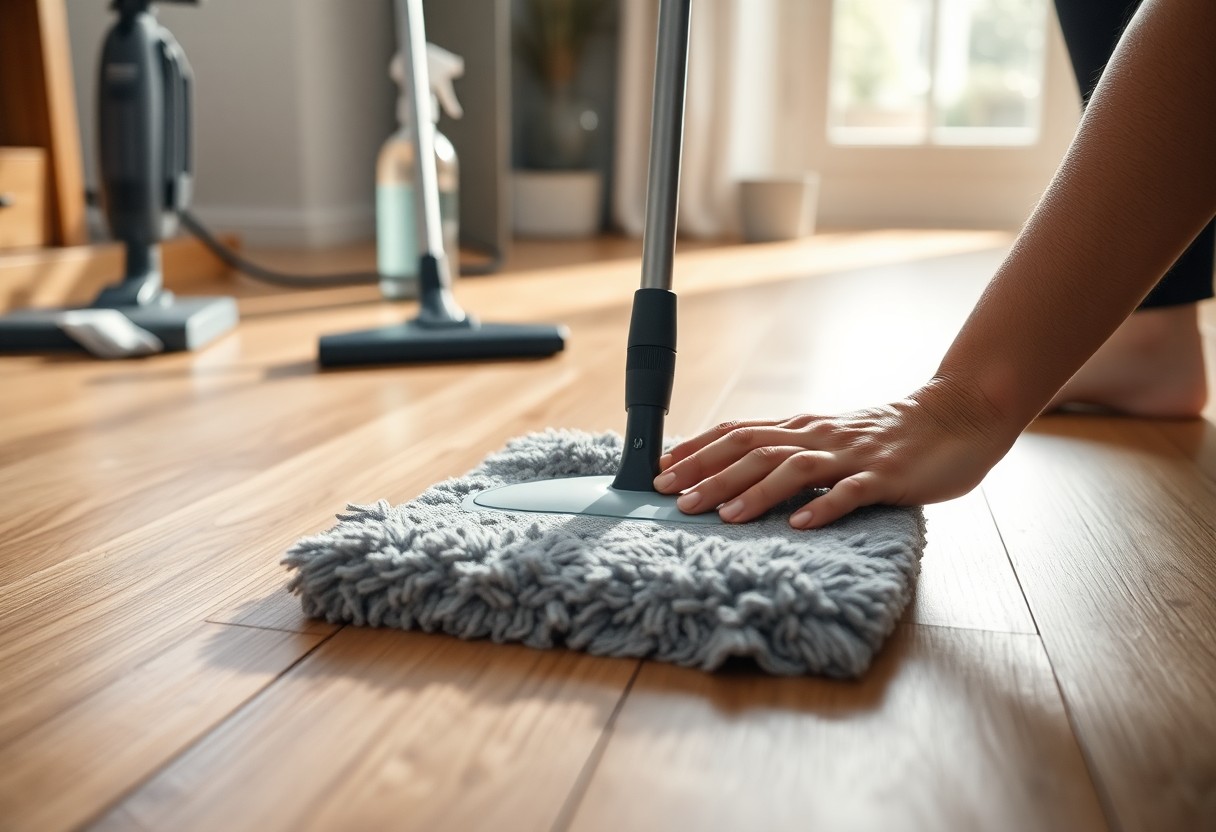
Choose a microfiber mop to trap dust and spills without scratching the surface. Its soft fibers lift debris gently while resisting streaks. Pair it with a vacuum designed for hard floors-preferably one with a hardwood or laminate setting and no rotating beater bar-to avoid gouging the planks.
Avoiding Abrasive Tools and Corrosive Chemicals
Steer clear of steel wool, stiff brushes, or abrasive scrub pads-they leave fine scratches that dull the finish. Harsh chemicals like ammonia or bleach break down the protective layer over time. Stick to gentle, pH-neutral cleaners formulated for laminate to keep your floor looking new.
Using the wrong tools or cleaners might seem harmless at first, but small scratches and chemical residue accumulate, leading to permanent clouding or edge swelling. Micro-scratches scatter light, making the floor look worn, while corrosive agents compromise the wear layer’s integrity. Protect your investment by treating the surface with consistent, compatible care every time you clean.
How to Establish an Effective Daily Maintenance Routine
Consistency keeps your laminate floors looking fresh and extends their lifespan. A few minutes each day prevents buildup that can lead to scratches and stains. Focus on removing debris and addressing spills quickly to maintain the floor’s integrity without heavy cleaning.
Removing Surface Gritty Debris and Dust
Sweeping daily with a soft-bristle broom or microfiber dust mop captures dirt before it scratches the surface. Grit acts like sandpaper over time, dulling the finish. Make this quick pass part of your morning or evening routine to protect the flooring’s appearance.
Managing Immediate Liquid Spills to Prevent Warping
Spills should be wiped up within minutes to avoid moisture seeping between seams. Use a dry or slightly damp cloth to blot the area-never let water pool. Immediate action prevents swelling and keeps the core layer intact.
Water is the main enemy of laminate, even though the surface resists it. The core is often made of fiberboard that expands when wet. If a spill sits too long, especially near edges or joints, it can cause irreversible warping. Always keep a cloth handy in high-traffic or kitchen-adjacent areas and respond the moment a drink or splash hits the floor.
How to Deep Clean for a Streak-Free Finish
Deep cleaning your laminate floor keeps it looking fresh without damaging the surface. Use the right solution and technique to avoid streaks and moisture buildup, ensuring a clear, shiny finish that lasts.
Preparing a pH-Neutral Cleaning Solution
You can make an effective cleaner using warm water and a few drops of mild dish soap. Avoid vinegar-heavy mixes or ammonia-based products, as they can dull or erode the laminate’s protective layer over time.
Executing the Minimal-Moisture Mop Technique
Wring your mop until it’s barely damp-excess water warps laminate over time. Work in small sections, using straight strokes to lift grime without leaving residue or streaks behind.
Start at one corner of the room and move systematically across the floor, rinsing the mop frequently in clean solution. A microfiber mop works best, trapping dirt and drying quickly to prevent moisture seepage along seams. Keep the floor as dry as possible throughout the process for optimal results.
Expert Tips for Removing Stubborn Stains and Scuffs
Use a soft cloth dampened with a mix of warm water and mild dish soap to gently tackle tough spots. For dried spills or sticky residue, let the solution sit for a minute before wiping. Avoid abrasive pads or harsh chemicals that can damage the finish. Any lingering marks respond well to a bit of rubbing alcohol on a clean corner of the cloth.
- Blot spills immediately to prevent seepage
- Use a plastic scraper for dried substances
- Always test cleaning solutions in a hidden area
- Work in small sections with light pressure
Treating Ink, Oil, and Adhesive Residue
For ink marks or adhesive left behind from tape, dampen a microfiber cloth with rubbing alcohol and gently rub the spot in a circular motion. Oil-based stains lift best with a drop of dish soap diluted in water. Never soak the floor-excess moisture can warp the planks. Any stubborn film should come up with patience and consistent, light wiping.
Buffing Out Minor Surface Scratches Safely
A soft cloth and a bit of laminate floor polish can minimize the look of light surface scratches. Gently rub along the grain of the wood pattern, not against it. This method won’t repair deep gouges but helps blend in fine marks. Any improvement enhances the overall appearance without refinishing.
When buffing minor scratches, focus on using a lint-free cloth and a polish specifically made for laminate surfaces. These products often contain mild abrasives that smooth the top layer without removing it. Apply in small, circular motions with light pressure, checking progress frequently. Over-buffing can create heat and damage the wear layer, so stop once the scratch fades. Any consistent maintenance like this extends the floor’s fresh look for years.
Preventative Strategies for Long-Term Protection
Protecting your laminate flooring starts with smart daily habits. Simple actions like removing shoes at the door and cleaning spills quickly can prevent scratches and moisture damage. You already know regular sweeping helps, but combining it with proactive measures ensures your floor stays flawless for years.
Utilizing Furniture Pads and Entryway Mats
Place felt or rubber pads under all furniture legs to avoid scratches when moving chairs or tables. Entryway mats trap dirt and grit from shoes, reducing abrasive particles that dull the surface. These small additions make a noticeable difference in preserving your floor’s finish over time.
Regulating Indoor Humidity and Sun Exposure
Keep indoor humidity between 35% and 55% to prevent laminate from warping or swelling. Use curtains or blinds to limit direct sunlight, which can fade the flooring’s color. Consistent climate control protects both appearance and structural integrity.
Fluctuations in humidity cause laminate planks to expand and contract, leading to gaps or buckling over time. Running a dehumidifier in damp seasons and a humidifier in dry winter months stabilizes the environment. Likewise, UV rays from prolonged sun exposure break down the protective layer, so rotating rugs and using window film can evenly distribute light exposure and extend the floor’s life.
Summing up
Conclusively, you preserve the finish of your laminate flooring by sweeping regularly, wiping spills promptly, and using cleaning solutions specifically designed for laminate. You avoid excess water, abrasive tools, and harsh chemicals. Your consistent, gentle care ensures lasting appearance and resilience.