
There’s a growing trend in Kitchener home renovations that showcases the benefits of dry back vinyl flooring. As you consider updates for your space, understanding why this material is gaining popularity can help you make informed decisions. Not only does dry back vinyl offer exceptional durability and style, but it also provides practical solutions to common flooring challenges. This post will explore the reasons behind its rise and how it can enhance your home renovation project.
The Benefits of Dry Back Vinyl
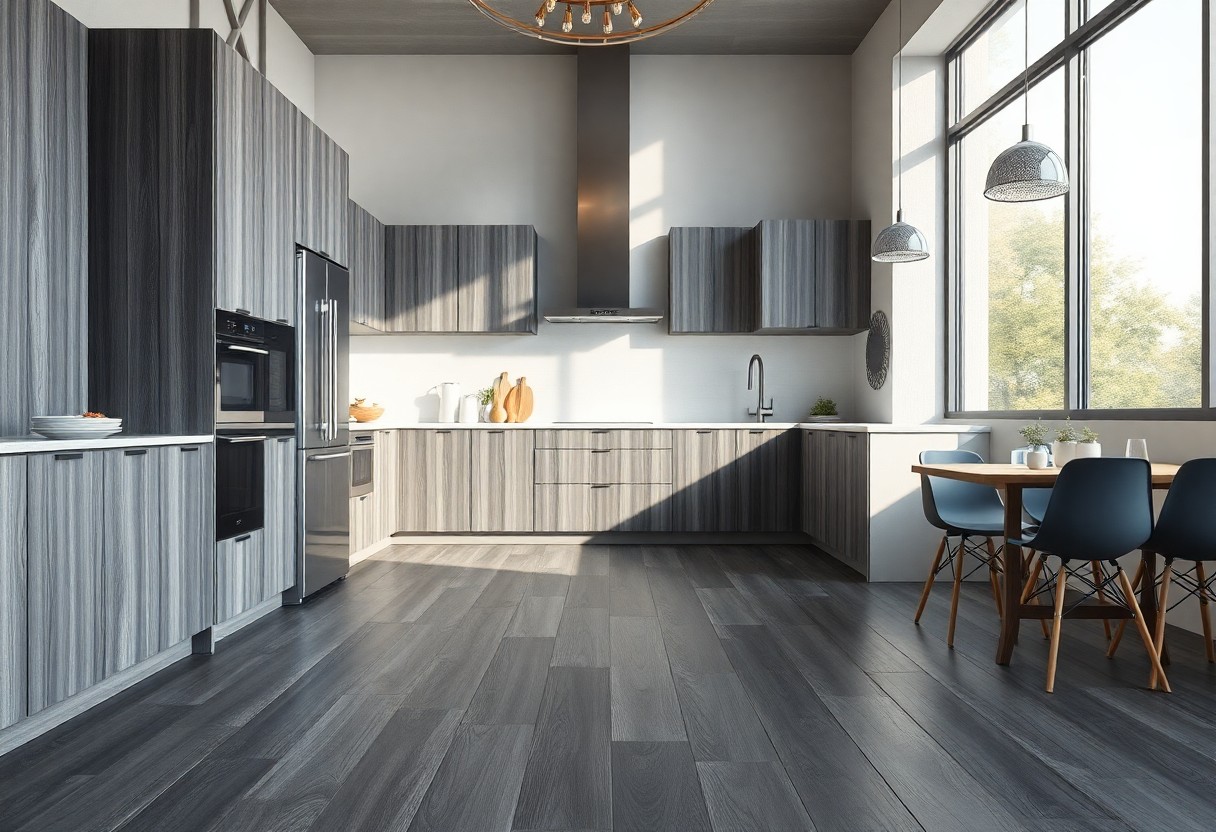
Choosing dry back vinyl for your renovation project brings numerous advantages, making it a popular choice among homeowners. Its seamless appearance, coupled with a variety of styles, provides an aesthetically pleasing finish. Additionally, the material is water-resistant, which enhances its usability in areas prone to moisture. This flooring option also offers excellent comfort underfoot, making it ideal for spaces you frequent daily.
Durability and Longevity
Dry back vinyl is known for its remarkable durability, designed to withstand heavy foot traffic and resist scratches. The wear layer protects against everyday damages, ensuring it remains looking new for years. This type of flooring often comes with warranties that can extend up to 20 years, underscoring its long-lasting nature. You can install it in high-demand areas, confident it will maintain its integrity over time.
Cost-Effectiveness
Dry back vinyl is a cost-effective choice, as it combines affordability with long-term value. Installation costs are generally lower compared to hardwood or tile, and the material itself tends to be more budget-friendly. Over time, you save on maintenance and replacement expenses, helping your investment stretch further without sacrificing quality.
For instance, with an average installation cost of $2 to $3 per square foot, dry back vinyl allows you to cover larger areas without breaking the bank. Savings continue with reduced maintenance needs; unlike hardwood, there’s no need for refinishing or special cleaning products. This combination of initial savings and long-term cost benefits makes dry back vinyl an undeniable winner in home renovations.
Aesthetic Appeal and Design Flexibility
Dry back vinyl not only boasts practicality but also enhances your home’s aesthetic appeal with its diverse design options. This flooring type seamlessly integrates into various interior styles, from modern to rustic, allowing you to curate a space that reflects your personal taste. Whether you’re channeling minimalism or a bold statement, dry back vinyl supports your vision effortlessly.
Variety of Styles and Colors
You can choose from an extensive range of styles and colors with dry back vinyl, ensuring that your flooring complements your overall design scheme. From earthy tones to vibrant hues, there’s an option for every preference. This versatility allows you to play with patterns and textures, providing an individualized touch to your home.
Mimicking Natural Materials
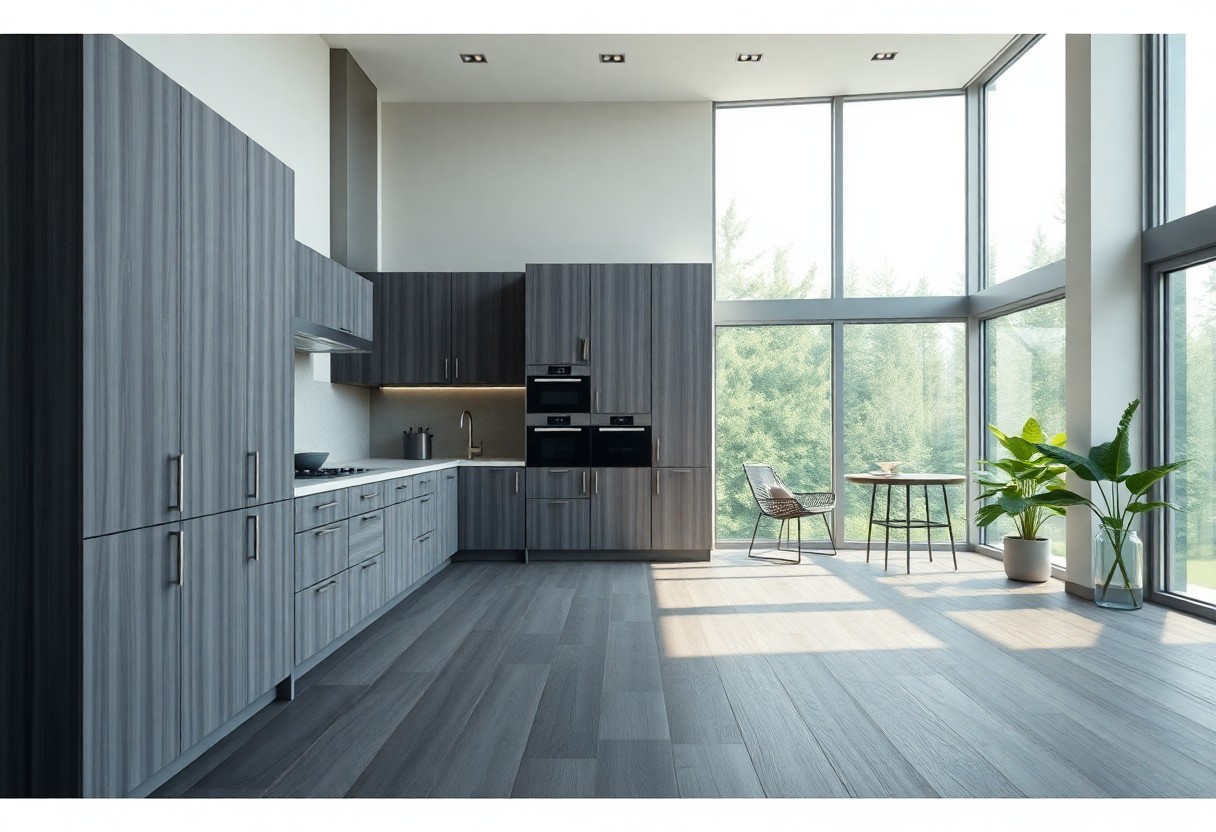
Dry back vinyl excels in replicating the look of natural materials, such as hardwood or stone, giving you an upscale appearance without the associated costs. You can enjoy the charm of wood grains or the elegance of a stone finish in high-traffic areas without sacrificing durability.
The ability of dry back vinyl to mimic natural materials is a significant selling point. Advanced printing technology creates realistic textures and finishes, making it difficult to distinguish vinyl from real hardwood or tile. For instance, high-quality vinyl planks can feature intricate wood grain patterns and colors that mirror oak or walnut. Apart from visual appeal, the material remains softer underfoot, warmer in colder months, and requires less maintenance than its natural counterparts, making it an intelligent choice for busy households. By opting for dry back vinyl, you can enjoy the beauty of nature-inspired designs without compromising practicality or budget.
Environmental Considerations
Choosing dry back vinyl for your home renovation aligns with a growing awareness of environmental impact. This flooring option offers benefits not only in aesthetics and durability but also in sustainability. You can enhance your living space while minimizing your ecological footprint, making informed choices that positively affect the environment.
Eco-Friendly Options
Many dry back vinyl products are made from recycled materials, which reduces waste and conserves resources. Opting for these eco-friendly options allows you to enjoy stylish flooring without sacrificing your commitment to sustainability. This choice can contribute to LEED certification for your home renovation project, showcasing your dedication to environmentally responsible living.
Sustainable Manufacturing Practices
Manufacturers of dry back vinyl have embraced sustainable practices that minimize environmental impact. For instance, some companies utilize water-based adhesives and low-VOC (volatile organic compounds) materials, ensuring that the products you install in your home maintain indoor air quality. This commitment extends to energy-efficient production processes, which reduce total energy consumption throughout the manufacturing cycle.
Sustainable manufacturing practices in dry back vinyl production not only reduce waste but also enhance product longevity. For example, brands that prioritize eco-friendliness often employ closed-loop systems, reusing materials throughout the production line. This method not only decreases raw material extraction but also slashes carbon emissions, presenting you with an option that harmonizes aesthetic appeal with eco-consciousness. Choosing vinyl from such manufacturers supports initiatives aimed at creating a greener planet, all while ensuring you enjoy a stylish, practical flooring solution in your home.
Installation Process
Understanding the installation process for dry back vinyl is crucial for achieving optimal results. This flooring type can be installed over existing surfaces, provided proper preparation is performed. Following manufacturer guidelines ensures a smooth and long-lasting installation.
Preparation and Subfloor Requirements
Before installation, you must assess your subfloor for cleanliness, flatness, and moisture levels. It’s recommended that you remove any debris, repair uneven areas, and ensure the subfloor is dry—ideally under 75% humidity—to promote proper adhesion and performance of your dry back vinyl.
Professional vs. DIY Installation
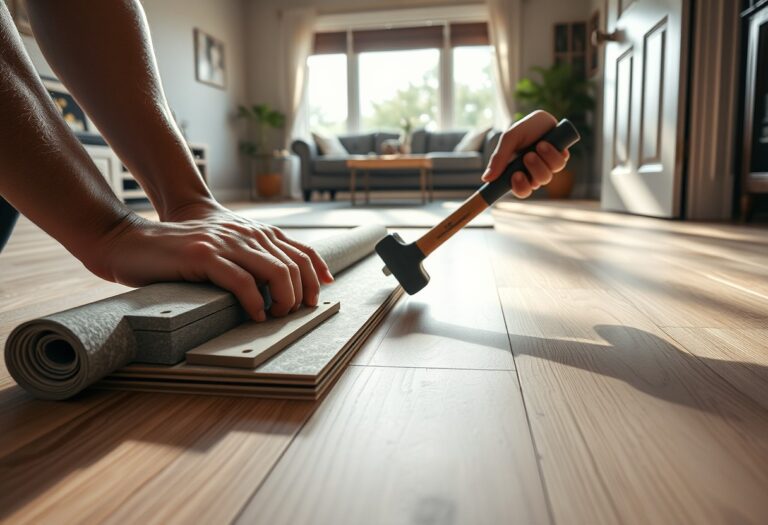
Choosing between professional installation and DIY largely depends on your confidence level and experience with flooring projects. Professionals typically guarantee quality and longevity, but if you’re handy and detail-oriented, you may save money by installing it yourself.
When opting for professional installation, you benefit from their expertise and tools, which can lead to a flawless finish. Professionals can also navigate complex layouts or unexpected issues that arise during installation. On the other hand, a DIY installation can empower you and potentially save costs; however, it requires time, effort, and skill to avoid common pitfalls. Researching best practices and obtaining the right tools are crucial if you decide to take this route. Ultimately, weigh your abilities against the benefits of professional help to make the best choice for your renovation project.
Maintenance and Care
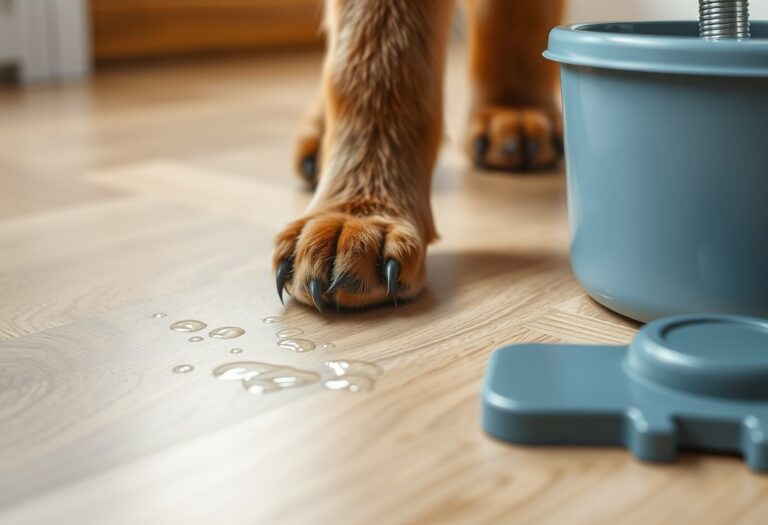
Dry back vinyl offers easy maintenance, making it an ideal choice for busy households. Regular care involves simple cleaning practices that help to preserve its appearance and longevity. You’ll find that the material is resistant to stains and water, which significantly reduces the effort required for upkeep.
Cleaning Tips
To keep your dry back vinyl flooring looking its best, follow these cleaning tips:
- Sweep or vacuum regularly to remove dirt and debris.
- Use a damp mop with a mild cleaner specifically designed for vinyl.
- Avoid harsh chemicals that can damage the surface.
- Wipe spills promptly to prevent staining.
Assume that maintaining a consistent cleaning routine enhances durability and appearance.
Longevity and Wear
Dry back vinyl is designed to withstand everyday wear and tear, making it a durable flooring solution. With proper maintenance, your flooring can last upwards of 15 to 20 years. High-quality options are built to resist scratches, dents, and fading, ensuring their aesthetic appeal remains intact over time.
This remarkable lifespan is attributed to advanced manufacturing techniques that enhance the material’s structural integrity. For instance, many dry back vinyl products come with protective layers that shield against moisture and wear, making them particularly suitable for high-traffic areas in your home. Additionally, opting for thicker variants can provide extra cushioning and added durability, further extending the life of your flooring investment.
Market Trends and Consumer Preferences
The demand for dry back vinyl is a reflection of shifting market trends and consumer preferences, as more homeowners prioritize durability, aesthetic appeal, and cost-effectiveness in their flooring choices. Recent surveys indicate that over 40% of homeowners are replacing traditional flooring with vinyl due to its versatile design options and ease of installation. This change is driven by a blend of aesthetic desires and practical needs, showcasing a clear trend towards materials that enhance both the functionality and style of a home.
Shift Towards Vinyl Flooring
Vinyl flooring has gained significant popularity due to its combination of resilience and style. With advancements in technology, dry back vinyl now mimics natural materials, offering realistic textures and patterns. Homeowners appreciate the low-maintenance aspect alongside water resistance, making it suitable for various rooms, from kitchens to basements. This trend towards vinyl is not just about practicality; it’s about creating inviting, stylish spaces that reflect personal taste.
Predictions for Future Trends
Looking ahead, the rise of dry back vinyl is expected to continue, fueled by ongoing innovations in design and sustainability. As manufacturers focus on eco-friendly materials and production processes, consumers are likely to embrace options that not only look good but also minimize environmental impact. Furthermore, trends suggest that smart integration of technology within flooring will become more prevalent, offering features like temperature regulation and moisture detection.
Predictions for future trends indicate a growing alignment with eco-conscious living, as consumer preferences shift towards products that combine functionality with sustainability. You’ll likely see an increase in demand for dry back vinyl that features recycled materials or manufacturing processes that reduce carbon footprints. Additionally, the integration of smart technologies within flooring will become more commonplace, catering to a tech-savvy market. As these trends evolve, your choices will not only enhance your space aesthetically but also reflect a commitment to environmental stewardship and innovation.
To wrap up
From above, it’s clear that dry back vinyl is becoming a popular choice for home renovations in Kitchener. Its durability, ease of maintenance, and aesthetic appeal make it a wise investment for your spaces. As you consider your renovation options, think about how dry back vinyl can enhance both the functionality and style of your home, fitting seamlessly into your lifestyle while providing long-lasting value. Embracing this trend can lead to a modern and practical solution for your flooring needs.