
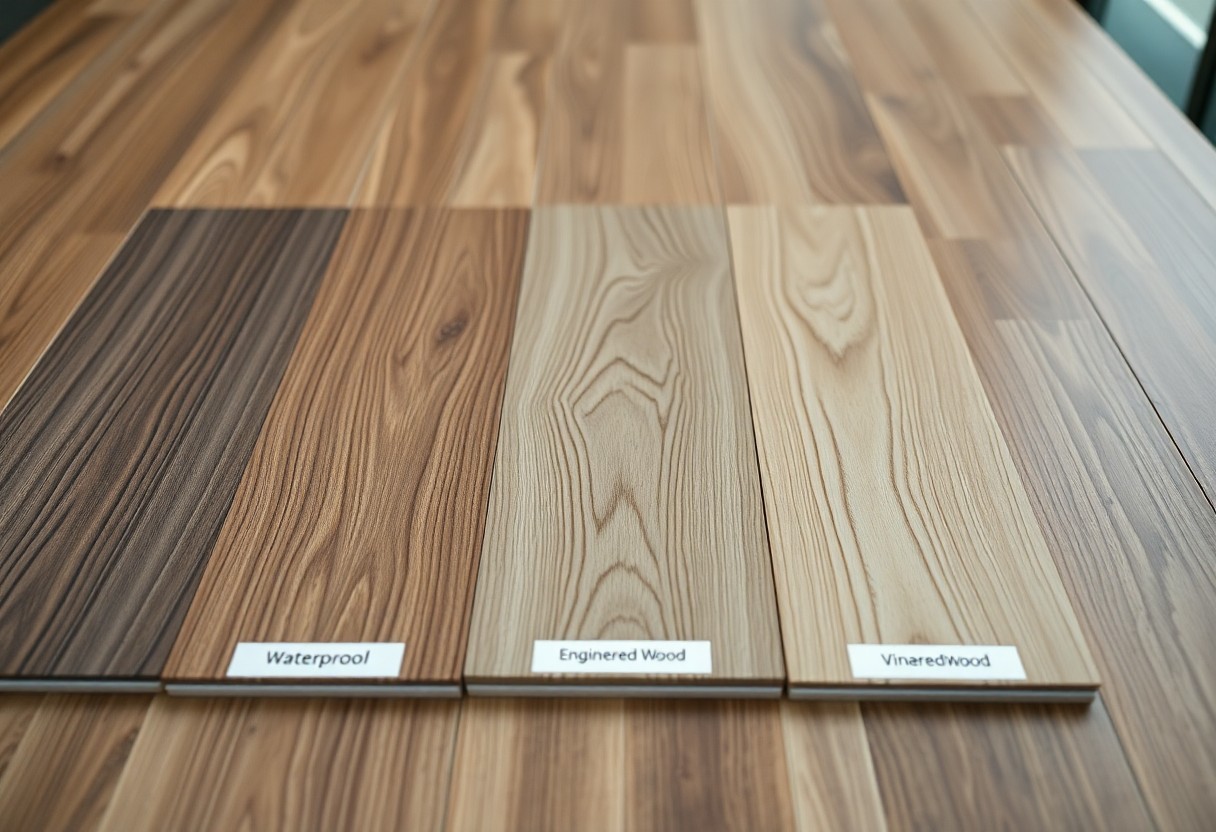
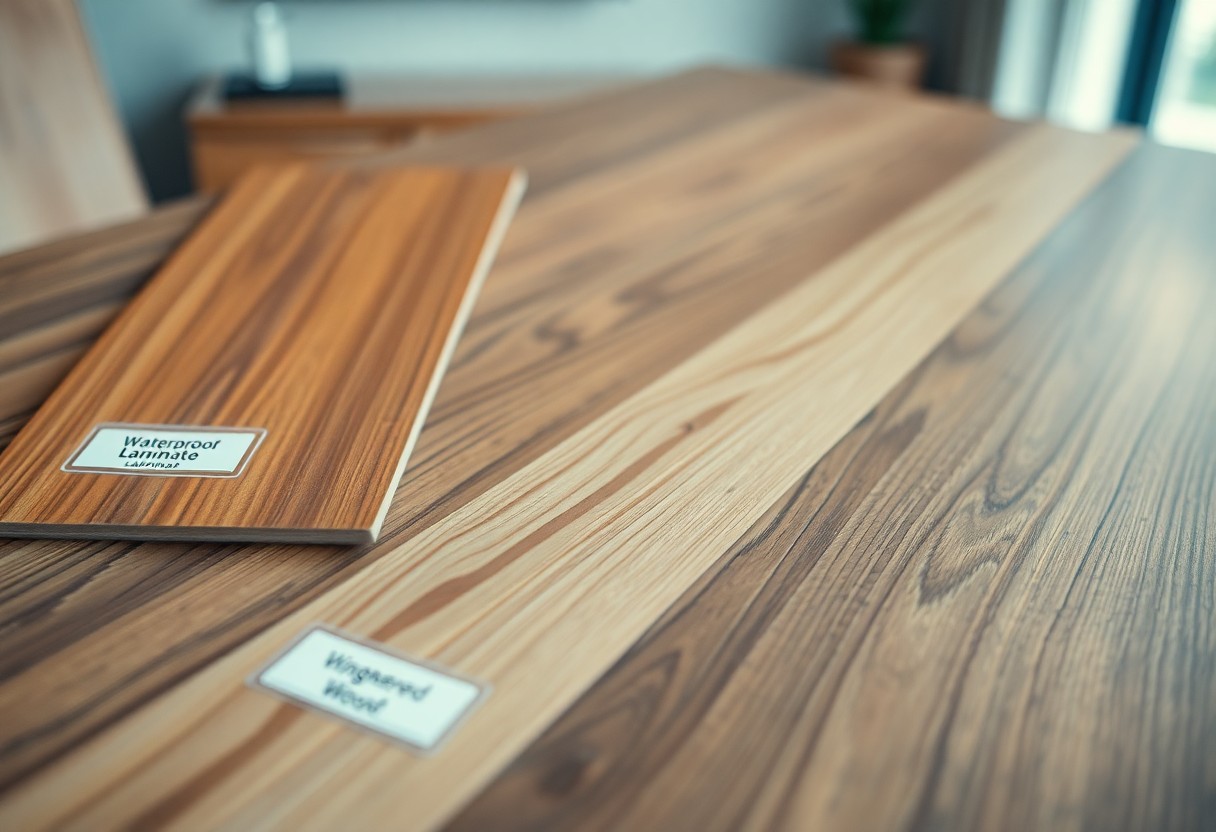
You may find yourself overwhelmed when selecting the right flooring for your space, especially with options like waterproof laminate, engineered wood, and vinyl. Each of these materials offers unique benefits, making it important for you to consider factors such as installation, durability, and cost. This guide will provide you with the insights needed to make an informed decision that aligns with your lifestyle and design preferences.
Understanding Flooring Options
Your choice of flooring can significantly influence the aesthetics and functionality of your space. Each type of flooring option comes with unique characteristics, suited to different environments and lifestyles. Evaluating attributes such as durability, maintenance, and water resistance will help you decide which flooring best meets your needs.
Characteristics of Waterproof Laminate
Waterproof laminate is designed to withstand moisture while providing the appearance of natural wood or stone. It features a dense core, which resists warping and swelling, making it an ideal choice for areas prone to humidity, such as kitchens and bathrooms.
Features of Engineered Flooring
Engineered flooring combines real wood with high-quality materials, offering superior stability and resistance to temperature changes. This construction allows it to maintain its integrity in fluctuating conditions, making it suitable for various environments, including basements and over concrete.
Typically, engineered flooring features a top layer of hardwood, providing the authentic look and feel of solid wood. Beneath this layer, multiple plywood or HDF layers give strength and versatility. With a variety of finishes available, you can choose a style that complements your interior design while enjoying easier installation and maintenance compared to solid hardwood.
Overview of Vinyl Flooring
Vinyl flooring is a synthetic option known for its resilience and water resistance. It comes in sheets, tiles, or planks and often mimics the look of natural materials like wood or stone at a fraction of the cost.
Available in numerous designs and patterns, vinyl flooring is perfect for high-traffic areas or homes with pets due to its durability and easy maintenance. Modern luxury vinyl options often include a thicker wear layer that enhances scratch resistance and visual details, ensuring your floor maintains its appeal over time. Additionally, many vinyl products are designed for simple installation, making them a popular choice for DIY enthusiasts.
Key Factors to Consider
When choosing between waterproof laminate, engineered, and vinyl flooring, several key factors will impact your decision. Consider the following:
- Your lifestyle and daily activities
- Location of installation (e.g., moisture-prone areas)
- Your budget and long-term investment
- Installation method and time required
- Maintenance needs and care requirements
This will help you identify the best flooring type that aligns with your specific needs.
Durability and Maintenance
Durability is a top concern when selecting flooring, especially in high-traffic areas. Waterproof laminate and vinyl are designed to withstand spills and moisture, making them ideal for kitchens and bathrooms. Engineered wood is also durable but may require more care to protect against water damage. Regular maintenance varies, with vinyl being low-maintenance, while laminate needs less frequent sweeping and mopping to keep its appearance.
Aesthetic Appeal and Variety
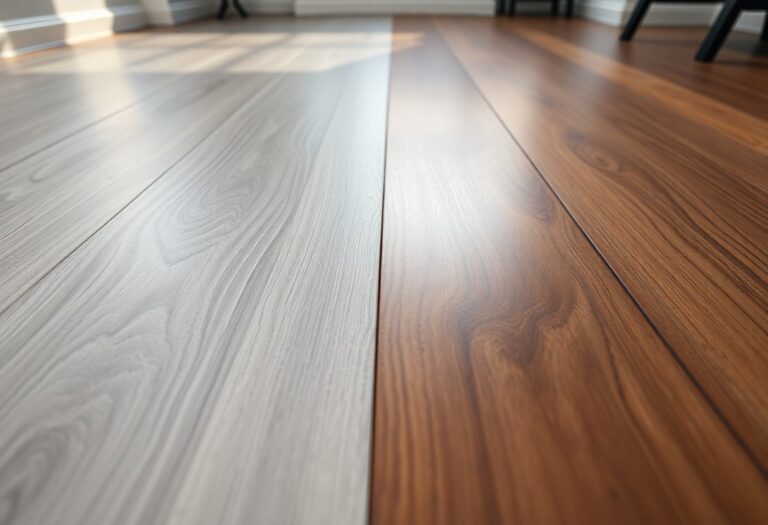
Aesthetic appeal is necessary when selecting flooring, as it sets the tone for your space. Vinyl comes in an extensive range of styles, mimicking hardwood, stone, or tile, making it versatile for any decor. Waterproof laminate offers robust designs and textures, suitable for a classic look at a fraction of the cost. Engineered wood provides natural beauty with genuine wood veneers, appealing to those who value elegance and authenticity. This variety allows you to tailor the flooring to fit your design vision perfectly.
How to Assess Your Specific Needs
To successfully navigate the decision-making process for flooring, you must first assess your specific needs. Consider the primary functions of the space, the typical foot traffic it experiences, and how much maintenance you’re willing to undertake. These factors directly influence which flooring type will best meet your lifestyle and expectations.
Evaluating Space and Environment
Your space’s environment plays a significant role in the flooring choice. For areas prone to moisture like bathrooms or basements, waterproof laminate or vinyl is ideal. Conversely, engineered wood can enhance aesthetic value in living areas but requires consideration of humidity levels to prevent warping.
Budget Considerations
Budget drives many flooring decisions, with costs varying widely across laminate, engineered, and vinyl options. Waterproof laminates may start at around $2.50 per square foot, while higher-end engineered wood can reach $7 or more. Vinyl is often more affordable, commonly lying between $1.50 and $5 per square foot. Pinpoint your budget range before diving deeper into product specifics.
When evaluating budget considerations, factor in not only the material costs but also installation and maintenance. Many laminate and vinyl products are designed for easy DIY installation, potentially saving you hundreds. However, if you prefer professional help, installation costs can add another $1 to $4 per square foot. Additionally, consider long-term upkeep—engineered wood may necessitate refinishing, while vinyl and laminate typically require less maintenance, affecting your total investment over time.
Tips for Installation
Successful installation sets the foundation for a durable floor. Here are some key tips to consider:
- Always acclimate your flooring in the room where it will be installed for at least 48 hours.
- Use the recommended underlayment to optimize sound absorption and moisture control.
- Follow the manufacturer’s guidelines for cutting and fitting pieces together.
- Leave space around the edges for expansion, especially in larger areas.
Thou must ensure proper installation for long-lasting results.
DIY vs. Professional Help
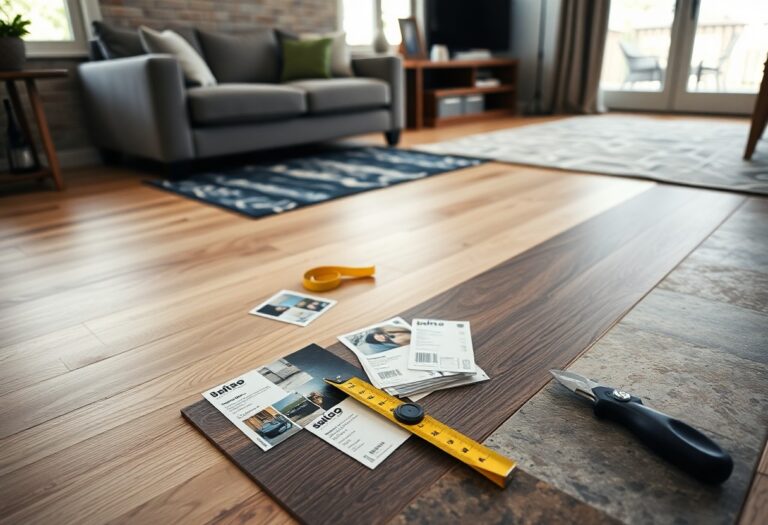
Deciding whether to tackle flooring installation yourself or hire a professional hinges on your skill level and the complexity of the project. If you’re experienced with tools and have a good understanding of flooring materials, DIY might save you money. However, if your project involves intricate layouts, subfloor issues, or large areas, a professional can guarantee a quality finish and protect your investment.
Preparing the Subfloor
Preparing the subfloor is vital for achieving a smooth installation. Start by cleaning the area thoroughly, removing any debris or old flooring material. Ensure the subfloor is level, as uneven surfaces can lead to problems down the line. You might need to fill in low spots with leveling compound or replace damaged sections. Additionally, examining for moisture issues is vital; this may mean using a moisture barrier to prevent future complications.
The state of your subfloor can affect the longevity and performance of your new flooring significantly. Any cracks or misalignments should be addressed promptly, as they can cause issues such as gaps, squeaks, or even warping over time. Using a leveling tool can help identify any inconsistencies. Investing time in this preparation phase can save you from costly repairs and help maintain the aesthetics and functionality of your new flooring for years to come.
How to Maintain Your Chosen Flooring
Proper maintenance is vital to preserving the appearance and longevity of your flooring. Depending on whether you have waterproof laminate, engineered, or vinyl flooring, you should develop a maintenance routine tailored to its unique characteristics. Regular cleaning, prompt attention to spills, and timely repairs will help you keep your floors looking pristine for years.
Cleaning Practices
For cleaning, use a soft broom or vacuum specifically designed for hard surfaces to remove dirt and debris. Damp mopping with a pH-neutral cleaner is effective, but avoid excessive water that can damage flooring materials. Establishing a weekly cleaning schedule will prevent buildup and maintain your floor’s shine.
Addressing Damage
If damage occurs, act swiftly to prevent further issues. For small scratches on laminate or engineered wood, use a wood filler or color-matched marker to conceal imperfections. In more significant cases, such as deep scratches or dents, consider replacing individual planks, which is possible with click-lock systems commonly used in these types of flooring.
For vinyl flooring, punctures or tears can often be repaired with adhesive patches designed for this purpose. Examine your warranty for coverage on damages; some manufacturers offer benefits for repairs or replacements. Maintaining a consistent inspection routine can help you catch these minor issues early, preventing major repairs down the line. Being proactive will save you time and money, allowing your chosen flooring to shine for years.
Comparing Costs and Value
| Flooring Type | Cost Range per Sq Ft |
|---|---|
| Waterproof Laminate | $2 – $5 |
| Engineered Flooring | $3 – $12 |
| Vinyl Flooring | $1 – $7 |
Initial Investment vs. Long-Term Benefits
Your choice of flooring often hinges on balancing initial costs against long-term value. Waterproof laminate tends to be more budget-friendly upfront, while engineered flooring offers greater durability and potential resale value. Vinyl flooring presents a wide price range, allowing for affordable options for those on tighter budgets without sacrificing performance. Investing slightly more in higher-quality materials can yield significant savings over time due to lower maintenance and replacement needs.
Warranty Comparisons
Warranties can vary notably among waterproof laminate, engineered, and vinyl flooring. Understanding these warranties can guide you in making a more informed decision. Generally, engineered flooring offers the most extended coverage, ranging from 15 to 25 years, reflecting its durability. Waterproof laminate typically includes warranties of 10 to 25 years, while vinyl often provides lifetime warranties, highlighting its resilience in wet areas. Review these specifics when comparing options.
| Flooring Type | Typical Warranty Duration |
|---|---|
| Waterproof Laminate | 10 – 25 Years |
| Engineered Flooring | 15 – 25 Years |
| Vinyl Flooring | Lifetime |
When assessing warranties, consider not just duration but also what is covered. High-quality engineered flooring often includes protection against wear, staining, and water damage, ensuring you get a product that stays true to its promise. While waterproof laminate warranties may also cover similar issues, they might not match the rigorous standards set by engineered options. Vinyl’s lifetime warranty usually indicates robust performance, but be mindful of specific exclusions that could affect your coverage.
| Warranty Coverage Aspects | Considerations |
|---|---|
| Water Damage | Check specific terms on coverage scope |
| Wear & Tear | Understand thickness and wear layer implications |
| Staining & Fading | Review claims against outdoor use and sunlight exposure |
Conclusion
Following this guide will empower you to make an informed decision between waterproof laminate, engineered, and vinyl flooring based on your needs. Consider your space, lifestyle, and budget to select the option that best fits your requirements. Each flooring type offers unique benefits, so weigh their durability, appearance, and maintenance before you commit. By assessing these factors, you can ensure that your choice will enhance your home’s functionality and aesthetic for years to come.