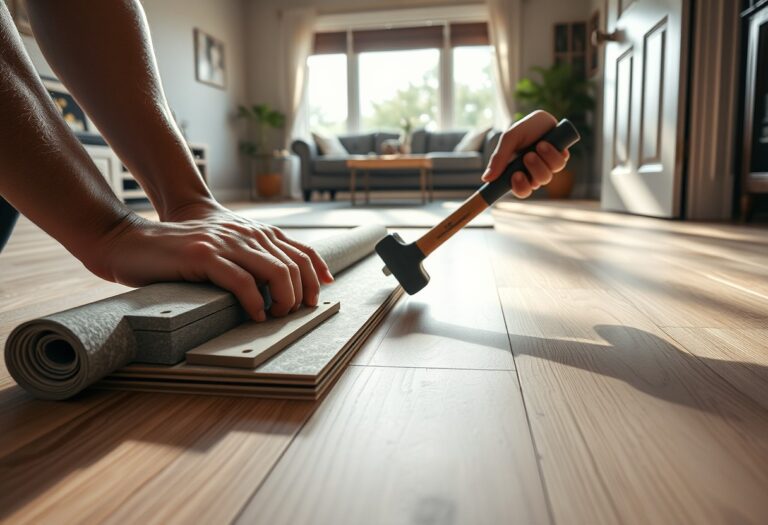

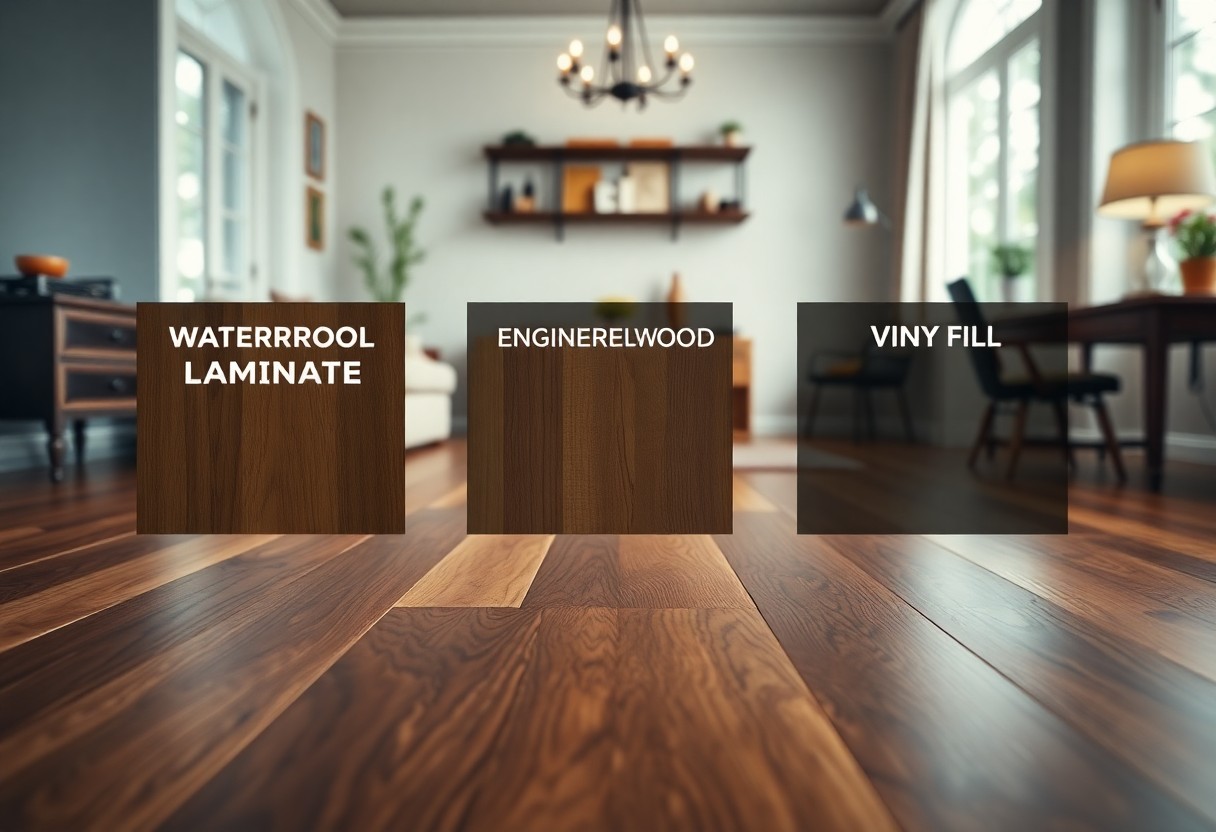
Flooring choices can significantly impact your home’s aesthetics and functionality, especially when working within a budget. You have a variety of options available, including waterproof laminate, engineered wood, and vinyl floors, each offering unique benefits and drawbacks. This post will help you explore the features, costs, and installation processes of these materials, enabling you to make an informed decision that suits your style and financial plan.
Overview of Flooring Options
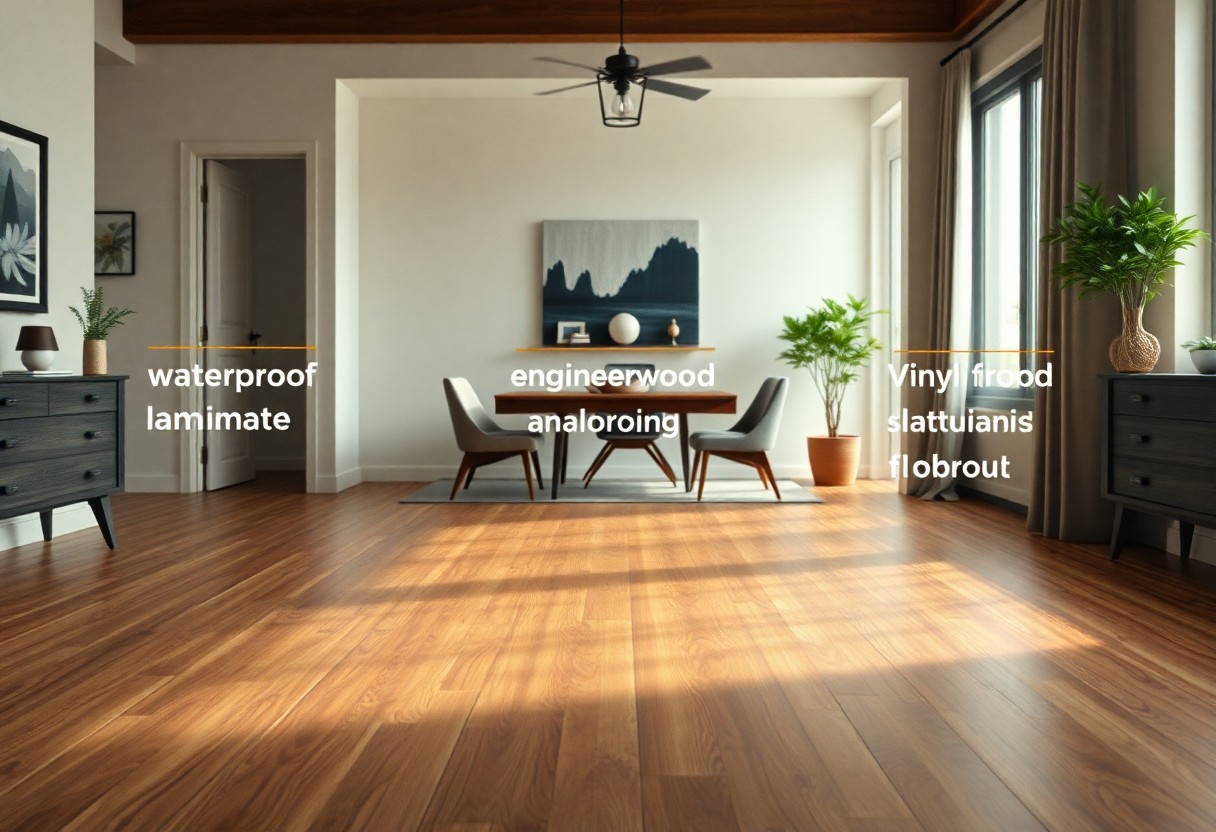
You have several choices when it comes to affordable and durable flooring, particularly for water-prone areas. Waterproof laminate, engineered wood, and vinyl floors each offer distinct advantages, catering to various styles and budgets. As you assess these options, consider not only their cost but also their long-term performance, maintenance needs, and aesthetic appeal to find the best fit for your space.
Benefits of Waterproof Flooring
Waterproof flooring provides exceptional durability and resilience, making it ideal for high-moisture areas like kitchens and bathrooms. You’ll benefit from reduced risk of damage from spills or leaks, which can lead to higher maintenance costs later on. Moreover, these flooring options encourage a healthier indoor environment by preventing mold and mildew growth.
Key Features of Laminate, Engineered, and Vinyl Floors
Each flooring type presents unique features to fit your specific needs and preferences. For instance, laminate floors simulate wood with a cost-effective image layer, while engineered wood offers natural beauty with a solid wood surface. Vinyl is exceptionally versatile, available in numerous designs and patterns. Key features include:
- Water resistance
- Variety of styles
- Ease of installation
- Comfort underfoot
- Low maintenance
- Durability against scratches and dents
- Affordability
Recognizing these features can help you narrow down your choices and select the perfect flooring solution for your home.
Additionally, understanding how laminate, engineered wood, and vinyl differ further aids in your decision-making process. Laminate flooring offers an affordable, appealing look that mimics hardwood, while engineered wood enhances this with its layered construction for improved stability. Meanwhile, vinyl flooring stands out for its extensive customization options and ease of care. Notably, both laminate and vinyl can be installed through floating methods, simplifying the process. Key features include:
- Heat retention for comfort
- Resistance to fading from sunlight
- Sound absorption qualities
- Scratch and stain protection
- Long-lasting wear layers
- Eco-friendly options available
Recognizing these unique characteristics makes it easier for you to select the perfect flooring that matches your lifestyle and budgetary considerations.
Waterproof Laminate Flooring
Waterproof laminate flooring combines the attractive look of hardwood with enhanced durability and resistance to moisture, making it an excellent choice for areas like kitchens and bathrooms. Unlike traditional laminate, this option features a waterproof core and is designed to withstand spills and humidity without warping or damage.
Composition and Design
This type of flooring is typically composed of a high-density fiberboard core layered with a waterproof surface and an artistic laminate layer that replicates natural wood grains and textures. The manufacturing process often includes treatments that enhance resistance to scratches and fading, providing both aesthetic appeal and functionality.
Cost-Effectiveness and Durability
Waterproof laminate flooring is an affordable solution for homeowners looking to balance quality with budget. It often ranges from $1 to $5 per square foot, making it more accessible than solid hardwood or tile. Additionally, its durability is evident in its resistance to dents, scratches, and water, allowing you to enjoy a long-lasting floor with minimal upkeep.
Investing in waterproof laminate flooring proves economical both upfront and over time. Not only do you save on installation and material costs compared to pricier alternatives, but the longevity of waterproof laminate further enhances your return on investment. With proper care, you can expect your floor to last upwards of 15-25 years, significantly reducing the need for replacements and repairs. This makes it an ideal option for high-traffic households or spaces prone to moisture, delivering both beauty and practicality without breaking the bank.
Engineered Wood Flooring
What is Engineered Flooring?
Engineered wood flooring consists of a thin veneer of real hardwood bonded to multiple layers of plywood or high-density fiberboard. This construction enhances stability and makes it resistant to changes in humidity and temperature, unlike solid hardwood. With a variety of finishes and styles available, you can achieve the authentic look of hardwood without the drawbacks associated with solid wood.
Advantages and Pricing
One of the main advantages of engineered wood flooring is its affordability compared to solid hardwood. Typically, you can find quality options ranging from $3 to $10 per square foot. This flooring is not only more cost-effective but also easier to install, often permitting DIY projects. Furthermore, it’s less susceptible to warping, making it suitable for moisture-prone areas like basements and kitchens.
As you explore engineered wood flooring, you’ll appreciate its practical benefits alongside aesthetic appeal. The top veneer retains the natural beauty of wood while the composite layers provide resilience against wear and moisture, making it perfect for high-traffic areas. Additionally, many manufacturers offer options with pre-finished surfaces, cutting down on installation time and providing long-lasting durability. With a variety of finishes and styles, you can easily find an option that complements your decor, offering both elegance and functionality at a fraction of the price of solid hardwood.
Vinyl Flooring
Vinyl flooring has emerged as a popular choice for homeowners seeking a practical and aesthetically pleasing solution. With its impressive durability and resistance to moisture, vinyl is ideal for rooms prone to spills and humidity. Available in various styles and designs, from realistic wood textures to vibrant colors, it caters to diverse tastes. Vinyl’s ease of installation and maintenance further enhance its appeal, making it a top contender for budget-conscious renovations.
Types of Vinyl Flooring
You can choose from two primary types of vinyl flooring: sheet vinyl and luxury vinyl planks (LVP). While sheet vinyl is a continuous roll that provides water resistance, LVP incorporates an interlocking system for easier installation and a more authentic wood-like appearance. You may also encounter vinyl tiles, which offer versatility in design and layout.
- Sheet Vinyl: rolls of continuous material.
- Luxury Vinyl Planks: interlocking, wood-like appearance.
- Vinyl Tiles: customizable design options.
- Rigid Core Vinyl: enhanced durability and comfort.
- Adhesive vs. Floating Installations: different methods for your project.
Perceiving the different types of vinyl flooring can help you select the best fit for your space.
| Type | Description |
| Sheet Vinyl | Continuous roll for seamless coverage. |
| Luxury Vinyl Planks | Realistic wood appearance with easy installation. |
| Vinyl Tiles | Versatile and customizable designs. |
| Rigid Core Vinyl | Extra durability and comfort underfoot. |
Installation and Maintenance Costs
When considering vinyl flooring, it’s vital to account for installation costs, which typically range from $1 to $3 per square foot, depending on the type you choose. Additionally, maintenance is minimal; regular sweeping and occasional damp mopping will keep your floors in top condition. Vinyl’s robust nature means it rarely needs replacement, making it a cost-effective long-term solution.
Many homeowners find that the investment in vinyl flooring pays off with its longevity and minor upkeep requirements. Installation costs can vary based on factors such as room size and complexity of the layout, with DIY options available to save even more. Routine cleaning tasks like sweeping and mopping foster the floor’s resilience, while the occasional re-sealing might extend its life; thus, your total cost remains relatively low over time. This effectively ensures that you are not just saving during installation but also in long-term maintenance.
Comparison of Flooring Types
When selecting your flooring, understanding the differences among waterproof laminate, engineered wood, and vinyl will guide your decision. Each has unique qualities that cater to varying needs and preferences.
- Waterproof Laminate: Affordable and resistant to moisture.
- Engineered Wood: Offers a natural wood look with improved stability.
- Vinyl Flooring: Highly versatile and available in numerous designs.
- Durability: Varies by type, impacting long-term maintenance.
- Installation: DIY friendly options exist for all types.
This comparison will help you choose the best flooring solution for your home.
| Flooring Type | Key Feature |
|---|---|
| Waterproof Laminate | Affordable and moisture-resistant |
| Engineered Wood | Natural aesthetics with added stability |
| Vinyl Flooring | Extensive design options and waterproof |
| Durability | Varies per type, influencing lifespan |
| Installation | Many options for DIY installations |
Performance in Humid Environments
Your choice of flooring must handle humidity well, particularly in areas like kitchens and bathrooms. Waterproof laminate excels here, resisting warping and water damage, while engineered wood can withstand moisture if properly sealed. Vinyl is also top-notch in humid conditions, thanks to its inherent water resistance, making it a practical option for any wet space.
Aesthetic Versatility
Aesthetic versatility is key when choosing flooring, as it should complement your décor. Waterproof laminate can mimic various wood finishes, while engineered wood offers a genuine wood appearance that enhances aesthetics. Vinyl flooring stands out with its ability to replicate natural materials, including stone and hardwood, making it suitable for diverse design themes.
The range of styles most flooring options offer allows you to tailor your choice to your vision. For example, you might opt for the rustic charm of weathered wood in engineered options for a cozy look or a sleek, modern tile design in vinyl for contemporary decor. This adaptability ensures you can find the right fit for your unique space, enhancing its overall appeal without sacrificing functionality.
Budget Considerations
When choosing flooring, your budget significantly influences the decision-making process. While initial prices are important, consider the overall life cycle costs, including maintenance, durability, and installation expenses. Water-resistant materials like laminate and vinyl typically offer lower prices upfront but may require more frequent replacement in high-traffic areas. Evaluating these factors ensures you make a financially sound investment.
Initial Costs vs. Long-Term Value
Initial costs can be misleading; inexpensive flooring might seem appealing, but if it wears out quickly, you’ll face replacement costs sooner. For instance, while laminate may cost around $1-$5 per square foot, it may not withstand heavy moisture as well as vinyl, which could lead to higher long-term expenses. Weighing these aspects against your budget helps determine true value.
Choosing the Right Option for Your Budget
Selecting the right flooring option requires balancing your upfront investment with long-term benefits. You’re likely to find that while vinyl flooring can average between $2-$7 per square foot, its durability and ease of maintenance can save you money over time. In contrast, if you lean towards engineered hardwood, anticipate a higher upfront cost of $4-$10 per square foot, along with additional care needed to maintain its appearance.
To effectively choose the best flooring for your budget, assess your lifestyle and how each material aligns with your needs. If you have children or pets, prioritize durability and stain resistance over initial cost, making vinyl flooring a viable option. In contrast, if you’re looking for long-lasting elegance in lower traffic areas, engineered hardwood might justify the investment. Analyze your living situation, expected wear and tear, and maintenance capabilities when making a final decision, ensuring you invest wisely for the upcoming years.
To wrap up
On the whole, selecting the right budget-friendly flooring option requires careful consideration of your specific needs and preferences. Waterproof laminate offers a stylish appearance with easy maintenance, while engineered hardwood provides an authentic wood feel suitable for various environments. Vinyl floors are versatile and exceptionally durable, making them an excellent choice for high-traffic areas. By comparing these options, you can make an informed decision that enhances your space without breaking the bank.