

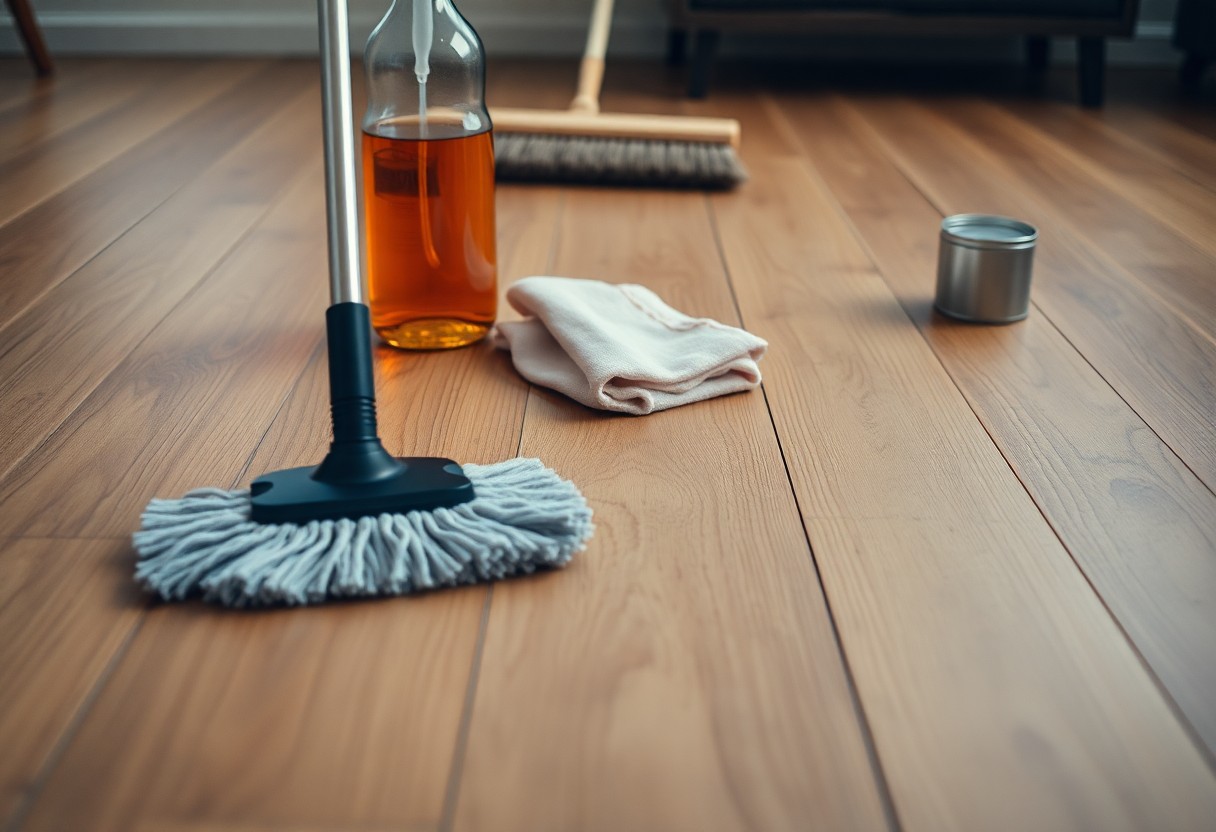
Beginner wood floor owners often underestimate how daily habits impact the longevity of their flooring. Simple actions like dragging furniture or neglecting moisture control can lead to premature wear. This guide walks you through identifying your floor type, establishing a practical cleaning routine, and applying protective measures that preserve beauty and function over time.
Identifying Common Wood Floor Types
Recognizing the type of wood flooring in your home determines how you clean, maintain, and refinish it over time. Most residential installations fall into two primary categories, each with distinct structural properties and maintenance needs.
- Solid hardwood
- Engineered wood
- Laminate (often mistaken for real wood)
- Bamboo (a grass, not a hardwood)
- Reclaimed wood (repurposed from older structures)
Assume that your refinishing and moisture tolerance limits depend heavily on the core material and layer thickness.
| Type | Key Feature |
| Solid Hardwood | Single piece of wood from top to bottom, typically ¾ inch thick |
| Engineered Wood | Multiple layers with a real wood veneer over a plywood core |
| Laminate | Photographic layer beneath wear-resistant coating, not real wood |
| Bamboo | Manufactured from compressed grass strands, varies in hardness |
| Reclaimed Wood | Salvaged from old barns or buildings, often wider and more character-rich |
Solid Hardwood Characteristics
Solid hardwood consists entirely of a single species, such as oak, maple, or walnut, milled into planks. It can be sanded and refinished multiple times, often lasting a century in low-traffic areas. Expect slight expansion and contraction with seasonal humidity shifts.
Engineered Wood Composition
Engineered wood features a thin top layer of real hardwood bonded over several cross-layered plywood strata. This design increases dimensional stability, making it suitable for basements or areas with fluctuating humidity. The wear layer thickness determines how many times it can be sanded.
Engineered wood flooring varies significantly based on the number of layers and the quality of the core. A high-end version may have nine plies and a 4 mm wear layer, allowing two or three refinishing cycles. A mid-sized SaaS firm with office hardwood flooring might choose this type for its balance of authenticity and resilience in mixed-use spaces.
Key Factors Influencing Wood Health
Environmental conditions and daily usage directly affect the stability and appearance of your wood floors. Maintaining consistent humidity levels, minimizing abrasive contact, and addressing spills promptly preserve structural integrity. The long-term resilience of your flooring depends on these manageable variables.
- Humidity and temperature fluctuations
- Foot traffic intensity and type
- Surface impact from furniture or dropped objects
- Exposure to direct sunlight
- Cleaning methods and product chemistry
The foundation of lasting wood floor health lies in anticipating and mitigating these common stressors.
Humidity and Temperature Control
Wood expands and contracts with moisture changes, making stable indoor climate important. Avoid placing floors near unsealed windows or HVAC vents that create microclimates. The ideal relative humidity range supports dimensional stability without encouraging cupping or gapping.
| Condition | Effect on Wood Floors |
|---|---|
| High Humidity | Causes planks to swell, leading to buckling or crowning |
| Low Humidity | Triggers shrinkage, resulting in visible gaps between boards |
| Rapid Temperature Shifts | Accelerates finish wear and may weaken adhesive bonds |
| Consistent Climate | Maintains flat, tight seams and prolongs refinishing intervals |
Foot Traffic and Surface Impact
Daily movement across your floors introduces abrasion from shoes, pet claws, and rolling furniture casters. High-traffic zones near entryways or hallways show wear faster than secluded areas. The frequency and force of contact determine how quickly surface finishes degrade over time.
Heavy furniture legs concentrate weight on small contact points, increasing the risk of dents, especially with softer species like pine or cherry. A mid-sized SaaS firm that converted its office to hardwood reported noticeable indentations within six months near meeting room chairs without felt pads. Rotating area rugs in hallways and using walk-off mats at entrances reduces grit accumulation and impact wear significantly.
Step-by-Step Routine Maintenance
| Daily | Use a microfiber dust mop or vacuum with a wood floor attachment to remove grit and particles. |
| Weekly | Damp mop with a slightly moistened microfiber pad and manufacturer-approved cleaner. |
| Monthly | Inspect for early signs of wear, especially near entryways and high-traffic zones. |
| Seasonally | Check humidity levels and adjust with a humidifier or dehumidifier as needed. |
Daily Dusting and Debris Removal
Walk across your floor in socks after dusting to test for lingering grit; if you feel particles, revisit the area with a dry microfiber mop. Sand and fine debris act like sandpaper over time, dulling the finish. A quick daily pass prevents cumulative abrasion, especially in entryways where outdoor soil accumulates.
Weekly Damp Mopping Techniques
Wring your mop until it’s barely damp-excess moisture warps wood and clouds finishes. Use a cleaner specified for your floor’s finish type, applying it to the mop pad rather than directly to the floor. Start in corners and work backward toward the exit to avoid stepping on wet areas.
One mid-sized SaaS firm with wide-plank oak floors reduced maintenance issues by switching to a spray-and-mop system with a no-rinse formula, cutting drying time and preventing streaks. Avoid string mops or soaking, which push water into seams and lead to cupping over time.
Essential Care Tips for Longevity
- Use doormats at entry points to reduce dirt and grit.
- Avoid walking with high heels or cleats indoors.
- Trim pet nails regularly to prevent surface damage.
- Maintain consistent humidity between 35% and 55%.
Recognizing that daily habits directly influence wear patterns ensures your floor remains structurally sound and visually appealing for decades.
Utilizing Protective Pads and Rugs
Attach felt pads beneath chair and table legs, replacing them every six months to prevent grit buildup. Place small rugs under rolling office chairs or in kitchen seating areas where movement is frequent. A mid-sized SaaS firm with a home-office setup reported noticeably less scratching after introducing these measures.
Immediate Spill Management Strategies
Blot liquid spills immediately with a dry microfiber cloth, avoiding circular motions that can spread moisture. Do not use steam mops or excessive water during cleanup, as prolonged dampness leads to warping. Hardwood surfaces in high-traffic kitchens require faster response times than those in bedrooms.
Immediate Spill Management Strategies demand consistent vigilance, especially in homes with children or pets. Water left standing for more than ten minutes can seep into seams, causing cupping or discoloration. Use a slightly damp cloth only if necessary, then follow with a dry pass. For sticky residues, a wood-safe cleaner applied sparingly to the cloth-not the floor-prevents over-saturation.
Pros and Cons of Protective Finishes
Choosing the right protective finish affects both the durability and appearance of your wood floors. Each option offers distinct advantages and drawbacks depending on your household’s activity level, aesthetic preferences, and maintenance willingness. The following table outlines key considerations to guide your decision.
| Finish Type | Pros and Cons |
| Oil-Based Polyurethane | Highly durable with a warm, amber tint; takes longer to dry and emits strong fumes during application. |
| Water-Based Polyurethane | Dries quickly and remains clear over time; slightly less durable than oil-based variants. |
| Wax | Enhances natural wood luster and allows for spot repairs; requires frequent reapplication and regular upkeep. |
| Penetrating Oil | Seals wood from within, resisting surface cracks; needs periodic re-oiling every few months. |
| Hardwax Oil | Combines oil penetration with a protective top layer; offers good scratch resistance with a matte finish. |
| Shellac | Easy to repair and eco-friendly; vulnerable to water and alcohol damage. |
| Lacquer | Fast-drying and factory-applied on many prefinished boards; not suitable for DIY recoating. |
| Aluminum Oxide | Extremely abrasion-resistant; commonly used in commercial settings but difficult to refinish. |
Oil-Based vs. Water-Based Polyurethane
You benefit from deeper wood enhancement with oil-based polyurethane, though its extended drying time and odor may disrupt household routines. Water-based alternatives dry faster and emit fewer fumes, making them ideal for occupied homes, even if they offer slightly less surface resilience over decades of use.
Wax and Penetrating Oil Benefits
You gain a more natural, low-gloss aesthetic when choosing wax or penetrating oil finishes, both of which blend seamlessly with traditional or rustic interiors. These materials condition the wood while allowing for targeted maintenance in high-traffic zones.
Wax finishes develop a rich patina over time and can be buffed to renew their sheen without full stripping. Penetrating oils like tung or linseed oil absorb deeply, reducing the likelihood of surface splitting in fluctuating humidity. A historic brownstone in Boston, for example, maintained its original wide-plank floors for over 80 years using only periodic wax applications, demonstrating the longevity possible with attentive care.
Addressing Minor Scratches and Wear
Surface-level scratches appear over time, especially in high-traffic areas. These do not penetrate the wood but dull its appearance. Address them promptly to prevent deeper damage and maintain the floor’s visual integrity.
Buffing and Recoating Basics
Buffing removes light scratches by smoothing the existing finish. A professional-grade buffer with a fine pad prepares the surface. Apply a new coat of polyurethane afterward to restore luster and protection without full sanding.
Natural Remedies for Surface Scuffs
For faint scuffs, a damp cloth with a drop of olive oil can blend minor marks. The oil conditions the surface, reducing visibility. This method works best on finished floors with a sealed surface layer.
Olive oil and vinegar mixtures have been used by a mid-sized SaaS firm’s office manager to address scuff marks near entryways. The solution temporarily masks discoloration but requires reapplication. Avoid overuse, as excess oil may attract dust or leave residue over time.
Conclusion
Consistent care preserves the beauty and structural integrity of your wood floors over time. You clean spills promptly, use felt pads under furniture, and maintain stable indoor humidity to prevent warping. Regular sweeping and the occasional refinishing keep the surface free of grit and lusterless patches. A mid-sized SaaS firm with a hardwood-floored office reported fewer maintenance calls after implementing a no-shoes policy. Your diligence today ensures the grain and finish remain intact for decades.