

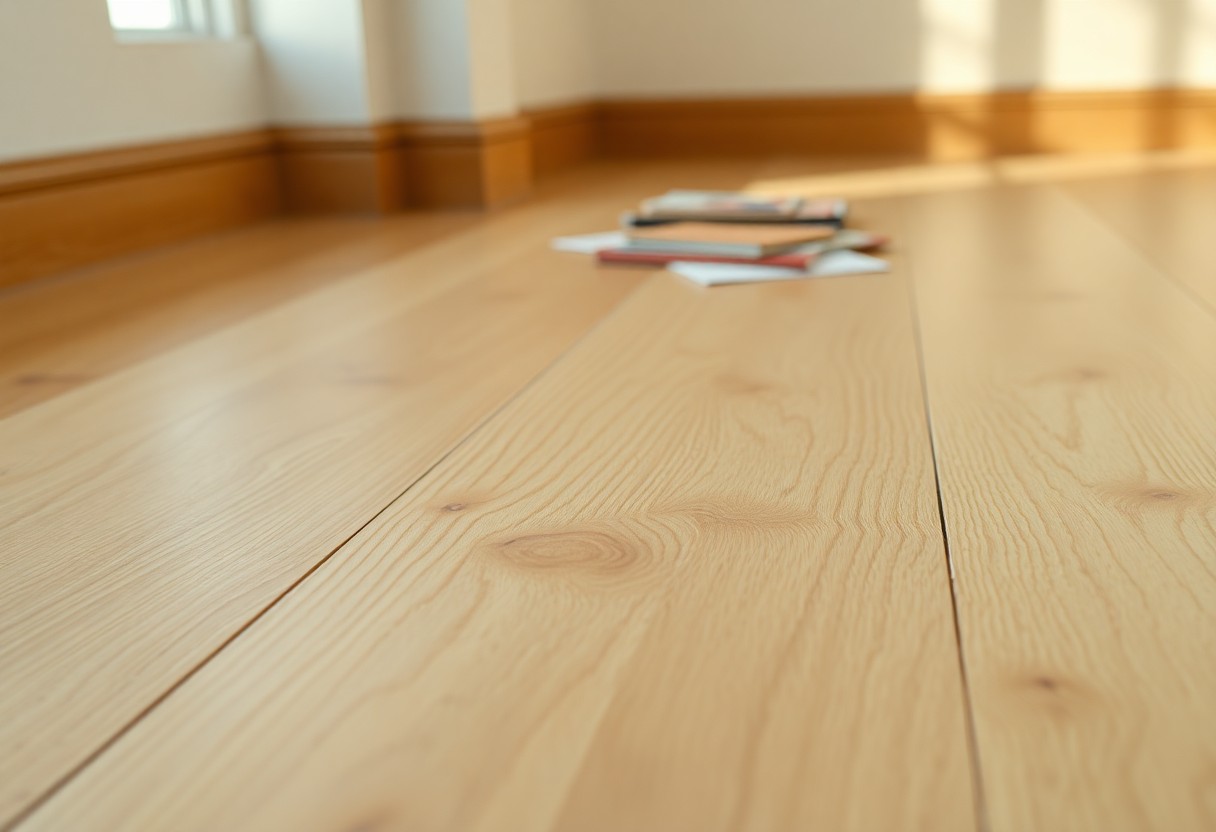
Flooring choices shape the foundation of a room’s character, and white oak stands among the most enduring hardwood options for discerning homeowners. You benefit from its tight grain patterns, natural durability, and adaptability across design styles, from farmhouse to modern minimalist. A mid-sized SaaS firm renovating its office space recently selected white oak for its ability to withstand heavy foot traffic while aging gracefully. This guide walks you through every decision point, from grain variation to finish sheen, ensuring your selection supports both aesthetics and long-term performance.
Evaluating the Pros and Cons of White Oak
Choosing white oak flooring means weighing its natural strengths against practical limitations. While it offers lasting beauty and resilience, certain environmental and cost factors may influence your decision. The table below outlines key considerations to help you assess whether this hardwood aligns with your project’s needs and long-term expectations.
| Pros | Cons |
| Highly durable with excellent resistance to wear | More expensive than many common hardwoods |
| Natural moisture resistance due to tight grain | Can be difficult to source in old-growth varieties |
| Stable wood, less prone to warping or shrinking | Requires professional installation for best results |
| Accepts stains and finishes evenly | Light color may show dust and pet hair more readily |
| Wide availability in both solid and engineered forms | Engineered versions may have thinner wear layers |
| Resists fungal decay better than red oak | Heavy foot traffic can still lead to surface scratches |
| Complements both traditional and modern interiors | Site-finished options require drying time and ventilation |
| Strong resale value in real estate markets | Larger planks may amplify subfloor imperfections |
| Sustainably harvested options widely available | Oil-based finishes may emit VOCs during curing |
| Long service life with proper maintenance | Refinishing requires sanding and labor costs |
Structural Integrity and Moisture Resistance
White oak’s interlocked grain and closed cellular structure make it naturally resistant to moisture and decay. You benefit from greater dimensional stability, especially in areas with seasonal humidity shifts. This hardwood outperforms many species when exposed to incidental water, making it a reliable choice for living rooms and hallways.
Aesthetic Versatility and Resale Value
Its pale, even base tone blends effortlessly with bold stains or natural matte finishes. You can match it to almost any décor style, from farmhouse to minimalist. Homes featuring white oak flooring often see stronger buyer interest during resale due to its timeless appeal and perceived quality.
Designers frequently select white oak for high-end renovations because it adapts to evolving trends without requiring replacement. A mid-sized SaaS firm’s downtown office renovation used wire-brushed white oak to create a warm, professional atmosphere that impressed clients and employees alike. Its neutral elegance supports layered textures and modern furnishings while maintaining a sense of grounded warmth that darker woods sometimes lack.
Understanding the Primary Types of White Oak Flooring
- Solid white oak planks
- Engineered white oak flooring
- Rift sawn grain pattern
- Quarter sawn stability
- Plain sawn affordability
Any choice you make should align with your space’s humidity levels, foot traffic, and long-term renovation plans, as each type performs best under specific conditions.
| Type | Key Characteristic |
| Solid White Oak | Full hardwood thickness, suitable for multiple refinishing |
| Engineered White Oak | Stable core with real wood veneer, ideal for basements |
| Rift Sawn | Straight grain with minimal expansion across seasons |
| Quarter Sawn | Pronounced ray fleck pattern, enhanced dimensional stability |
| Plain Sawn | Bold grain patterns, most common and cost-effective cut |
Solid vs. Engineered Wood Construction
Solid planks consist entirely of natural white oak, typically ¾ inch thick, allowing for sanding and refinishing up to eight times over decades. Engineered versions feature a real wood top layer bonded to a plywood or high-density fiberboard core, offering greater resistance to moisture. Any installation over concrete or in variable climates benefits from engineered construction.
Rift Sawn, Quarter Sawn, and Plain Sawn Milling
Each milling method alters grain appearance and board stability. Rift sawn wood is cut at a 30 to 60-degree angle, producing tight, straight lines and reduced shrinkage. Quarter sawn boards are sliced radially, revealing distinctive flecks and improved durability. Plain sawn, the most common method, yields cathedral-like grain patterns with efficient material use.
Quarter sawn white oak exposes the medullary rays, creating a shimmering effect under light that many designers seek for formal interiors. Rift sawn flooring, though more wasteful in production, minimizes warping by aligning the grain nearly perpendicular to the board’s face. Plain sawn boards, milled parallel to the log’s growth rings, offer warmth and character at a lower price point, making them a staple in traditional homes.
Critical Factors to Consider Before Purchasing
Assess your space’s foot traffic, moisture levels, and existing décor before selecting white oak flooring. Consider whether solid or engineered planks suit your subfloor and climate. Installation method, acclimation time, and subfloor preparation impact long-term performance. Any oversight in these areas may lead to warping, gapping, or adhesion failure down the line.
- Foot traffic intensity
- Humidity and moisture exposure
- Subfloor type and condition
- Installation method preference
- Acclimation requirements
- Budget for material and labor
Wood Grading and Grain Patterns
Grades like Select, Character, and Rustic define the amount of natural variation you’ll see in your floor. Select grade offers a cleaner, more uniform appearance with minimal knots and mineral streaks. Character and Rustic grades embrace knots, sapwood, and grain irregularities for a more organic, aged look. Your choice should align with the room’s intended aesthetic and tolerance for natural imperfections.
Plank Widths and Thickness Specifications
Standard plank widths range from 3 to 5 inches, with wider boards often used to create a more open, modern feel. Thickness typically varies between ¾ inch for solid planks and ½ inch for engineered options. Thicker planks offer greater durability and the ability to be sanded multiple times over decades of use.
Wider planks, such as 6-inch or custom widths, reduce the number of seams across a floor, enhancing the perception of space in larger rooms. Thinner engineered planks may be necessary for installations over radiant heating or concrete subfloors. Always confirm the manufacturer’s specifications for wear layer thickness in engineered products, as this determines refinishing potential. A mid-sized SaaS firm renovating its office common area chose 5-inch brushed white oak with a matte finish to balance professionalism and warmth.
Step-by-Step Installation Overview
Proper installation ensures lasting performance and aesthetic integrity. Follow these core phases to achieve professional results with your white oak flooring project.
| Phase | Description |
| Site Preparation | Ensure subfloor is clean, level, and dry before material arrival. |
| Acclimation | Allow planks to adjust to room humidity and temperature for 5-7 days. |
| Fastening | Choose nail-down, glue-down, or floating method based on subfloor and location. |
| Finishing | Install trim, clean surface, and apply final coat if choosing unfinished planks. |
Site Preparation and Material Acclimation
You must verify that the subfloor is structurally sound, flat within 3/16 inch over 10 feet, and at the correct moisture level. Deliver the white oak planks well in advance, spreading them across the room to acclimate evenly and reduce post-installation movement.
Fastening Methods: Nail, Glue, and Float
You have three primary fastening options depending on subfloor type and location. Nail-down works best over wood subfloors on or above grade, glue-down suits concrete slabs, and floating installations use a click-together system over underlayment, ideal for DIY projects.
Nailing secures each plank with cleats or staples at a 45-degree angle through the tongue, making it a durable choice for traditional installations. Glue-down methods require troweling adhesive directly onto the subfloor, offering stability in areas prone to moisture fluctuations. Floating floors lock planks together without attachment to the subfloor, allowing quicker installation and easier repairs if needed.
Essential Maintenance Tips for Longevity
Preserve your white oak floors with consistent care and proactive protection. Use felt pads under furniture legs, avoid high heels on bare planks, and trim pet nails regularly. Clean spills immediately and maintain stable indoor humidity. Assume that
- routine dust mopping prevents abrasive buildup
- area rugs at entryways reduce grit traffic
- sunlight exposure should be moderated with blinds or UV-filtering film
Daily Cleaning and Protective Measures
Clear debris with a soft microfiber mop or vacuum using a hardwood-safe attachment. Never use steam mops or wet cloths, as excess moisture warps joints. Place mats in high-traffic zones like kitchens and hallways to minimize wear. A mid-sized SaaS firm operating from a converted loft used entry runners and strict shoe policies to extend floor life by over a decade.
Long-term Refinishing and Surface Care
Reseal or refinish every 7 to 10 years depending on foot traffic and finish type. Light surface scratches often buff out with professional polishing. Assume that deeper gouges require sanding and recoating to restore integrity.
Over time, even well-maintained white oak accumulates wear that penetrates the finish layer. A full refinishing process removes 1/16 inch of wood, smoothing dents and restoring a uniform surface. Water-based polyurethane topcoats typically allow three to four refinishes over a floor’s lifetime, while oil-based versions may extend that by one or two cycles due to deeper wood penetration.
Color Profiles and Finishing Options
White oak accepts stains evenly, allowing for a broad spectrum of color profiles, from pale whitewash to deep espresso. The wood’s straight grain and subtle texture provide a consistent base for both natural and bold finishes. You can choose prefinished planks for convenience or site-finish for full customization. Lighter tones enhance airy spaces, while darker hues add warmth and contrast in traditional or modern settings.
Natural Stains and Bleaching Techniques
Bleaching white oak lightens the wood beyond its natural honey tone, creating a cooler, almost Scandinavian aesthetic. You might use water-based dyes to achieve soft gray or oatmeal shades without obscuring the grain. Natural stains like white or gray wash preserve the wood’s character while muting its undertones, ideal for minimalist or coastal interiors.
Oil-Based vs. Water-Based Polyurethane
Oil-based polyurethane develops a warm, amber hue over time, enhancing the richness of white oak. It’s highly durable and ideal for high-traffic areas but requires longer drying times and strong ventilation during application. Water-based polyurethane dries quickly and maintains the wood’s natural color, making it a preferred choice for modern, low-odor installations.
Oil-based finishes typically require 24 hours between coats and emit strong fumes due to higher volatile organic compounds. They yield a deeper sheen and are often favored in heritage homes where warmth matters. Water-based alternatives cure in about 4 to 6 hours, allowing faster reoccupation of the space. A mid-sized SaaS firm retrofitting a historic office space chose water-based poly for minimal downtime and a neutral finish that matched their brand palette.
Summing up
White oak flooring offers lasting beauty and resilience when selected with care, suited to homes where character and durability matter. You weigh grain patterns, finish types, and installation methods to match your space’s light and traffic. A mid-sized SaaS firm’s office renovation, for example, chose wire-brushed matte-finished white oak to endure footfall while maintaining a warm, professional tone. Your choice of finish impacts sheen and scratch resistance, with oil-based polyurethane offering deeper tone enhancement over water-based. Proper acclimation and subfloor preparation prevent post-installation gaps or warping. You maintain the floor’s luster with routine dust mopping and timely refinishing every 7 to 10 years, depending on wear. Choosing the right installer and understanding product grading ensures consistency in color and plank alignment. This attention to detail preserves the wood’s natural variation and structural integrity over decades.