

Just one scratch on a laminate floor can reveal its weakness, but SPC vinyl stands firm under daily wear. You’re likely considering this rigid core flooring for its reputation of durability and water resistance. It combines limestone, PVC, and stabilizers into a dense plank that resists dents and moisture better than many alternatives. You’ll want to know where it excels, where it falls short, and whether it’s the right fit for your space.

The Core of the Material
SPC flooring stands apart due to its dense, stable core, engineered to resist indentation and moisture far better than traditional vinyl. You experience less flex underfoot, which translates to a more realistic tile or stone feel. This rigidity also reduces the need for extensive underlayment in many installations.
Limestone and plastic
Limestone makes up a large portion of the SPC core, blended with polyvinyl chloride and stabilizers. You’re walking on a composite that’s both heavy and highly resistant to shrinking or expanding with temperature shifts. This blend is why the material remains dimensionally stable across seasons.
The rigid layers
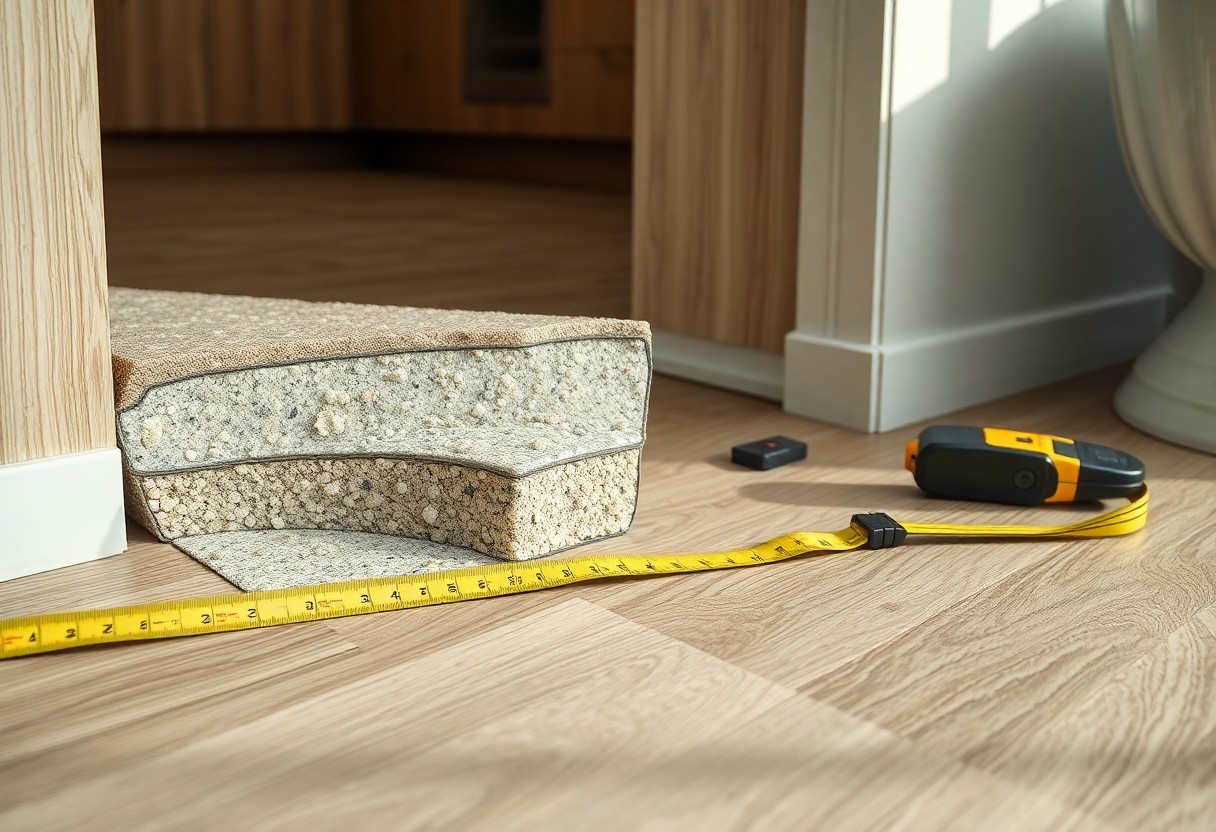
A typical SPC plank includes a wear layer, a printed design film, and the rigid core, often topped with a urethane coating. You benefit from layered protection that guards against scratches and stains in high-traffic areas. A mid-sized SaaS firm installed it in their office lobby with no degradation after 18 months of daily use.
Each rigid layer serves a distinct structural or aesthetic role, with the core providing stiffness and impact resistance. You’ll notice the difference when moving heavy furniture, as the plank resists dents that softer LVT might sustain. The layered construction also contributes to sound reduction, especially when paired with an appropriate underlayment.
The Good in the Plank
SPC vinyl flooring delivers exceptional stability in environments where temperature and humidity fluctuate. Its rigid core resists expansion and contraction, maintaining tight seams over time. You benefit from a flat, consistent surface that mimics natural materials without their vulnerabilities, making it a practical upgrade from traditional laminate or hardwood in high-traffic areas.
Water cannot break it
Water exposure poses no threat to SPC flooring’s structural integrity. Unlike wood or laminate, it won’t swell, warp, or delaminate when exposed to spills, leaks, or moisture-heavy rooms like bathrooms and laundry areas. You can clean with a damp mop without concern, knowing the core remains sealed and protected beneath the wear layer.
It stands against heavy boots
Foot traffic from work boots, pet claws, or dropped tools rarely leaves a mark on SPC flooring. Its dense composition resists dents and scratches better than softer flooring types. You’ll see minimal wear even in entryways or garages where abrasive debris is tracked in daily.
Dent resistance in SPC flooring stems from its limestone-based core, which provides exceptional compressive strength. A contractor’s steel-toed boots crossing a jobsite entry won’t compromise the surface, and moving heavy appliances during a kitchen remodel won’t leave indentations. This resilience makes it a preferred choice for commercial spaces and homes with active lifestyles.
The Hard Truths
SPC flooring delivers durability and water resistance, yet it isn’t suited for every space or preference. Its rigid composition transfers impact more directly than softer alternatives, making prolonged standing less comfortable, especially in kitchens or home workshops. You’ll also feel the temperature of the subfloor beneath, which can be a drawback in unheated areas.
It lacks soft comfort
Your feet and joints absorb more stress when standing on SPC vinyl over long periods. Unlike WPC or laminate with cushioned cores, the stone-plastic composite offers minimal give, making it less ideal for spaces like laundry rooms or craft areas where you stand for extended stretches.
The floor stays cold
Your bare feet will notice the cool surface in the morning, especially over concrete slabs or in basements without radiant heating. Unlike wood or carpet, SPC does not insulate well, so the floor reflects the ambient temperature of the room.
Concrete subfloors in garages or ground-level rooms often remain below room temperature year-round, and SPC flooring laid directly over them will feel cool to the touch even in summer. You may want to install an underlayment with thermal resistance or pair the floor with area rugs in personal spaces like bedrooms or reading nooks.
Where the Floor Belongs
SPC vinyl flooring fits where stability and moisture resistance matter most. Its rigid core handles temperature shifts and humidity better than many alternatives, making it a practical choice for spaces prone to spills or foot traffic. Install it where performance must meet appearance without compromise.
Kitchens and baths
Water regularly meets surfaces in these rooms, yet SPC vinyl holds firm. Its impermeable wear layer resists standing moisture, and the tight seams limit seepage. You won’t face warping or swelling, even during frequent cleaning or minor leaks.
Shops and busy rooms
Traffic intensity tests flooring endurance, and SPC vinyl proves resilient under constant use. You’ll find it suitable for home gyms, playrooms, or utility spaces where drops, scuffs, and movement are routine.
A mid-sized SaaS firm converted its server room into a multipurpose training space using SPC vinyl, enduring rolling chair tracks, equipment shifts, and daily wipe-downs without visible wear after eighteen months. The material’s dent resistance and low maintenance made it ideal for such dynamic environments.
Putting the Planks Down
Installation begins with a clean, level subfloor, free of debris and moisture issues. SPC vinyl planks lock together without glue, making them ideal for DIY projects. You can lay them over concrete, plywood, or existing tile, provided the surface is sound. Acclimate the planks in the room for 48 hours before installation to prevent expansion gaps.
The simple click system
Each plank features a precision-milled edge that clicks securely into place with light pressure. No special tools are needed, though a tapping block and pull bar help align edges without damage. The interlocking mechanism holds tight, minimizing movement underfoot and reducing noise in multi-story buildings.
Keeping the surface clean
Sweep regularly with a soft-bristle broom or use a dry microfiber mop to remove dust and grit. For spills or sticky spots, wipe with a damp cloth and a mild cleaner formulated for vinyl. Avoid abrasive pads or ammonia-based solutions that can dull the finish over time.
A mid-sized SaaS firm operating out of a converted warehouse space chose SPC vinyl for its open-concept office, citing low maintenance as a deciding factor. Employees track in minimal dirt from the adjacent parking lot, yet weekly damp mopping with a pH-neutral solution keeps the floor looking new. The wear layer has resisted scuffing from rolling office chairs, even near high-traffic collaboration zones.
The Price of the Build
Material cost shapes your budget early, but installation and subfloor prep determine final expenses. SPC vinyl sits between luxury vinyl and ceramic in price, offering rigidity without the labor demands of tile. You weigh upfront figures against long-term performance when comparing options for high-traffic areas.
What a man pays
A mid-sized SaaS firm renovating its office space paid $3.80 per square foot for SPC planks, including underlayment. Labor added $1.20 per square foot, with an extra $0.50 for self-leveling compound on uneven concrete. Your total outlay depends on regional rates and whether you hire professionals or DIY.
Value over the years
Resale appeal grows when buyers see scratch-resistant floors that look like hardwood but won’t swell in a basement. You avoid refinishing costs, and insurance claims related to water damage stay low. The floor maintains appearance through a decade of use in rental units with minimal upkeep.
Landlords in Seattle report 18% fewer tenant complaints about flooring issues after switching to SPC in multifamily properties. You retain tenants longer when surfaces withstand pet claws and dropped cookware without visible wear. Replacement intervals stretch past 15 years in controlled environments, outlasting traditional vinyl by half again its lifespan.
Final words
SPC vinyl flooring gives you exceptional durability and water resistance, making it a reliable choice for kitchens, bathrooms, and high-traffic areas. While it may lack the warmth of hardwood and can feel firm underfoot, its stability and low maintenance meet the demands of modern living. A mid-sized SaaS firm retrofitting its office space reported fewer repairs after switching to SPC, underscoring its practicality in both residential and commercial settings.