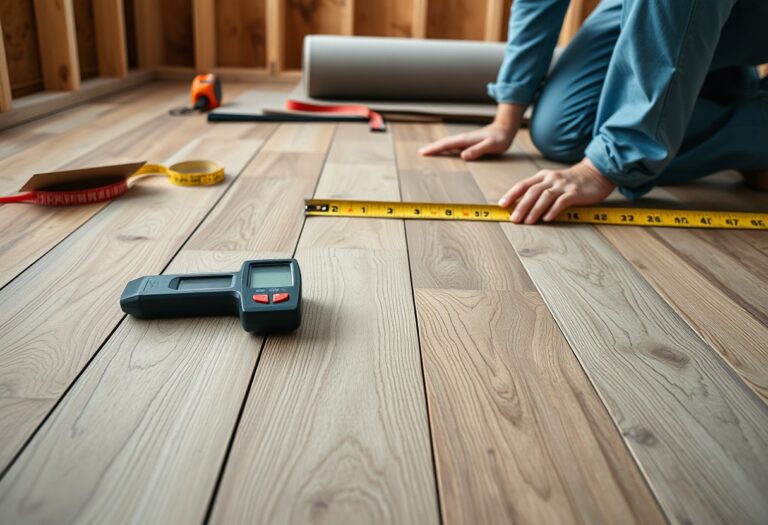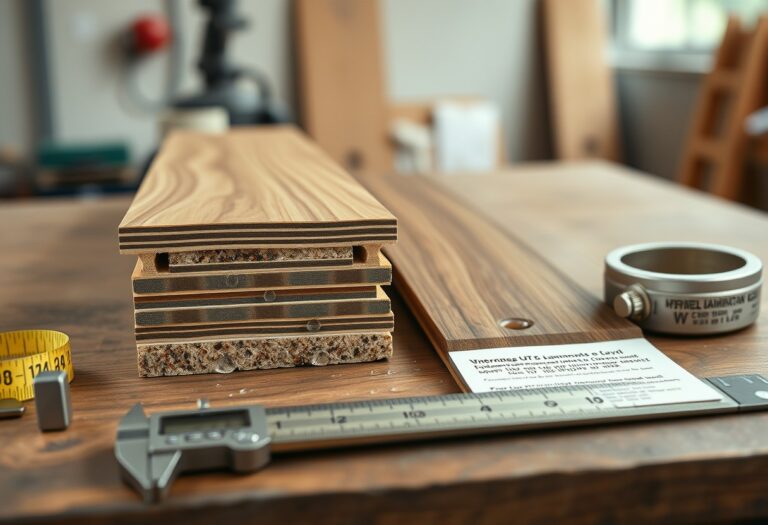

Scratches and faded color are often cosmetic, but soft spots, lifting boards, persistent odors, or cracked tiles can signal damage beneath the surface. Your flooring’s material, age, and exposure to moisture all affect how long it performs. A swollen hardwood plank near a dishwasher, for instance, points to water damage that surface cleaning cannot fix.
Signs Your Flooring Needs Replacement
Visible deterioration, lingering smells, and changes underfoot can signal that your floor is no longer performing as it should. Look for damage that returns after cleaning or minor repairs, odors that persist after the room has aired out, and surfaces that feel unstable during ordinary use. A single mark may be cosmetic, but several signs across a room, such as spreading discoloration and soft spots near a doorway, point to a broader flooring problem.
Cracks, warping, stains, and worn finishes
Inspect the floor in daylight for cracks that widen, boards that curl at the edges, stains that remain after cleaning, and finishes worn through to bare material. These changes can expose the surface to further damage and make routine care less effective. A deep crack across a walking path or a broad patch of warped flooring deserves more attention than a small scuff beneath a chair. Note whether the damage is spreading beyond its original area.
Loose boards, uneven surfaces, and tripping hazards
Loose planks that shift, raised edges between floor sections, and dips that catch your foot are safety concerns, especially along hallways and stair landings. A floor that flexes under normal weight can also indicate a weakened surface or an unstable base. Pay attention to recurring movement after a board has been secured, and check whether thresholds sit flush with adjoining rooms. A curled edge near a doorway can catch a shoe or walker.
Persistent odors and moisture damage
Musty or sour odors that remain after you clean the room often point to moisture trapped beneath the flooring, particularly near sinks, laundry appliances, exterior doors, or basement walls. Darkened seams, swollen edges, and soft areas provide visible clues that water has reached the floor assembly. If the smell returns soon after ventilation or cleaning, the source may be below the surface rather than on it. Persistent dampness can also affect nearby baseboards and subflooring.
- Photograph damage from the same angle to track visible changes.
- Mark the edges of a stain with painter’s tape and note its shape.
- Keep furniture clear of soft or unstable areas.
How Different Flooring Materials Wear Out
Wear patterns depend on how each floor’s surface and structure respond to foot traffic, moisture, sunlight, and cleaning. Hardwood often shows scratches and finish loss, while carpet compresses and traps soil in busy paths. Tile can retain its surface but develop cracked pieces or deteriorating grout; resilient flooring may show scuffs, fading, or lifting seams. These material-specific changes give you concrete clues about where aging is occurring, from the finish layer to the floor beneath it.
Hardwood and engineered wood
Scratches, dull patches, and worn finish commonly appear first in hardwood hallways, kitchens, and beneath dining chairs. Solid boards can sometimes be sanded and refinished, but deep gouges, cupping, or boards softened by moisture point to damage beyond the surface. Engineered wood has a thinner real-wood wear layer, so repeated sanding is limited by its construction. Watch for separating seams and veneer wear, especially near exterior doors where tracked-in grit abrades the finish.
Carpet and rugs
Traffic lanes reveal carpet wear through flattened pile, matting, and color changes that remain after vacuuming. In bedrooms and living rooms, you may also notice frayed edges, loose seams, or backing that has become brittle. Persistent odors can indicate soil or moisture retained in the carpet pad, even when the surface looks clean. Rugs develop similar pile wear in frequently crossed areas, while exposed floor around their edges may fade differently under sunlight.
Tile, laminate, and vinyl
Tile usually wears through cracked or loose pieces, chipped edges, and grout that crumbles or darkens as moisture and dirt collect. Laminate shows scratches, swollen edges, or bubbling where water has reached its fiberboard core; its printed surface cannot be refinished like wood. Vinyl and other resilient flooring often develop scuffs, fading, tears, or seams that curl away from the subfloor. In a bathroom, lifting vinyl beside a tub can expose a specific moisture entry point.
| Flooring material | Common wear signs | Where damage often appears |
|---|---|---|
| Hardwood and engineered wood | Scratches, dull finish, cupping, separating seams | Hallways, kitchens, exterior doors |
| Carpet and rugs | Flattened pile, frayed edges, persistent odors | Traffic lanes, rug edges, busy rooms |
| Tile | Cracks, loose pieces, crumbling grout | Wet rooms and frequently used paths |
| Laminate and vinyl | Swelling, bubbling, tears, curling seams | Spill areas, bathrooms, seams near fixtures |
When Repair Is Enough-and When Replacement Makes Sense
Damage is easier to judge by its boundaries, how often it returns, and whether the material beneath the finish remains sound. A single chipped tile or a short scratch in one plank often calls for a targeted repair, while repeated failures across adjoining rooms point to a broader problem. Look for patterns such as recurring gaps, swelling, or loose boards, and note whether they appear near the same doorway, appliance, or exterior wall.
Localized damage versus widespread deterioration
One isolated defect is usually repairable when surrounding flooring remains firm, flat, and consistent in color. A flooring professional can replace a cracked tile, patch a small carpet burn, or fit a matching hardwood board without disturbing the rest of the room. Damage that repeats across several areas, however, often signals wear beyond the surface. If laminate edges are lifting across a room or hardwood boards are splitting in multiple locations, replacement becomes more practical than repeated patching.
Structural, subfloor, and moisture problems
Soft spots, persistent floor movement, and boards that rise or buckle can indicate a failing subfloor rather than a worn finish. Moisture damage deserves particular attention around dishwashers, toilets, exterior doors, and basement walls. A contractor can lift a section of flooring and inspect the plywood or concrete below; replacing the visible plank without correcting a leak or damp subfloor leaves the cause in place. Black staining, a musty odor, or crumbling plywood warrants investigation before repairs proceed.
Repair costs compared with replacement costs
Repair is often economical when the damaged area is small and the replacement material is available. Costs rise when a repair requires removing multiple rows to reach a damaged plank, matching discontinued flooring, or refinishing a larger hardwood area to blend the color. Add the price of fixing any subfloor or moisture source before weighing the options. If separate repairs keep recurring in the same room, their combined labor and materials can approach the cost of replacing that floor.
- Keep spare planks or tiles from the original installation.
- Photograph damage before moving furniture or appliances.
- Record leak locations and dates of prior repairs.
Choosing Flooring for Your Home
Flooring works best when its material suits the rooms you use most, the care you are prepared to provide, and the feel you want underfoot. Vinyl, tile, hardwood, laminate, and carpet differ in scratch resistance, water tolerance, cleaning needs, and comfort. Match those qualities to daily routines rather than choosing by appearance alone; a busy entryway and a quiet bedroom place very different demands on a floor.
Household traffic, pets, and children
Busy hallways, playrooms, and homes with dogs benefit from surfaces that resist scratches and clean up easily. Luxury vinyl plank and porcelain tile handle frequent foot traffic with less concern about scuffs, while textured finishes can improve traction for children and older adults. Carpet offers a softer landing in bedrooms, but pet hair and tracked-in grit require regular vacuuming. Hardwood can suit active households if you accept visible wear and use rugs near entrances.
Moisture exposure and room function
Kitchens, bathrooms, laundry rooms, and basements need flooring suited to spills, splashes, or damp conditions. Porcelain tile and waterproof vinyl are practical choices for areas where standing water is a concern, while solid hardwood can swell when exposed to moisture. In bedrooms and living rooms, where wetness is less common, carpet or wood may better match your comfort preferences. Check the product’s water-resistance rating, especially for basement installations.
Budget, lifespan, and maintenance
Purchase price is only part of the cost: cleaning products, refinishing, and replacement also shape a floor’s long-term value. Vinyl and laminate generally need routine sweeping and damp mopping, while hardwood may require refinishing as its surface wears. Tile is durable but grout needs periodic cleaning, and carpet often calls for professional deep cleaning. Match the upkeep to your available time, such as choosing sealed tile if you want to limit grout maintenance.
| Material | Suitable conditions | Typical care |
|---|---|---|
| Luxury vinyl | Busy rooms and moisture-prone areas | Sweep and damp mop |
| Porcelain tile | Kitchens, bathrooms, and entryways | Clean tile and grout |
| Hardwood | Living rooms and bedrooms | Protect from moisture; refinish as needed |
| Carpet | Bedrooms and other comfort-focused spaces | Vacuum regularly; deep clean periodically |
How Often to Replace Flooring
Flooring does not follow a fixed replacement calendar: its useful life depends on the material, installation quality, and the conditions in each room. Use typical lifespan ranges as a planning baseline, then adjust them for moisture, foot traffic, pets, and maintenance. A floor in a rarely used bedroom can remain serviceable far longer than the same material in a busy kitchen, while an undetected leak can shorten either timeline.
Typical lifespan by flooring type
Carpet commonly lasts about 5 to 15 years, while vinyl flooring often serves for 10 to 25 years, depending on product quality and wear. Laminate generally lasts around 10 to 25 years, and engineered wood often reaches 20 to 30 years. Solid hardwood can last for decades, particularly when its wear layer permits refinishing. Ceramic or porcelain tile may remain serviceable for 50 years or more, though grout and installation can need attention sooner.
Factors that shorten or extend flooring life
Room conditions can shift those estimates substantially. Direct sunlight fades some finishes, standing water damages wood-based products, and grit tracked through an entryway abrades surface coatings. A sound subfloor, suitable underlayment, and correct installation support longer service, while loose seams or poor acclimation can lead to early failure. Routine vacuuming, prompt spill cleanup, entry mats, and furniture pads reduce preventable wear, especially in homes with large dogs or frequent visitors.
Signs that a floor has reached the end of its service life
Replacement is usually warranted when damage is widespread, recurring, or affects the floor’s stability. Look for carpet backing that shows through, vinyl with multiple splits, laminate boards swollen at their edges, or hardwood worn through to bare wood across high-traffic paths. Tile that rocks, cracked grout that repeatedly opens, persistent odors after cleaning, and a soft or uneven feel underfoot can point to problems beyond a surface repair. A damaged subfloor calls for prompt investigation.
- Keep the flooring manufacturer’s care instructions with your home records.
- Photograph existing floor damage before moving furniture.
- Record the room and date when leaks or spills occur.
Planning a Flooring Replacement
Good planning gives you more control over the disruption and cost of new flooring. Set a budget that covers materials, labor, floor preparation, and disposal, then schedule the work around household routines and product lead times. Before installation, confirm which rooms are included, clear access to the work area, and decide where furniture and pets will stay. A written plan gives you clear dates and responsibilities, from delivery through the final walkthrough.
Estimating costs and setting a budget
Start your estimate with measured room dimensions and the flooring material you have selected. Ask suppliers or installers to separate material, labor, subfloor preparation, trim, transitions, and old-floor removal in their quotes. Include a contingency for concealed damage, such as soft plywood beneath worn carpet, without treating it as guaranteed work. Your budget should also account for furniture moving and temporary accommodation if the project makes key rooms unusable.
Selecting an installer and confirming the scope
Request written quotes from qualified flooring installers and verify that each quote describes the same rooms, materials, and preparation tasks. Confirm who will remove existing flooring, repair the subfloor, move appliances, and dispose of debris. Ask how the crew handles moisture testing and acclimation, particularly for solid hardwood, which responds to indoor humidity. Before work begins, make sure the contract identifies the product, installation pattern, transitions, payment schedule, and cleanup responsibilities.
Preparing rooms and arranging installation
Clear small items, artwork, and breakables from rooms before the crew arrives, and agree in advance on who will move large furniture. Keep a clear route from the entrance to each work area, including space for flooring cartons and cutting equipment. Arrange care for pets and plan meals or bathroom access if the kitchen or hallway will be closed. Confirm delivery and installation dates, then protect nearby surfaces from dust with suitable barriers.
| Planning step | What to confirm | Specific details |
|---|---|---|
| Budget | Full project costs | Materials, labor, removal, preparation, trim |
| Installer scope | Written responsibilities | Subfloor work, appliance moving, disposal |
| Room preparation | Access and household arrangements | Furniture, pets, delivery route, dust barriers |
Final Words
Replace your flooring when damage, persistent moisture, loose boards, or worn surfaces affect safety, cleanliness, or everyday use. Surface scratches and isolated defects often respond to repair, while widespread warping, soft subfloors, or recurring water damage point to a larger problem. Your choice of material and the room’s traffic, humidity, and maintenance needs also shape replacement timing. A sound assessment of the flooring and subfloor gives you a practical basis for planning the work and choosing a suitable replacement.