

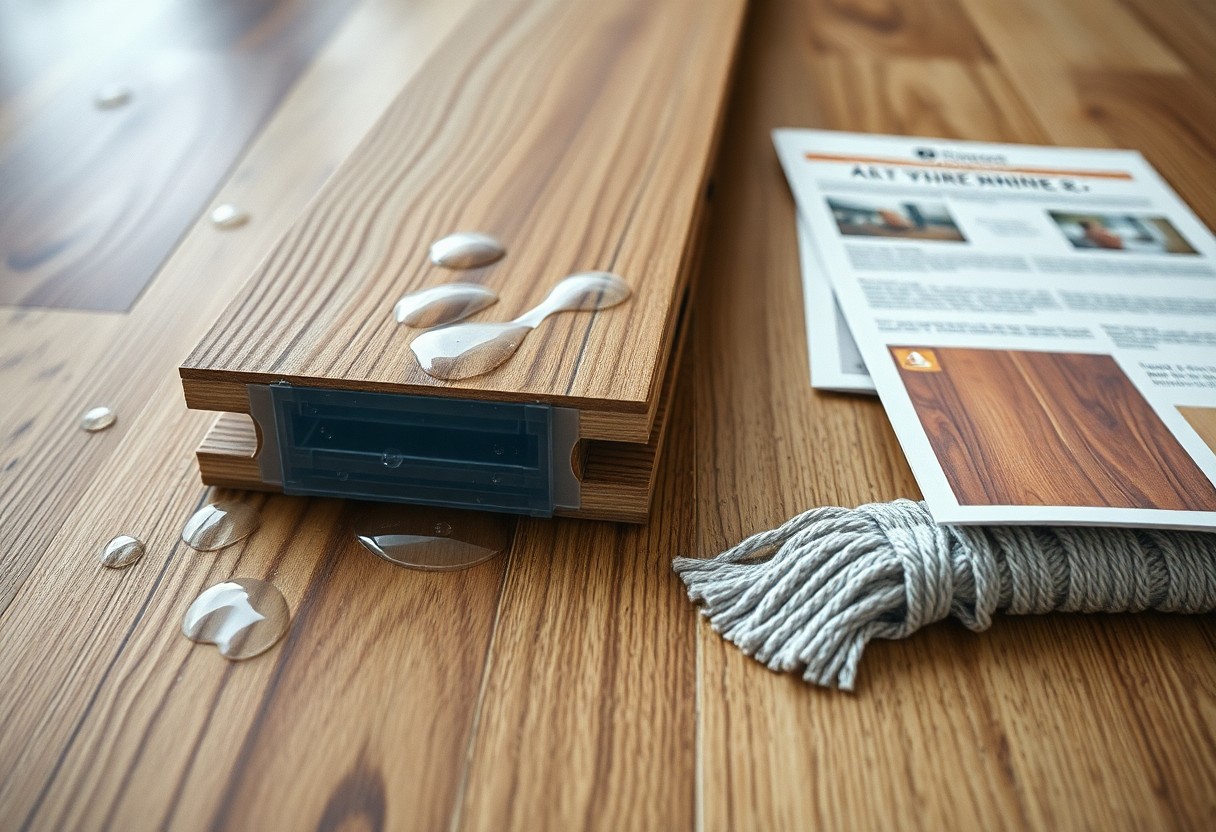
You step into a kitchen after a spill, or a basement after heavy rain, and most laminate floors would be compromised within hours. Waterproof laminate changes that expectation, offering resilience where traditional options fail. This guide walks you through what sets it apart, where it performs best, and how to maintain it for lasting performance in real-world conditions.
Exploring the Primary Types of Waterproof Laminate
Two dominant core constructions define modern waterproof laminate: WPC and SPC. Each integrates vinyl and stabilizing materials to resist moisture while offering distinct performance traits. Assume that
- WPC uses a wood-plastic composite core with a cushioned feel
- SPC features a rigid stone-plastic composite for dimensional stability
- Both resist swelling in humid areas like kitchens and basements
- WPC tends to be quieter underfoot; SPC handles heavy loads better
- Installation methods vary, with click-lock systems prevailing
| Core Material | WPC or SPC blend |
| Water Resistance | Full waterproof (submersion safe) |
| Installation Type | Click-together floating floor |
| Floor Compatibility | Concrete, wood, vinyl substrates |
| Common Thickness Range | 5mm to 8mm |
Wood Plastic Composite (WPC) Construction
You experience a softer, more resilient step with WPC flooring due to its blend of powdered wood and vinyl. This composition absorbs sound better than rigid alternatives, making it suitable for living areas and upper-level rooms. Its slight flexibility helps bridge minor subfloor imperfections without compromising structural integrity.
Stone Plastic Composite (SPC) Engineering
You encounter exceptional density and stability with SPC, which combines limestone powder, PVC, and stabilizers into a rigid core. It resists indentation from heavy furniture and maintains flatness across large expanses. Ideal for commercial settings or ground-floor installations where temperature shifts occur.
You find SPC particularly effective in environments where precision alignment matters, such as open-concept spaces with uninterrupted sightlines. Its low thermal expansion minimizes gapping between planks over time. A mid-sized SaaS firm replaced its office carpet with SPC and reported fewer maintenance calls related to edge curling or seam separation after one year of use.
Pros and Cons of Waterproof Flooring Systems
Waterproof flooring systems offer practical advantages for modern homes and commercial spaces, particularly in moisture-prone areas. While they deliver long-term performance, understanding their limitations ensures a well-informed decision that aligns with your space’s functional needs and budget.
| Pros | Cons |
| Resists water damage for extended periods | Higher initial cost than standard laminate |
| Minimal swelling or warping when exposed to moisture | Not all products are fully submersible |
| Compatible with underfloor heating systems | Some brands use adhesives that complicate repairs |
| Easy to clean with damp mopping | Limited availability in certain regions |
| Wide range of realistic wood and stone visuals | Surface wear can expose core layers over time |
| Installation often uses click-lock systems | Requires precise subfloor preparation |
| Lower maintenance than hardwood | Sound insulation may require additional underlayment |
| Suitable for basements and bathrooms | Not all warranties cover full submersion |
| Resists mold and mildew growth | Heavy furniture may leave permanent indentations |
| Longer lifespan than traditional laminate | Recycling options are limited at end of life |
Enhanced Durability and Moisture Resistance
Your flooring withstands spills, humidity, and occasional flooding without swelling or delaminating. Core boards made with compressed wood fiber and wax barriers repel water, maintaining structural integrity in damp environments like laundry rooms or ground-floor living areas.
Cost Considerations and Subfloor Requirements
Installation costs vary based on product grade and subfloor condition, with premium options offering better water resistance. You must ensure the subfloor is level, clean, and dry, as uneven concrete or plywood can compromise the lock system and lead to gaps or lifting over time.
Higher-end waterproof laminate often includes attached underlayment, reducing labor and material expenses during installation. You may still need a moisture barrier on concrete subfloors, especially below grade, to prevent vapor transmission that could affect long-term performance. A mid-sized SaaS firm retrofitting its office kitchen and break room, for example, chose a premium floating system to minimize downtime and avoid subfloor replacement.
Critical Factors for Selecting the Right Product
Matching your lifestyle and space demands to the right waterproof laminate ensures long-term satisfaction. Consider foot traffic intensity, subfloor type, underlayment compatibility, and room dimensions. Knowing how these variables interact helps prevent premature wear or installation complications.
- AC rating appropriate for the room’s use
- Thickness between 6mm and 12mm for stability
- Compatibility with radiant heating systems
- Locking mechanism strength and ease of installation
- Manufacturer’s warranty coverage and exclusions
Understanding AC Ratings and Wear Layers
AC ratings, established by the North American Laminate Flooring Association, classify durability from AC1 to AC5. Residential spaces typically require AC3, while high-traffic areas like offices or hallways benefit from AC4 or AC5. A thicker wear layer, usually measured in mils, directly supports the rating by resisting scratches and fading over time.
Aesthetic Finishes and Texture Realism
Surface embossing and print technology now replicate the grain of oak, the cool touch of stone, or the knots in reclaimed wood with startling accuracy. High-definition imaging aligns precisely with texture patterns, creating a cohesive visual and tactile experience underfoot.
Modern waterproof laminate uses synchronized thermal embossing to match the printed image with physical grooves and ridges, enhancing depth and realism. A plank with a hand-scraped oak finish will have corresponding micro-grooves that follow the wood grain, making it nearly indistinguishable from real hardwood in casual observation. These refinements matter most in bright, open spaces where flooring is continuously visible.
Step-by-Step Guide to Professional Installation
| Preparation | Inspect subfloor, allow planks to acclimate, gather tools including pull bar and tapping block. |
| Laying Pattern | Begin along longest wall, stagger end joints by at least 8 inches for structural integrity. |
| Installation Method | Use the floating method with interlocking planks; avoid gluing to allow natural expansion. |
| Finishing | Install baseboards or quarter-round to conceal expansion gaps around perimeter. |
Subfloor Preparation and Acclimation
Ensure your subfloor is clean, dry, and level within 3/16 inch over 10 feet before laying planks. Open laminate packaging and let boards acclimate in the room for at least 48 hours, adjusting moisture content to match the environment and reducing post-installation gaps.
Precision Locking and Perimeter Sealing
Angle each plank into place at a 20-degree tilt, pressing down firmly to engage the locking system. Leave a 1/4-inch expansion gap around walls and fixed structures, then seal edges with manufacturer-recommended tape or caulk to block moisture infiltration.
Proper alignment during locking prevents gaps and edge lifting over time. A mid-sized SaaS firm retrofitting its kitchen breakroom observed no joint separation after 18 months by using a silicone-based perimeter sealant compatible with their core polymer laminate. Consistent plank engagement ensures long-term stability in high-traffic zones.
Strategic Uses in High-Moisture Environments
Waterproof laminate performs reliably where humidity and spills are routine, making it a practical upgrade over traditional flooring in damp settings. Its engineered core resists swelling and warping, allowing long-term stability in areas once reserved for tile or vinyl.
Bathroom and Laundry Room Applications
Bathrooms and laundry rooms expose floors to frequent water contact, from shower splashes to overflowing washing machines. You benefit from waterproof laminate’s ability to withstand standing water near baseboards and under appliances, especially when seams are properly sealed during installation.
Kitchen and Entryway Solutions
Kitchens demand flooring that handles dropped liquids, while entryways collect rain, snow, and tracked-in moisture. You gain peace of mind knowing spills can be wiped up without immediate damage, and the surface maintains integrity under rolling kitchen carts or heavy foot traffic.
Spills from boiling pots or wet boots melting in winter are common in these zones, and waterproof laminate stands up to repeated exposure when maintained correctly. A mid-sized SaaS firm retrofitting its office kitchen and lobby areas reported no edge swelling after 18 months of use, even during seasonal weather extremes, provided the perimeter joints were caulked and routine cleaning followed manufacturer guidelines.
Essential Care and Maintenance Tips
Protecting your waterproof laminate ensures lasting performance and appearance. Use a soft broom or dry microfiber mop daily to remove debris. When spills occur, wipe them promptly with a slightly damp cloth. Avoid abrasive tools or excessive water during cleaning. Perceiving small habits as protective measures helps sustain the floor’s integrity over time.
- Clean spills immediately with a soft, damp cloth
- Dust regularly using a microfiber mop or dry cloth
- Avoid steam mops and standing water
- Use felt pads under furniture legs
- Place doormats at entryways to reduce tracked-in grit
Safe Cleaning Agents and Daily Protocols
Avoid harsh chemicals like ammonia or bleach, which can degrade the laminate’s finish over time. A pH-neutral cleaner diluted in water works effectively for routine maintenance. Spray the solution onto the cloth, not the floor, to prevent moisture buildup at seams. Wipe in the direction of the grain to preserve texture clarity.
Long-term Protection and Surface Longevity
Maintaining consistent indoor humidity levels between 30% and 50% prevents edge swelling and gapping. Trim pet nails regularly and avoid rolling heavy furniture without protective boards. These small precautions compound into years of preserved visual and structural quality.
One mid-sized SaaS firm replaced its office flooring with waterproof laminate and, after three years of daily use, reported no visible wear near entryways or kitchenettes. Their maintenance team attributes this to scheduled cleaning rotations and immediate spill response. Surface longevity is less about the product alone and more about consistent, informed care practices applied over time.
Summing up
You now have a clear understanding of how waterproof laminate performs across different environments, from installation in basement kitchens to long-term resilience in humid climates. Real-world applications show consistent durability when paired with proper underlayment and maintenance routines. A mid-sized SaaS firm retrofitting its office kitchen area reported no edge warping after two years of daily use. Your ability to select, install, and maintain this flooring ensures lasting performance grounded in practical, proven methods.