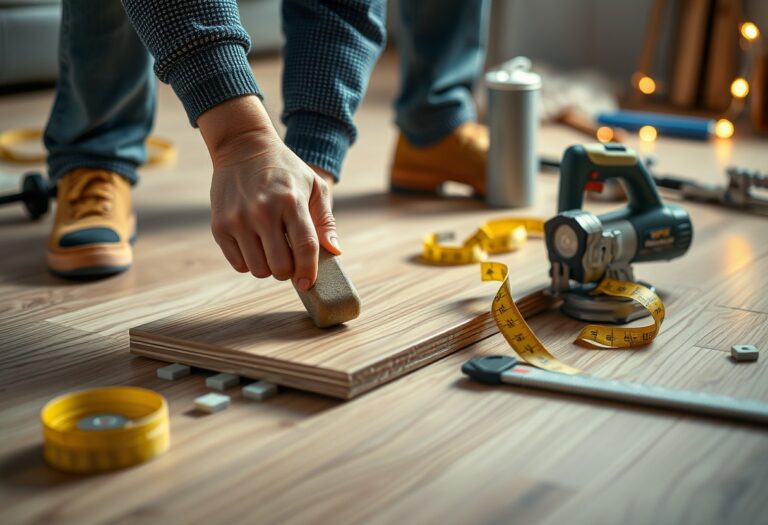

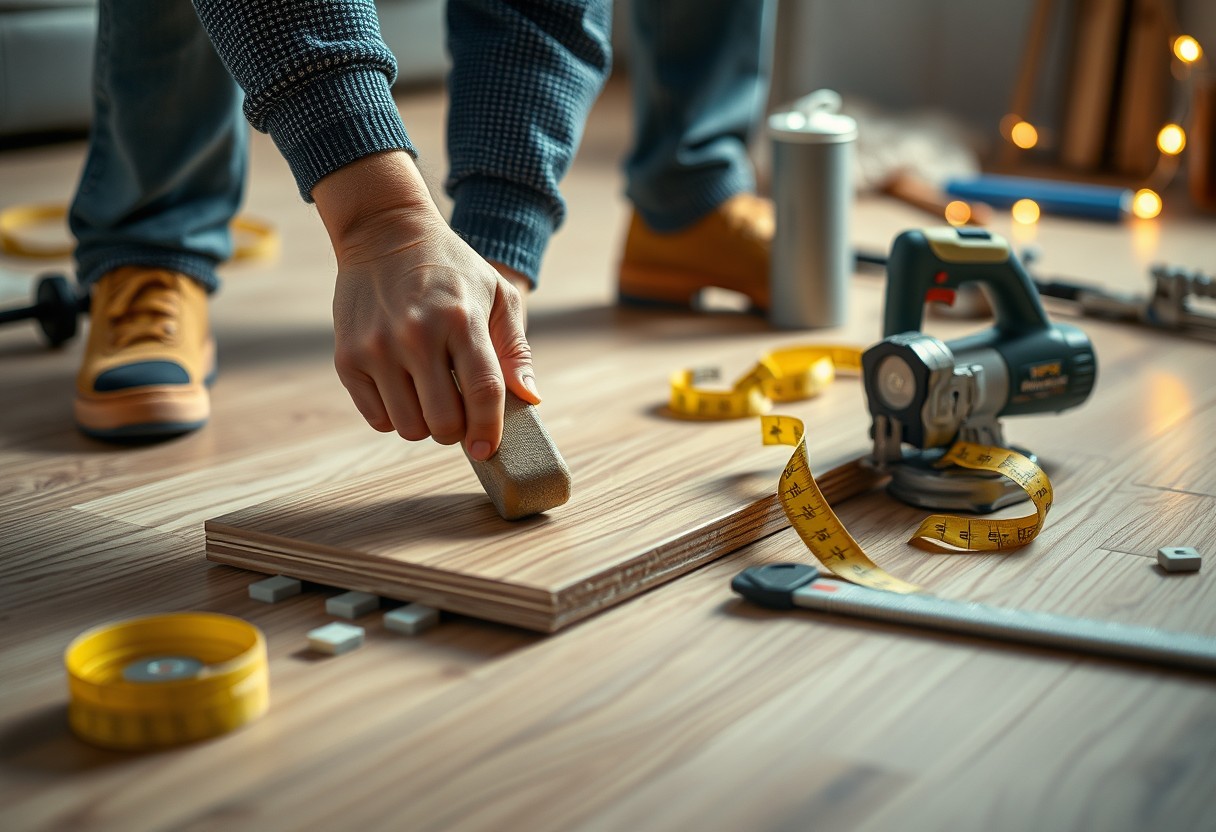
Pre-Installation Preparation
Proper preparation ensures a smooth, lasting SPC vinyl floor installation. Begin by reviewing manufacturer guidelines and gathering necessary tools and underlayment. Clear the room completely and evaluate the subfloor’s condition, as even minor imperfections can affect performance. Assume that skipping these early steps increases the risk of visible seams, lifting edges, or uneven wear over time.
Subfloor Readiness and Moisture Testing
A clean, flat, and dry subfloor is non-negotiable for SPC flooring. Sweep thoroughly and repair any cracks or height variations exceeding 3/16 inch over a 10-foot span. Conduct a moisture test, especially over concrete, using a calcium chloride kit or moisture meter. Assume that excessive moisture can lead to mold growth, adhesive failure, or plank warping within months of installation.
Professional Tips for Material Acclimation
Allow SPC planks to acclimate in the installation room for at least 48 hours before laying them. Keep boxes unopened and laid flat to adjust to local temperature and humidity. Avoid stacking more than three boxes high to ensure even conditioning. Assume that improper acclimation may result in expansion gaps or buckling after installation.
- Store planks in the center of the room, away from exterior walls or vents
- Maintain normal living conditions-heat and humidity levels should mirror typical use
- Do not open packaging until ready to install
- Check for color consistency across multiple boxes before starting
Temperature fluctuations during transport can cause temporary plank distortion. Letting the material rest in the installation environment restores dimensional stability. Installers at a mid-sized SPC distributor report fewer callbacks when acclimation is strictly observed, particularly in seasonal climates. Assume that even pre-stabilized planks benefit from a minimum 24-hour adjustment period.
- Monitor room temperature-ideal range is 65°F to 75°F during acclimation
- Use a hygrometer to confirm relative humidity stays between 35% and 65%
- Acclimate underlayment rolls alongside planks if used
- Log conditions hourly if installing in a climate-controlled space
Long-Term Care and Maintenance
Preserving the appearance and integrity of your SPC vinyl flooring requires consistent, straightforward maintenance. Regular cleaning and timely response to spills prevent buildup and surface damage. Assume that neglect, even over short periods, can compromise finish quality and void manufacturer warranties.
Daily Cleaning and Stain Removal Tips
Use a soft-bristle broom or microfiber mop daily to remove dust and grit. For spills, wipe immediately with a damp cloth and mild detergent. Tough stains like ink or shoe marks respond well to isopropyl alcohol on a cloth. Assume that harsh scrubbing or ammonia-based cleaners will degrade the wear layer over time.
- Clean spills promptly to avoid staining
- Use pH-neutral cleaners only
- Avoid abrasive pads or steel wool
- Blot, don’t rub, when treating stains
Preventive Measures for Surface Protection
Felt pads under furniture legs prevent scratches when items are moved. Rugs in high-traffic zones like entryways reduce wear from foot traffic and grit. Assume that unprotected metal chair legs or heavy appliances dragged across the floor will cause permanent indentations or gouges.
Placing walk-off mats at exterior doors minimizes the transfer of moisture and abrasive particles. Avoid rubber-backed mats, which can discolor the flooring over time. Maintain indoor humidity between 30% and 50% to prevent edge curling or gapping. A mid-sized SaaS firm that installed SPC flooring in its open-plan office reported noticeably less wear after enforcing a no-heeled-shoes policy in work areas.