

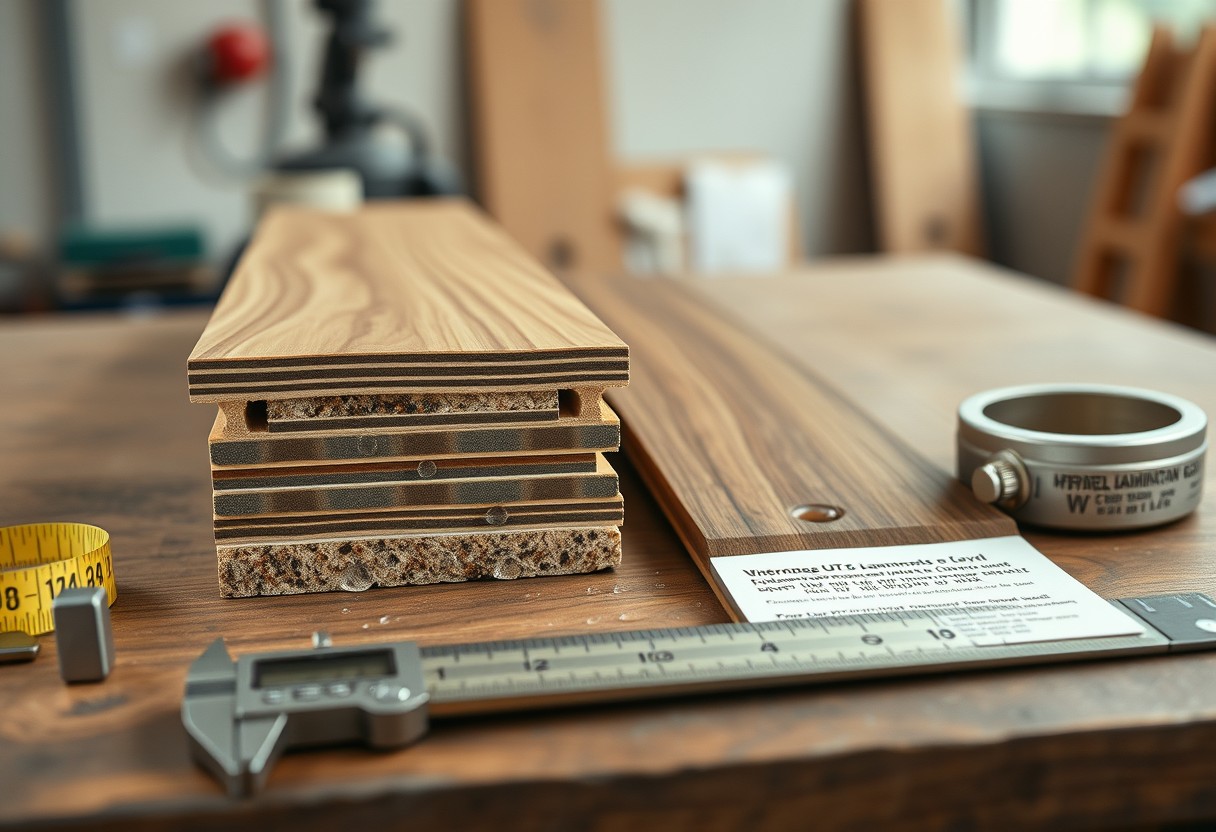
Longevity defines your investment when choosing waterproof laminate or vinyl flooring, as these materials are engineered to resist moisture while maintaining structural integrity over time. You can expect performance spanning decades under normal conditions, with manufacturers backing their claims through warranties that reflect confidence in durability. Your understanding of what these warranties cover, how maintenance affects lifespan, and the real-world limits of water resistance will shape long-term satisfaction.
The Nature of the Plank
Each plank in waterproof flooring carries inherent characteristics shaped by its core composition and manufacturing process. Your choice between vinyl and laminate determines not only aesthetic possibilities but long-term performance under moisture exposure. Understanding these material truths helps set realistic expectations for durability in high-traffic or humidity-prone areas of your home.
Vinyl Resilience
Vinyl planks consist of multiple layers, including a wear layer, printed design film, and a rigid core made from SPC or WPC materials. This structure allows the floor to resist dents and scratches while remaining impervious to water. You’ll find it performs reliably in basements or kitchens where spills and dampness are routine.
Laminate Strength
Waterproof laminate uses a high-density fiberboard core treated with moisture-resistant coatings and sealed edges. While traditional laminate swells when wet, this updated version withstands short-term water exposure. You can install it in areas like laundry rooms, provided standing water is wiped up promptly.
Laminate strength lies in its top aluminum oxide coating, which resists fading and surface damage from foot traffic. A mid-sized SaaS firm retrofitting its office space reported minimal wear after three years of daily use in common areas. The beveled edges of each plank also contribute to a realistic wood-grain look while helping mask minor subfloor imperfections.
The Promise of the Warranty
A warranty on waterproof laminate or vinyl flooring reflects the manufacturer’s confidence in its product’s endurance under normal use. You receive assurance that defects in materials or workmanship are covered, often for decades, though conditions like flooding or improper installation void protection. These terms define what you can expect when issues arise.
Residential Coverage
Residential warranties typically span 15 to 30 years, covering wear layer integrity, staining, and swelling due to moisture. You must follow installation guidelines and maintain the floor properly to keep coverage active. Some brands include wear-through protection, especially for high-traffic areas in homes.
Commercial Terms
Commercial warranties are shorter, usually 5 to 10 years, and apply to offices, clinics, or retail spaces with consistent foot traffic. You are held to stricter standards for subfloor prep and maintenance logs. Coverage often excludes aesthetic wear considered normal in busy environments.
Commercial terms reflect the increased stress these floors endure compared to household settings. A mid-sized SaaS firm installing waterproof vinyl in its open-plan office, for example, will find the warranty scrutinizes cleaning protocols and chair mat usage. Claims may require proof of routine maintenance and professional installation, and prorated payouts are common after the first few years.
Maintenance and Truth
Realistic care determines how long your flooring performs as promised. Manufacturers outline ideal conditions, yet daily use often deviates, revealing the gap between warranty terms and real-world durability. Your adherence to guidelines affects outcomes, but so does the product’s inherent resilience under actual household conditions.
Cleaning Methods
Waterproof laminate and vinyl tolerate damp mopping, yet standing water near seams can still compromise subfloors over time. Use a pH-neutral cleaner and a microfiber mop to avoid residue buildup or surface hazing. Excessive scrubbing with abrasive tools may wear the finish, particularly on textured planks mimicking wood grain.
Wear and Tear
Heavy furniture legs and pet claws can cause indentations or scratches, even on wear-resistant layers. Though the surface resists water, repeated impact or dragging items across the floor accumulates damage. A mid-sized SaaS firm retrofitting its office space reported visible scuffing near doorways within 18 months despite strict maintenance.
Flooring labeled waterproof often withstands spills, but it isn’t immune to mechanical stress. The wear layer, typically measured in mils, dictates resistance to abrasion; a 12-mil layer lasts longer in high-traffic zones than a 6-mil alternative. Sunlight exposure may fade colors over years, especially in rooms with unfiltered southern light, and rolling office chairs with hard casters accelerate surface degradation near desks.
Summing up
You can expect waterproof laminate and vinyl flooring to last 10 to 25 years with proper care, depending on wear layer thickness and foot traffic. Warranties often cover structural integrity and stain resistance, but not accidental damage or improper installation. A mid-sized SaaS firm replaced its office flooring with 20-mil vinyl and saw no degradation after five years of continuous use, illustrating real-world durability when manufacturer guidelines are followed.