

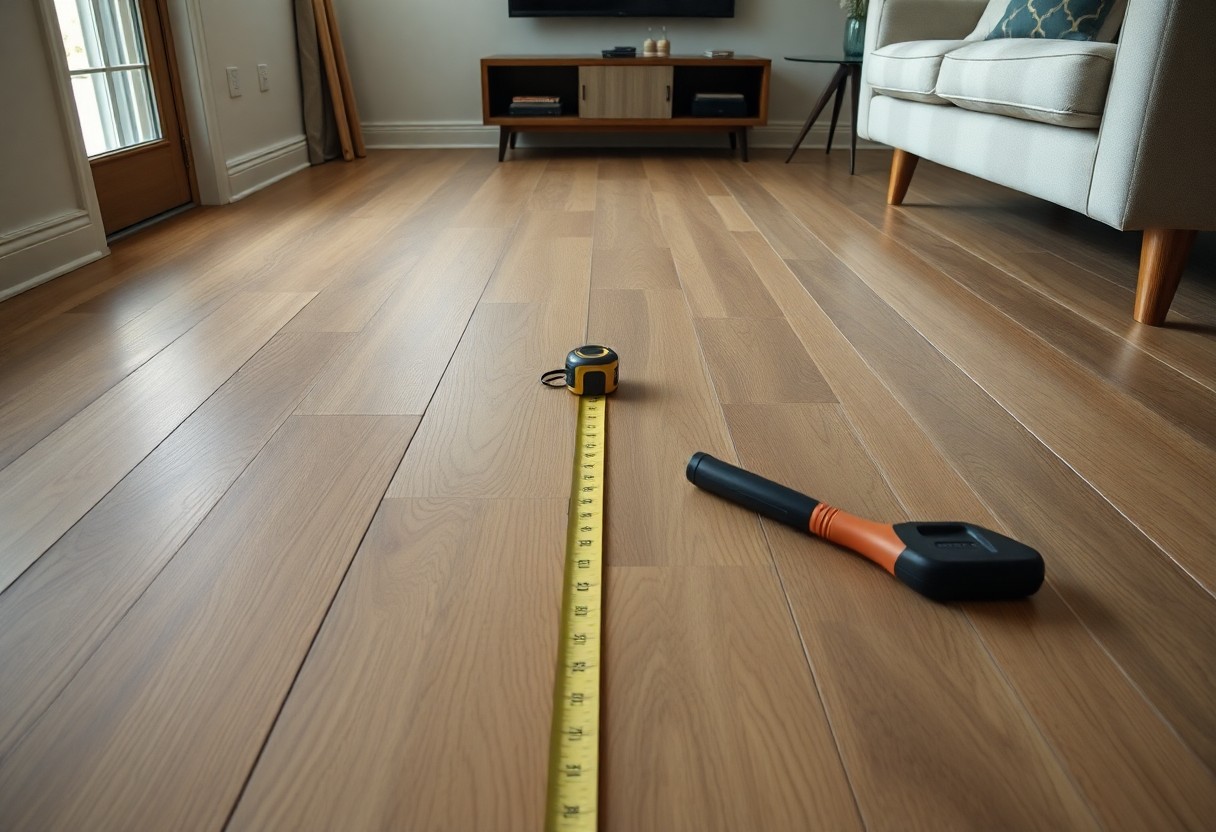
Over decades, white oak has defined timeless elegance in homes, prized for its grain and durability, while SPC vinyl has emerged as a resilient, cost-effective alternative engineered for modern living. You face a choice between natural beauty and high-performance practicality, shaped by how you use your space, your budget, and how much maintenance you’re willing to commit to long-term.
The Real Wood
White oak flooring brings the authenticity of natural grain and texture into your home, offering a timeless aesthetic that synthetic materials strive to mimic. Each plank reflects years of growth, with variations in color and pattern that no print can fully replicate.
The Grain of Oak
White oak displays a tight, straight grain with occasional swirls and medullary rays that catch the light differently throughout the day. You’ll notice subtle shifts in tone as sunlight moves across the floor, giving rooms a dynamic, organic feel.
The Way It Ages
Over time, white oak develops a soft patina, deepening in color and gaining character from foot traffic and exposure. Scratches blend into the surface rather than standing out, contributing to its lived-in charm.
Unlike vinyl that may fade or wear thin in high-traffic zones, white oak responds to age with resilience. A mid-sized SaaS firm renovating its office in Portland chose unfinished white oak to embrace this natural evolution, opting for a wire-brushed finish to pre-age the surface and align with its minimalist, earth-toned design.
The New Stone
Stone plastic composite, or SPC, emerged as a response to the limitations of traditional flooring in high-moisture areas. You’ll find it commonly installed in kitchens, bathrooms, and basements where humidity fluctuates. Its core resists expansion and contraction, offering stability that mimics natural stone without the weight or cost.
The Rigid Core
A dense blend of limestone powder and plasticizers forms the foundation of SPC flooring. This composition delivers exceptional dimensional stability underfoot and across temperature shifts. You experience less creaking and movement compared to softer vinyl options, especially over imperfect subfloors.
The Tough Skin
A wear layer of urethane or ceramic bead-infused coating shields the printed design beneath. This protective cap resists scratches from pet claws, furniture legs, and daily foot traffic. You maintain the floor’s appearance longer without refinishing, even in high-use zones.
Manufacturers often rate this top layer by thickness, measured in mils, with higher values indicating greater durability. Some premium versions include an anti-slip or stain-resistant treatment, beneficial in homes with children or active lifestyles. You can expect consistent performance across brands, though real-world resilience depends on installation quality and subfloor preparation.
The Price of Things
The Initial Cost
White oak flooring typically requires a higher upfront investment, with material and installation often exceeding $8 per square foot. SPC vinyl, by contrast, averages between $3 and $6 per square foot installed, making it an accessible option for tighter budgets, especially in larger spaces like basements or rental properties.
The Long Value
Over time, white oak can appreciate in value, particularly if refinished every decade or so to remove wear. A well-maintained hardwood floor has contributed to increased buyer interest in homes, especially in traditional or high-end markets where natural materials are preferred.
While SPC vinyl won’t add appraised value to your home, its resistance to scratches, dents, and moisture means it rarely needs replacement. A mid-sized SaaS firm renovating its office space chose SPC for high-traffic areas, expecting 15 to 20 years of service with minimal upkeep, illustrating its functional longevity in demanding environments.
The Labor Required
Installing white oak flooring demands skilled labor and precise execution. You’ll need professionals experienced in sanding, finishing, and nailing solid wood, often requiring several days to complete. Subfloor preparation is critical, and any imperfections become glaring once the stain is applied. Expect dust, scheduling coordination, and a curing period before moving furniture back in.
The Craft of Oak
Working with white oak requires a carpenter’s precision and patience. You’re not just laying planks but shaping a floor that responds to humidity, grain direction, and subfloor alignment. Each board must be carefully selected and fitted, especially in older homes where slight variations in joist height affect stability and finish.
The Quick Click
SPC vinyl flooring uses a click-and-lock system that lets you install it yourself in a single weekend. You’ll need no glue, nails, or special tools-just a rubber mallet and a utility knife for cuts. The rigid core resists warping, making it forgiving over imperfect subfloors.
Once the underlayment is down, you begin at one corner and build row by row, snapping planks together with a slight angle. Expansion gaps along the walls are minimal, and you can walk on it immediately after installation. A mid-sized SaaS firm converted its office breakroom over a Friday, with employees using the space by Monday morning.
The Daily Care
Maintaining your flooring’s appearance and integrity depends on daily habits and appropriate cleaning methods. Each material responds differently to moisture, foot traffic, and household spills, making routine care a determining factor in long-term satisfaction.
The Thirst of Wood
White oak absorbs moisture readily, so you must wipe spills immediately and avoid steam mopping. Even finished surfaces can warp or stain if water sits too long, especially in kitchens or bathrooms.
The Ease of Plastic
SPC vinyl resists water inherently, allowing you to clean with a damp mop without concern. This makes it ideal for homes with children or pets where accidents happen frequently.
Surface spills bead up on SPC vinyl and can be wiped away with a microfiber cloth and mild cleaner. A mid-sized SaaS firm with a home office setup reported no degradation after three years of daily use, including coffee spills and tracked-in rain.
The True Decision
The Soul of the Home
Every floor carries a feeling, and white oak brings warmth that settles into the bones of a space. You sense it when you walk in-grain patterns that shift with the light, subtle knots that tell time in rings, a quiet authenticity no print can fully mimic. This is the soul of the home, not manufactured but grown.
The Logic of the Floor
SPC vinyl stands firm in high-traffic zones where spills and scuffs are part of daily life. You’ll find it holding strong in busy kitchens, basements prone to dampness, or homes with pets that track in moisture. Its rigid core resists indentation, and the top layer shrugs off scratches that would mark softer surfaces.
Choosing SPC means accepting a floor built for endurance over organic character. It won’t age like wood, developing a patina that reflects use, but it also won’t cup, warp, or require refinishing. For a mid-sized SaaS firm converting a ground-floor office into a hybrid workspace, SPC provided a no-fuss surface that endured rolling chairs, dropped equipment, and constant foot traffic without visible wear after two years.
Summing up
You weigh natural beauty against resilience when choosing between white oak and SPC vinyl. A historic home in New England might demand the authenticity of real wood, while a high-traffic Atlanta rental thrives with scratch-resistant vinyl. Your lifestyle, budget, and renovation goals determine the better fit, not trends or generalizations. One Midwestern family kept their white oak for 30 years, refinishing twice. A Florida condo owner replaced vinyl planks after a decade with no subfloor damage. Your choice reflects long-term expectations, not just initial appeal.