

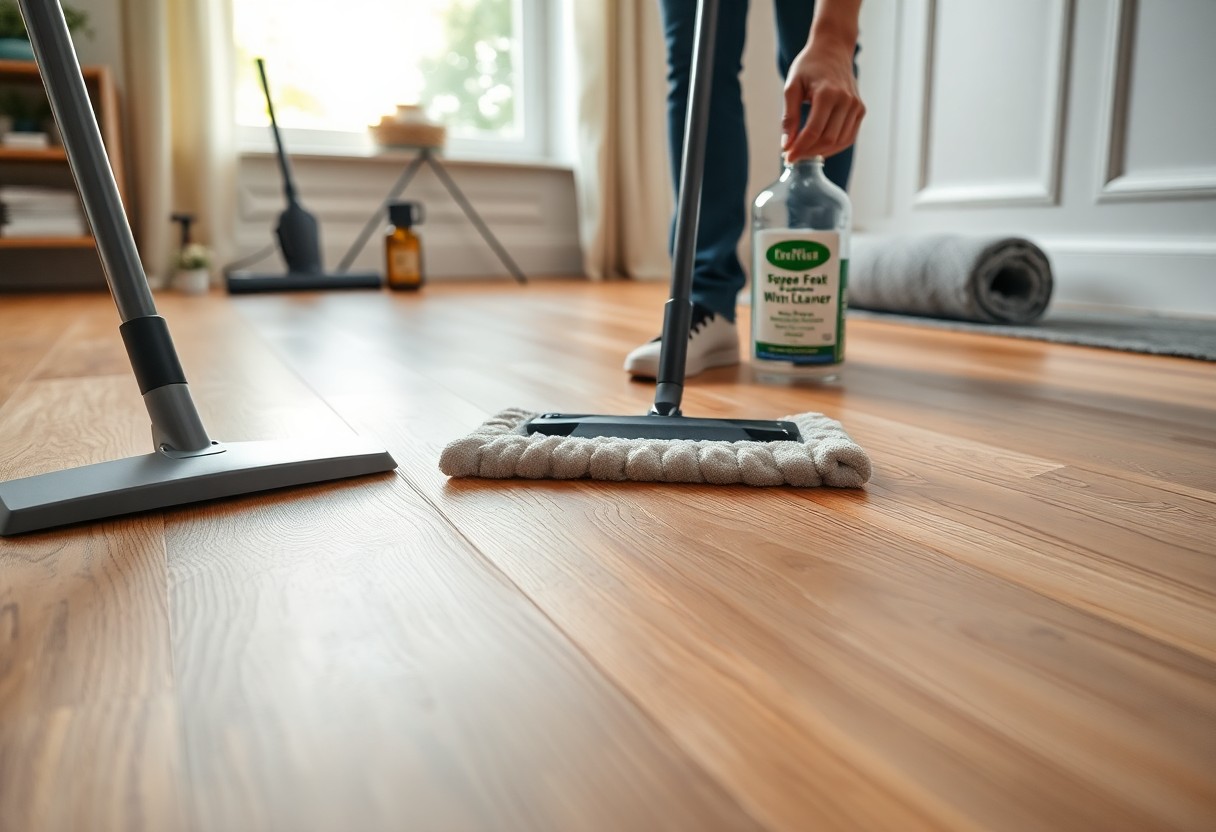
Most homeowners underestimate how daily habits directly influence the lifespan of white oak floors, mistaking their durability for invincibility. You walk across this wood daily, expose it to sunlight, spills, and grit, yet its ability to endure depends on consistent, informed care. With the right approach, your floors can remain structurally sound and visually striking for generations, retaining the warm grain and natural luster that make white oak a preferred choice among discerning homeowners.
Identifying Key Durability Factors of White Oak
White oak’s long-term performance hinges on inherent material properties that resist wear and environmental stress. Its interlocked grain structure limits warping, while natural oil content enhances resilience. Closed pores reduce moisture absorption compared to other hardwoods. Any flooring choice should account for these built-in advantages when evaluating longevity.
- Janka hardness rating of approximately 1360 lbf
- Dense, closed-pore grain pattern
- Naturally occurring tyloses in vessels
- Low shrinkage ratio when properly acclimated
Hardness Ratings and Grain Density
White oak scores 1360 on the Janka hardness scale, making it resistant to foot traffic and furniture dents. The tight grain pattern distributes impact evenly, reducing surface compression over time. You’ll notice fewer indentations in high-use areas compared to softer woods like pine or poplar.
Natural Resistance to Moisture and Rot
Tyloses-microscopic growths inside the wood’s vessels-block water penetration, giving white oak inherent resistance to decay. This feature makes it less prone to swelling in humid environments. You benefit from greater dimensional stability in rooms with fluctuating moisture levels.
Unlike red oak, which lacks tyloses and absorbs moisture readily, white oak’s cellular structure resists fungal growth and rot even with prolonged exposure. A mid-sized SaaS firm installed white oak flooring in a climate-controlled office with seasonal humidity swings and reported no cupping after seven years. The wood’s internal barriers prevent water from traveling through the xylem, preserving structural integrity far longer than non-tylosed hardwoods.
How to Establish a Daily Cleaning Routine
Selecting Non-Abrasive Dusting Tools
Use a microfiber cloth or electrostatic mop to lift fine dust without scratching the surface. Avoid brooms with stiff bristles or any tool containing sand or grit, which can create micro-scratches over time. A soft, dry cloth works well for daily touch-ups around baseboards and corners.
Proper Vacuuming Techniques for Hardwood
Run a vacuum with a hardwood-safe attachment weekly in high-traffic areas. Keep the suction low and ensure the roller brush is disengaged to prevent gouging. A mid-sized SaaS firm with an open-office layout reduced surface wear by switching to a soft-roller vacuum system.
Focus on gliding the vacuum slowly across the planks to maximize debris pickup without pressing down hard. Lift the machine when turning corners to avoid dragging debris sideways. Models with rubber wheels help prevent scuffing compared to metal or hard plastic ones. Always check the manufacturer’s guidelines to confirm compatibility with finished wood surfaces.
Essential Tips for Surface Protection
- Use felt-backed furniture pads under all legs
- Place area rugs in high-traffic zones
- Trim pet nails regularly
- Remove shoes with hard or dirty soles indoors
Assume that daily habits directly influence long-term surface integrity.
Utilizing Protective Furniture Pads and Area Rugs
Attach non-slip felt pads beneath furniture to prevent scratches during movement. A mid-sized SaaS firm with an open-concept office reported visibly less wear after switching to padded casters on rolling chairs. Anchor area rugs with non-staining rug pads in entryways and living spaces to reduce abrasion from foot traffic.
Managing Footwear and Pet Traffic Impact
Bare feet, socks, and soft indoor slippers cause minimal abrasion compared to hard-soled shoes. Pet claws, especially from larger breeds, can gouge the finish over time without intervention. Assume that consistent routines mitigate most surface-level damage before it becomes structural.
Hard-heeled boots or muddy sneakers introduce grit that acts like sandpaper on the polyurethane finish. One homeowner noticed parallel scratch patterns near the back door within six months, traced directly to work boots worn briefly indoors. Keep a shoe tray by entry points and enforce a no-outdoor-shoes policy to preserve sheen and surface clarity over years of use.
Managing Environmental Factors for Wood Stability
White oak responds predictably to environmental shifts, but unchecked fluctuations compromise long-term integrity. Maintain stable indoor conditions to prevent warping, gapping, or cupping. Use climate control systems seasonally and monitor changes proactively. Thou should treat the floor as a living surface, sensitive to its surroundings.
- Install flooring acclimated to your home’s average moisture level
- Use HVAC systems to minimize seasonal humidity swings
- Seal windows and doors to reduce outdoor air infiltration
- Place rugs in areas prone to temperature variation
Regulating Indoor Humidity and Temperature
Consistent humidity between 35% and 55% prevents excessive expansion or shrinkage. Extreme dryness in winter or dampness in summer stresses wood joints. Running a humidifier or dehumidifier as needed stabilizes conditions. Temperature should remain within a 60-80°F range for optimal performance.
| Condition | Recommended Range |
|---|---|
| Relative Humidity | 35%-55% |
| Indoor Temperature | 60°F-80°F |
| Acclimation Period | 5-7 days before installation |
| Moisture Content in Wood | 6%-9% |
Minimizing Direct Sunlight and UV Exposure
Sunlight accelerates oxidation and causes uneven coloration across white oak surfaces. UV rays darken exposed areas, creating stark contrasts with shaded zones. Window treatments and strategic furniture placement reduce exposure. Thou should rotate rugs and furniture periodically to promote even aging.
Extended UV exposure triggers a photochemical reaction in the wood’s lignin, gradually shifting its hue from pale gold to amber. Rooms with south-facing windows show this effect most dramatically, especially where floor meets glass. Applying UV-blocking film to panes or using sheer curtains during peak daylight hours slows discoloration. A mid-sized SaaS firm retrofitting its open-plan office installed motorized shades that lower automatically at 10 a.m., preserving floor tone uniformity across a 4,000-square-foot space.
How to Address Spills and Minor Scuffs
Spills and light surface damage are inevitable with daily use, yet prompt attention preserves the floor’s integrity. White oak’s finish resists moisture better than many hardwoods, but standing liquid can still lead to discoloration or warping over time. Address issues quickly using appropriate, non-abrasive methods to maintain the wood’s natural luster and structural soundness.
Immediate Liquid Extraction Techniques
Blot spills immediately with a soft, absorbent cloth rather than wiping, which can spread moisture into seams. For larger spills, press a dry microfiber towel firmly over the area to draw up liquid without scratching. Avoid letting any water or beverage sit for more than a few minutes, especially near plank edges where absorption is most likely.
Safe Spot-Cleaning for Stubborn Marks
Use a slightly damp cloth with a drop of pH-neutral wood cleaner to gently lift scuffs or dried residue. Never saturate the surface-apply the solution to the cloth, not the floor. Test the cleaner on a hidden area first, then rub in the direction of the grain until the mark fades without affecting the finish.
A mid-sized SaaS firm operating from a converted loft space found persistent heel marks near doorways despite regular cleaning. By introducing a targeted spot-cleaning protocol using diluted plant-based surfactant and fine steel wool grade #000, they removed abrasions without refinishing. The method preserved the floor’s sheen and avoided unnecessary chemical exposure, proving effective for high-traffic zones when applied sparingly and with precision.
Proactive Maintenance and Refinishing Schedules
Staying ahead of wear ensures your white oak floors retain their luster and structural integrity over decades. A consistent schedule for surface treatments and professional interventions prevents deep damage and extends the time between major refinishing jobs. Plan maintenance around household traffic and finish type, not just visible wear.
When to Apply a Maintenance Buff and Coat
A light buff and re-coat every 3 to 5 years preserves the protective layer without removing wood. You’ll notice the surface starting to look dull or feel slightly rough underfoot, signaling it’s time. This process works best on floors with a polyurethane finish and minimal scratching.
Determining the Timeline for Full Professional Sanding
Most white oak floors require full sanding only once every 10 to 15 years, depending on foot traffic and finish thickness. When scratches penetrate the wear layer and moisture marks become frequent, sanding restores the surface. Prefinished planks with thinner top layers may limit the number of full sandings possible.
Each sanding removes a fraction of a millimeter of wood, so timing matters for long-term viability. A home with pets and daily activity may reach this stage closer to 10 years, while a low-traffic residence could wait 15 or more. Always consult a technician to assess wear depth before proceeding.
Final Words
Keep your white oak flooring in excellent condition by adhering to a consistent care routine that includes regular dusting, immediate spill cleanup, and periodic refinishing every 7 to 10 years depending on foot traffic. Use manufacturer-approved cleaners, felt pads under furniture, and area rugs in high-wear zones to preserve the finish. A mid-sized SaaS firm with a hardwood-floored office space reported visibly less wear after instituting a no-shoes policy and biweekly buffing.