

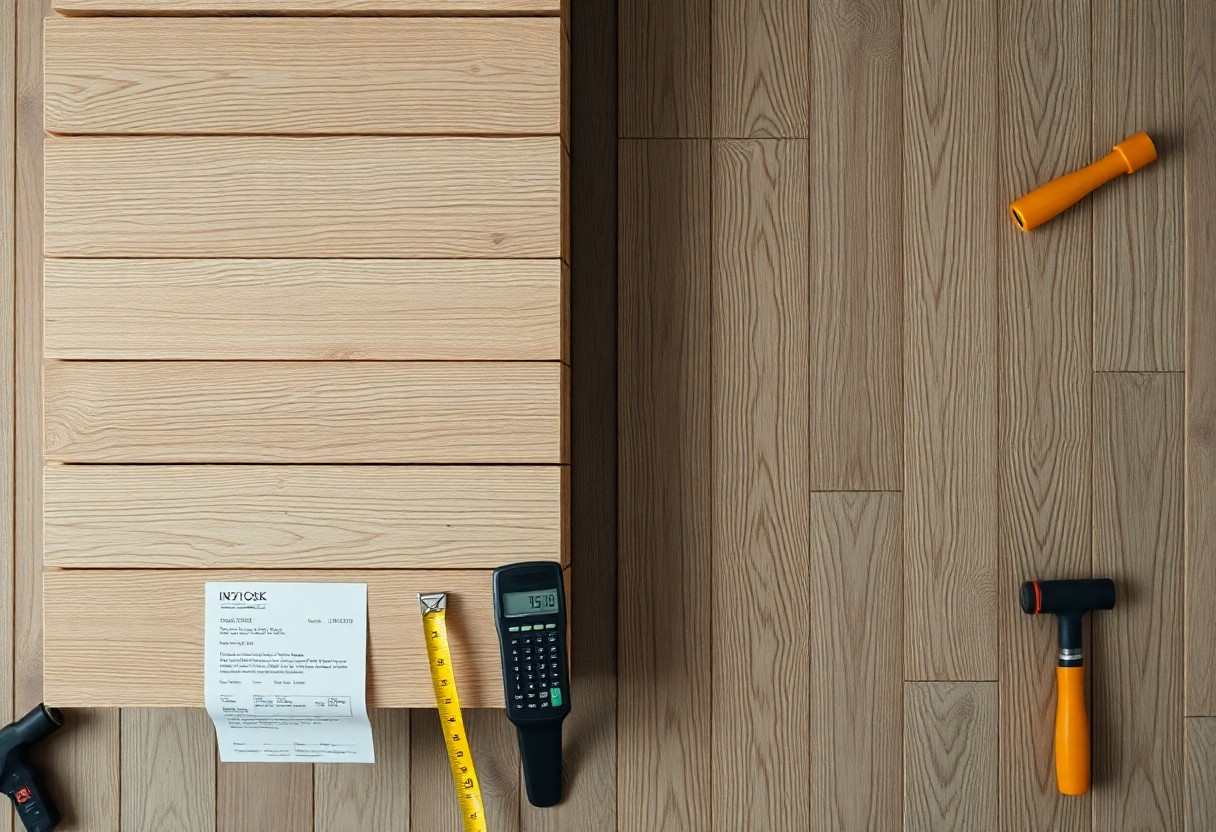
Just stepping into a flooring decision means facing a fundamental trade-off between natural beauty and engineered practicality. You’re weighing white oak, with its grain patterns and lasting appeal, against SPC vinyl, a resilient synthetic built for heavy use and moisture resistance. Each choice carries distinct costs, not just at purchase but over time, shaping how your space looks, feels, and holds value.
The Price of the Tree
White oak begins as a living forest resource, and its journey to your floor influences cost at every turn. Sustainably harvested logs from managed woodlands carry higher stewardship expenses, reflected in the final price. You pay not just for wood, but for years of growth, careful milling, and the limited yield per tree.
Heavy Timber Costs
Each white oak tree produces a small volume of usable flooring-grade lumber, especially for wide-plank or clear-grade installations. Transporting heavy raw logs to mills adds expense, as does kiln-drying to precise moisture levels. These physical and logistical demands inflate material costs before installation even begins.
The Craftsman’s Wage
Installing white oak requires skilled labor familiar with solid hardwood’s sensitivity to humidity and subfloor conditions. You hire not just for laying planks, but for acclimation protocols, precise nailing patterns, and on-site sanding and finishing. This expertise commands higher hourly rates than standard flooring jobs.
Expect installers to spend two to three times longer on white oak compared to floating floors, particularly when finishing is done in place. A mid-sized SaaS firm renovating its Austin office found labor accounted for nearly 60% of their total hardwood budget, with master finishers charging premium rates for multi-coat polyurethane applications and buffing.
The Fabricated Plank
SPC vinyl flooring offers a practical alternative to natural wood, combining durability with a lower price point. You’ll find it resists dents and moisture better than white oak, making it suitable for kitchens and basements. Installation is faster, often requiring no glue or nails, which reduces labor costs significantly.
Stone and Resin Mix
A core layer of limestone and stabilizing resins gives SPC its rigidity and resistance to expansion. You benefit from a stable plank that won’t warp under temperature shifts. This composition also contributes to its heavier feel compared to other vinyl types.
The Ease of the Click
Interlocking edges allow planks to snap together without adhesive. You can install the flooring over uneven subfloors with minimal prep work. This system cuts installation time in half compared to traditional methods.
Each plank’s locking mechanism is engineered for precision, ensuring tight seams that resist shifting over time. You’ll notice fewer gaps in high-traffic areas, even without underlayment in some cases. A mid-sized SaaS firm retrofitting its office space completed the entire floor in one weekend using untrained staff.
The Long Road
Choosing between white oak and SPC vinyl means considering how each material ages with time and use. White oak, when properly maintained, can last generations, increasing in character with each refinishing. SPC vinyl, while durable in the short term, lacks the longevity and resale appeal of solid hardwood, often requiring full replacement after 15 to 20 years.
Sanding the Grain
Sanding the grain of white oak floors allows you to erase decades of wear and restore the wood to a near-original finish. Most solid white oak installations can endure five to eight professional sandings over their lifespan, extending serviceability well beyond 50 years in many homes.
The Disposable Floor
SPC vinyl is designed for stability and moisture resistance, but it cannot be sanded or refinished. Once the wear layer is compromised, the floor must be replaced section by section or entirely, making it a more disposable solution compared to renewable hardwood.
Unlike materials that age gracefully, SPC vinyl shows permanent scratches and fading over time, especially in high-traffic areas. A mid-sized SaaS firm that installed SPC in its open-plan office found visible wear within three years, prompting partial replacement to maintain a cohesive look. This cycle of install-replace-dispose adds hidden long-term costs, even if initial pricing appears favorable.
Final Words
When budgeting for flooring installation, your choice between white oak and SPC vinyl hinges on long-term value and daily practicality. White oak, while beautiful and timeless, demands a higher upfront cost and ongoing maintenance. SPC vinyl offers water resistance and lower installation expenses, making it a sensible fit for high-traffic or moisture-prone areas. You weigh aesthetics against resilience and decide based on how the space will be used, not just how it should look.