
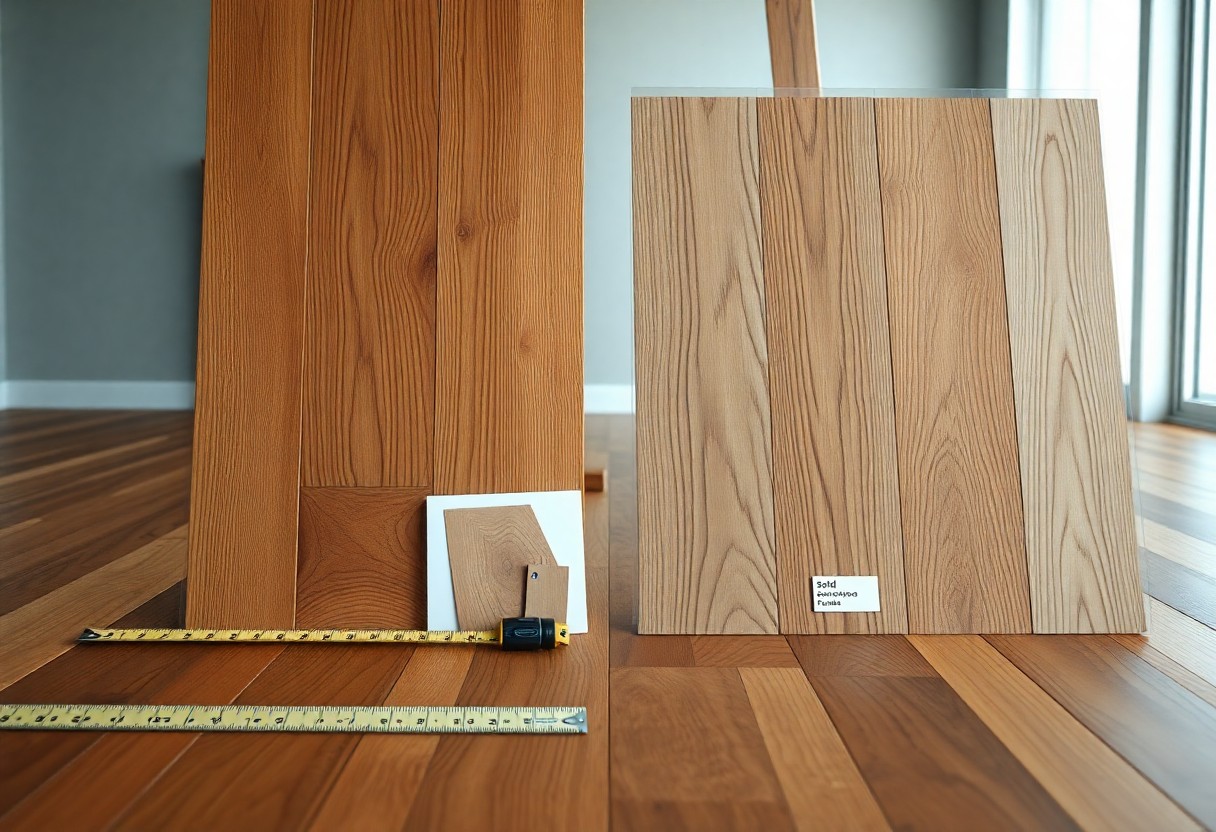
It’s time to choose a flooring option that fits your lifestyle and home environment. You want beauty, durability, and value-but deciding between engineered flooring and solid wood can be challenging. Each has distinct advantages depending on where you live, how you use your space, and your long-term plans.
The Plank and the Tree
Every plank beneath your feet tells a story of origin and endurance. Solid wood speaks of centuries-old forests and craftsmanship passed through generations, while engineered flooring reflects modern innovation shaped by practicality. Your choice shapes not just the surface, but the soul of your home’s foundation.
Solid Oak and the Old Ways
You walk on tradition when you choose solid oak. Each board is milled from a single piece of timber, offering unmatched authenticity and depth of grain. Though sensitive to moisture and temperature, its timeless appeal and ability to be sanded multiple times make it a lasting legacy underfoot.
The Layers of Engineered Truth
You gain stability from its layered construction. A thin veneer of real wood tops a core of plywood or high-density fiberboard, making it resistant to warping. This design allows installation in areas where solid wood might fail, like basements or over radiant heat.
Engineered flooring’s strength lies in its intelligent layering. The cross-grain plywood core counteracts the natural expansion and contraction of wood, giving you resilience across varying climates. Your floor stays flat and secure, even in less-than-ideal conditions, without sacrificing the beauty of a genuine hardwood surface.
Water and Heat
Engineered flooring handles humidity swings better than solid wood, making it a reliable option for kitchens and basements. Your climate matters when choosing between the two, especially if moisture levels fluctuate throughout the year.
Moisture in the Air
Changes in humidity can warp solid wood over time. You’ll notice gaps or buckling during seasonal shifts, especially in uncontrolled environments. Engineered flooring resists these changes better due to its layered construction.
Warmth Beneath the Feet
Cold floors can make a space feel unwelcoming, especially in winter. You expect comfort when walking barefoot, and solid wood tends to retain more natural warmth than thinner alternatives.
Solid wood has better thermal mass, meaning it absorbs and holds heat more effectively than engineered options. When your heating system runs, you feel a subtle, consistent warmth underfoot. This quality makes solid wood a preferred choice in cooler climates where floor temperature matters most.

The Price a Man Pays
Every flooring decision carries a cost, not just in dollars but in long-term satisfaction. You weigh immediate affordability against durability, resale appeal, and maintenance demands. While solid wood promises timeless beauty, engineered flooring often delivers comparable aesthetics with fewer financial and structural demands.
The Cost of the Buy
Engineered wood typically costs less upfront than solid hardwood. You’ll find quality options at accessible price points, especially in high-traffic species like oak or hickory. This initial savings can free up budget for professional installation or design upgrades elsewhere in your home.
The Value of the Years
You gain lasting performance from both materials, but engineered flooring handles humidity swings better, reducing long-term repair risks. Its layered construction resists warping in basements or damp climates where solid wood might struggle, giving you peace of mind across seasons and years.
Over time, engineered flooring can be refinished multiple times-sometimes up to five-depending on the wear layer thickness. This means your floor maintains its appearance through years of use, preserving home value without demanding replacement. With proper care, it stands as a practical, enduring choice that aligns with both budget and lifestyle needs.
The Sanding and the Clicking
Engineered flooring transforms your space without the mess of endless sanding. Unlike solid wood, it’s designed for real life-where time matters and dust isn’t welcome. You get the timeless look you love, minus the weeks of disruption. Installation feels modern, clean, and built around your schedule, not the other way around.
Dust of the Past
Sanding solid wood stirs up clouds of dust that settle into every corner of your home. You’ll need to vacate rooms for days, seal off spaces, and still expect lingering particles. This isn’t just inconvenient-it’s a reality many forget until it’s too late. Engineered options skip this step entirely.
The Speed of the Lock
Click-together engineered planks cut installation time dramatically. You’re not waiting for glue to dry or nails to set-each plank locks into place with precision. What takes days with solid wood can wrap up in hours, letting you enjoy your new floor faster.
With the speed of the lock system, you’re not just saving time-you’re reducing labor costs and disruption. These floating floors install over various subfloors, including concrete and existing tile, without major prep. The interlocking design ensures stability while allowing slight movement, making it ideal for basements or humid climates where solid wood might warp.

Summing up
Taking this into account, engineered flooring offers greater stability in varying humidity and is often more budget-friendly, while solid wood provides unmatched longevity and refinishing potential. Your home’s environment, lifestyle, and long-term plans shape which option serves you best. You decide based on real-world performance, not just appearance.