

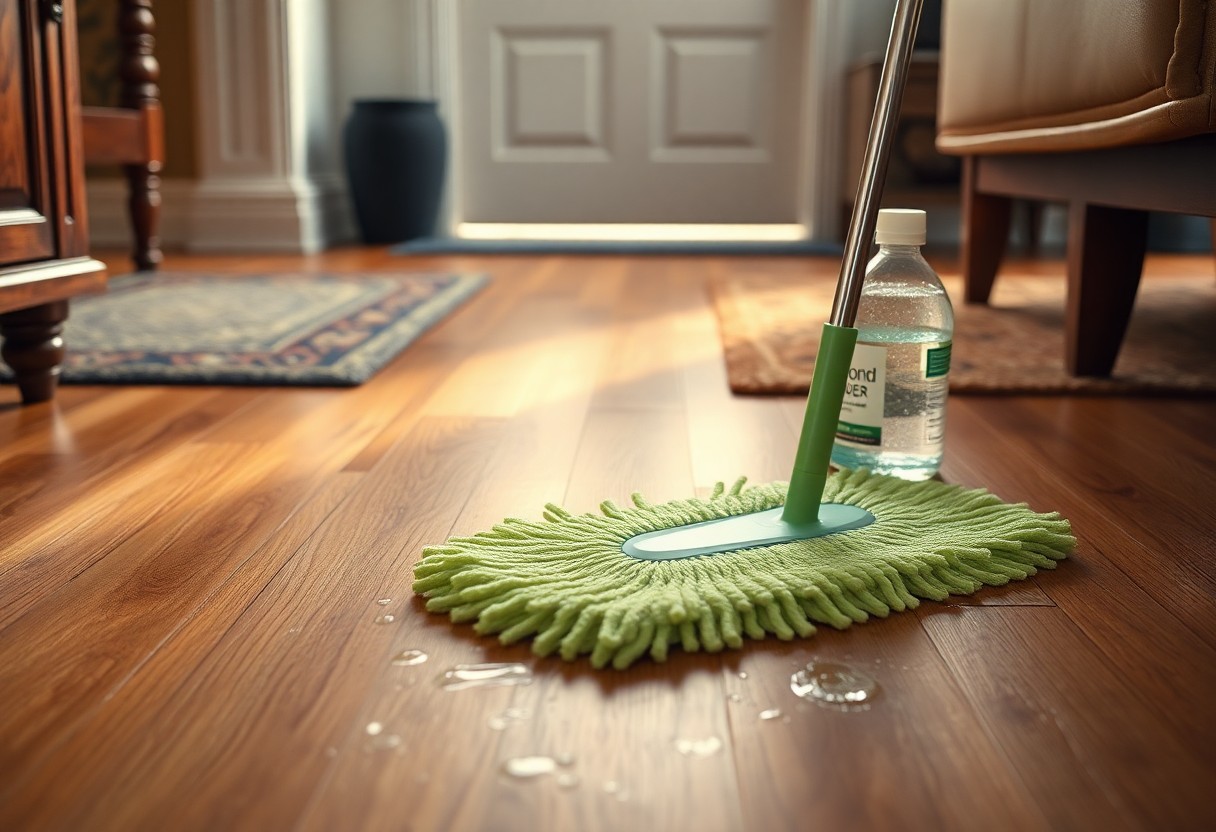
There’s a straightforward routine you can follow to keep waterproof laminate flooring performing and looking great for years. You should wipe spills promptly, use soft brooms and felt pads, avoid harsh cleaners, and control indoor humidity for lasting results.
How to Execute a Damage-Free Daily Cleaning Routine
Utilizing microfiber mops for dust and grit removal
Use a dry microfiber mop daily to lift dust and fine grit without scratching; you should shake or launder the pad regularly to prevent abrasive particles from accumulating and re-scratching the surface.
Proper sweeping techniques to prevent surface scratches
Sweep with a soft-bristle broom using short, controlled strokes toward a dustpan, and avoid pushing debris across planks so you prevent grit from embedding and causing scratches.
Angle the broom so bristles lift particles rather than grind them; you should sweep along the grain when possible, clear baseboard edges with a hand brush or vacuum, pause to remove stubborn grit by hand, and replace frayed brooms to minimize micro-abrasions and preserve the finish.
Essential Tips for Wet Cleaning and Spill Management
Keep spills wiped quickly and mop damp patches with a microfiber; avoid abrasive pads. Perceiving moisture patterns helps you target problem areas before seams trap water.
- Blot spills-don’t rub-and dry immediately
- Use a lightly damp microfiber mop with minimal water
- Inspect seams after heavy spills and dry thoroughly
Selecting pH-neutral cleaners for laminate surfaces
Choose pH-neutral cleaners so you avoid stripping the wear layer; dilute per label and test in a hidden spot before full use.
Handling standing liquids on waterproof seams
Act quickly: blot pooled liquid with absorbent towels so you can dry seams, then run a dry cloth along joins to prevent seepage.
Inspect seams weekly for gaps or soft spots; if moisture lingers after drying, lift planks only if your manufacturer allows, then reseal with the recommended seam adhesive.
Preventative Maintenance Strategies for Long-Term Protection
Routine inspections and prompt cleanup of spills help you protect waterproof laminate from damage and keep seams tight, extending your flooring’s life.
Implementing furniture pads and protective floor glides
Place felt pads under furniture legs and use protective glides to prevent scratches and concentrated wear when you move chairs or appliances.
Using area rugs to minimize abrasive wear
Use low-back rugs in high-traffic zones to trap grit and reduce abrasive wear, and ensure you choose breathable pads so moisture can evaporate.
Select rug materials like tightly woven wool or synthetic blends for durability, pair them with nonstaining breathable underlays, and make sure you vacuum often, rotate placement, blot spills quickly, and avoid rubber-backed mats that can trap moisture and discolor your laminate.
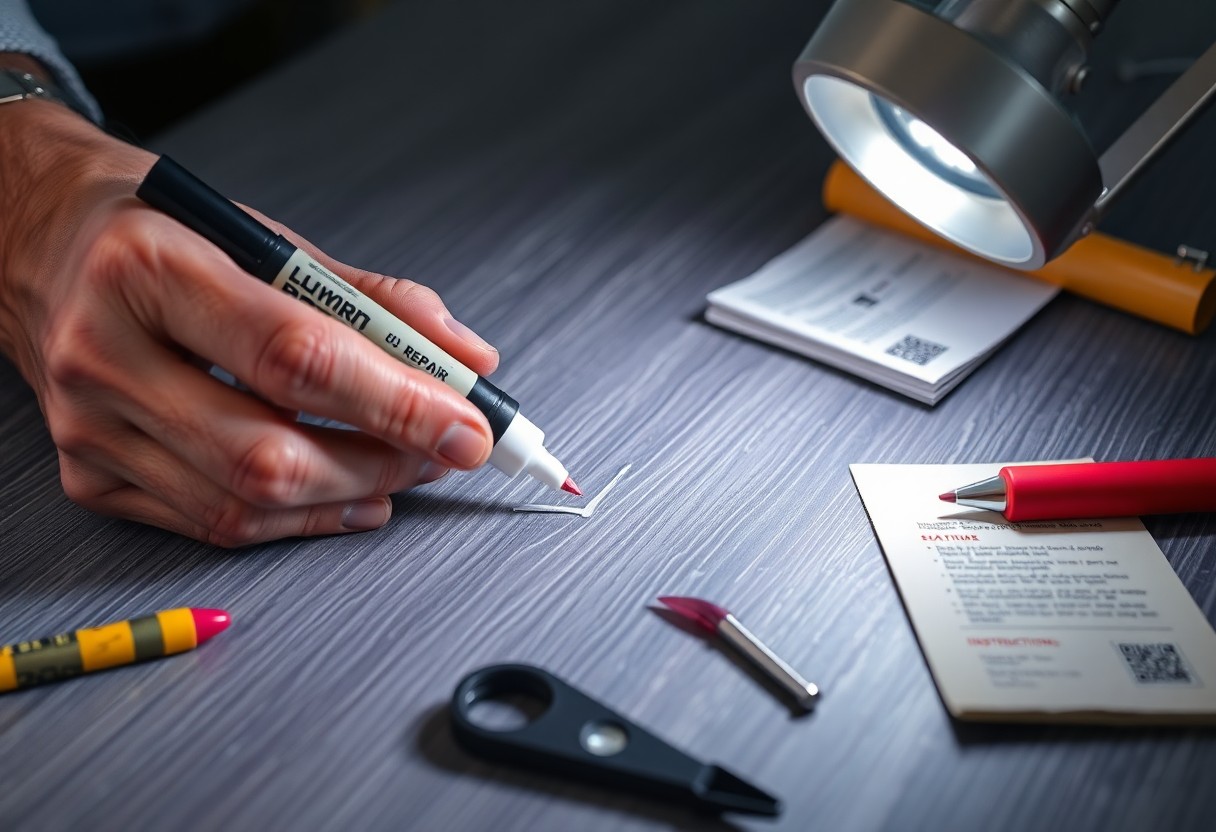
How to Repair Minor Surface Scuffs and Scratches
Scuffs and light scratches can often be minimized with gentle buffing and a manufacturer-approved cleaner; you should test an inconspicuous area first and follow product instructions to avoid further harm.
Application of manufacturer-approved repair kits
Kits include putties and fillers; you should match color, apply sparingly, smooth with the included tool, and cure per directions to restore appearance without raising seams.
Blending scuffs with specialized laminate markers
Markers let you touch up scratches quickly; you should stroke lightly, build color in thin layers, and wipe excess before it sets to blend repairs.
Test markers on scrap or under a cabinet so you can match tones; you should layer shades for depth, dry between coats, and seal with the manufacturer’s clear pen or polish to protect the repair.
Environmental Factors and Humidity Control
Humidity swings shorten plank lifespan; you should monitor indoor RH and avoid extremes.
- Keep RH 35-55%
- Use humidifiers or dehumidifiers
- Vent bathrooms and kitchens
Recognizing how moisture fluctuates helps prevent warping.
Regulating indoor moisture levels for floor stability
You can stabilize flooring by keeping indoor RH between 35-55% year‑round, using humidifiers in winter and dehumidifiers in summer, and running exhaust fans when cooking or showering.
Protecting planks from direct UV exposure and heat
Sunlight and heat fade and dry planks; you should install blinds or UV window film, place area rugs in sunlit zones, and avoid locating heat sources close to flooring seams.
Shades and UV films reduce long‑term fading; you should select high‑quality window film (low‑E or dyed), close blinds during peak sun, move rugs occasionally to even out wear, and keep radiator or heater distances to prevent localized drying and cupping.
To wrap up
Now you can keep waterproof laminate flooring lasting years by wiping spills immediately, using pH-neutral cleaners, placing entrance mats, using felt pads under furniture, avoiding steam cleaning, and inspecting seams and edges regularly to prevent moisture damage; follow the manufacturer’s care instructions for best results.