
Flooring choices affect durability, cost, and maintenance; you should weigh water resistance, appearance, and installation ease to pick laminate or vinyl. Laminate offers realistic wood visuals and affordability; vinyl provides superior moisture resistance and softer underfoot performance for wet areas.

Material Composition and Construction
Materials for laminate and vinyl differ in layer structure and moisture resistance, so you should weigh wear-layer thickness, backing stability, and water protection when choosing the best fit for your room.
Core Components of Laminate Flooring
Laminate combines a HDF core, decorative paper, and a clear wear layer, giving you authentic looks with moderate scratch resistance and limited moisture tolerance.
Synthetic Layers and Polymers in Vinyl
Vinyl uses PVC and plasticizers with printed design layers and a durable clear coat, offering you superior water resistance and flexible installation choices.
PVC composition affects flexibility, stain resistance, and VOC emissions; you should examine wear-layer mil thickness, the presence of fiberglass or felt backing, and the type of plasticizers used, since phthalate-free formulations improve indoor air quality. Luxury vinyl options like SPC or WPC add rigid cores for dimensional stability, changing how the floor reacts to heavy furniture and temperature swings.

Water Resistance and Moisture Tolerance
Waterproofing and moisture tolerance determine how flooring survives spills and humidity, so you should compare manufacturer ratings and installation methods to match the room’s conditions.
Laminate’s Sensitivity to Humidity
Laminate is vulnerable to prolonged moisture, so you should avoid installing it in bathrooms or basements unless sealed and installed with moisture barriers.
Waterproof Capabilities of Luxury Vinyl
Luxury vinyl often offers full waterproof protection that lets you install it in kitchens, bathrooms, and basements with confidence, provided seams and edges are properly sealed.
Cores in many luxury vinyl planks provide rigidity and impact resistance, so you can expect minimal movement; still, you should verify wear-layer thickness and warranty terms for heavy-traffic or commercial spaces.
Visual Aesthetics and Textural Realism
Visuals shape how you experience a room; you compare laminate’s sharp photographic planks with vinyl’s tactile finishes to decide whether appearance or authentic feel matters more for your space.
High-Definition Imaging in Laminate
Laminate uses high-definition printing so you can get intricate wood grain, color depth, and realism without the cost and maintenance of real hardwood.
Embossed-in-Register Finishes in Vinyl
Vinyl’s embossed-in-register technique aligns texture with print so you can feel the grain exactly where you see it, boosting perceived authenticity underfoot.
Textures produced by EIR embossing create depth, shadow, and tactile grain; you should inspect emboss depth, pattern scale, and registration accuracy so the surface resists wear, hides minor scratches, and maintains realism in high-traffic areas.
Installation Complexity and Techniques
Installation affects timeline and skill requirements: laminate often installs as a floating click-lock system ideal for DIY, while vinyl ranges from peel-and-stick and floating to glued or heat-welded seams, which can add complexity. You should match installation method to your tools, experience and room use.
Floating Floor Click-Lock Systems
Click-lock planks snap together to form a floating floor, letting you lay large areas quickly with basic tools and underlayment. You must leave manufacturer-specified expansion gaps and acclimate boards to room conditions before installation to avoid buckling.
Subfloor Requirements and Preparation
Subfloor must be flat, dry and clean for both materials; you should test for moisture, repair high spots, and install the recommended underlayment or moisture barrier to ensure warranty coverage and performance.
You should perform moisture tests (CM or RH) and measure flatness to manufacturer tolerances; use self-leveling compound for dips and 1/4-inch plywood or cement backer for uneven patches. For vinyl, smoother substrates and proper adhesives matter; for laminate, rigid, continuous support and a vapor barrier can prevent cupping and joint failure.
Durability and Maintenance Requirements
Laminate and vinyl both handle daily life, but you should weigh moisture sensitivity, scratch tolerance, and expected foot traffic when choosing; vinyl resists water better, while laminate often offers thicker cores for impact resistance.
Scratch Resistance and Wear Layers
Vinyl provides thicker wear layers on high-end planks, so you can rely on abrasion resistance; laminate uses a melamine wear layer that resists dents, but you should avoid excessive moisture that can cause delamination.
Cleaning Protocols for Long-Term Care
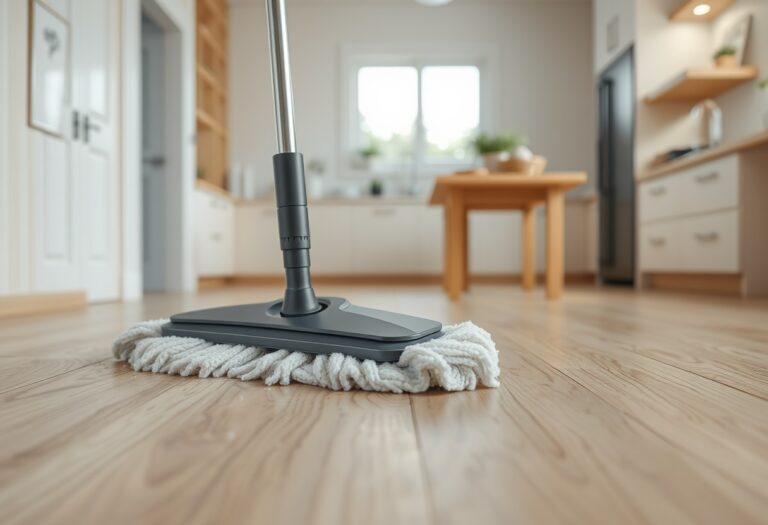
Keep routine cleaning simple: you should sweep or vacuum daily, use a damp mop with manufacturer-approved cleaners, and avoid steam mops that can warp laminate or break vinyl seals.
You should use pH-neutral, manufacturer-recommended cleaners, wring mops well to avoid standing water on laminate, and opt for microfiber mops on vinyl; spot-treat pet accidents quickly, replace worn mats, and schedule deep cleaning quarterly to maintain finish and warranty compliance.
Cost Analysis and Property Value
Costs for laminate typically run lower than luxury vinyl, but you should factor warranty length and expected lifespan when comparing total value.
Upfront Material and Labor Expenses
Materials and installation for basic laminate often cost less upfront, while high-end vinyl options and professional moisture prep raise your initial budget.
Impact on Resale and Home Appraisal
Perception of quality affects appraisal; you can boost resale with durable, water-resistant floors, and choosing premium vinyl or upgraded laminate can sway buyer opinion.
Appraisers consider condition, longevity, and market trends when valuing floors; you should document warranties, installation quality, and moisture protection to maximize appraisal adjustments and appeal to discerning buyers.
Final Words
Following this comparison, you should choose vinyl for high-moisture areas and durability, or laminate for lower cost and realistic wood visuals; weigh budget, traffic, and maintenance to pick the best fit for your space.