

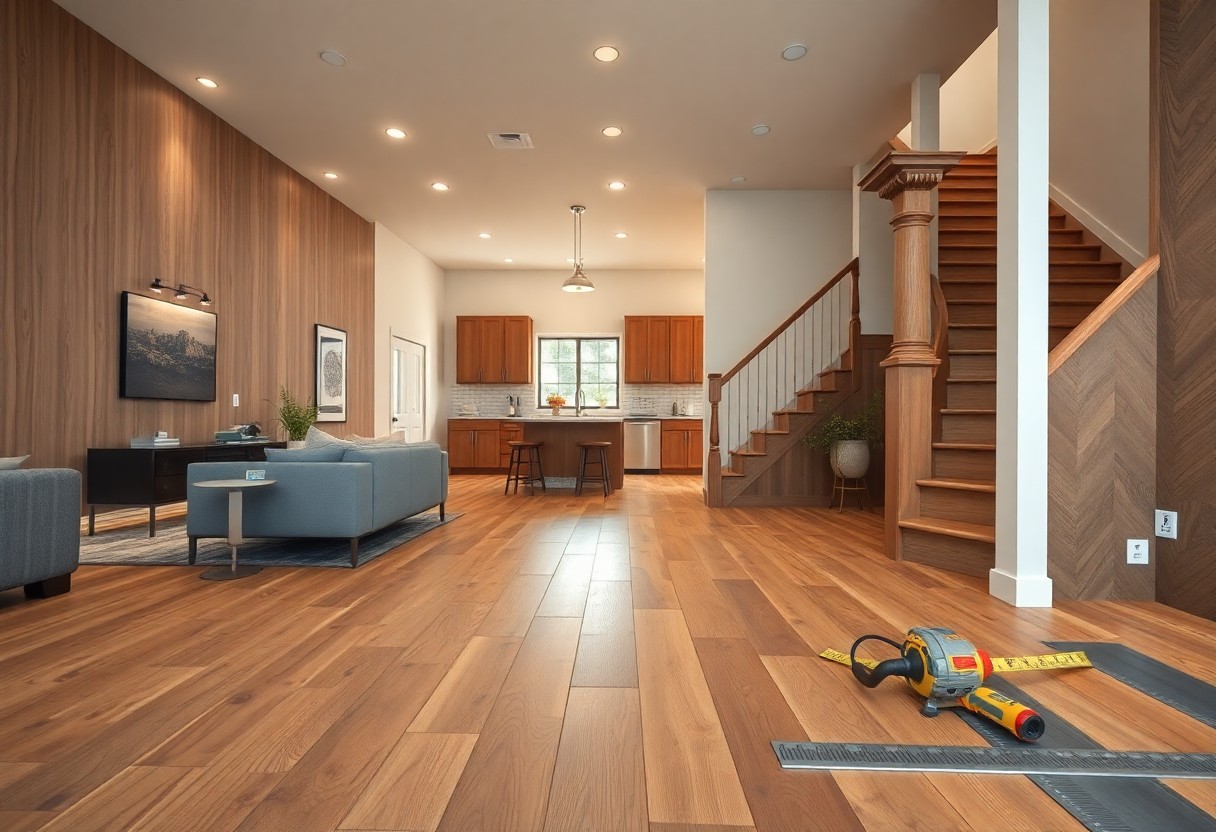
Over time, custom hardwood flooring has become a defining feature in homes where beauty and practicality intersect. You experience a refined look that evolves gracefully, complementing both modern upgrades and classic interiors. Each plank reflects a choice rooted in longevity, comfort, and personal expression, setting the foundation for the ten qualities that make this flooring a lasting favorite among discerning homeowners.
Timeless Aesthetic Appeal
Custom hardwood flooring brings a refined elegance that never goes out of style. Its natural beauty enhances any room, creating a warm and inviting atmosphere that modern alternatives often fail to replicate. You see this enduring charm in homes built decades ago, where original hardwood floors remain a standout feature.
Natural Wood Grain
The unique patterns in natural wood grain ensure no two floors are alike. Each plank carries its own character, shaped by years of growth, with subtle variations in color and texture that add depth and authenticity to your space.
Matches Any Style
Whether your home leans toward farmhouse charm or urban minimalism, custom hardwood fits seamlessly. You can select species, finishes, and widths that align precisely with your existing décor, from wide-plank oak in a rustic kitchen to sleek, narrow maple in a contemporary living area.
Design flexibility is one of hardwood’s strongest advantages. You might pair white-washed ash with Scandinavian interiors or go for a rich, dark walnut in a traditional study. The ability to stain and finish the wood to your preference means the floor becomes an integral part of your home’s design language, not just a surface underfoot.
Higher Resale Value
Custom hardwood flooring increases your home’s market worth, often yielding a strong return on investment when you sell. Buyers consistently show willingness to pay more for homes featuring real wood floors, viewing them as premium upgrades that reduce their need for future renovations.
Premium market appeal
High-end buyers actively seek homes with hardwood floors, especially in urban and luxury markets. A mid-sized SaaS firm executive touring three similar listings is more likely to make an offer on the one with oak planks in the living room and walnut in the primary suite, perceiving it as move-in ready and thoughtfully designed.
Long-term financial asset
Your hardwood floor isn’t just a finish-it’s a long-term asset that retains value over decades. Unlike carpet or laminate, solid wood can be sanded and refinished multiple times, preserving its appearance and extending its lifespan well beyond 50 years in many homes.
Consider a home in Portland where the original red oak floors were installed in 1975 and refinished twice, most recently in 2020. The current owners received multiple offers above asking, with one buyer citing the well-maintained hardwood as a deciding factor. Real estate agents in competitive markets often highlight hardwood floors in listing descriptions, knowing they attract faster sales and stronger bids.
Incredible Long-Lasting Durability
Custom hardwood flooring endures decades of household activity without losing structural integrity. You walk across it daily, host gatherings, and accommodate pets, yet solid wood maintains its form. Unlike materials that degrade under pressure, hardwood deepens in character over time, developing a patina that reflects your home’s lived-in warmth and history.
Withstands daily wear
Your hardwood floors handle foot traffic, dropped objects, and moving furniture far better than most flooring types. Surface scratches blend into the grain, and minor dents become part of the wood’s story. With proper finishing, the surface resists indentation from heels and pet claws, maintaining a polished look even in high-traffic areas like hallways and kitchens.
Harder than alternatives
Hardwood outperforms laminate, vinyl, and engineered wood in surface hardness. Species like white oak and maple rank high on the Janka hardness scale, meaning they resist impressions from heavy furniture legs or dropped kitchen tools. You’re not just installing a floor-you’re anchoring your home with a material that resists compression and surface damage better than most substitutes.
When comparing flooring options, few match the compressive strength of solid hardwood. A mid-sized SaaS firm renovating its office space chose white oak over luxury vinyl planks specifically for durability in open-concept areas. The wood’s natural density supports rolling office chairs and frequent foot traffic without visible wear after three years, a performance level rarely matched by softer or composite materials.
Easy Cleaning and Maintenance
Custom hardwood flooring simplifies daily upkeep, requiring only routine sweeping and occasional damp mopping to stay pristine. Unlike carpet, which traps dust and allergens, hardwood surfaces resist buildup and allow for quick spill cleanup, reducing the risk of lingering moisture damage when addressed promptly.
Simple debris removal
Dust, pet hair, and small particles lift easily with a microfiber cloth or dry mop. A soft-bristle broom handles corners and edges efficiently, preventing scratches while keeping the floor visibly clean. You can maintain a polished look without specialized tools or intensive labor.
Low-effort upkeep
Weekly cleaning typically involves a manufacturer-approved wood cleaner applied with a lightly damp mop. Excess water is avoided to protect the finish, but most spills wipe away within minutes using a soft cloth. This minimal routine preserves the wood’s luster over years of regular use.
For long-term protection, placing mats at entryways reduces tracked-in grit that can dull the surface over time. A mid-sized SaaS firm with a hardwood-floored office space reported consistent appearance after three years with only bi-weekly cleaning and no deep treatments. Periodic inspection for finish wear helps determine when a light buff and re-coating may be beneficial, usually after several years depending on foot traffic.
Better Indoor Air游戏副本
Fully Customizable Design Options
You can tailor your hardwood flooring to reflect your personal style with precision. From stain colors to plank dimensions, every detail is adjustable. This flexibility ensures your floor integrates seamlessly with your home’s architecture and interior design, creating a cohesive and intentional space.
Unique stain choices
You have access to a broad spectrum of stain options, from warm honey tones to deep espresso finishes. A mid-sized SaaS firm renovating its office space selected a custom gray-washed stain to complement its modern aesthetic, proving that stain selection can align with both personal taste and design intent.
Various plank sizes
You can choose narrow 3-inch strips for a traditional parquet effect or wide planks exceeding 8 inches for a more expansive look. The width and length of the boards influence the room’s perceived scale, allowing you to manipulate spatial dynamics through flooring alone.
Wider planks reduce the number of seams, creating a cleaner, more open appearance particularly effective in large living areas. You might select 7-inch white oak planks to enhance natural light in a north-facing room, while reserving narrower strips for tighter spaces like hallways where detail and rhythm matter more.
Sustainable Material Choice
Choosing custom hardwood flooring means investing in a renewable resource that supports responsible forest management. Unlike synthetic alternatives, solid wood comes from trees, a naturally regenerating material, when harvested with care. You contribute to a more sustainable building cycle by selecting flooring that lasts generations and can be renewed without losing integrity.
Renewable timber sources
Hardwood trees are replanted and managed in sustainably certified forests, ensuring supply meets demand without depleting natural reserves. You can select species like oak, maple, or hickory, which are abundant in North American forests and harvested under guidelines that maintain ecosystem balance and biodiversity over time.
Environmentally conscious
Your choice of hardwood flooring reduces reliance on petroleum-based materials common in vinyl or laminate products. These synthetics often off-gas volatile organic compounds and end up in landfills after short lifespans. Solid wood, by contrast, is biodegradable and requires minimal processing when refinished in place.
Opting for hardwood means fewer replacements and less waste over decades of use. A mid-sized SaaS firm retrofitting its office space chose white oak floors, sourcing from a mill with FSC certification. The material’s longevity and renewability aligned with the company’s sustainability goals, proving that aesthetic and ecological values can coexist in one enduring surface.
Cost Effective Over Time
Custom hardwood flooring proves economical over decades, not just years. While the initial investment may be higher than carpet or laminate, its longevity and minimal upkeep reduce long-term costs significantly. You avoid frequent replacements, and the floor’s resilience under heavy use means fewer repairs. A mid-sized SaaS firm renovating its office space chose custom hardwood, anticipating fifteen years of daily wear with only routine cleaning and one refinishing. The floor remains in excellent condition after ten years, with no signs of structural fatigue. This durability translates directly into savings, as alternative flooring types would have required full replacement in the same period.
Rare replacement needed
You benefit from decades of use without needing to replace custom hardwood floors. Unlike vinyl or carpet, which degrade under foot traffic and sunlight, solid hardwood withstands decades of use with integrity intact. Even in high-moisture areas like kitchens or entryways, proper sealing prevents warping. Homeowners in historic Boston homes often retain original maple or oak floors from the 1800s, refinished multiple times but never replaced. These floors endure shifts in climate, furniture movement, and pet traffic without structural compromise. The material’s density resists dents and scratches better than engineered alternatives, reducing the need for patching or full removal.
Lasts for generations
Your custom hardwood floor can remain functional and beautiful across multiple family generations. Families in Charleston have passed down homes with original heart pine floors still in daily use after a century. These floors weather changes in décor, lifestyle, and even structural renovations without losing integrity. Their ability to be refinished every ten to fifteen years renews appearance without altering the foundational material. Each refinishing removes a fraction of the thickness, yet most solid hardwood planks allow for ten or more such treatments. This cycle extends the floor’s life far beyond other materials, making it a permanent feature rather than a temporary finish.
Simple Refinishing Potential
Hardwood floors can be sanded and refinished multiple times over decades, restoring their original luster without requiring full replacement. Most solid hardwood floors last 75 to 100 years or more with periodic refinishing, making them a truly long-term investment in your home’s appearance and value.
Sanding Restores Beauty
Sanding removes surface scratches, stains, and worn finishes, revealing the fresh wood beneath. A professional sanding can eliminate years of wear, returning your floor to a near-new condition. Most solid ¾-inch planks tolerate five to eight refinishing cycles over their lifespan.
Modernizes Without Replacement
Changing your floor’s stain color or finish sheen instantly updates your home’s look without installing new flooring. You can shift from a warm walnut tone to a light oak finish, aligning with evolving design tastes. This adaptability extends the functional life of your floors far beyond typical material lifespans.
Refinishing allows you to match current interior styles without the cost or waste of removal. A mid-sized SaaS firm converted its downtown office space using this method, transforming dark, dated floors into a bright, modern finish that complemented its rebranding effort, all within a week and under budget.
Warm and Cozy Feel
Custom hardwood flooring brings a natural warmth to your home that synthetic materials cannot replicate. Your feet sense the difference immediately, especially in cooler months, when the wood’s inherent ability to retain heat creates a more comfortable environment underfoot.
Natural thermal properties
Hardwood naturally moderates temperature fluctuations, absorbing heat during the day and releasing it slowly as the air cools. You experience fewer cold spots in rooms with solid wood floors, making spaces like bedrooms and living areas feel consistently comfortable without overworking your heating system.
Inviting home ambiance
The rich grain patterns and soft luster of custom hardwood invite a sense of calm and welcome into your living spaces. You notice guests linger longer in rooms with wood floors, drawn to the subtle elegance and organic texture that feels both refined and approachable.
Light reflects differently off hardwood than tile or laminate, producing a gentle glow that enhances natural daylight and softens artificial lighting. A mid-sized SaaS firm converted its office to custom white oak floors and reported employees described the space as “more human” and “less sterile,” a reaction homeowners often echo when walking into a wood-floored entryway after a long day.
Summing up
You choose custom hardwood flooring for reasons that extend well beyond appearance, from its proven longevity and ability to refresh through refinishing to the tangible boost it provides when selling your home. A mid-sized SaaS firm relocating its headquarters might prioritize sleek modern finishes, yet still select wide-plank oak in common areas for the warmth and credibility it conveys-proof that hardwood aligns function with lasting value.