
You compare white oak’s natural grain, longevity, and refinishing options with laminate’s affordability, water resistance, and easy installation to determine which flooring suits your lifestyle, budget, and maintenance preferences.
Material Composition and Core Differences
Wood composition dictates durability: white oak is solid hardwood with natural grain and density, while laminate uses composite cores topped by printed veneer and wear layers, giving you contrasting longevity, repairability, and feel.
The Organic Properties of Solid White Oak
Oak’s organic character gives you authentic grain, the option to sand and refinish, and a lifespan that ages naturally, though you must control humidity and protect against dents.
Synthetic Layering and Laminate Engineering
Laminate’s engineered layers give you a durable, scratch-resistant surface with limited refinishing options and better moisture tolerance in budget-friendly assemblies.
Manufacturers often use HDF or MDF cores, high-resolution decorative papers, and a melamine wear layer that resists fading and scuffs; you should weigh core thickness, click-lock versus glued joints, and AC ratings to match traffic and moisture conditions.
Durability and Resistance to Daily Wear
Wood white oak withstands heavy foot traffic and accepts refinishing, so you can renew floors and extend lifespan; laminate offers good surface durability and easier maintenance but its wear layer cannot be sanded, meaning you replace planks instead of refinishing when damage accumulates.
Janka Hardness and Scratch Performance
Oak scores higher on the Janka scale, so you’ll see fewer dents from furniture or pet claws; laminate’s composite core resists indentation but its wear layer can show scratches more readily, so you should weigh expected traffic and pets when choosing.
Moisture Tolerance and Structural Stability
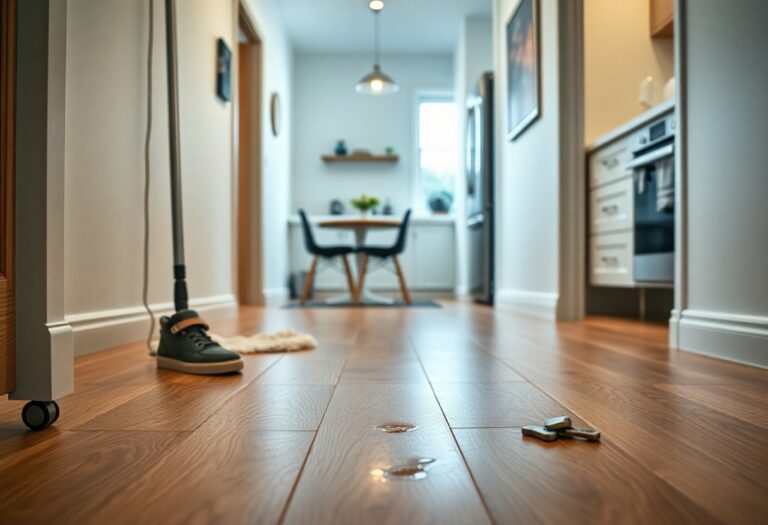
Laminate handles occasional spills well but swells and delaminates if exposed to standing water, so you should avoid wet conditions; white oak tolerates minor humidity shifts better but warps in prolonged dampness without proper acclimation and install.
If you plan to install in kitchens, bathrooms, or basements, choose engineered white oak or water-resistant laminate and control humidity; acclimate wood planks for 48-72 hours, install proper vapor barriers and underlayment, and keep indoor relative humidity between 35-55% to minimize movement and preserve structural stability.
Aesthetic Appeal and Design Versatility
Wood choices shape your home’s style: white oak gives warm, natural grain and ages with character, while laminate offers vast color and plank options so you can match any decor on a tighter budget.
Natural Grain Patterns and Staining Options
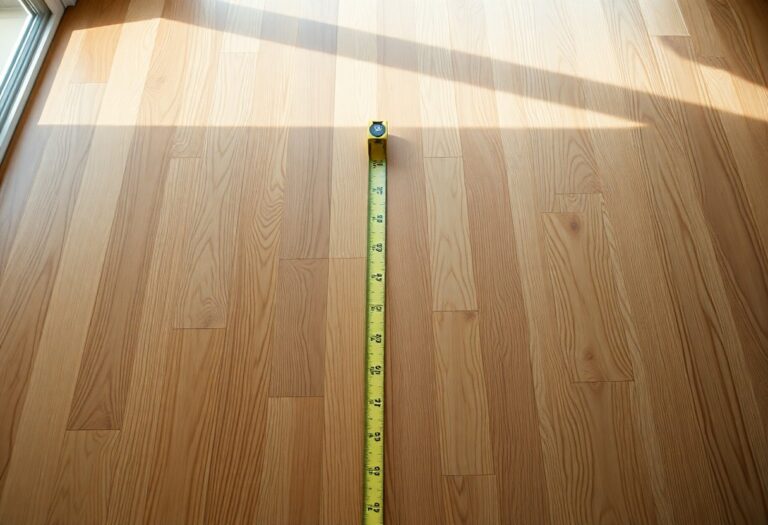
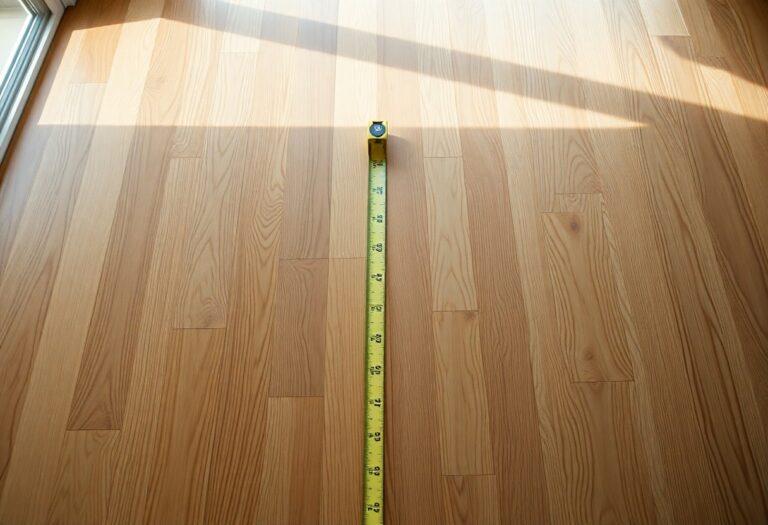
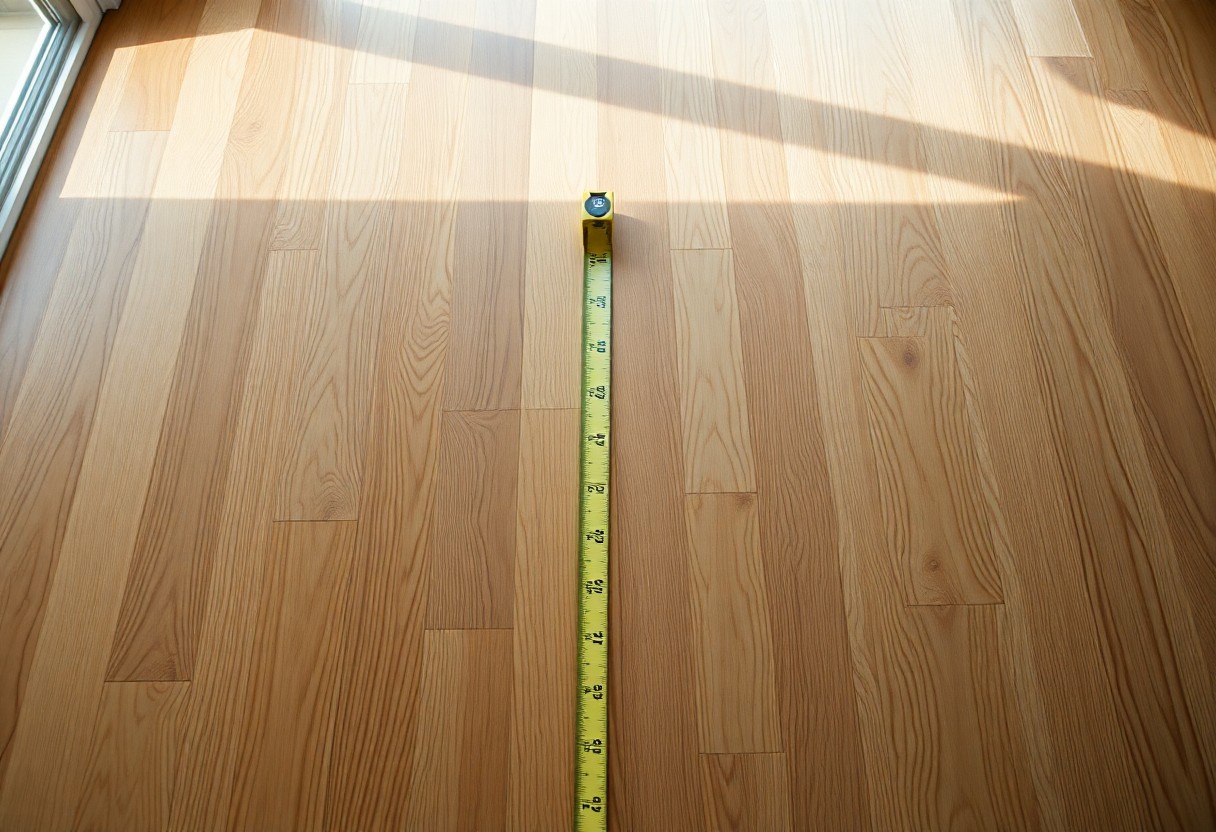
Oak displays distinct growth rings and open grain so you can highlight knots and apply stains for rich, long-lasting color; laminate reproduces patterns but can’t accept stains the same way.
High-Definition Visuals and Embossed Textures
Laminate uses high-definition printing and embossed-in-register textures to mimic wood visuals, giving you convincing looks and consistent patterns ideal for large areas at a fraction of hardwood cost.
You should compare embossing types and wear-layer ratings: deep embossing in register follows the printed grain for true-to-touch texture, while simple embossing adds surface grit without depth. Choose higher AC ratings, thicker wear layers, and realistic emboss patterns if you want longevity and tactile authenticity; cheaper laminates prioritize appearance over feel.
Long-Term Value and Investment Return
Assessing long-term returns, you’ll find white oak often boosts resale and lasts decades, while laminate lowers upfront cost but may need replacement sooner; weigh durability, upkeep, and buyer appeal when choosing.
Property Resale Impact of Hardwood
Hardwood often signals quality to buyers, and you can recoup more of your investment with white oak compared to laminate, especially in mid-to-upscale neighborhoods.
Cost-Effectiveness of Laminate Solutions
Laminate lets you cover large areas cheaply, resisting scratches and stains while keeping installation and replacement costs low, making it a practical choice if budget and short-term flexibility matter to you.
Consider laminate if you prioritize upfront savings and low upkeep: you’ll save on materials and labor, often install it yourself, and choose styles that mimic oak closely. You should factor lifespan-typically 10-20 years-plus potential replacement cycles when comparing total cost against hardwood’s longer-term durability and higher resale upside.
Installation Complexity and Timeline
Expect longer timelines for white oak: acclimation, subfloor prep and finishing can take several days to a week; laminate often installs in a day or two, reducing disruption if you want a faster project.
Precision Milling and Professional Fitting
Precision-milled white oak planks need professional fitting; you must factor in subfloor leveling, nail- or glue-down techniques, and time for sanding and finishing, extending total install time compared with click-lock options.
User-Friendly Floating Floor Systems
Floating laminate systems click into place, so you can complete most rooms in a day using basic tools and minimal prep, with underlayment handling minor subfloor imperfections and easy removal if needed.
You should plan for perimeter expansion gaps and proper transitions when installing a floating floor, choose a moisture-resistant underlayment for basements, and leave acclimation time for boards; repairs are simpler since individual planks can be lifted and replaced.
Maintenance and Refinishing Capabilities
Maintenance on white oak allows sanding and refinishing to restore wear, while laminate only accepts surface cleaning and eventual replacement; you’ll trade lower daily care for higher restoration potential with oak.
Sanding and Restoration Potential
Oak planks can be sanded multiple times, so you can remove deep scratches and change finishes; laminate’s thin wear layer prevents full sanding, limiting you to surface repairs or plank replacement.
Topical Cleaning and Surface Protection
Daily cleaning is easy for both: you should sweep and use damp mops for oak, and microfiber and mild cleaners for laminate; apply surface protectors like rugs and pads to prevent scratches on either.
Products with pH-neutral formulas work best on both floors; you should avoid abrasive cleaners and steam mops on oak finishes and any moisture-saturating methods on laminate to prevent swelling and finish dulling.
To wrap up
Considering all points, you should choose white oak for durability, resale value, and natural beauty if budget and moisture conditions allow; pick laminate for lower cost, easier maintenance, and water-resistant options in busy areas.