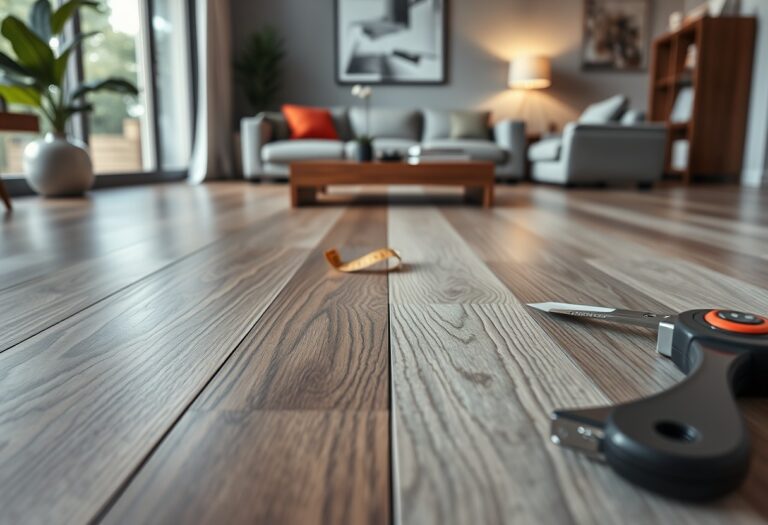


Laminate flooring starts with a photographic layer of wood, stone, or tile, sealed beneath a protective top coat, giving you a durable surface that resists scratches and fading. You weigh this against waterproof laminate and vinyl, both marketed for moisture-prone areas, yet built differently. Your choice hinges on structure, performance under water, texture, installation ease, and long-term wear in your specific environment.
The Makeup of the Board
Understanding what lies beneath the surface helps determine how a floor performs over time. Vinyl and waterproof laminate differ fundamentally in core construction, affecting stability, feel underfoot, and response to environmental changes. Your choice here influences not just comfort but long-term performance in your specific space.
The plastic center
A plastic core defines rigid core vinyl, made mostly from limestone, polyvinyl chloride, and stabilizers. This composition delivers inherent water resistance and dimensional stability, even in damp basements or sunlit rooms where temperature shifts occur. The material won’t swell or warp when exposed to moisture.
The fiber core
Waterproof laminate relies on a high-density fiberboard core infused with wax or other moisture-resistant additives. While not naturally impervious, this core resists spills and humidity when properly sealed at the edges. It mimics the density of real wood, offering a familiar underfoot feel.
High-density fiber cores in modern waterproof laminate have evolved to include advanced polymer barriers within the board structure. A mid-sized SaaS firm retrofitting its office kitchen and break areas selected this type for its balance of acoustic damping and compatibility with underfloor heating, proving effective in high-traffic zones when joints remain intact.
The Trial of the Water
Water reveals the true nature of flooring, separating the resilient from the vulnerable. While both vinyl and waterproof laminate handle spills better than traditional hardwood, their internal reactions differ sharply when moisture lingers beneath or around the seams.
Resistance in the wet
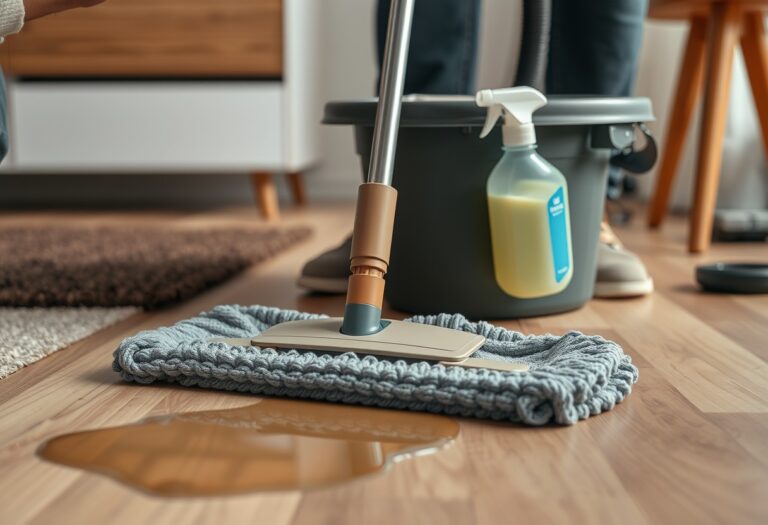
Spills bead up on vinyl’s surface, and even prolonged exposure rarely causes swelling. Its core remains impervious, making it a reliable choice for bathrooms and laundry rooms where damp conditions persist.
Shielding the wood
Laminate relies on a moisture-resistant coating and sealed edges to repel water, but the core is still made of compressed wood fiber. A mid-sized SaaS firm retrofitting its office kitchen chose this option, banking on quick cleanup to prevent seepage.
Underneath the surface, waterproof laminate uses a polymer layer to delay water intrusion, buying time before damage occurs. This barrier doesn’t make it immune-submersion or unchecked leaks will eventually compromise the board, especially at cut edges where protection is thinner.
Hardness and the Mark
Everyday life leaves traces, and your floor’s surface must hold up to constant use. Both vinyl and waterproof laminate resist indentations from furniture and foot traffic, but their responses differ under pressure. Your choice hinges on what kind of wear your space expects.
Guards against the scratch
Laminate typically outperforms vinyl when resisting surface scratches from pet claws or dragged chairs. Its wear layer is harder, often using aluminum oxide to shield the printed design. You’ll find fewer visible marks in high-traffic areas over time.
Strength against the drop
Waterproof laminate can be brittle under impact, especially when installed over uneven subfloors. Dropping a heavy pan or tool may chip the edge of a plank. Vinyl, being more pliable, absorbs such shocks better, reducing the chance of visible damage.
A mid-sized SaaS firm retrofitting its office kitchen opted for vinyl after a caterer dropped a cast-iron skillet during an event, chipping two laminate planks near the island. The replacement cost and downtime prompted a switch in adjacent zones to rigid core vinyl, which has since endured similar accidents without damage. Impact resilience matters most where objects fall unpredictably.
The Look of the Grain
Realistic visuals define modern flooring choices, and both vinyl and waterproof laminate replicate wood grain with increasing accuracy. High-resolution printing captures the organic flow of timber, letting you enjoy the warmth of natural aesthetics without sacrificing performance. Your eye traces patterns that mimic oak, walnut, or ash, often indistinguishable in casual observation.
Pictures of the tree
Photographic layers beneath a protective finish give both materials their wood-like appearance. You see detailed grain patterns, knots, and color variations that mirror real timber, especially in premium planks where manufacturers use actual wood scans. This imaging technique creates depth, making the surface appear less repetitive and more authentic.
Feel of the timber
Surface texture plays a key role in authenticity, and many waterproof laminate and vinyl options now include embossed finishes that follow the grain pattern. When you run your hand across the floor, subtle ridges and grooves simulate the natural grain of real wood, enhancing realism beyond what sight alone can confirm.
Embossing technology has advanced to match the visual grain with a corresponding tactile profile, meaning the raised lines you see are also slightly elevated to the touch. Some vinyl planks use a layered wear coat with texture pressed in during manufacturing, while laminates often feature a deeper embossing process that mimics the cellular structure of real hardwood. This alignment of sight and touch strengthens the illusion of genuine timber underfoot.
The Work of the Hands
Installing either vinyl flooring or waterproof laminate demands precision, but the methods differ in execution and tolerance. Your approach will depend on subfloor conditions, room layout, and whether you’re working with planks or tiles. Each material responds differently to cuts, seams, and expansion gaps, affecting both speed and final appearance.
Snapping the joints
You align the tongue of one plank into the groove of another at a slight angle, then press down to lock them together. This click-system design speeds up installation and requires no adhesive. Misalignment can cause gaps or damage, so tap gently with a tapping block if needed.
Leveling the ground
You must ensure the subfloor is flat within 3/16 inch over a 10-foot span to prevent joint stress and uneven wear. High spots need sanding, while low areas may require self-leveling compound. A smooth base supports long-term stability and prevents plank deformation.
Uneven subfloors compromise both materials, but waterproof laminate is less forgiving due to its rigid core. Vinyl, especially LVT with a cork or foam backing, can better absorb minor imperfections. A mid-sized SaaS firm retrofitting its office kitchen area found that skipping proper leveling led to visible gaps in the laminate within three months, while the adjacent vinyl section remained intact. Use a long straightedge and check multiple directions before laying the first row.
The Cost of the Floor
Money spent today
Installing vinyl flooring typically requires a lower upfront investment, especially if you’re working with a large area or choosing a mid-tier luxury vinyl plank. Material costs are competitive, and professional installation remains affordable due to the product’s flexibility and ease of fitting.
Value in the years
Your choice today affects long-term value, as waterproof laminate often maintains its appearance longer in high-traffic zones. While both resist moisture, laminate’s rigid core and scratch-resistant wear layer can reduce visible wear over a decade, particularly in homes with pets or frequent foot traffic.
Laminate’s surface resists fading from sunlight better than many vinyl options, preserving color fidelity in rooms with large windows. Some manufacturers offer extended warranties on wear and stain resistance, reflecting confidence in longevity. Though replacement cycles may be less frequent, repair options are limited if the core becomes compromised, unlike vinyl which can sometimes be patched or局部 replaced with careful matching.
Summing up
You weigh practical needs against aesthetic preferences when choosing between vinyl flooring and waterproof laminate. A busy kitchen may benefit from vinyl’s complete moisture resistance, while a sunlit living room might showcase laminate’s textured grain. Your lifestyle, the room’s function, and long-term maintenance shape the decision. One mid-sized SaaS firm replaced aging carpet with vinyl in its breakroom after repeated spills led to odor issues, while a family with large dogs opted for scratch-resistant laminate in the hallway. Each material performs well in specific conditions, so your space determines the best fit. Installation method, underlayment requirements, and plank thickness also influence durability. You make the final call based on real-world use, not marketing claims.