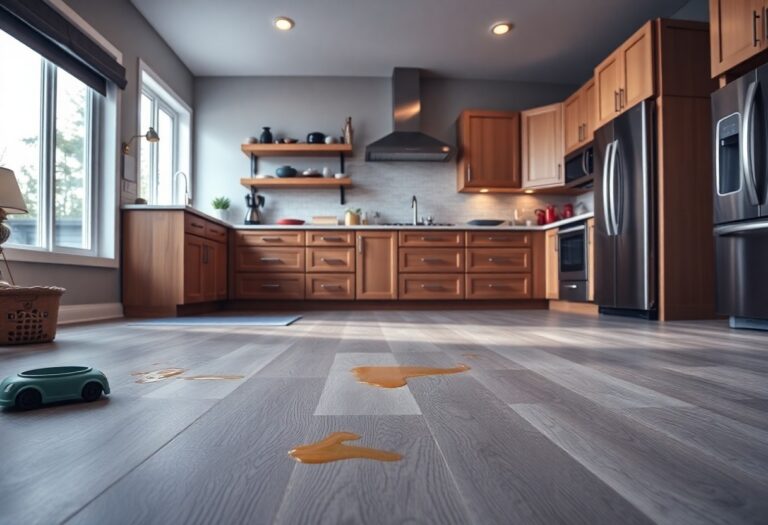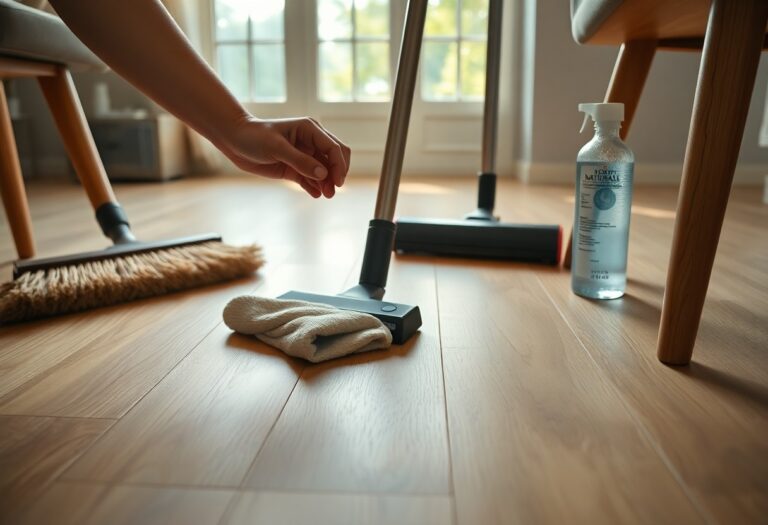

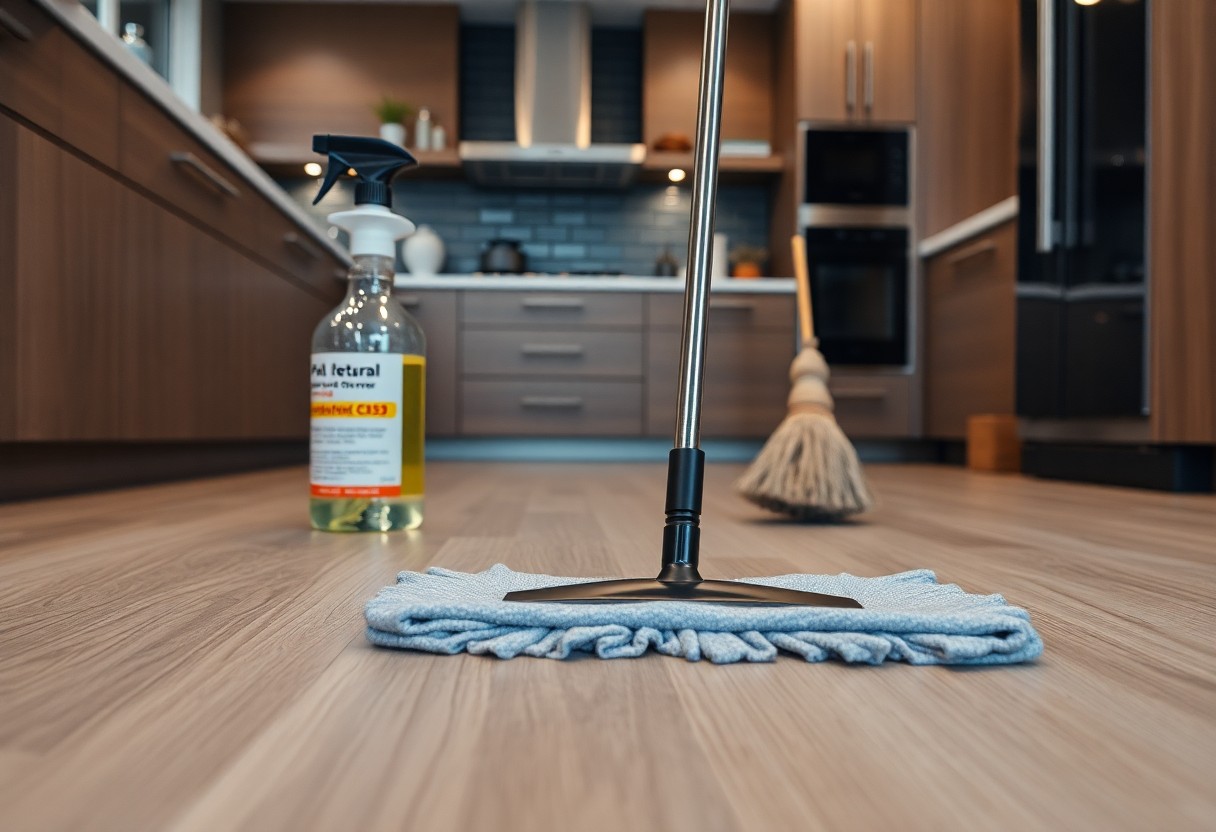
Many homeowners in Kitchener choose SPC vinyl for its durability and water resistance, and you can prolong its life by following professional maintenance steps: sweep or vacuum daily to remove grit, use a damp mop with a pH-neutral cleaner for spills, place mats at entries to reduce dirt, use felt pads under furniture to prevent scratches, and monitor humidity to avoid edge lifting; proper care keeps your floors looking like new.
Understanding SPC Vinyl Flooring
When you choose SPC vinyl, its rigid stone-plastic composite core (limestone, PVC and stabilizers) gives superior dimensional stability and water resistance. Typical plank thickness is 4-8 mm and wear layers range 0.3-0.7 mm (12-28 mil), so your floors resist dents, heavy foot traffic and won’t swell in humid Kitchener basements.
What is SPC Vinyl Flooring?
SPC stands for stone plastic composite; its dense core is produced by fusing limestone powder, PVC and stabilizers under heat and pressure. Manufacturers design SPC to outperform WPC and sheet vinyl in rigidity and dimensional stability, so your click‑lock planks stay flat and water stays out even after long spills or seasonal humidity shifts.
Benefits of SPC Vinyl Flooring
You’ll find SPC excels at scratch, stain and dent resistance, while being 100% waterproof-ideal for kitchens, mudrooms and basements. Installation is fast with floating click systems, maintenance is low (sweep and damp mop), and many manufacturers back residential products with 10-25 year warranties depending on wear‑layer thickness.
From a practical standpoint, choose a 0.5 mm (20 mil) wear layer for busy households with pets and children; commercial spaces often use 0.7 mm (28 mil). In one Kitchener renovation, homeowners installed 5 mm SPC with a 0.5 mm wear layer and reported no visible wear after three years of heavy kitchen use, demonstrating long‑term value when you match wear layer to traffic.
Daily Maintenance Tips
Keep a short daily routine to limit grit and stains: you should sweep or vacuum high-traffic zones once a day using a soft-brush attachment, damp-mop weekly with a microfiber pad, and place doormats at primary entrances to capture salt and sand from Kitchener winters.
- Sweep/vacuum daily (soft-brush)
- Damp-mop weekly with microfiber
- Use entry mats and remove grit
Thou avoid steam cleaners and abrasive pads that strip the wear layer.
Cleaning and Dusting
Vacuum daily around meal prep areas with the brush-off setting and use a microfiber dust mop to pick up fine particles that cause micro-scratches; you should swap to a soft-bristle broom for corners and vacuum edges and under appliances at least once weekly, increasing frequency to twice weekly in winter when grit is higher.
Avoiding Damage from Spills
Blot spills immediately with paper towels or a microfiber cloth to prevent liquids from settling in embossed textures, then wipe with a damp cloth and a manufacturer-recommended pH-neutral cleaner following dilution instructions on the label; you should not let standing water remain more than 24 hours and should lift solids with a plastic scraper before wiping.
For tough stains-coffee, red wine or food dyes-test cleaners on an inconspicuous seam, then use a damp cloth with the approved cleaner; for ink or marker you can try 70% isopropyl alcohol applied briefly on a soft cloth, rinsing afterward. If a single gentle attempt doesn’t remove the stain, contact your installer or the flooring manufacturer’s care line rather than repeatedly scrubbing, which can wear through the protective coating.
Deep Cleaning Procedures
When soils exceed routine maintenance-typically every 3-6 months in a busy Kitchener kitchen-perform a focused deep clean: vacuum with a soft-brush head, pre-treat grease with a pH-neutral degreaser on stained areas for 5-10 minutes, then mop using the methods below; for a 15 m² kitchen plan on two full mop passes and replace your solution if it becomes cloudy or after about 20-30 m² cleaned to avoid re-depositing grime.
Recommended Cleaning Solutions
Use a pH-neutral commercial SPC or vinyl floor cleaner diluted per label-commonly 30-60 mL per 3.8 L (1 gal)-or a mild dish soap at 15-30 mL per gallon for heavy grease; avoid bleach, ammonia, wax-based products, and abrasive powders that strip wear layers or dull finishes; always spot-test a 30×30 cm area and follow manufacturer guidelines for warranty compliance.
Using a Mop and Bucket
Employ a two-bucket system-clean and rinse-and a flat microfiber mop to lift dirt without scratching; wring the mop until damp (not dripping), work in 1-2 m-wide sections using overlapping S-strokes, and replace the solution when it darkens or after cleaning roughly 20-30 m² to prevent streaking and residue buildup.
For more control, keep water lukewarm (20-40°C), change mop heads every 50-100 hours of use or sooner if soiled, and tackle stubborn spots with a soft nylon brush and a concentrated spot cleaner applied briefly; avoid steam cleaners and abrasive pads, and dry seams or puddles with a microfiber towel to protect joints and adhesive lines.
Protective Measures
Use a layered approach: high-quality entrance mats (at least 18×30 inches) to trap grit, area rugs in cooking and dining zones to shield against spills, and furniture protection to prevent point loads. In Kitchener’s winter you should swap mats often to remove salt and sand; washing mats weekly in heavy seasons cuts abrasive wear. Prefer non-staining backings and low-profile rugs under 6 mm to avoid edge curling and trip hazards.
Area Rugs and Mats
Place low-pile, breathable rugs in entryways and under sinks to capture moisture and debris-choose non-staining natural rubber or felt-backed options and avoid PVC layers that can transfer plasticizers. Rotate rugs every 3 months to even sun exposure and wear, and vacuum high-traffic mats at least twice weekly. For heavy-duty zones use a washable coarse-fiber scraper mat outside and a soft absorbent mat inside to block up to 90% of tracked grit before it reaches your floor.
Furniture Pads
Fit felt or rubberized pads under all chair and sofa legs-opt for pads at least 25 mm (1 inch) in diameter to spread load; replace adhesive pads when compressed or soiled. For moving furniture, use sliders designed for hard floors, and swap hard nylon casters for soft polyurethane or TPR wheels to prevent scuffing. Inspect pads every 6 months, more often in active households.
When installing, clean the floor with isopropyl alcohol and let it dry so adhesive pads bond properly; press firmly and wait 24 hours before heavy use. For heavy pieces like pianos or large buffets, use multiple pads spaced every 30-40 cm along the base or consider a continuous furniture glide to distribute weight. In offices, a chair mat under rolling chairs protects high-wear zones-choose transparent PVC-free mats to avoid staining and test any pad on a hidden spot first.
Seasonal Care
Adjust your routine as seasons shift: during Kitchener’s wet and snowy months increase vacuuming to 2-3 times weekly, dry tracked-in salt within 24 hours to prevent residue, rotate area rugs monthly to spread wear, and mop with a manufacturer-approved cleaner every 1-2 weeks in high-traffic periods.
Preparing for Winter
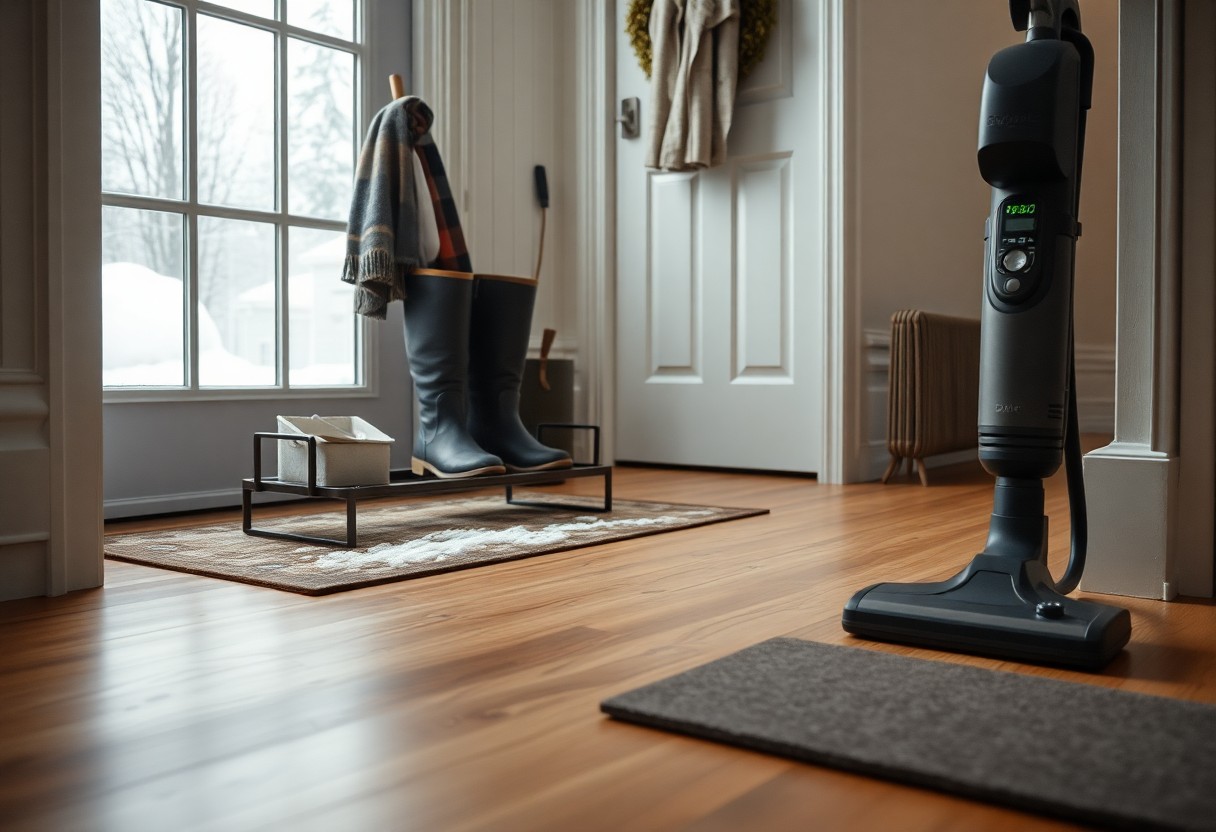
When temperatures commonly dip below -10°C, place absorbent mats and boot trays at entries, remove snow and grit immediately, and set your thermostat to a steady 18-22°C to avoid thermal shock; follow manufacturer guidance for expansion gaps (typically 3-5 mm) and avoid rock-salt de-icers-use calcium magnesium acetate or wipe floors after exposure.
Humidity Control
Maintain indoor relative humidity between 35% and 55% using a digital hygrometer in the kitchen and basement so you can spot swings; deploy a dehumidifier if RH exceeds 60% or a humidifier if it falls below 30%, and inspect for gaps over 3 mm-if planks don’t stabilize after a few days contact your installer.
For sustained control consider a whole-house humidifier or a 50‑pint dehumidifier for damp basements, or a 30‑pint portable unit for a 300-500 sq ft space; run bathroom and kitchen exhaust fans 15-20 minutes after steam-producing activities to prevent spikes, and in one Kitchener case lowering RH from 65% to 45% within 48 hours resolved minor edge separation without plank replacement.
Troubleshooting Common Issues
Start by isolating the symptom – scuffs, scratches, gaps, buckling or discoloration – then match the fix to severity. You’ll often see scuffs removed with a melamine sponge or light polish, while gaps usually trace back to inadequate expansion space or seasonal humidity changes; aim for a 6-10 mm perimeter gap. If substrate variation exceeds 3/16″ over 10 ft you may need leveling. Triage small repairs yourself and contact the installer for recurring or structural problems.
Dealing with Scratches and Scuffs
For surface scuffs use a damp microfiber and a melamine foam pad or a small amount of mineral oil; test first in an inconspicuous spot. When scratches penetrate the wear layer, apply a manufacturer-approved vinyl repair paste or color-matched filler-1500-2000 grit polish can smooth edges on light scratches. Deep gouges (>2 mm or longer than ~5 cm) usually require plank replacement; keep spare planks from installation for exact matches.
Fixing Gaps and Seams
Small gaps under ~2 mm can be closed with a color-matched flexible seam sealer or acrylic caulk; clean the seam with vacuum and a soft brush before applying. If locking joints have separated, re-engage them using a tapping block, pull bar and a rubber mallet, working along the joint toward a wall. For persistent perimeter gaps hide them with quarter-round or reinstall baseboards, and call the installer if multiple seams open or the floor shifts.
When you need a deeper repair, measure and document gap size and pattern first. Remove debris, then try sequentially: re-click with a tapping block, apply a flexible low-VOC silicone or vinyl seam filler for gaps up to ~6 mm, or replace affected planks if joints are damaged. Check subfloor flatness-any deviation over 3/16″ within 10 ft demands leveling with a self-leveling compound before relaying. Keep photos and install records if you must file a warranty claim.
Final Words
Hence you should maintain stable indoor humidity and temperature, use entry mats and felt furniture pads, sweep or vacuum regularly, wipe spills immediately, mop with a pH-neutral cleaner recommended by the manufacturer, avoid steam mops and harsh chemicals, trim pet nails, and rotate rugs in high-traffic areas – these steps will keep your SPC vinyl floor looking professional in Kitchener’s climate.