
Flooring options play a vital role in defining the style and functionality of your space. In the matter of choosing between pre-engineered flooring and solid timber, each has unique benefits that cater to different needs and preferences. You’ll want to consider factors such as durability, maintenance, installation costs, and aesthetic appeal to make an informed decision that aligns with your lifestyle and budget. This guide will help you navigate the key differences so you can confidently select the best option for your home.
The Allure and Limitations of Pre-Engineered Flooring
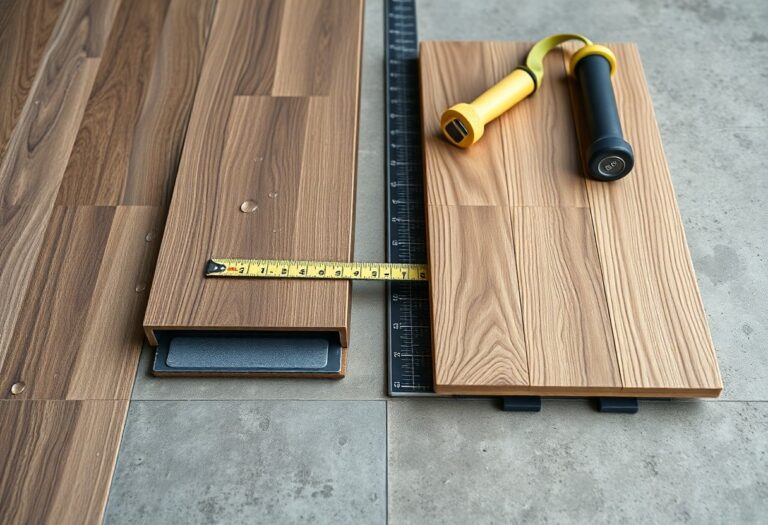
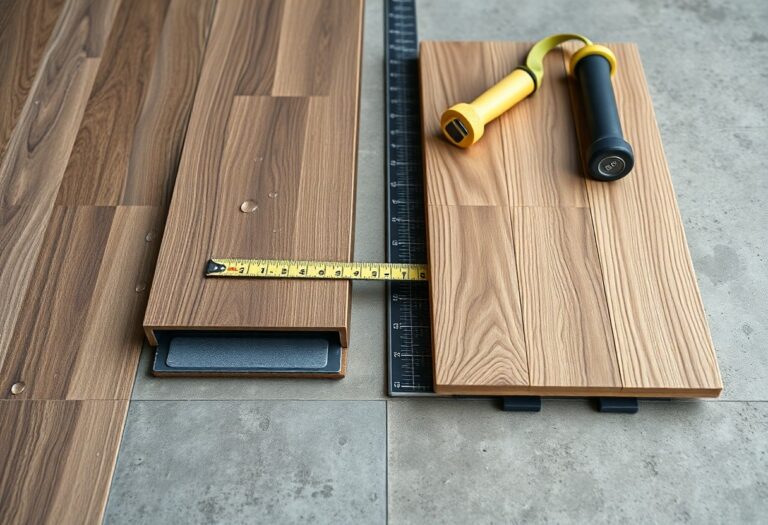
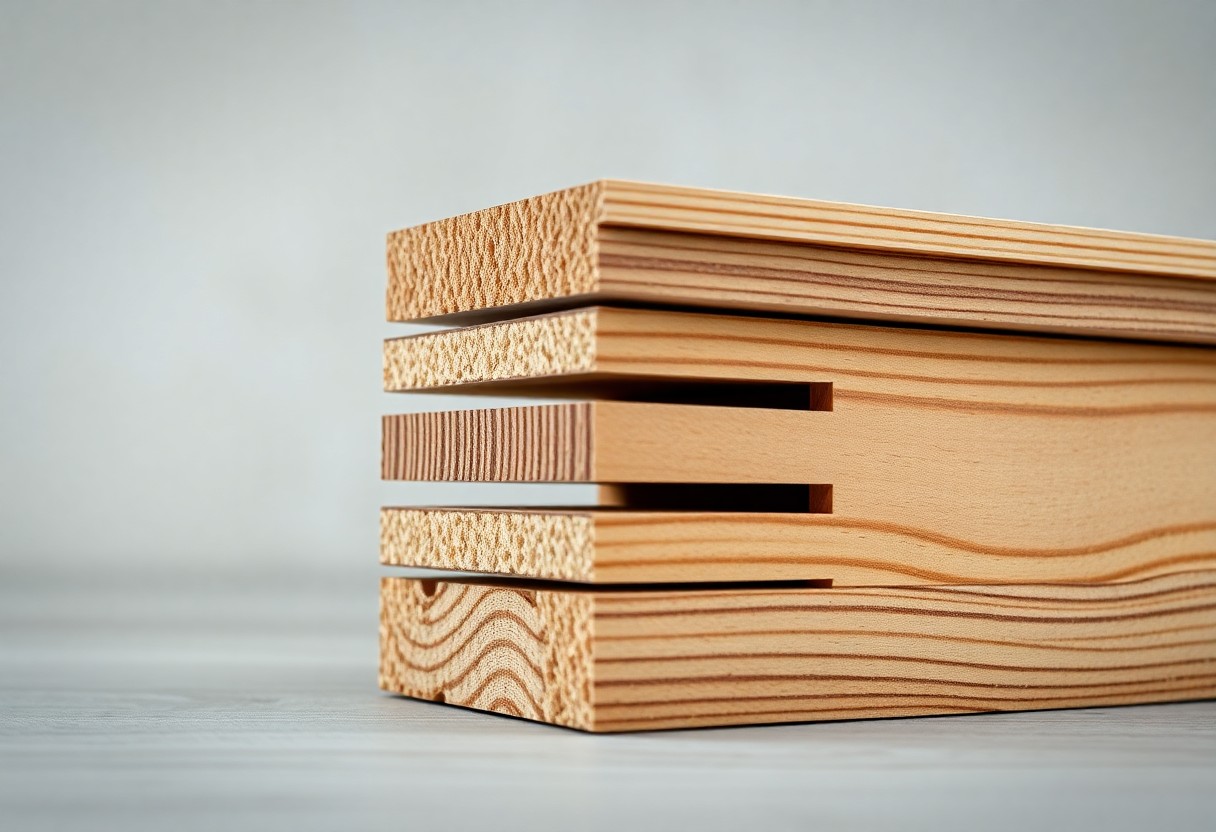
Pre-engineered flooring offers a blend of aesthetic appeal and practical functionality, making it an attractive choice for homeowners. Crafted from multiple layers, it typically consists of a thin veneer of real wood atop high-density fiberboard or plywood, ensuring it’s less susceptible to warping and moisture damage. However, while it mimics the look of solid timber, the longevity and authenticity can sometimes fall short of expectations, particularly in high-traffic areas.
Key Benefits of Pre-Engineered Systems
One of the standout features of pre-engineered flooring is its stability. You benefit from a design that withstands temperature and humidity changes better than solid wood. Installation is another advantage; many options feature an easy click-lock design, allowing for quicker, DIY-friendly setups. A diverse range of designs also means you can find something that perfectly matches your home’s decor without the higher costs associated with solid timber.
The Drawbacks to Consider
While pre-engineered flooring presents various benefits, it has its downsides. One primary concern is the limited ability to refinish the surface. Unlike solid timber, which can handle multiple sanding and refinishing sessions, pre-engineered systems typically allow for only one or two refinishing jobs before the wear layer becomes too thin. Additionally, the thinner wear layer can impact longevity in high-traffic space, potentially leading to quicker wear and requiring replacements sooner than expected.
Another significant drawback is the potential for lower resale value compared to solid timber. Homebuyers often perceive solid wood as a premium choice, reflecting a traditional luxury aesthetic. Due to the calculated cost-effectiveness of pre-engineered flooring, while it offers convenience, the perception of reduced quality can affect your home’s market appeal. Balancing cost and potential long-term value will play a vital role in your decision-making process.
The Timeless Appeal of Solid Timber Flooring
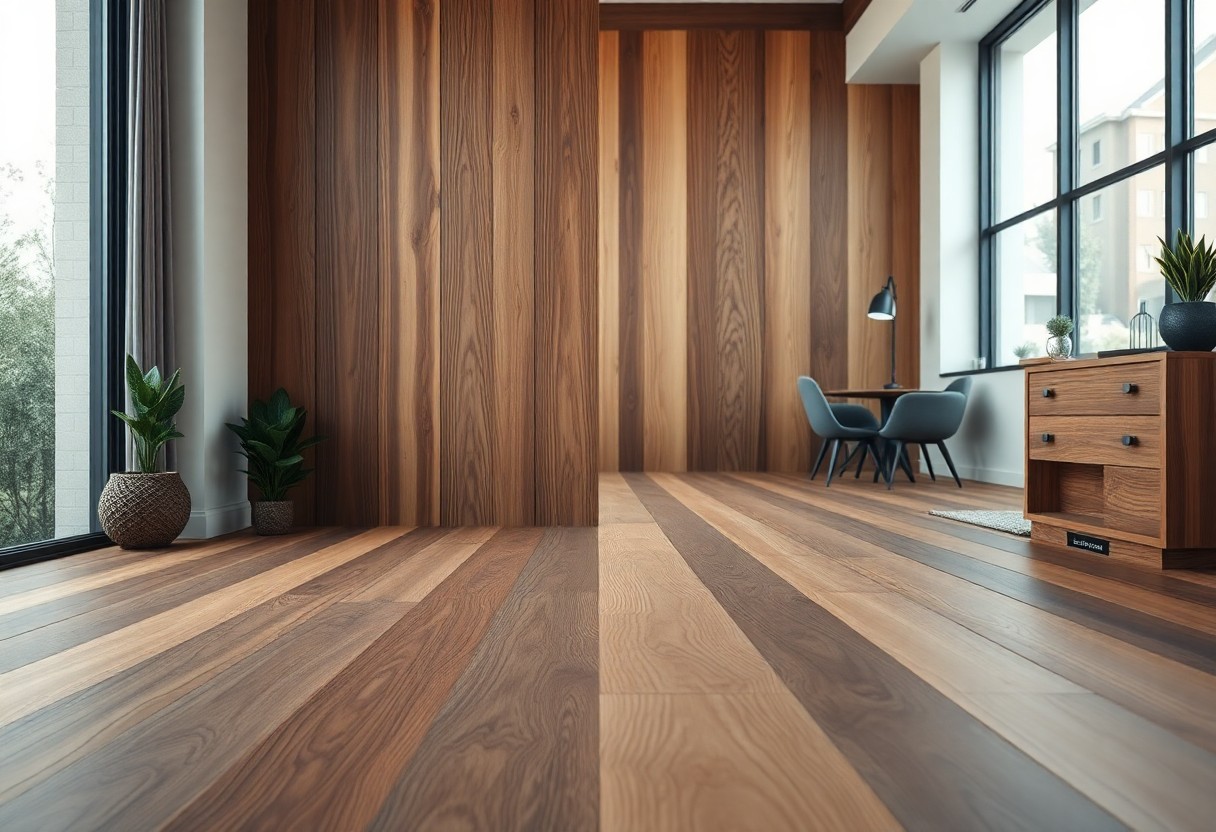
Solid timber flooring embodies a timeless elegance that enhances both traditional and modern spaces. Its natural beauty, unique grain patterns, and warm tones create an inviting atmosphere in any home. This flooring choice ages gracefully, gaining character over time while providing a sense of authenticity that pre-engineered options often lack. With the ability to be sanded and refinished multiple times, solid timber maintains its allure for decades, making it a favorite among homeowners seeking lasting quality.
What Makes Solid Timber a Classic Choice
Solid timber delivers unparalleled durability and a sophisticated look that can complement any decor. The natural variations in the wood grain ensure that each piece is unique, adding a personalized touch to your interiors. This flooring not only enhances resale value but also offers comfort underfoot, as it retains warmth and has a sound-absorbing quality that minimizes noise. Many people appreciate the eco-friendliness of responsibly sourced hardwoods, making it a choice that aligns with sustainable living practices.
Potential Pitfalls of Solid Timber
Despite its many advantages, solid timber flooring comes with potential drawbacks. Vulnerable to moisture and humidity, it can warp or swell in damp conditions, making it less suitable for areas like basements or bathrooms. The initial cost is often higher than alternatives, requiring a larger upfront investment. Additionally, ongoing maintenance, such as regular refinishing, is necessary to preserve its beauty, which can be time-consuming and costly in the long run.
Understanding the potential pitfalls of solid timber is imperative for making an informed choice. High moisture environments can lead to significant issues like cupping or crowning, necessitating careful planning regarding installation. The cost can exceed $8 to $15 per square foot, depending on the wood species, which might stretch your budget. Additionally, while refinishing can restore its original charm, it typically requires professional assistance, adding to the overall maintenance costs. Being aware of these factors can help you weigh whether solid timber fits your lifestyle and home environment.
Comparing Durability: Engineered vs. Solid
| Feature | Engineered Flooring |
|---|---|
| Water Resistance | Higher resistance; better for moisture-prone areas |
| Scratch Resistance | Often treated with protective finishes; more resistant |
| Repairability | Limited sanding and refinishing options |
| Longevity | 15-30 years depending on thickness and quality |
Performance Under Pressure: How Both Materials Stack Up
Engineered flooring typically performs better under pressure due to its multi-layer construction, which provides added stability. This makes it less prone to warping, especially in environments with fluctuating humidity. Solid timber, while durable and strong, can be susceptible to expansion and contraction, leading to potential gaps and unevenness over time. Choosing engineered flooring can be beneficial if your space experiences high traffic or moisture exposure.
Lifespan Expectations and Maintenance Demands
Engineered flooring usually lasts between 15 to 30 years with proper care, while solid timber can offer a lifespan of over 50 years. Solid timber benefits from refinishing, allowing you to maintain its appearance over decades. In contrast, engineered flooring generally requires less maintenance but can’t be sanded multiple times. Regular cleaning and occasional refinishing will keep both types attractive, but solid timber demands more attention to endure over time.
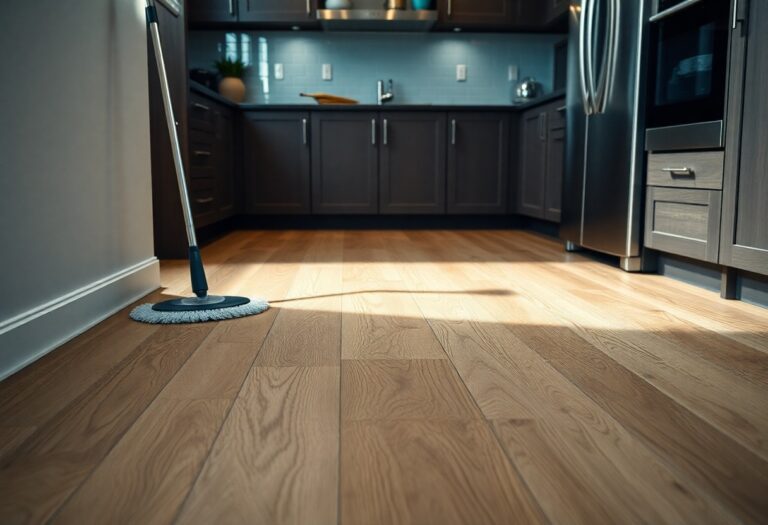
Maintaining solid timber flooring requires vigilance to protect against scratches and moisture, often needing refinishing every few years depending on use. Engineered flooring, while generally more stable, still benefits from regular cleaning and occasional buffing to maintain its surface. Your choice may depend on how much effort you’re willing to invest in upkeep, with solid timber likely requiring more commitment but rewarding you with long-term durability and beauty.
Cost Analysis: Long-Term Investment or Short-Term Savings?
Initial Costs Vs. Lifetime Costs
Initial costs for pre-engineered flooring are typically lower than solid timber, making it an attractive option for budget-conscious homeowners. While solid timber can range from $8 to $15 per square foot, pre-engineered flooring often falls between $3 and $10 per square foot. However, factoring in potential maintenance, longevity, and repair costs reveals a different picture. Solid timber generally lasts longer, often exceeding 75 years if well cared for, whereas pre-engineered flooring may need replacement within 20-30 years, affecting overall lifetime costs.
Resale Value Considerations
Investing in solid timber flooring can significantly enhance your home’s resale value compared to pre-engineered materials. Potential buyers typically view solid timber as a premium feature, which can lead to higher offers. Properties with high-quality hardwood floors often sell for 3-5% more than those with alternative flooring options. Your choice in flooring should align with your long-term goals; opting for solid timber can be a strategic move if you plan to sell your home in the future.
Market trends indicate that homes featuring solid timber flooring not only attract more buyers but also move faster on the market. For instance, a case study showed that properties with solid wood floors sold on average 20 days sooner than comparable homes with pre-engineered options. Additionally, the allure of natural materials often appeals to eco-conscious buyers, further boosting your home’s marketability. Solid timber flooring can justify higher price points, making it a worthwhile investment for those considering future resale opportunities.
Environmental Impact and Sustainability Concerns
Your choice in flooring can significantly affect the environment. Solid timber flooring often involves the depletion of hardwood forests, leading to habitat destruction and biodiversity loss. In contrast, pre-engineered flooring typically uses less wood and incorporates sustainable sourcing practices, reducing environmental strain. Choosing a flooring type involves assessing the long-term sustainability and ensuring that responsible manufacturing processes are prioritized.
Sourcing and Manufacturing Practices
Eco-Friendliness of Each Flooring Type
To wrap up
Conclusively, choosing between pre-engineered flooring and solid timber depends on your specific needs and preferences. If you value ease of installation and moisture resistance, pre-engineered flooring may be the best option for you. On the other hand, if you prefer the authentic look and longevity of solid timber, it could enhance your space significantly. Consider your lifestyle, budget, and desired aesthetics to make an informed decision that suits your home best.