

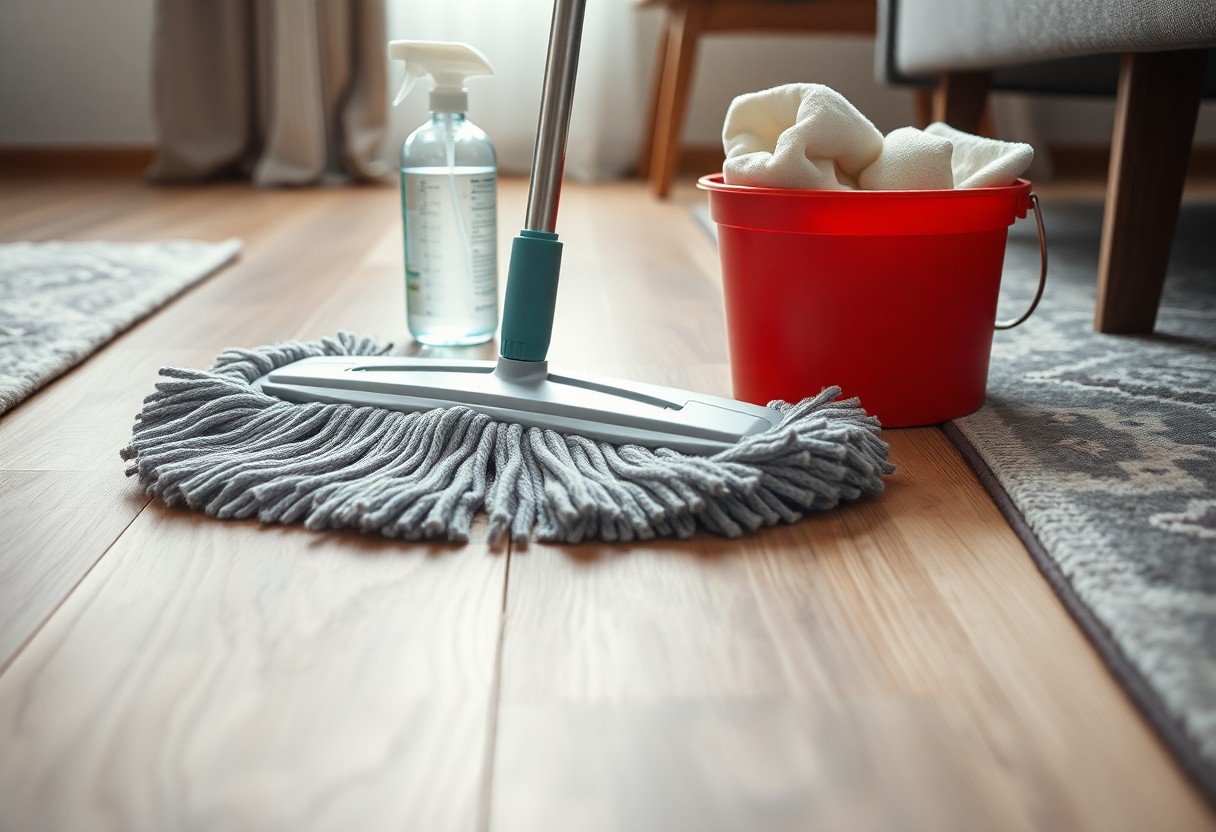
Over time, engineered and vinyl floors can lose their shine without proper care. You can keep them looking new by following simple, consistent steps. Daily sweeping, prompt spill cleanup, and using the right cleaners make a lasting difference. Protect surfaces from scratches and sunlight to preserve their appearance for years.
Key Factors That Influence Floor Longevity
Proper care and environmental conditions directly affect how long your engineered or vinyl floors retain their appearance.
- Installation quality
- Exposure to moisture
- Traffic intensity
- Regular maintenance habits
After identifying these variables, you gain better control over preserving your floor’s finish and structural integrity.
Understanding material sensitivity to moisture
Engineered and vinyl floors resist moisture better than solid wood, but prolonged exposure still causes damage. Standing water leads to warping, swelling, or adhesive failure, especially at seams and edges. You must wipe spills quickly and avoid wet mopping methods that allow water penetration.
Analyzing the impact of high-traffic zones
Entryways, hallways, and kitchens endure constant foot traffic, accelerating surface wear. Repeated abrasion from shoes, furniture movement, and pet nails dulls the finish over time. You’ll notice fading or scratching more in these areas than elsewhere.
High-traffic zones experience concentrated stress that breaks down protective coatings faster. Without area rugs or floor protectors, the finish erodes, exposing the core layer to potential damage. You should monitor these spots monthly and adjust cleaning or protection strategies to slow deterioration and maintain uniform appearance across the floor.
Essential Daily Cleaning Tips
- Sweep or dry mop daily to prevent grit buildup.
- Use a damp mop with a manufacturer-approved cleaner.
- Avoid excess water, which can damage seams and edges.
- Wipe up spills immediately to prevent staining.
Knowing the right routine keeps your engineered or vinyl floors looking fresh and extends their lifespan without effort.
Best practices for grit and dust removal
Start each day by removing loose debris with a soft-bristle broom or microfiber dry mop. Grit acts like sandpaper over time, dulling the surface. Cleaning this way preserves the finish and prevents fine scratches from forming with regular foot traffic.
Selecting the correct vacuum attachments
Choose a vacuum with a hard-floor setting and a soft roller or felt brush head. These attachments lift dust without scratching. Avoid beater bars or stiff bristles that can wear down the wear layer over time.
A vacuum designed for hard surfaces ensures effective cleaning while protecting your floor’s texture and sheen. The right attachment glides smoothly, capturing fine particles without dragging or scraping. Look for models with adjustable height settings so the head doesn’t press too hard on the surface, maintaining both cleanliness and integrity.
How to Deep Clean Your Floors Safely
Regular deep cleaning keeps your engineered or vinyl floors looking fresh without risking damage. Use tools and products designed for sensitive surfaces, and always follow manufacturer guidelines to preserve the finish and integrity of your flooring over time.
Utilizing pH-balanced cleaning solutions
You should only use pH-neutral cleaners on engineered or vinyl floors. Harsh chemicals can strip the protective layer, leading to dullness or warping. A balanced solution maintains shine while effectively removing built-up grime without harming the surface.
Techniques for streak-free damp mopping
Start with a well-wrung mop to avoid excess moisture. Glide it in smooth, overlapping strokes following the plank direction. This method lifts dirt efficiently while leaving behind a clear, streak-free finish that enhances your floor’s natural beauty.
For best results, use a microfiber mop that traps dust and moisture without spreading residue. Work in small sections and change the rinse water when it becomes cloudy. This ensures consistent cleaning and prevents redepositing dirt, keeping your floor uniformly polished and spotless.
Preventative Measures to Stop Scratches
Protect your engineered or vinyl floors by acting early. Simple habits and smart accessories drastically reduce the risk of surface damage over time. Consistent care keeps your floors looking fresh for years.
Strategic use of felt protectors and rugs
Place felt protectors under furniture legs to prevent scuffs during movement. Use rugs in high-traffic zones like entryways and hallways to shield the surface from daily wear. These small additions make a noticeable difference in preserving your floor’s finish.
Managing pet claws and heavy furniture
Trim your pet’s nails regularly to minimize accidental scratches on the surface. Lift heavy furniture instead of dragging it-using a dolly or sliders protects both the floor and the item. These simple actions maintain the smooth appearance of your flooring.
Keeping pet claws neatly trimmed prevents deep grooves from forming with everyday activity. When moving heavy furniture, always lift rather than slide it across the floor. Even small shifts can cause lasting damage, so take time to protect your investment with proper handling techniques.

How to Protect Floors from Environmental Damage
Every day, unseen forces like sunlight and fluctuating humidity can quietly degrade your engineered or vinyl flooring. Protecting against these elements ensures lasting beauty and performance. Simple preventive steps make a significant difference over time.
Mitigating UV exposure and color fading
Direct sunlight can cause your floor to fade unevenly, leaving noticeable discoloration. You can prevent this by using curtains, blinds, or UV-blocking window films. Rearranging rugs and furniture occasionally also helps maintain a consistent appearance across the surface.
Controlling indoor humidity for stability
High or low humidity levels can lead to warping, gapping, or buckling in your flooring. You should keep indoor humidity between 30% and 50% year-round. Using a dehumidifier in damp seasons and a humidifier in dry months helps maintain balance.
Fluctuations in humidity cause engineered and vinyl floors to expand and contract, which over time may compromise seams and structure. You’ll notice early signs like slight lifting at the edges or tight seams in summer and gaps in winter. By monitoring indoor moisture with a hygrometer and adjusting your HVAC settings or using climate control devices, you preserve not only appearance but also the structural integrity of your flooring for years.
Tips for Handling Minor Scuffs and Repairs
- Use a vinyl eraser or melamine foam for light surface marks
- Touch up deep scratches with a matching wax filler pen
- Always test repair methods in an inconspicuous area first
After addressing minor damage promptly, your floor maintains its original appeal with minimal effort.
Simple methods for removing surface marks
Start by wiping the area with a damp microfiber cloth and mild cleaner. For stubborn scuffs, gently rub with a vinyl eraser or melamine sponge. Avoid abrasive pads that can dull the finish. Most marks lift easily when treated quickly.
When to consider individual plank replacement
Replace a plank only when damage is deep and repair attempts fail. Cracks, warping, or missing chunks that affect appearance or function signal it’s time. After assessing the extent, proceed with caution to preserve surrounding planks.
Some engineered and vinyl floors can be disassembled plank by plank using a pull bar and pry bar, especially if they’re floating installations. Locate an inconspicuous starting point, usually near the edge of the room, and work carefully to avoid damaging adjacent boards. After removing the damaged plank, install the new one by reversing the process and ensure it clicks securely into place.
Summing up
With this in mind, you protect your engineered or vinyl floors by wiping spills quickly, using doormats to reduce dirt, and choosing furniture pads to prevent scratches. Regular cleaning with manufacturer-approved products keeps the surface looking fresh. You maintain long-term beauty by avoiding harsh chemicals and excessive moisture, ensuring your floors stay attractive for years.