
This guide shows you the newest vinyl flooring trends and styles shaping modern homes. You’ll discover realistic textures, bold patterns, and durable options that fit any space. With expert insights, you can make confident choices that match your taste and lifestyle.
Essential Factors to Consider Before Purchase
- Wear layer thickness and durability ratings
- Core composition and water resistance levels
- Installation method and subfloor compatibility
- Style and color coordination with existing décor
Perceiving these elements clearly ensures your vinyl flooring meets both aesthetic desires and practical demands.
Wear Layer Thickness and Durability Ratings
You need a wear layer that matches your space’s foot traffic. Residential areas typically do well with 12-20 mil, while commercial zones benefit from 28 mil or higher. Higher ratings resist scratches and fading, preserving appearance over time.
Core Composition and Water Resistance Levels
WPC and SPC cores offer superior water resistance compared to traditional vinyl. These rigid cores prevent swelling in damp areas like kitchens or basements. You can confidently install them without worrying about moisture damage under normal conditions.
WPC (Wood-Plastic Composite) contains a mix of vinyl and wood flour, giving it a softer, more forgiving feel underfoot while still resisting water. SPC (Stone-Plastic Composite) uses limestone powder, making it denser and more impact-resistant. Both are 100% waterproof when properly installed, but SPC performs better in extreme temperature shifts and high-moisture environments. Your choice depends on subfloor type, room usage, and comfort preference.
Weighing the Pros and Cons of Modern Styles
Modern vinyl flooring offers striking visuals and practical benefits, but it’s wise to consider both sides before deciding. Your choice impacts not only aesthetics but also long-term satisfaction and home value.
| Pros | Cons |
|---|---|
| Realistic wood and stone visuals | Can show wear over time in high-traffic areas |
| Water-resistant and easy to clean | Not biodegradable; environmental concerns |
| Lower cost than natural materials | May decrease home resale appeal for purists |
| Wide range of colors and patterns | Some types emit VOCs during installation |
| Comfortable underfoot compared to tile | Difficult to repair if deeply scratched |
| DIY-friendly installation options | Lifespan shorter than hardwood or stone |
| Scratch and stain-resistant finishes | Can fade with prolonged sun exposure |
| Compatible with underfloor heating | Resale perception varies by market |
| Low maintenance requirements | Adhesives may require professional removal |
| Sound-dampening qualities | Not suitable for all design palettes |
Aesthetic Versatility and Cost-Effectiveness
You can mimic high-end materials like marble or reclaimed oak without the price tag. This flexibility lets you achieve luxury looks across large areas while staying within budget.
Environmental Impact and Long-term Value
Your choice affects both the planet and your wallet over time. While vinyl is durable and affordable, its production and disposal raise sustainability questions worth considering.
Many modern vinyl options now include recycled content and low-VOC emissions, improving their environmental profile. Though not as eco-friendly as natural flooring, advancements in manufacturing and recyclability programs are helping reduce long-term impact. You gain years of performance and style, but should weigh disposal methods and local recycling capabilities when making your decision.
Step-by-Step Guide to Professional Installation
| Step | Action |
| 1 | Inspect and prepare the subfloor |
| 2 | Allow vinyl planks to acclimate |
| 3 | Choose installation method |
| 4 | Lay the first row with precision |
| 5 | Continue locking or gluing planks |
| 6 | Install trim and transition pieces |
Subfloor Preparation and Material Acclimatization
You must ensure your subfloor is clean, dry, and level before laying vinyl. Any debris or unevenness can telegraph through the surface. Let planks sit in the room for 48 hours so they adjust to temperature and humidity, preventing gaps or warping after installation.
Floating Floor vs. Glue-Down Methodologies
You have two main options: floating or glue-down. Floating floors click together and rest on the subfloor, making them easier to remove or replace. Glue-down installations bond each plank directly, offering more stability in high-moisture areas like kitchens or basements.
Choosing between floating and glue-down depends on your space and long-term plans. Floating installations work well over existing floors and are ideal for rentals or DIYers wanting flexibility. Glue-down methods suit concrete subfloors and deliver a more permanent, stable feel underfoot, especially in areas with heavy foot traffic or fluctuating temperatures.
Expert Maintenance Tips for Lasting Beauty
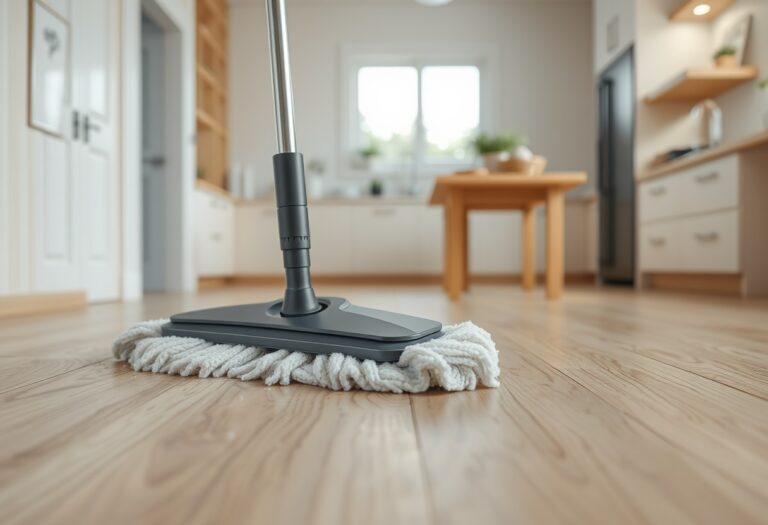
- Use a soft-bristle broom or microfiber mop daily
- Avoid harsh chemicals; stick to pH-neutral cleaners
- Place mats at entryways to reduce dirt transfer
- Wipe spills immediately to prevent staining
Knowing how to care for your floor ensures it stays vibrant and resilient for years.
Daily Cleaning Protocols and Approved Solutions
You should sweep or dry mop your vinyl floor every day to remove dust and grit. Use a damp mop with a mix of warm water and a manufacturer-approved cleaner once a week. Never use abrasive pads or ammonia-based products-they can damage the finish over time.
Preventative Measures Against Scratches and Fading
Furniture pads under legs protect your floor from scuffs and dents. Limit direct sunlight exposure by closing blinds during peak hours to prevent color degradation. These small actions greatly extend your floor’s visual appeal.
Sunlight contains UV rays that can break down the top layer of vinyl, leading to dullness and discoloration over time. Placing UV-blocking film on windows or using area rugs in sun-prone areas helps maintain the original hue. Likewise, rubber casters on chairs or heavy appliances can leave black marks, so opt for non-staining rollers. Regularly inspect and replace worn pads to keep protection effective.
Summing up
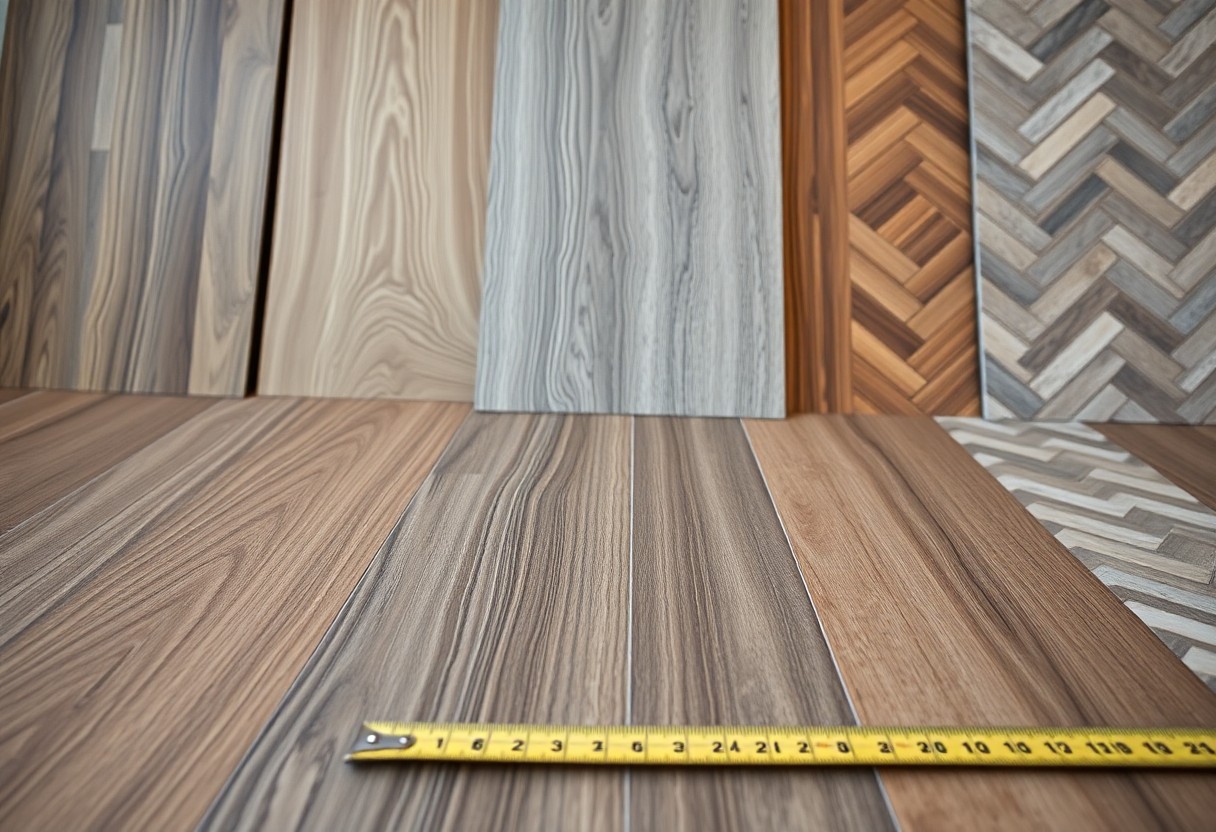
Now you know the latest vinyl flooring trends shaping modern interiors. You can choose from realistic wood and stone visuals, innovative textures, and water-resistant options that suit any room. With improved durability and easier installation, today’s vinyl offers style and practicality. You’re ready to make a confident, informed decision for your space.