
Over time you will weigh engineered flooring’s moisture resistance and installation flexibility against solid hardwood’s longevity and refinishing options to decide which suits your home’s traffic, climate, and budget.
Structural Composition and Material Integrity
Structure of the materials affects longevity and performance; you should weigh species hardness, plank thickness, and tolerance to moisture when choosing between solid and engineered floors.
Solid Hardwood: Single-Species Timber Planks
Solid hardwood gives you single-species planks that can be sanded several times, offering long-term refinishing but demanding stable humidity and careful subfloor preparation.
Engineered Wood: Multi-Layered Core Stability
Engineered wood provides a multi-layer core that resists cupping and shrinking, so you can install it in moisture-prone areas and over radiant heat with greater confidence.
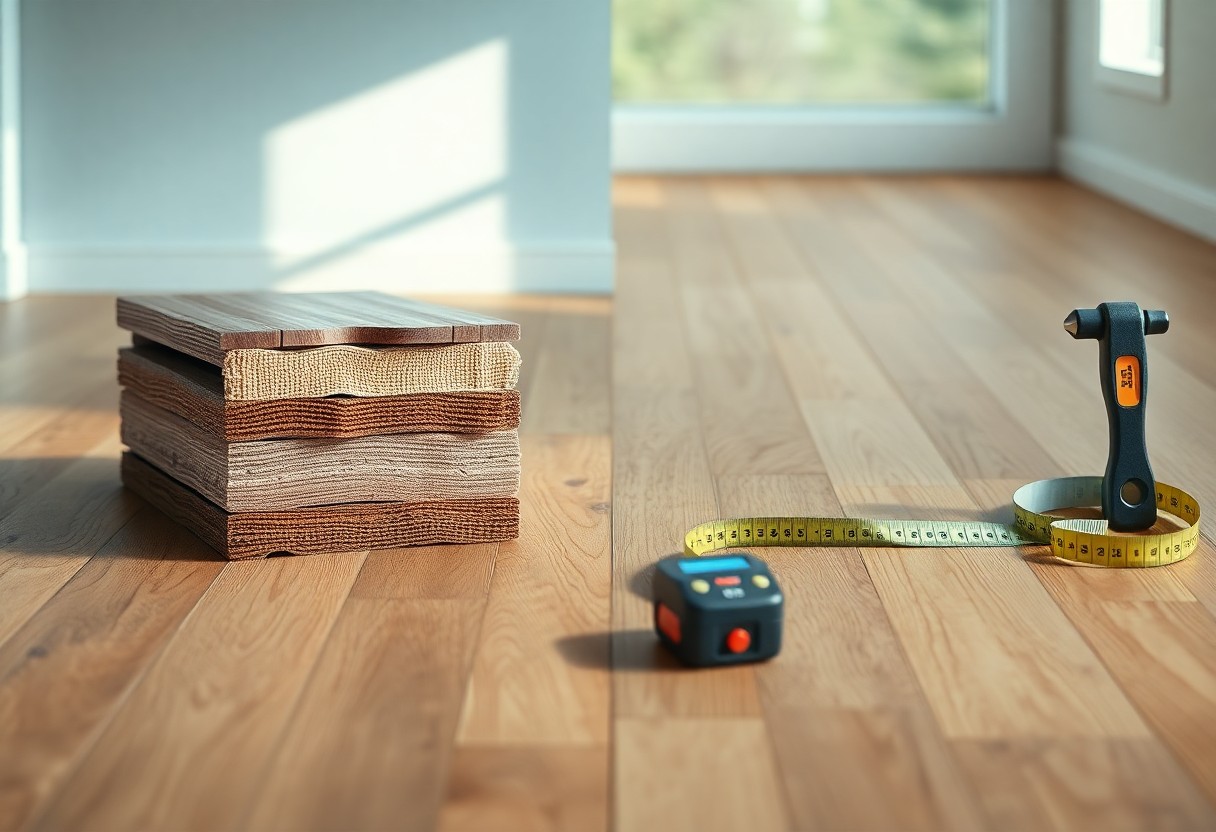
Layered cross-grain cores-typically plywood, HDF, or softwood-stabilize the plank and reduce dimensional change, which helps you maintain an even floor in varying humidity. You should check wear-layer thickness: thicker veneers allow more sanding and longer life, while thinner wear layers limit refinishing to repairs only. Installation flexibility includes floating, glue-down, and nail-down methods, and most engineered options perform well above concrete and over in-floor heating.
Longevity and Refinishing Capabilities
Longevity of solid hardwood often exceeds engineered options because you can sand and refinish repeatedly; you should weigh how long you plan to stay in the home and how much maintenance you’ll accept when choosing between them.
The Sanding Potential of Solid Wood Planks
Solid hardwood lets you sand multiple times, so you can remove deep scratches, change stain color, and restore original character; you should expect decades of refinish cycles depending on plank thickness and species hardness.
Wear Layer Thickness in Engineered Alternatives
Wear layer thickness dictates how often you can refinish engineered boards; you can sand thicker wear layers once or twice, while very thin layers are effectively non-refinishable-verify millimeter specs before purchasing.
Measure wear layer depth in millimeters: 3-6 mm typically allows several sandings, 1-3 mm permits one or two light sandings, and under 1 mm offers only surface refresh; you should match this to household traffic and expected lifespan.
Installation Techniques and Subfloor Requirements
Subfloor prep determines whether engineered or solid hardwood will perform. You must check moisture, levelness, and material compatibility: plywood or OSB suits most installations while concrete requires moisture barriers or proper underlayment. Match your installation method to the subfloor to avoid gapping, cupping, or adhesive failure.
Traditional Nail-Down vs. Glue-Down Methods
Nail-down methods work best over plywood and deliver a traditional, long-lasting fix; you should allow acclimation and skilled nailing to prevent squeaks. Glue-down suits concrete slabs and some engineered planks, but you must use the correct adhesive and moisture mitigation.
Floating Floors and Click-Lock Innovation
Click-lock systems let you float engineered planks over many subfloors with minimal prep; you should add underlayment for moisture control, sound reduction, and proper expansion gaps. You can complete installs faster and often handle the job yourself.
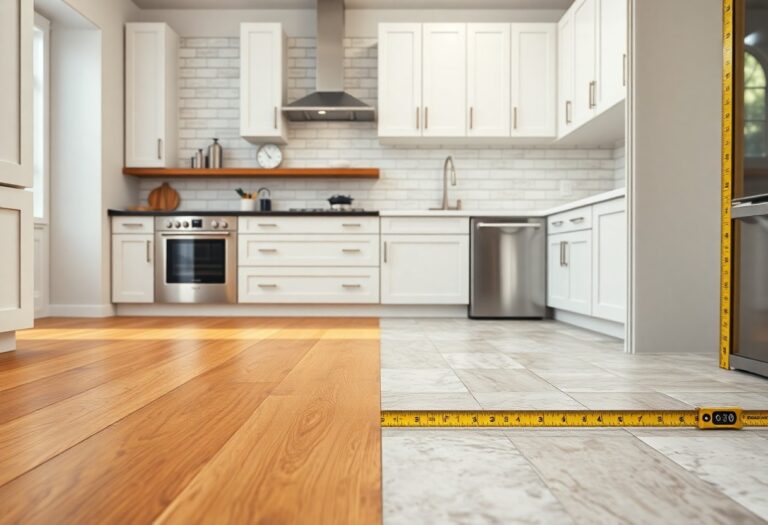
Installation of floating click-lock floors demands a flat, dry subfloor; you should correct dips beyond 3/16 inch over a 10-foot span and use a moisture barrier on concrete. You must acclimate planks, leave manufacturer-recommended expansion gaps at walls and around fixed objects, and plan transitions and thresholds so the floating surface can move freely.
Maintenance and Long-Term Care Protocols
You should schedule regular inspections and refinishing intervals based on material-engineered needs less frequent sanding than solid hardwood-and control humidity to reduce cupping, gaps, and long-term warp.
Daily Cleaning and Protective Measures
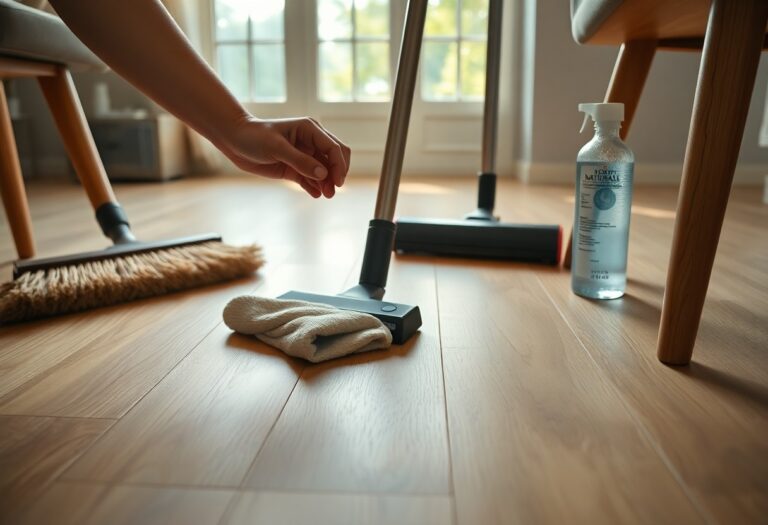
Keep floors free of grit by sweeping daily, vacuuming with a hardwood-safe attachment, and using a damp mop with manufacturer-approved cleaner; place felt pads under furniture and use entry mats to limit wear.
Repairing Surface Damage and Scratches
Address light scratches and dents quickly using touch-up kits, color-matched fillers, or blending pencils for engineered planks and solid boards, and consult a pro for deep gouges or structural issues.
If damage is superficial on engineered flooring, you can often sand and refinish thin top veneers only a few times; solid hardwood accepts more sanding cycles but may need professional work to avoid uneven surfaces. For deeper scratches, clean the area, fill with wood putty matched to your stain, sand smooth, and recoat with a compatible finish, testing in an inconspicuous spot first.
Investment and Resale Value Considerations
You should weigh long-term resale prospects and installation costs when choosing between engineered and solid hardwood; your decision affects durability, maintenance, and buyer appeal over time.
Upfront Material and Labor Costs
Material and labor for engineered flooring typically cost less up front, but high-end engineered or complex installations can approach solid hardwood prices; you should budget for underlayment, acclimation, and skilled installers.
Impact on Property Valuation and Market Appeal
Buyers often favor solid hardwood as a premium feature, yet well-chosen engineered floors can preserve value in humid areas and modern listings, so you should match flooring to buyer expectations.
Consider local market trends, neighborhood price points, and typical buyer demographics when estimating how flooring will affect your home’s value. You can increase appeal with wider planks, durable finishes, and color choices that suit prevailing tastes, while the ability to refinish solid hardwood multiple times is a selling point for traditional buyers. Engineered options with strong warranties and moisture resistance can attract practical buyers and boost lists for basements or coastal homes. Consult recent comparable sales and a real estate agent to quantify potential return on investment.
Conclusion
Conclusively, you should choose engineered flooring for moisture-prone areas and budget flexibility, while solid hardwood suits resale value and long-term refinishing; assess your climate, traffic, and maintenance preferences to decide which best fits your home.