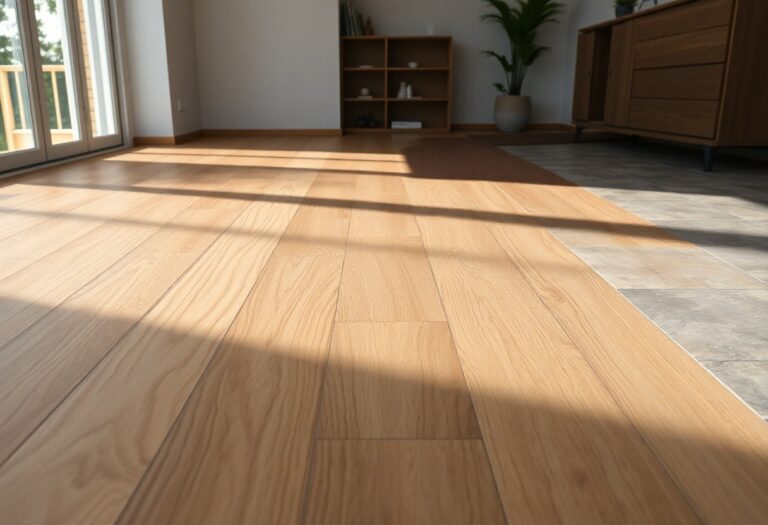

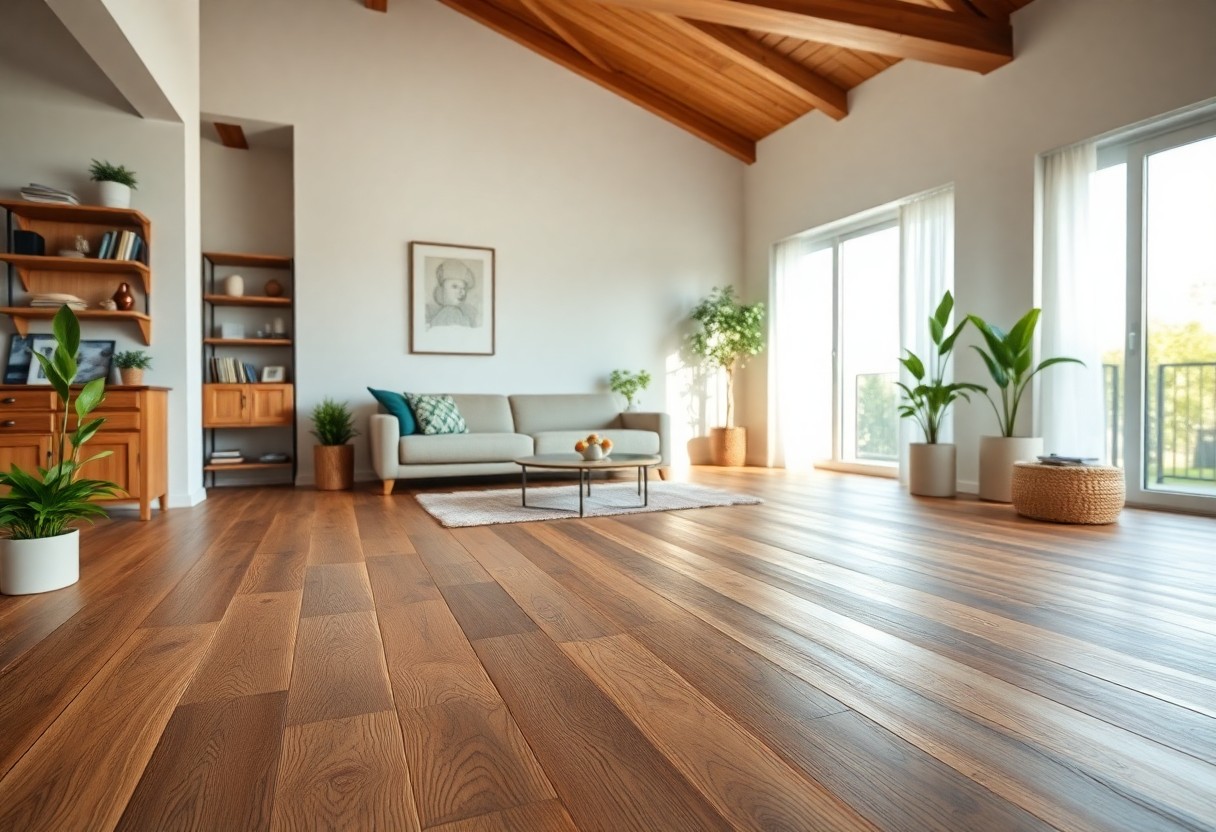
Just as you consider the long-term investment in your home, engineered timber flooring presents both aesthetic appeal and durability. This guide will help you understand its benefits, including maintenance, lifespan, and overall value, allowing you to see whether the initial price aligns with your financial and design goals. By weighing these factors, you can make an informed decision that enhances your living space and protects your investment for years to come.
The Economic Framework of Engineered Timber Flooring
Understanding the economic implications of engineered timber flooring involves examining both its initial costs and the subsequent financial benefits over time. As you evaluate your options, consider factors such as installation, market value, and potential returns on investment. Engineered timber promises not only aesthetic appeal but also practical advantages that can enhance your property’s worth, making it a compelling choice for homeowners seeking long-term value.
Initial Investment vs. Long-term Returns
The upfront cost of engineered timber flooring typically ranges between $3 to $14 per square foot, depending on quality and brand. While this may appear steep initially, its durability and resistance to environmental factors often lead to a higher return on your investment. Homebuyers increasingly appreciate quality flooring, meaning your choice can significantly increase your property’s market appeal and resale value.
Maintenance Costs and Longevity
Engineered timber flooring requires minimal maintenance, which significantly reduces long-term costs. With proper care, it can last 30 years or more, far outpacing standard hardwood. Regular cleaning and occasional refinishing typically suffice to keep it in prime condition. This longevity, coupled with low maintenance needs, positions engineered timber as a wise investment for your home.
In addition to infrequent maintenance, engineered timber flooring’s resistance to moisture and temperature fluctuations enhances its lifespan, making it suitable for various environments, including basements and kitchens. Typical wear and tear can be addressed without extensive refurbishment, often requiring only the application of a protective coating. This aspect not only preserves its appearance but also contributes to the overall cost-effectiveness of your investment in the long run.
Environmental Benevolence: Sustainable Choices in Flooring
Opting for engineered timber flooring translates to making a sustainable choice for your home. This flooring type utilizes less primary wood while incorporating layers of renewable resources, promoting eco-friendly practices. Manufacturers increasingly prioritize sustainable sourcing, ensuring their operations favor the conservation of forests and ecosystem balance. By choosing engineered timber, you mitigate the environmental impact as it supports both aesthetic ambitions and responsible stewardship of natural resources.
The Source of Engineered Timber
Your choice in engineered timber flooring significantly hinges on its sourcing. Reputable brands often utilize certified wood from sustainably managed forests, ensuring minimal ecological disruption. These certifications, such as the Forest Stewardship Council (FSC), ensure responsible harvesting practices, promoting reforestation and biodiversity conservation. This conscious approach allows you to enjoy the beauty of wood while supporting sustainable forestry initiatives.
Lifecycle Analysis: Carbon Footprint and Waste
Examining the lifecycle of engineered timber flooring reveals insights into its carbon footprint and waste management. The production process—often utilizing fast-growing wood species and advanced manufacturing techniques—results in a lower carbon output compared to traditional hardwood. Additionally, durability extends its lifespan, reducing the need for replacement and subsequent waste generation. A commitment to recycling and eco-friendly disposal methods further enhances its sustainability, affirming your choice as not only stylish but responsible.
Lifecycle analysis of engineered timber highlights a distinct advantage over solid wood flooring. While solid wood can take decades to mature, engineered options are crafted from quicker-growing species, lessening deforestation pressures. A typical engineered timber floor may contain layers that utilize reclaimed wood fibers, minimizing waste during production. Furthermore, its long lifespan—averaging 20 to 30 years—means fewer replacements and less waste in landfills. This holistic approach maximizes environmental benefits while providing aesthetic and functional value in your home.
Aesthetic Appeal vs. Practicality
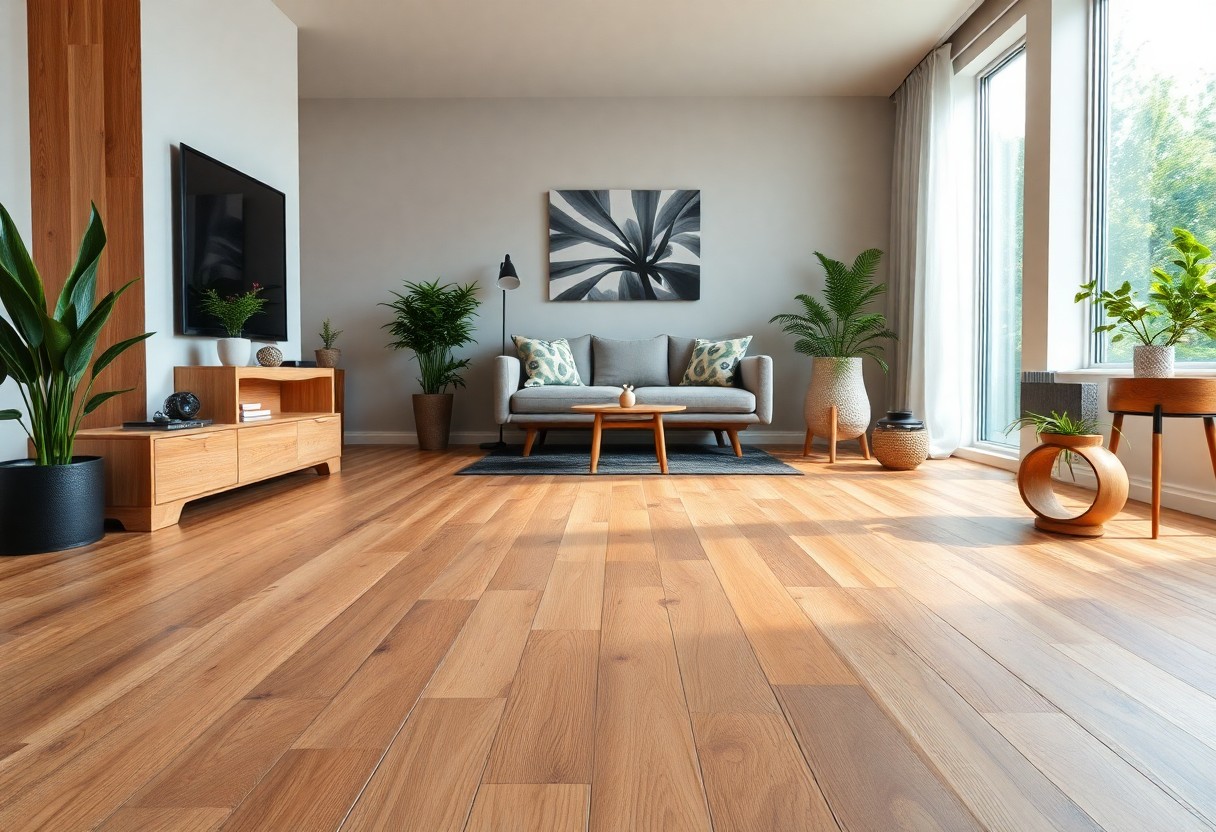
Balancing aesthetic appeal with practicality defines the real value of engineered timber flooring. You’ll find that this flooring not only enhances a space’s beauty but also provides durability and ease of maintenance. Its ability to mimic the look of solid wood without the associated upkeep makes it an appealing choice for both residential and commercial environments. You can enjoy a sophisticated design without sacrificing functionality, ensuring that your floors remain attractive and user-friendly for years to come.
Versatility in Design and Style
Engineered timber flooring offers remarkable versatility in design options, allowing you to choose from a wide array of finishes, colors, and textures to match any interior style. Whether you prefer a rustic look or a sleek, modern aesthetic, you can find an engineered timber option that complements your vision. This adaptability allows you to personalize your space without compromising on quality, providing a sophisticated flooring solution that fits your unique tastes.
Performance under Different Conditions
Engineered timber flooring performs exceptionally well under varied environmental conditions, making it suitable for multiple settings. Unlike solid hardwood, it resists warping and shrinking, thanks to its multi-layered construction. This stability means you can install it in areas prone to temperature fluctuations, such as basements or sunlit rooms, without concern for damage. With proper maintenance, engineered timber remains resilient against moisture and everyday wear, making it a long-lasting, practical choice for your home.
In environments with fluctuating humidity or temperature, engineered timber flooring stands out due to its construction. The layered design minimizes the expansion and contraction commonly seen in solid wood, ensuring a consistent appearance over time. For example, in a climate with high humidity, engineered flooring can withstand moisture changes without buckling or warping. This makes it an ideal choice for kitchens, bathrooms, and even basements, where traditional hardwood may struggle. Your engineered timber flooring will maintain its integrity, aesthetic charm, and performance regardless of the conditions, giving you peace of mind.
Consumer Perception: Worth the Hype?
Consumer perception plays a significant role in the value of engineered timber flooring. Many homeowners appreciate its blend of aesthetics and durability, viewing it as a high-end choice that adds character to their space. While some still question if it’s worth the investment compared to traditional hardwood, numerous homeowners report satisfaction in balancing visual appeal with practical benefits like moisture resistance, lower maintenance, and cost-effectiveness, which enhances its overall worth in their eyes.
Market Trends and Buyer Preferences
Current market trends indicate a growing preference for sustainable and versatile flooring options, positioning engineered timber favorably among eco-conscious buyers. The demand for flooring that combines beauty with performance is rising, particularly as more consumers seek long-lasting, easy-to-install choices. Reports show that engineered timber’s market share continues to expand, catering to varying design tastes and lifestyles, which reflects its increasing presence in modern homes.
Testimonials from Homeowners and Industry Experts
Feedback from homeowners and industry experts highlights the ongoing satisfaction with engineered timber flooring. Many owners praise its stylish appearance that mimics solid wood, along with its ability to withstand wear and tear in active households. Industry professionals acknowledge the growing trend of consumer interest in engineered solutions due to their environmental benefits and ease of maintenance, often recommending these products for both renovations and new builds.
Homeowner testimonials reveal a consistent appreciation for the aesthetic appeal and practicality of engineered timber flooring. One homeowner noted, “It gives us the rich look of hardwood, but we don’t have to worry about moisture issues in our basement.” Meanwhile, industry experts comment on engineered timber’s adaptability, indicating it can suit various design preferences, from rustic to contemporary styles. These affirmations contribute to a collective endorsement, reinforcing the idea that engineered timber flooring delivers value that resonates with current buyer priorities.
The Future of Flooring: Trends and Innovations
The flooring industry is evolving rapidly, driven by advancements in technology, design, and sustainability. You can expect to see engineered timber flooring enhanced by smarter manufacturing processes, improved materials, and innovative design solutions. These trends not only elevate aesthetic appeal but also address efficiency and environmental concerns. As consumer preferences shift towards sustainable options, engineered timber continues to establish its place as a viable flooring choice.
Technology Advancements in Production
Production technology for engineered timber flooring is advancing through methods like precision computer-controlled milling and digital printing. These innovations enable manufacturers to create highly durable products with complex designs and textures, giving you a wide range of aesthetic options while maintaining integrity. Enhanced automation also increases production efficiency, lowering costs and delivery times without sacrificing quality.
Evolving Standards for Durability and Sustainability
New industry standards are reshaping how engineered timber flooring is assessed for durability and sustainability. Regulatory bodies are continuously updating guidelines to improve life cycle assessments and environmental impact metrics. This evolution ensures that products not only meet your durability expectations but also adhere to strict environmental criteria, leading to a more sustainable choice in flooring.
Evolving standards for durability and sustainability emphasize environmental performance and product longevity. With ongoing research and development, engineered timber is increasingly manufactured using recycled materials and low-emission adhesives. Certifications, such as FSC (Forest Stewardship Council) and LEED (Leadership in Energy and Environmental Design), guide you towards environmentally friendly options while ensuring that your flooring investment is resilient and responsible. Innovations in finishes that enhance surface durability prolong the lifespan of your flooring, ultimately delivering greater long-term value.
To wrap up
Summing up, investing in engineered timber flooring ultimately delivers long-term value that can enhance both the aesthetics and functionality of your home. While the initial price may seem higher than other options, the durability, low maintenance requirements, and potential increase in property value make it a worthwhile consideration for you. By choosing engineered timber, you benefit from a sustainable material that complements your lifestyle while offering the comfort and sophistication you desire in your living spaces.