
Selection of the right flooring affects both comfort and cost in your home. You need a balance between durability, appearance, and price. Each option-laminate, vinyl, or hardwood-offers distinct benefits depending on your household’s needs, foot traffic, and budget. This guide helps you make a confident, informed decision.
Assessing Lifestyle Factors and Household Traffic
- High-traffic homes need flooring that withstands constant movement
- Families with children benefit from scratch- and stain-resistant surfaces
- Pet owners should prioritize materials that resist claws and accidents
- Renters may prefer budget-friendly, easy-to-install options
Assume that your daily routine directly impacts how long your floors will look their best.
Evaluating durability needs for pets and active families
Life with kids and pets means spills, scratches, and constant activity. Vinyl and laminate hold up well to wear and are simple to clean. Hardwood can dent or scratch easily under heavy use. Assume that durability matters more than aesthetics when choosing for busy homes.
Identifying moisture-prone zones in kitchens and basements
Kitchens see frequent spills, and basements often have humidity issues. Water can warp wood and lift laminate over time. Vinyl handles moisture best in these areas. Assume that material performance in wet conditions should guide your choice.
Moisture in kitchens comes from cooking, cleaning, and leaks, while basements are prone to dampness due to ground contact and poor ventilation. Even small water exposure can compromise flooring integrity over time. Materials like luxury vinyl plank resist swelling and mold, making them ideal for these spaces. Always check subfloor conditions and consider using a moisture barrier when installing in damp environments.
How-To Compare Material Performance and Longevity
Choosing the right flooring means understanding how each material holds up over time. The table below breaks down key performance factors to help you make an informed decision based on your home’s demands and your long-term goals.
| Feature | Comparison |
|---|---|
| Water Resistance | Laminate: Moderate; Luxury Vinyl: High; Hardwood: Low to Moderate |
| Scratch Resistance | Laminate: High; Luxury Vinyl: Moderate; Hardwood: Low |
| Lifespan | Laminate: 15-25 years; Luxury Vinyl: 10-20 years; Hardwood: 25-100+ years |
| Maintenance Needs | Laminate: Low; Luxury Vinyl: Low; Hardwood: Moderate to High |
Analyzing the resilience of laminate and luxury vinyl
Laminate stands up well to daily wear, resisting scratches and dents in busy homes. Luxury vinyl offers superior moisture resistance, making it ideal for kitchens and basements. You’ll find both options handle foot traffic reliably, but your room’s function should guide your pick between them.
Weighing the long-term value of solid vs. engineered hardwood
Solid hardwood can be sanded and refinished multiple times, extending its life for generations. Engineered hardwood offers stability in fluctuating humidity and often costs less. Your climate and renovation frequency play key roles in deciding which delivers better value over time.
Engineered hardwood combines a real wood veneer with layered plywood underneath, giving it strength against warping in areas with temperature swings. While solid hardwood maintains higher resale appeal and can last over a century with care, engineered options offer a practical alternative-especially on concrete subfloors or in basements-without sacrificing the authentic wood look you want.
Budgeting Tips for Materials and Labor
- Compare quotes from at least three installers
- Buy materials during seasonal sales or promotions
- Consider DIY for simple installations to cut labor costs
- Factor in removal of old flooring when estimating expenses
You’ll save more by planning every cost in advance. Thou can avoid surprise bills by being thorough.
Estimating average costs per square foot by category
Laminate averages $1-3 per square foot, vinyl ranges from $2-5, and hardwood spans $6-12. These figures reflect material only and vary by quality and brand. Your final choice should align with both your budget and long-term plans for the space.
Accounting for hidden expenses like underlayment and trim
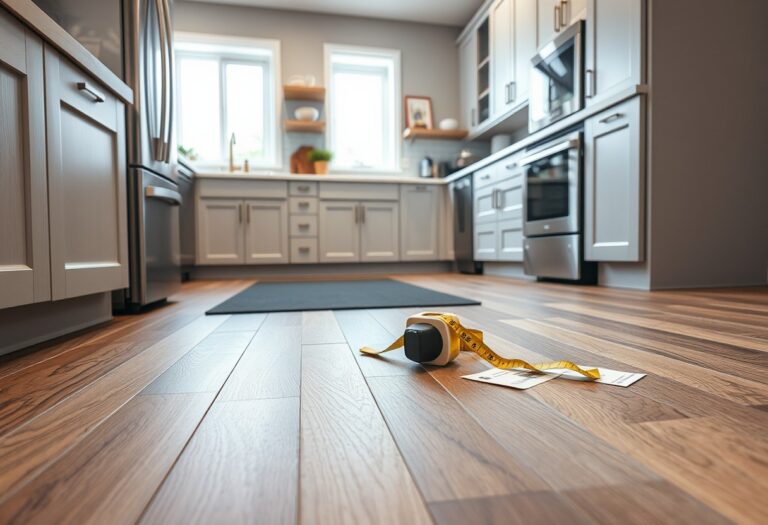
Underlayment, transition strips, and baseboard trim are often overlooked but necessary. These extras can add $1-3 per square foot to your project. Always request a full breakdown of material needs from your supplier.
Many homeowners underestimate how much underlayment affects comfort and noise, especially with laminate or vinyl. Trim pieces must match your floor’s color and profile, and custom cuts may increase costs. Removal of old flooring or subfloor repairs can also inflate the bill. Thou should include a 10-15% buffer in your budget for these unseen line items.
How-To Select the Right Aesthetic for Your Interior
Your flooring sets the tone for the entire space, so choose a look that aligns with your personal style and existing décor. Think about the mood you want to create-warm and rustic, sleek and modern, or timeless and classic. The right aesthetic enhances your home’s character while supporting how you live day to day.
Choosing textures and finishes that mimic natural grains
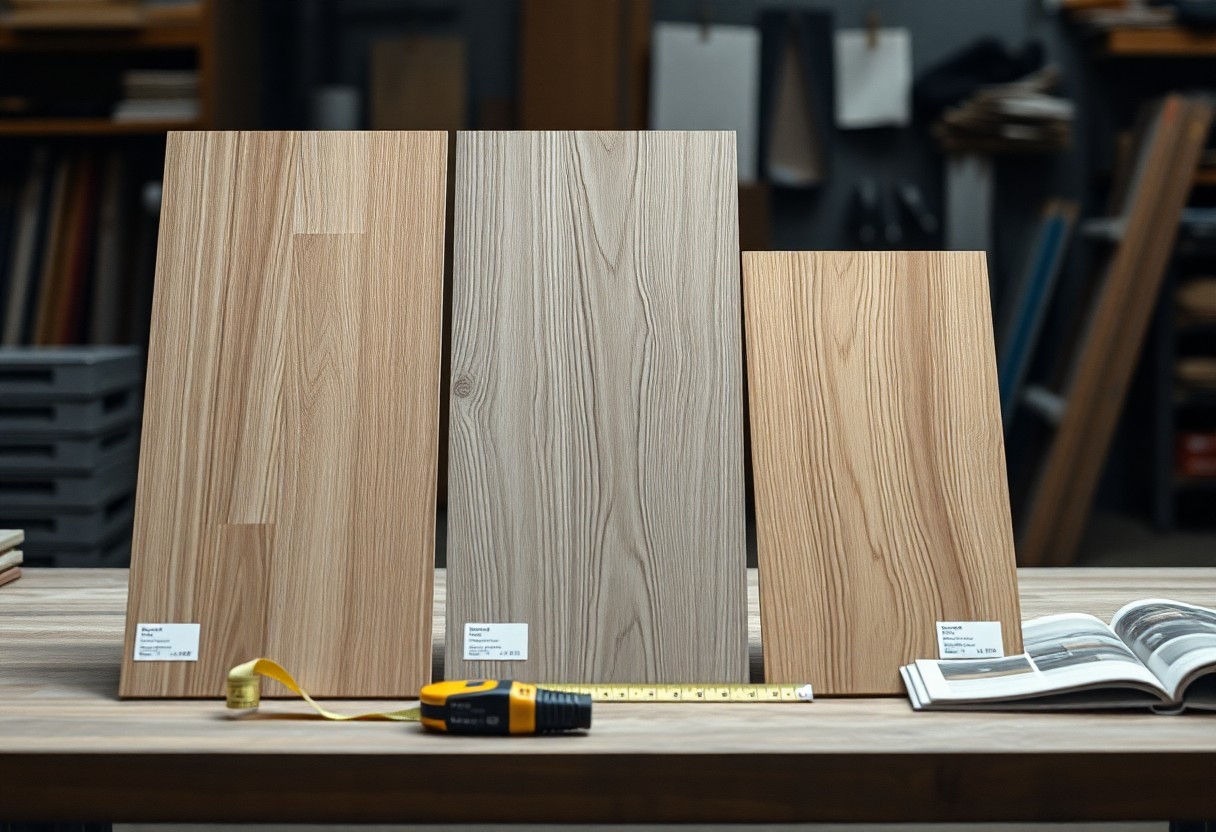
Texture influences both look and feel underfoot. Opt for embossed or hand-scraped finishes if you love the organic depth of real wood. Modern laminates and luxury vinyl now replicate grain patterns so accurately, even discerning eyes may not tell the difference-giving you beauty without the upkeep.
Matching plank dimensions to your room’s scale
Wider planks can make a small room feel more open, while narrow strips suit cozy, traditional spaces. Larger rooms often handle wide or extra-long planks gracefully, enhancing a sense of flow. Get this detail right, and your floor will feel intentionally designed, not overwhelming or cramped.
Room proportions directly affect how plank size impacts visual balance. In compact areas, oversized planks may create a busy pattern that disrupts the space, whereas in expansive rooms, narrow planks can look fussy or outdated. Selecting the right dimensions ensures your floor complements the architecture, drawing the eye naturally across the room without distraction.
Maintenance Tips for Preserving Your Investment
Protect your flooring by following simple, consistent care routines.
- Sweep or dust mop daily to prevent grit buildup
- Use doormats at entrances to reduce tracked-in debris
- Place felt pads under furniture legs
- Wipe spills immediately to avoid staining or warping
Assume that regular upkeep will extend the life and appearance of your floors.
Implementing cleaning protocols for synthetic surfaces
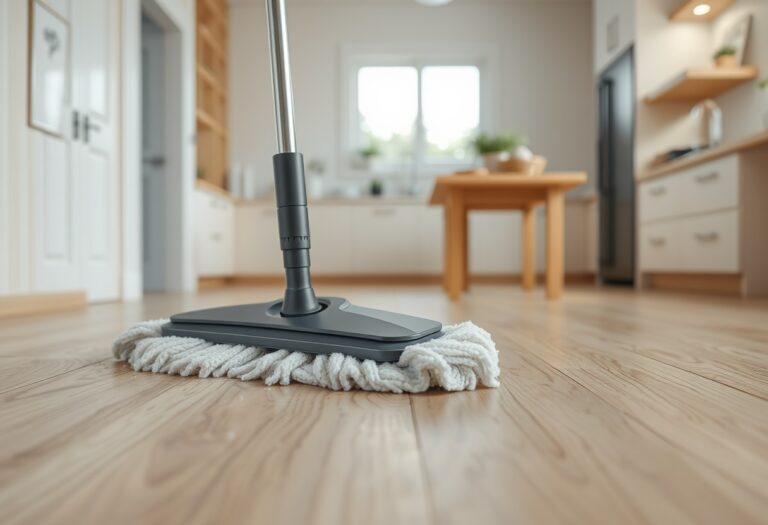
Keep laminate and vinyl looking fresh with a damp microfiber mop and manufacturer-approved cleaner. Avoid steam mops or excess water, which can seep into seams and cause swelling. Clean spills quickly and use pH-neutral solutions to preserve the finish. Assume that sticking to simple, routine care prevents long-term damage.
Understanding refinishing requirements for natural wood
Hardwood floors can be sanded and refinished multiple times, depending on plank thickness. Solid hardwood typically allows 5-8 refinishing cycles, while engineered wood may only tolerate 1-2. Finish types affect longevity-oil-based lasts longer but takes more time to cure. Assume that proper timing between refinishing maximizes durability.
Refinishing natural wood isn’t just about fixing scratches-it’s a strategic renewal that restores luster and protects against wear. You’ll need professional sanding to remove the top layer before applying a new stain or sealant. The process varies by wood species, grain pattern, and existing damage. Assume that waiting until signs of deep wear appear is often too late-proactive refinishing every 7-10 years keeps your floors looking timeless.
Technical Installation Factors to Consider
Every flooring choice brings unique installation demands that affect both timeline and cost.
- Subfloor material and condition
- Moisture levels in the space
- Room dimensions and layout complexity
- DIY compatibility vs. professional requirement
After assessing these elements, your best installation path becomes clear.
Determining subfloor preparation and leveling needs
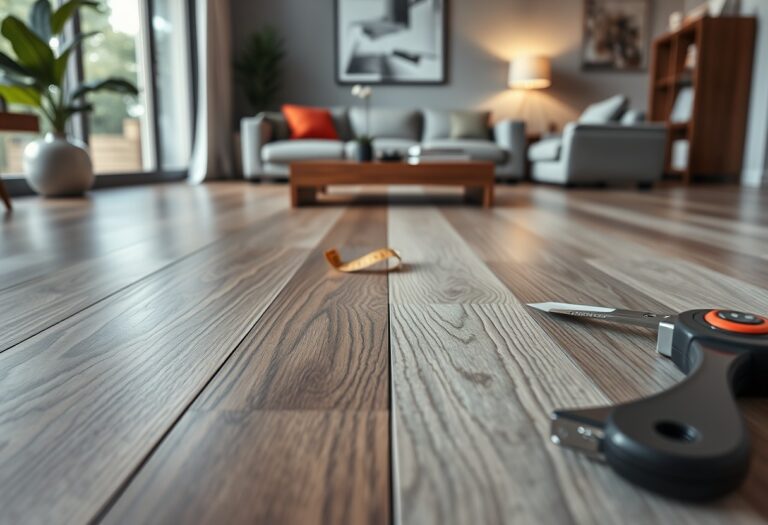
Proper subfloor condition ensures long-term flooring performance. Uneven or damp surfaces lead to warping, noise, or adhesive failure. Concrete slabs may need moisture barriers, while wood subfloors often require sanding or patching.
Subfloor Requirements by Flooring Type
| Laminate | Smooth, level, low-moisture surface; underlayment required |
| Vinyl (Luxury Plank/Tile) | Minor imperfections acceptable; must be clean and dry |
| Hardwood | Structurally sound wood subfloor; precise leveling needed |
After identifying your subfloor type and flaws, preparation steps align with material specifications.
Comparing click-lock systems against professional glue-down methods
Installation method impacts both labor cost and durability. Click-lock systems allow floating floors with minimal tools, while glue-down applications create permanent, stable surfaces.
Installation Method Comparison
| Click-Lock (Floating) | DIY-friendly, faster install, requires underlayment, not for wet areas |
| Glue-Down | Professional-only, moisture-resistant, ideal for concrete, longer drying time |
After weighing skill level and room location, the right method supports lasting results.
Click-lock systems work best with laminate and rigid core vinyl, offering ease and speed without sacrificing stability. These interlocking planks float over underlayment, absorbing minor subfloor flaws. Glue-down methods, often used for solid or engineered hardwood and sheet vinyl, bond directly to the subfloor, minimizing movement and sound. While more labor-intensive, glued installations handle high-traffic and moisture-prone areas better. Your choice hinges on room use, substrate, and whether you’re installing it yourself.
Summing up
Conclusively, your lifestyle and budget directly determine the best flooring choice. Laminate offers affordability and durability for busy households. Vinyl stands up to moisture, making it ideal for kitchens and bathrooms. Hardwood adds timeless value and appeal but requires more investment. You weigh daily use, maintenance willingness, and long-term plans to make the right decision.