
Just assess wear rating, plank thickness, locking system and warranty before buying on sale; you can secure high-quality laminate by comparing specs, choosing reputable brands, and inspecting samples for finish and texture.
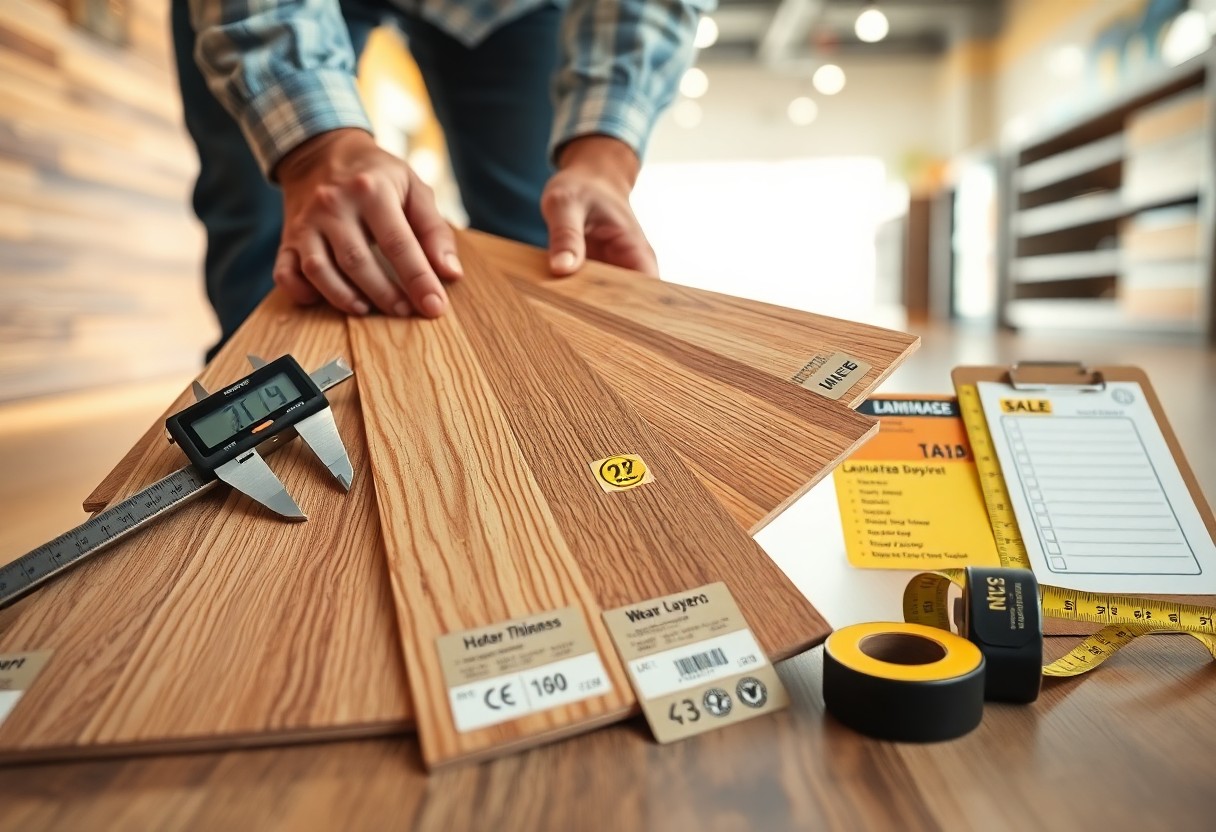
Critical Quality Factors to Evaluate
You should focus on wear rating, core density, locking strength, moisture resistance and warranty when evaluating sale laminate. Recognizing which items affect longevity helps you prioritize quality over price and avoid short-lived bargains.
- Core material density
- Wear layer & AC rating
- Locking mechanism and seam fit
- Waterproofing and edge seal
- Manufacturer warranty and finish
Core Material Density and Structural Integrity
Assess core density to confirm boards resist bending, impact and moisture-related swelling, improving long-term flatness and load support.
Locking Mechanism Strength and Moisture Protection
Inspect locking profiles and integrated seals so joints stay tight and moisture is kept out during heavy use or spills.
Consider how lock geometry, tight tolerances and installation technique determine real-world durability: precise tongues and grooves reduce movement, while strong click-fit action resists separation under foot traffic. You should verify edge-seal treatments and manufacturer guidance on subfloor moisture limits; many laminates survive surface spills but fail with trapped moisture. Proper underlayment and correct tapping methods also preserve lock integrity over years of use.
Expert Tips for Navigating Flooring Sales
Check quick tactics to buy sale laminate without losing quality:
- Verify wear layer and core
- Check warranty and returns
- Compare batch samples
Thou test a sample in your room under natural light.
Identifying High-End Overstock vs. Low-Quality Clearance
Spot manufacturer labels, consistent SKUs, and higher wear ratings to separate genuine overstock from cheap clearance; you can order small samples and confirm production dates before committing.
Timing Your Purchase Around Industry Sales Cycles
Plan purchases for post-holiday and spring clearance windows when retailers discount aging stock; you can subscribe to trade alerts and ask suppliers about incoming lines to catch true deals.
Monitor manufacturer release calendars, trade-show seasons, and end-of-line clearances so you target discontinued overstock rather than defected lots; you should factor installer schedules, confirm lead times, and request samples or photos before payment.

Step-by-Step Guide to a Successful Purchase
| Step | Action |
|---|---|
| Purchase |
You follow a clear checklist: compare AC ratings, confirm plank thickness and core type, verify return and installation policies, calculate total costs, and schedule delivery to secure sale pricing without sacrificing quality. |
Precise Measurement and Waste Calculation Strategy
Measure room dimensions, include cuts and pattern repeats, add 7-10% waste for straight layouts or 10-15% for diagonal or complex rooms, and round up to the nearest pack.
Verification of Batch Consistency and Warranty Terms
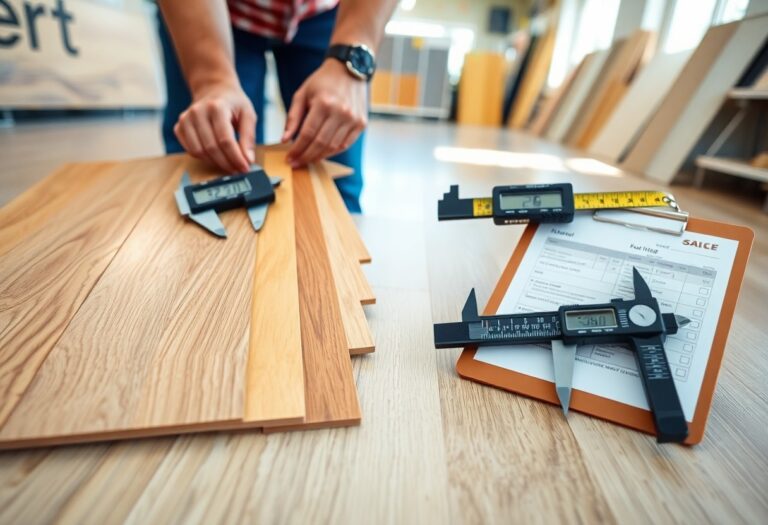
Inspect sample planks from the same batch, confirm color and texture uniformity, note production codes, and read warranty exclusions and duration so replacements or repairs match the original flooring.
Check production codes and batch numbers on every carton and photograph them; compare several planks together under natural light to spot shade or embossing differences before installation. You should order an extra pack beyond calculated waste to cover future repairs and ensure matching material. Read the warranty carefully to confirm coverage for wear, moisture, installation conditions, proration, and transfer rules, and register the product if required. Keep invoices, photos, and a sample plank to speed any claim and insist on same-batch replacements for visible defects.
To wrap up
You can confidently buy laminate flooring on sale by checking AC rating, thickness, water resistance, and warranty; inspect samples, compare brands, and confirm installation requirements to ensure lasting quality while saving money.