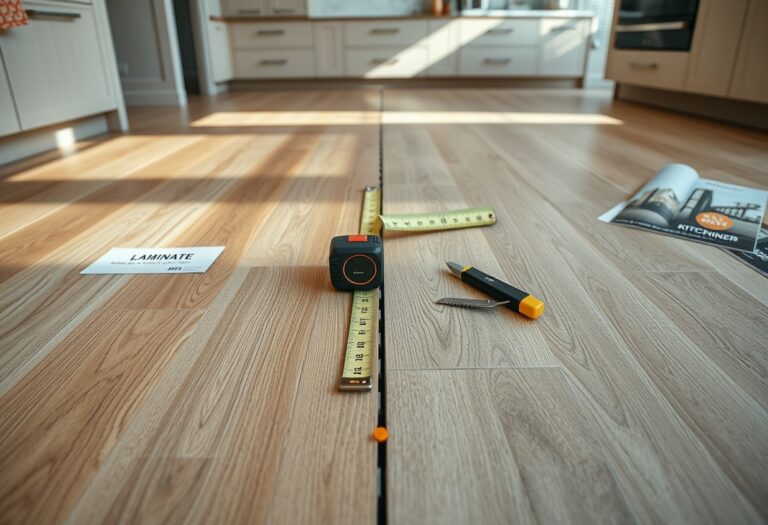

Vinyl flooring prices reflect more than the material covering your floor. Your choice of sheet vinyl, luxury vinyl plank, or tile affects the product cost, while room shape, subfloor condition, and installation details influence the finished bill. Even a straightforward plank layout requires accurate measurements and a smooth, clean base.
Vinyl Flooring Types and Their Price Ranges
Material type sets the starting price because each format uses different amounts of vinyl, backing, and manufacturing detail. You can choose from flexible sheet goods, individual planks, or tiles, with construction and finish affecting where each option sits within its price range. Product labels also distinguish basic residential flooring from designs made to resemble wood or stone. These differences give you a useful first point of comparison before narrowing your choice to a particular product line.
Sheet Vinyl, Vinyl Plank, and Vinyl Tile
Sheet vinyl is typically the lower-cost format, sold in wide rolls with few seams across an open room. Vinyl plank often costs more because its separate boards reproduce wood grain and vary in edge detail, surface texture, and locking or adhesive installation design. Vinyl tile also comes in individual pieces, commonly with stone-inspired patterns or groutable edges. Your material price therefore reflects both format and visual detail, such as a printed oak plank versus a plain sheet pattern.
Wear Layers, Thickness, and Construction
Wear-layer thickness and core construction distinguish products within the same format. A thicker clear wear layer gives the printed design more protection from scuffs, while a rigid core adds stability and a firmer feel underfoot. Lower-priced vinyl often uses simpler construction and a thinner wear layer; premium lines may include embossed textures that follow the printed grain. Product specifications identify these differences, including wear-layer thickness and whether the plank has a flexible or rigid core.
| Product type | Typical price position | Price-shaping feature |
|---|---|---|
| Sheet vinyl | Lower | Wide rolls and relatively few seams |
| Vinyl plank | Middle to higher | Wood-look detail and plank construction |
| Vinyl tile | Varies by design | Individual pieces, surface finish, and edge detail |
| Rigid-core plank | Often higher | Core stability and wear-layer specification |
Room Size, Subfloor, and Site Conditions
Room dimensions and existing site conditions determine how much flooring you need and how much preparation the surface requires. A clear, rectangular room is simpler to measure than a space with alcoves, doorways, or fixed cabinetry, while uneven floors can require additional materials and work before installation. Moisture, damaged boards, and old adhesive also affect what must be addressed, so the same vinyl product can require different quantities and preparation from one room to the next.
Measuring the Area and Accounting for Waste
Measure each room’s length and width, then calculate separate areas for irregular sections rather than treating the whole floor as a rectangle. Add material for cuts around door jambs, closets, and angled walls; the amount depends on the product format and room layout. Plank direction also affects offcuts, particularly in narrow rooms where staggered joints create short end pieces. Keep measurements for each space, including alcoves, so your order reflects the full floor area.
Subfloor Repairs, Removal, and Leveling
Before vinyl goes down, inspect the subfloor for loose panels, cracks, soft spots, and height changes that could show through the finished surface. Plywood sections may need fastening or replacement, while concrete often requires patching and a moisture assessment. Removing old flooring can expose adhesive residue or damaged underlayment that needs scraping or repair. Self-leveling compound addresses shallow dips, but deep transitions and raised seams require targeted correction before installation.
- Door undercuts may be needed for thicker flooring assemblies.
- Floor vents and registers require accurate cutouts.
- Appliance clearances can limit finished floor height.
Installation Labor and Project Complexity
Installer rates reflect both the work involved and the time a crew must reserve for your project. A straightforward, open room generally takes less labor than a space with several doorways, narrow alcoves, or multiple flooring directions. Vinyl plank, tile, and sheet flooring also require different handling and cutting techniques. Your room’s shape and the installer’s chosen layout therefore influence the labor portion of the final quote.
Professional Installation Versus DIY
Hiring a flooring installer puts measuring, cutting, fitting, and seam placement in experienced hands, with labor charged by the project or installation area. A DIY installation avoids that labor fee, but you supply the tools and time, including a utility knife, straightedge, tapping block, and pull bar for many plank systems. Sheet vinyl requires accurate pattern alignment and careful adhesive work. A small measuring error can leave a visible gap at a doorway.
Layout, Stairs, Edges, and Transitions
Rooms with angled walls, tight closets, or several doorways demand more cuts and fitting than a simple rectangle. Stairs add repeated measurements and precise nosing cuts, while exposed edges need clean trimming against door casings and cabinets. Transitions between vinyl and another floor require careful placement of a reducer or threshold. A hallway that turns into a bedroom, for example, often needs plank rows aligned across the doorway to keep the pattern consistent.
- Diagonal plank layouts require additional snap lines and angled cuts.
- Door jamb undercuts let flooring slide beneath casing for a cleaner edge.
- Stair noses need close-fitting cuts at each tread and riser.
Additional Materials and Upgrades
Beyond the vinyl planks or tiles, your estimate includes components that prepare edges, secure seams, and tailor the floor to the room. Product specifications and existing conditions determine which materials your installer needs, while optional features add cost through upgraded product selections or extra installation steps. A doorway transition, a moisture-control layer, and a textured wear layer serve different purposes, so their charges appear as distinct line items rather than one general flooring allowance.
Underlayment, Adhesives, and Trim
Underlayment adds a separate material and labor cost when your flooring system calls for cushioning, a smoother base, or a moisture barrier. For glue-down vinyl, adhesive type and coverage depend on the product and substrate; using the manufacturer’s specified adhesive avoids compatibility problems. Your trim allowance may include baseboards, quarter-round, and transition strips at doorways, with extra cuts around irregular jambs. A stair nose, unlike a flat threshold, requires a profile matched to the flooring thickness.
Waterproofing, Sound Reduction, and Specialty Finishes
Waterproofing upgrades can involve a sheet membrane or liquid-applied coating beneath the vinyl, particularly where a product specification requires added protection. Sound-reducing underlayments carry a separate cost and must suit the flooring’s locking system, since excessive softness can affect joints. Specialty finishes, such as embossed textures or enhanced wear layers, raise the material price; a matte surface or a registered wood-grain texture also changes the product selection. These upgrades appear in the estimate as material or preparation charges.
- Reducer strips manage height changes between floors.
- End caps finish exposed flooring edges beside fireplaces.
- Color-matched caulk seals narrow gaps at fixed cabinetry.
Regional Pricing, Quotes, and Budget Planning
Location affects both the price of vinyl flooring materials and the labor charged to install them. Shipping distance, local supplier competition, and the availability of experienced installers shape the estimates you receive. Ask contractors to price the same rooms and product specifications so you can distinguish regional differences from changes in scope. A written budget should show the quoted total, the work included, and any allowances for materials such as transitions or underlayment.
Local Labor and Material Price Differences
Urban areas, remote communities, and regions with different labor markets often have distinct rates for flooring crews and delivery. Local distributors may stock common vinyl plank lines, while less readily available colors or formats require special orders and freight charges. Request a material quote that identifies the product, thickness, wear layer, and quantity, then ask whether delivery is included. A contractor’s labor rate should also specify whether furniture moving and trim removal are part of the price.
Comparing Estimates and Identifying Hidden Charges
Itemized estimates make differences between contractors easier to identify: check room measurements, product quantities, installation labor, and listed materials against the same project scope. Clarify charges for delivery, floor preparation, transitions, disposal, and moving appliances, since these items may appear as exclusions or allowances rather than included work. Ask how changes are approved if the installer finds an unlisted task on site. A clear quote names the flooring product and states the payment schedule and warranty terms.
| Quote detail | What to compare | Budget implication |
|---|---|---|
| Material supply | Product specification and delivery | Special orders or freight may add charges |
| Installation labor | Rooms and tasks included | Moving furniture or trim removal may be extra |
| Project allowances | Transitions and other listed materials | Confirm what happens if the allowance is exceeded |
| Site work | Preparation and disposal scope | Unlisted work can change the quoted total |
Maintenance and Long-Term Value
Your ownership costs continue after installation, as cleaning habits, surface wear, and repair needs determine how long the floor remains serviceable. Vinyl generally requires less intensive care than materials that need polishing or sealing, but abrasive dirt and standing water can still damage its finish or seams. The product’s wear layer and the conditions in each room shape its useful life, so a busy kitchen and a low-traffic bedroom may age differently.
Cleaning, Repairs, and Replacement
Routine upkeep usually means sweeping or vacuuming with a hard-floor setting, then damp-mopping with a cleaner approved for vinyl. Avoid abrasive pads, steam cleaners, and harsh solvents, which can dull the surface or weaken adhesive. Felt pads under furniture reduce scuffs, while prompt cleanup limits moisture at seams. A damaged click-lock plank can often be replaced individually, but sheet vinyl repairs may leave a visible patch, especially if the original pattern has faded.
Durability and Cost Over Time
Wear-layer thickness, product construction, traffic, and sunlight exposure all affect how long vinyl flooring holds its appearance. A thicker wear layer generally offers better resistance to scuffs, while direct sunlight can fade some designs over time. In a rental entryway with frequent foot traffic, mats and regular grit removal can slow visible wear; in a sunlit room, window coverings can reduce fading. Replacement timing depends on the actual condition of the surface, seams, and backing.
| Upkeep factor | Effect on flooring | Typical task |
|---|---|---|
| Loose grit | Can scratch the wear layer | Sweep or vacuum regularly |
| Standing moisture | Can affect seams or adhesive | Wipe spills promptly |
| Furniture movement | Can cause scuffs and gouges | Use felt pads or lifting techniques |
| Localized damage | May require a plank or sheet repair | Match the replacement to the existing floor |
Conclusion
Your final vinyl flooring cost reflects more than the price per square foot: product type, room dimensions, subfloor condition, installation complexity, and finishing materials all shape the invoice. A level, accessible room with straightforward plank installation usually requires less preparation than a space needing old flooring removal, moisture control, or extensive floor leveling. Regional labor rates and upgrades such as thicker wear layers also affect the total. A detailed quote that separates materials, labor, preparation, and trim gives you a clear basis for budgeting the finished floor.