

The Stone Heart of SPC Vinyl
SPC vinyl draws its strength from a core composed mostly of limestone, a naturally abundant mineral. This composition reduces reliance on petroleum-based materials common in traditional vinyl flooring. The dense, rigid core enhances dimensional stability, resisting expansion and contraction under temperature shifts. You benefit from a floor that withstands heavy foot traffic without sagging or warping over time.
Mineral Stability and Longevity
Limestone provides exceptional density, giving SPC vinyl superior resistance to dents and indentation. Unlike softer flooring types, it maintains its surface integrity even under heavy furniture or rolling office chairs. This inherent rigidity translates to fewer repairs and replacements, extending the floor’s service life in commercial and residential settings alike.
Reducing the Plastic Burden
By replacing much of the plastic content with mineral powder, SPC vinyl lowers its dependence on virgin polymers. You contribute to less plastic waste in landfills when choosing a product designed for longer use and simpler end-of-life handling. Some manufacturers also incorporate recycled content into the wear layer, further diminishing environmental impact.
Manufacturers achieve plastic reduction not by sacrificing performance but by rethinking material balance. A mid-sized SPC panel may contain over 60% limestone by volume, drastically cutting the amount of PVC required. You install a water-resistant floor that performs well in basements or bathrooms while supporting a more sustainable material lifecycle. Recycling programs for SPC remain limited, but its inert composition reduces off-gassing and leaching risks in disposal scenarios.
The Reconstituted Forest of Laminate
Laminate flooring transforms fast-growing timber and wood byproducts into durable surfaces that mimic natural grain. You benefit from the appearance of hardwood without requiring old-growth trees, as manufacturers press fiber into high-density boards. This method reduces pressure on forests while delivering consistent visual appeal across rooms.
Efficiency in Wood Fiber Use
A mid-sized SaaS firm might run on data, but your floors run on engineered efficiency. Nearly every part of harvested logs goes into the final product, including sawdust and shavings typically discarded. You’re walking on material that would otherwise fuel burn piles or decompose in landfills.
Water Resistance and Resource Waste
Modern waterproof laminate contains a sealed core that resists swelling in damp areas like kitchens or basements. You avoid premature replacement caused by moisture damage, which means fewer panels end up in landfills. Longevity directly reduces the demand for new raw materials.
Water resistance in laminate isn’t just about spills or leaks-it extends the product’s service life in environments prone to humidity fluctuations. When a floor survives decades without warping, you delay the energy and transport costs tied to its successor. Some lines now use reactive monomers in their sealants, creating a molecular barrier that outperforms older melamine-based coatings. Your choice becomes a quiet act of material conservation.
The Layered Wisdom of Pre-Engineered Hardwood
Pre-engineered hardwood combines the authentic grain of solid wood with a layered construction that enhances stability. Your floor resists warping across changing seasons, thanks to a core made from fast-growing, sustainably harvested softwood or recycled wood fibers. This design reduces reliance on old-growth timber while delivering the warmth and character you expect from traditional hardwood.
Preserving the Ancient Timber
You help protect centuries-old forests by choosing pre-engineered over solid planks. A single layer of premium oak or walnut veneer uses far less old-growth wood than a solid board, yet still provides the same visual depth and grain variation found in heritage flooring. This approach supports responsible forestry without sacrificing aesthetic authenticity.
Structural Resilience Against the Elements
Your floor remains stable in environments where solid wood might swell or gap. Cross-layered core construction counters moisture and temperature shifts, maintaining dimensional integrity across basements, sunrooms, or humid climates. The layered design inherently resists cupping and crowning, even in less climate-controlled spaces.
Cross-laminated wood plies in the core act like plywood, balancing internal stresses. When humidity rises, opposing grain directions offset expansion, preventing distortion. A mid-sized SPC vinyl competitor may offer waterproof claims, but only engineered hardwood marries this stability with genuine wood’s tactile and visual qualities, making it a resilient choice for varied indoor conditions.
Maintaining a Clean Hearth
Keeping your floor clean supports both longevity and indoor air quality, especially with modern eco-conscious materials. Regular maintenance prevents abrasive buildup and reduces the need for intensive cleaning later. A well-kept surface reflects the care you put into selecting sustainable flooring in the first place, preserving its appearance and function for years.
Foregoing the Harsh Chemical
You avoid toxic solvents when cleaning SPC vinyl or pre-engineered hardwood, as these surfaces thrive with mild, pH-neutral solutions. A simple mix of water and castile soap lifts grime without compromising finish integrity. Even in high-moisture areas, waterproof laminate withstands routine wiping using only a damp microfiber cloth.
Simplicity in Daily Care
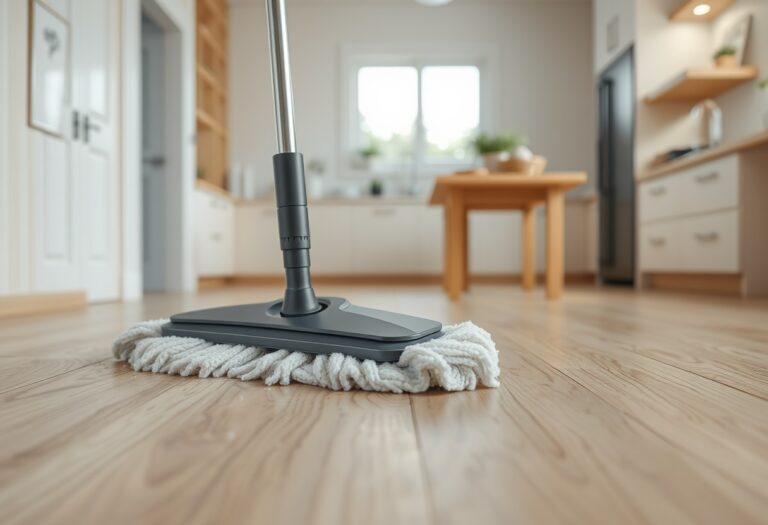
You need only a soft-bristle broom or dry microfiber mop to manage everyday dust and debris. Most eco-friendly floors resist staining and scratching under normal use, minimizing corrective treatments. This low-effort upkeep suits busy households while aligning with sustainable living principles.
Consistent light cleaning prevents particles like sand or pet hair from acting as abrasives over time. For a mid-sized SaaS firm’s office with pre-engineered hardwood, a nightly sweep by facility staff maintains luster without polish or wax. Such ease reinforces why these materials are chosen not just for sustainability but for practical endurance in varied environments.
To wrap up
You assess each flooring option not just by its surface appeal but by its lifecycle integrity. SPC vinyl offers resilience with a high recycled content, waterproof laminate reduces waste through durable wear layers, and pre-engineered hardwood maximizes timber use with precision milling. Your choice shapes both home and habitat.