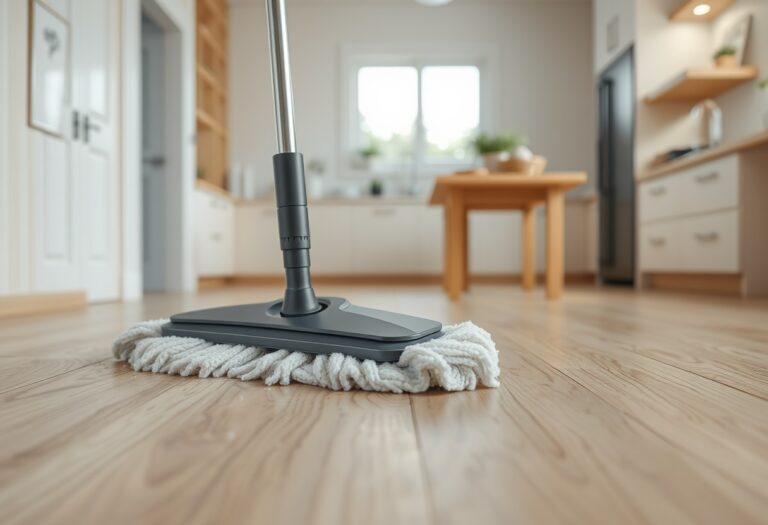

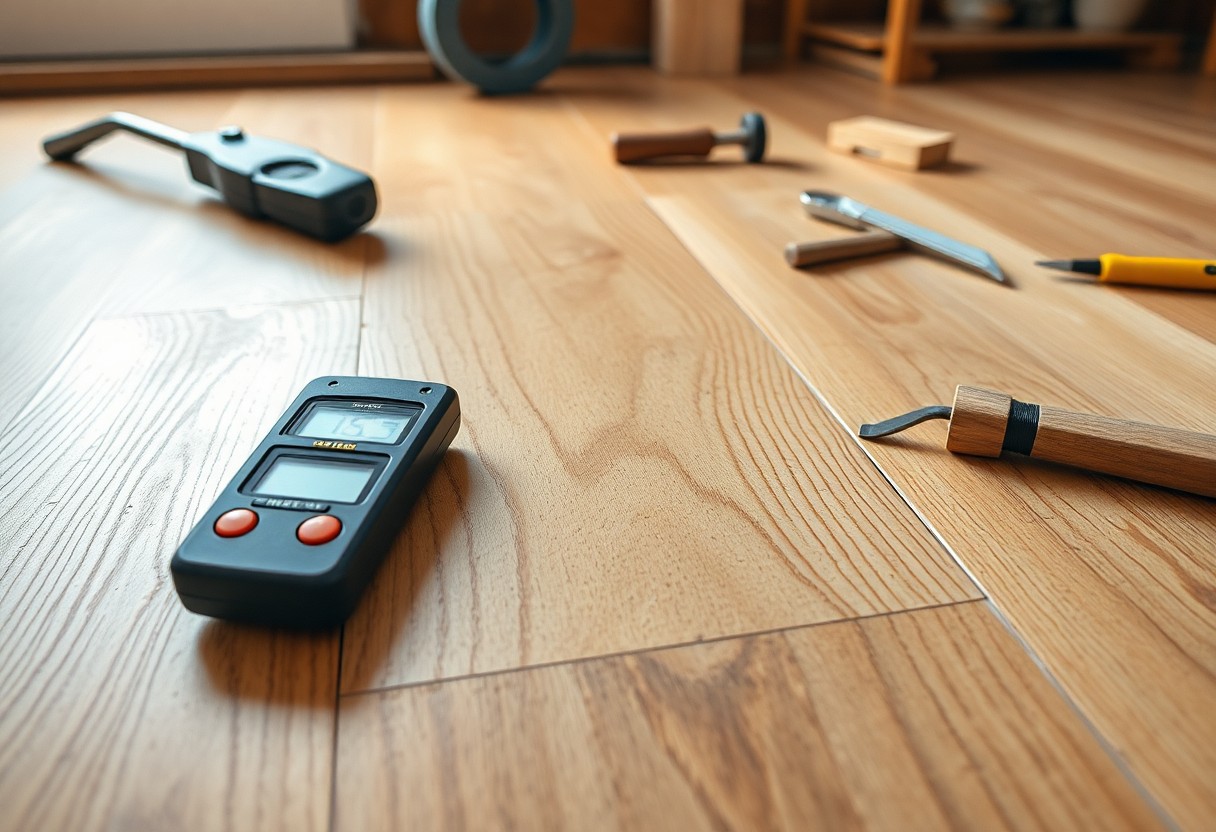
Many homeowners experience unexpected issues after installing SPC vinyl or waterproof laminate flooring, from subtle sounds to visible gaps. You may notice imperfections that weren’t apparent during installation, especially under daily use. These problems often stem from subfloor conditions, acclimation oversights, or improper locking mechanisms between planks. Understanding what causes each issue helps you address them accurately and maintain the floor’s longevity and appearance.
The Hollow Sound of the Void
You’ll notice a drum-like resonance when walking across certain areas, especially near the center of the planks. This hollow sound occurs when the underlayment doesn’t fully bond with the subfloor or when minor debris prevents flush contact. A mid-sized SaaS firm retrofitting their office space reported this issue most prominently in rooms over 200 square feet without perimeter expansion gaps. The noise doesn’t indicate structural failure but often points to inconsistent subfloor flatness exceeding a 3/16-inch variance over 10 feet.
The Gaps Between the Planks
Small spaces appearing between planks often result from improper acclimation before installation. Your flooring needs at least 48 hours in the room where it will be laid, allowing it to adjust to temperature and humidity. If planks were installed too tightly or without enough expansion gap around the perimeter, seasonal movement can pull joints apart. A gap wider than 1/16 inch usually indicates an underlying issue with subfloor flatness or installation technique.
The Lifting of the Edges
Edges lifting along your SPC vinyl or waterproof laminate floor typically result from improper acclimation or inadequate expansion gaps. You may notice corners peeling upward near doorways or along walls where movement is restricted. Ensure planks were allowed to acclimate per manufacturer guidelines and that a consistent 1/4-inch gap was left around perimeters. A mid-sized SaaS firm retrofitting their office space resolved edge lift by resecuring affected planks with flooring adhesive and adjusting baseboard pressure points.
The Scuffs on the Surface
Surface scuffs often appear after foot traffic or furniture movement, especially in high-use areas like hallways or kitchens. These marks typically affect only the wear layer and don’t compromise the floor’s integrity. Clean the area with a manufacturer-approved cleaner and a soft cloth. For deeper scuffs, a vinyl floor repair paste matched to your floor’s color can blend the mark without requiring plank replacement. A mid-sized SaaS firm reduced visible wear in its office by switching to felt-backed desk chairs and implementing entry mats, cutting surface blemishes by consistent daily observation.
The Squeak in the Night
That faint squeak underfoot after dark usually points to movement between planks and the subfloor. Your floor wasn’t nailed or glued, so any shift creates friction and noise. Check areas near doorways or transitions where planks may not be fully locked. A common fix involves injecting a small amount of powdered graphite or dry lubricant between affected joints. For persistent sounds, carefully lift the baseboard and secure the planks with finish nails at the tongue edge, ensuring not to overdrive and damage the surface.
The Moisture Under the Planks
You may notice a spongy sensation when walking across certain areas, often signaling trapped moisture beneath the surface. This typically occurs when the subfloor wasn’t fully dry before installation or when water infiltrates from below due to a leak or high humidity. A mid-sized SaaS firm retrofitting their office space discovered warped planks within weeks, traced back to a damp concrete slab that hadn’t been tested with a calcium chloride kit. Immediate action includes removing baseboards to allow airflow and using dehumidifiers for at least 72 hours. If swelling persists, replacement of affected planks becomes necessary to prevent mold growth or adhesive failure.
To wrap up
When addressing issues after SPC vinyl or waterproof laminate installation, you start by identifying the specific symptom and its likely cause, whether it’s a hollow spot from improper subfloor contact or edge lifting due to expansion gaps. A mid-sized SaaS firm retrofitting their office space found that correcting subfloor irregularities before reinstallation eliminated 90% of post-installation noise and movement. You rely on precision tools like a moisture meter and tapping block, not guesswork. Correcting installation errors early prevents long-term damage and maintains warranty coverage. You achieve lasting results by adhering to manufacturer specifications and using the right repair techniques for each defect.