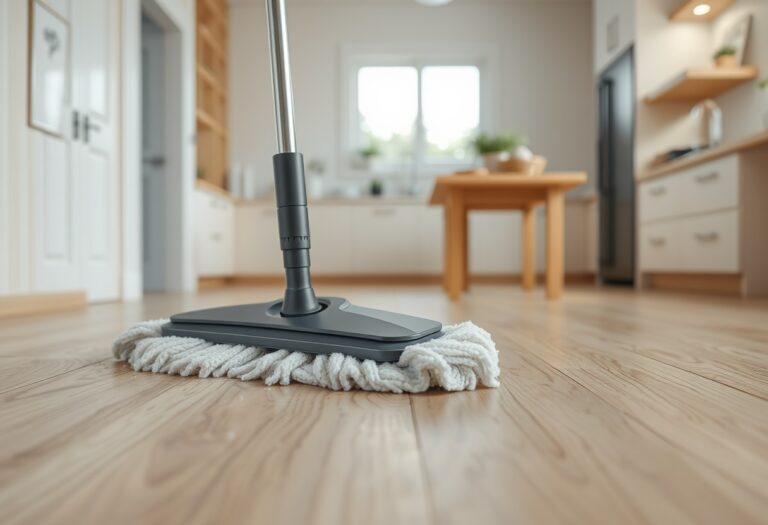

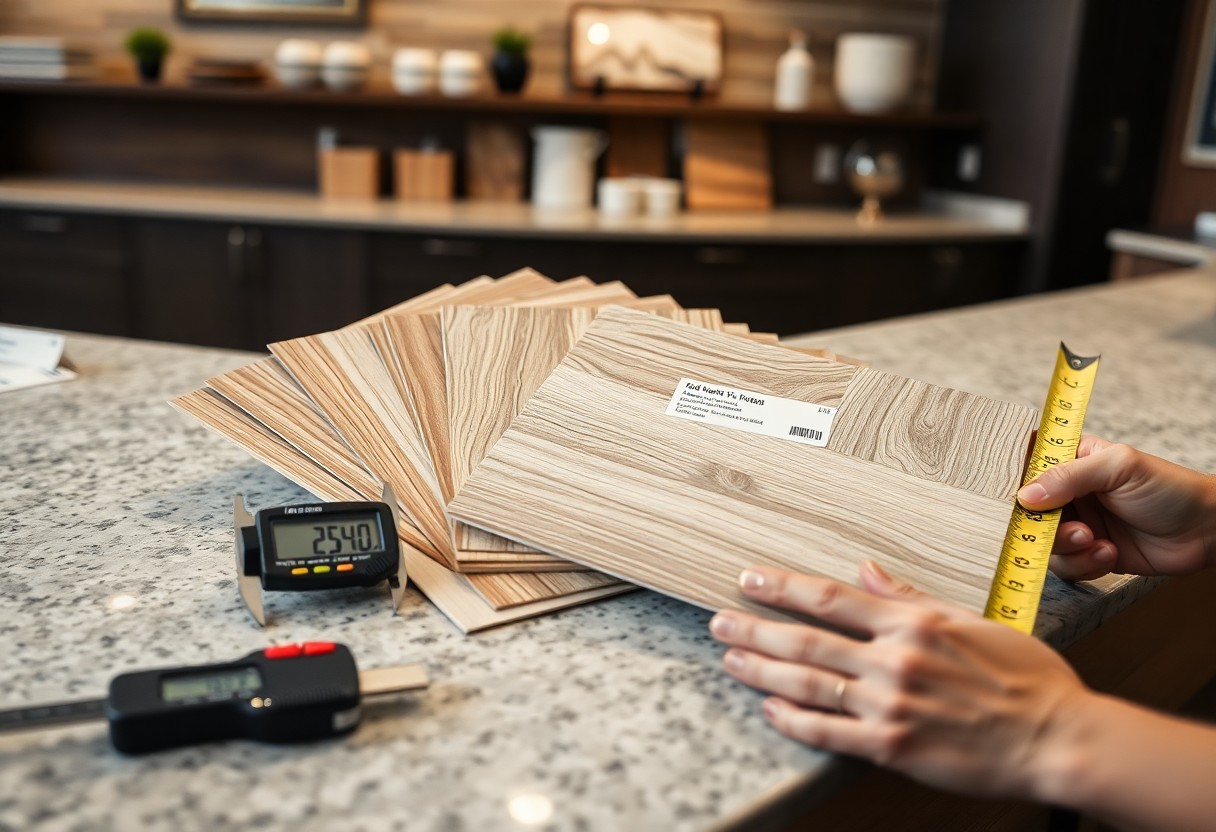
It’s smart to assess durability, wear layer thickness, and water resistance when choosing vinyl flooring. You’ll want to compare installation options, check the warranty, and ensure the design matches your space. You’re investing in long-term performance, so pay close attention to material quality and the manufacturer’s reputation before making a decision.
The Price of the Floor
You’ll find vinyl flooring priced across a broad range, but cost alone won’t tell you if a product suits your space. A lower price might mean thinner wear layers or fewer sound-dampening features. Look at what’s included-underlayment, installation method, warranty length-before deciding. Paying a bit more often means better durability and a quieter, more comfortable floor underfoot.
The Wear Layer
You’ll want a wear layer that matches your space’s demands. A thicker layer, like 20 mil or more, handles heavy foot traffic better and lasts longer in busy areas. If you’re installing in a kitchen or hallway, opt for at least 12-20 mil. For lighter use, like bedrooms, 6-12 mil may suffice. This clear top coating protects against scratches, fading, and everyday wear-so check the mil thickness before deciding.
The Core Material
Your choice of core material directly affects durability and comfort underfoot. WPC (wood-plastic composite) offers superior water resistance and slight cushioning, ideal for basements or kitchens. SPC (stone-plastic composite) is denser, minimizing indentation from heavy furniture. You’ll want to assess subfloor conditions and room usage when deciding between them, as each performs best in specific environments.
The Visual Pattern
Your space’s style hinges on the visual pattern you choose. Realistic wood grains create warmth in living areas, while stone-look finishes suit kitchens and bathrooms. You can opt for busy patterns to hide foot traffic or go with subtle textures for a clean, modern feel. Match the design to your room’s purpose and lighting to get the look you want.
The Installation Labor
You’ll want to confirm the installer’s experience with your chosen vinyl type-luxury vinyl plank and sheet vinyl demand different techniques. A skilled professional ensures tight seams, proper adhesion, and alignment with room contours. Poor installation can lead to buckling, gaps, or premature wear, no matter the product quality. Always request references or photos of past jobs before hiring.
The Warranty Document
Your warranty protects your investment, so read it carefully before finalizing the purchase. Look for coverage length, what defects are included, and whether it’s prorated over time. Check if labor and removal costs are covered or excluded. Manufacturer warranties often require professional installation to remain valid-confirm this detail. You’ll want clarity on stain resistance, fading, and wear limits specific to your chosen product.
To wrap up
You need to assess durability, wear layer thickness, water resistance, and installation method before choosing vinyl flooring. Your space’s traffic level and moisture exposure dictate the best option. Look at warranty terms and test samples in your lighting to ensure color and texture match your vision. Make choices based on real-world performance, not just appearance.