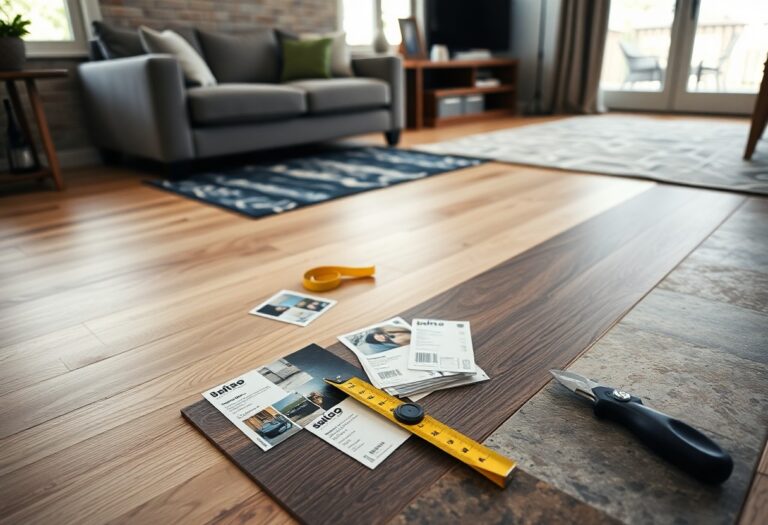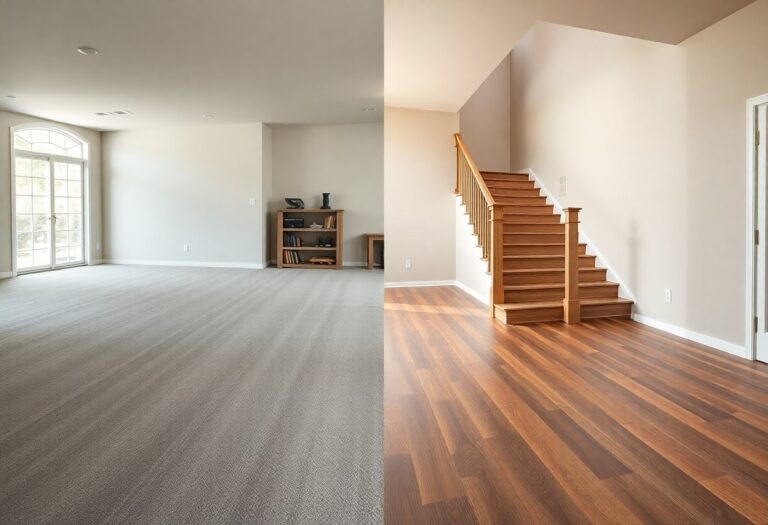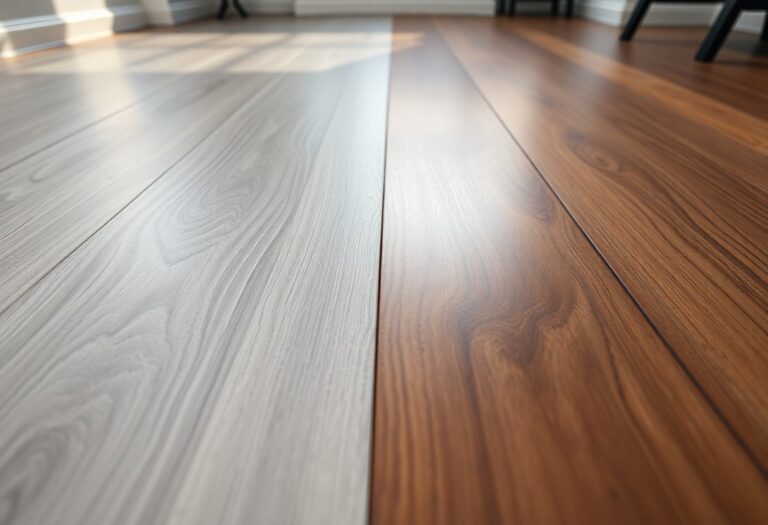

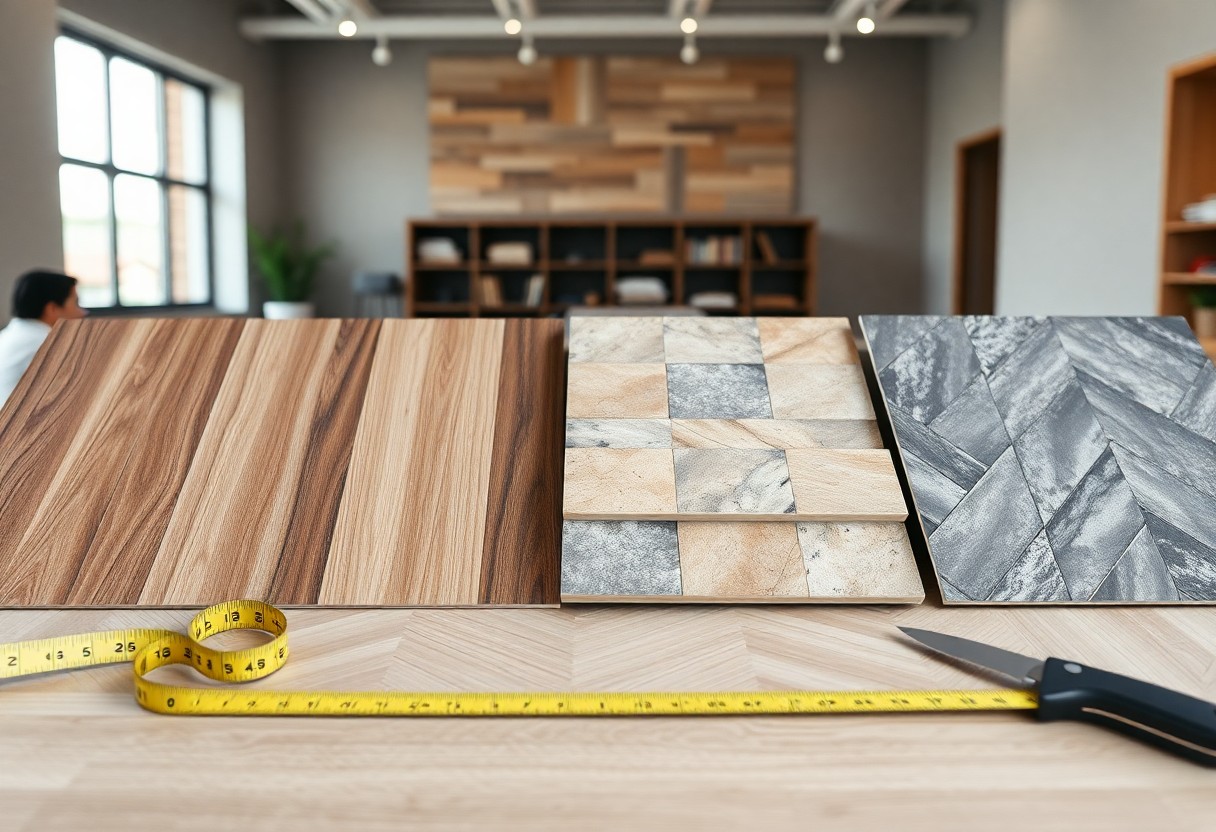
You want a clear, expert guide to the newest vinyl flooring options. This post compares styles, materials, wear ratings, and installation costs so you can choose confidently.
Assessing the Pros and Cons of Current Styles
You should weigh style, durability, cost, and installation ease when assessing vinyl options; consider traffic levels, moisture exposure, and room function to match materials to use and budget.
Pros and Cons at a glance
| Pros | Cons |
|---|---|
| Realistic appearance | Can fade with sunlight exposure |
| Waterproof options | Glue-down seams may require skill |
| Easy maintenance | Surface scratches on thin wear layers |
| Wide style variety | Lower resale appeal than hardwood |
| Affordable price | Perceived as lower-end by some buyers |
| DIY-friendly installation | Subfloor must be extremely flat |
| Durable wear layers | VOCs in low-quality products |
| Comfort underfoot | Not easily refinished if damaged |
Benefits of High-End Aesthetics and Ease of Maintenance
Luxury vinyl gives you high-end visuals with easy upkeep, so you get designer looks without refinishing; stains wipe clean and protective wear layers reduce routine maintenance.
Environmental Impact and Subfloor Requirements
Materials vary, so you should check recycled content, VOC ratings, and end-of-life options; also confirm subfloor flatness, dryness, and compatibility with adhesives or underlayments.
Inspection and preparation require you to test slab moisture with a hygrometer, remove high spots, apply leveling compound where needed, and consider a vapor barrier; thorough prep prevents telegraphing, adhesion failures, and warranty voiding.

Expert Maintenance Tips for Maximum Longevity
Maintain vinyl by sweeping daily, using pH-neutral cleaners, and addressing spills fast to keep your floors in top condition. Rotate rugs and use felt pads under furniture to reduce wear. Avoid steam cleaning high-rise cores. Knowing which products and routines you rely on extends finish life and prevents premature fading.
- Sweep or vacuum daily to remove grit.
- Use pH-neutral cleaners and microfiber mops.
- Apply felt pads and entry mats to reduce abrasion.
Cleaning Protocols for High-Traffic Residential Areas
Schedule daily dry-cleaning with a soft-bristle broom or microfiber mop, and wet-clean weekly with a diluted pH-neutral solution you rinse and dry thoroughly to avoid moisture damage.
Preventative Measures to Protect Finish and Color
Install entry mats at all entrances, place felt pads under furniture legs, and use window treatments so you reduce UV exposure and slow color fade.
Inspect edges and high-use zones monthly so you catch wear early; if you notice sheen loss, rotate rugs and shift heavy pieces to distribute pressure. You should avoid rubber-backed mats that can discolor vinyl, lift rather than drag furniture using sliders, trim pet nails, and maintain indoor humidity near 35-55% to keep seams stable and finishes consistent.
Conclusion
From above you can confidently choose vinyl flooring that matches your style, durability needs, budget, and installation preferences by comparing plank, tile, and sheet options, wear layers, backing types, and maintenance to ensure a smart, lasting decision.