
There’s a set of timeless trends in laminate and SPC vinyl flooring that help you make confident, long-lasting design choices: realistic wood visuals and hand-scraped textures, wide-plank and mixed-width layouts, neutral and warm tones, waterproof cores, improved wear layers, and sustainable materials-each giving you durable, low-maintenance performance while keeping your spaces current and versatile.
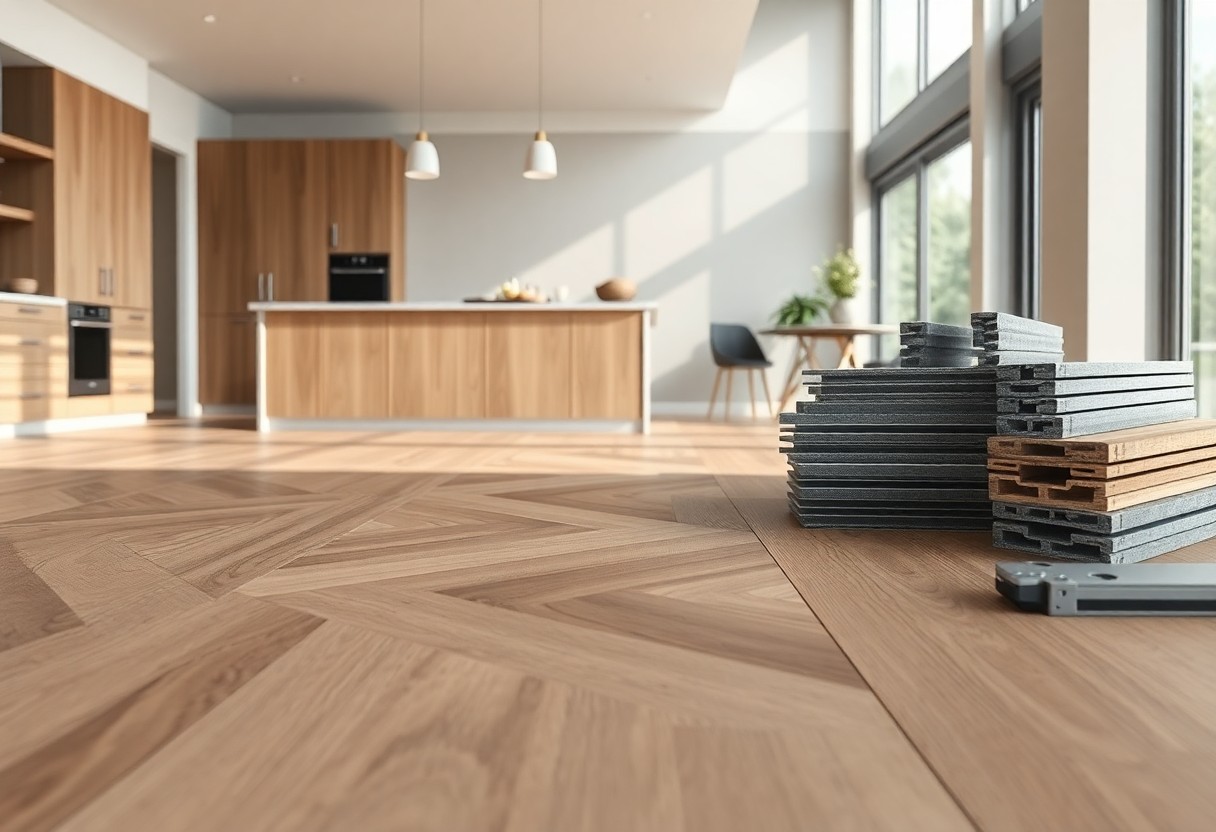
Overview of Laminate Flooring
You’ll see laminate combine realistic wood and stone visuals with HDF cores and durable melamine wear layers, giving you a cost-effective option for busy rooms; typical panel thickness runs 6-12 mm, many products use click-lock installation, and AC ratings (AC1-AC5) help you match performance to traffic.
Historical Trends in Laminate
You can trace modern laminate to late-1970s European innovations, then a 1990s DIY boom pushed mass adoption; by the 2000s high-definition printing and embossed-in-register textures greatly improved realism, and the 2010s introduced water-resistant cores and wider plank formats that expanded laminate’s use in kitchens and basements.
Key Features that Endure
You rely on a few consistent strengths: impact and scratch resistance, predictable installation speed, wide design variety from rustic oak to herringbone, and easy upkeep; manufacturers back many lines with 15-25 year residential warranties, so you can choose based on wear rating, thickness, and intended room use.
- Durability – HDF core with melamine wear layer resists scratches and dents; look for AC ratings (AC3 for most homes, AC4 for heavier residential/commercial zones).
- Realism – high-definition photographic layers plus embossed-in-register textures mimic grain and saw marks for convincing visuals.
- Installation – click-lock floating systems let you install over many subfloors without glue, reducing labor time and cost.
- Dimensions & design – wide planks (6-12 in) and length variations offer contemporary looks; bevels and matte finishes add authenticity.
- Maintenance & cost – requires simple sweeping and damp mopping, and typically costs less per square foot than solid hardwood while offering fast renovation timelines.
Any specification should be chosen to match your room’s traffic patterns and moisture exposure.
You should note limits as well as strengths: most standard laminates are water-resistant but not fully waterproof, so seams and edges can swell with prolonged exposure; however, recent waterproof HDF and rigid-core hybrids bridge that gap. Manufacturers often state AC ratings and warranty lengths-15-25 years is typical for residential products-so you can compare by wear performance, plank thickness, and whether integrated underlayment or attached vapor barriers are included.
- Wear ratings & warranties – AC3 is a common benchmark for living areas; AC4/AC5 suit busier spaces; warranties often span 15-25 years for residential use.
- Moisture management – use vapor barriers or waterproof core options in basements and kitchens to prevent edge swelling.
- Underlayment & acoustics – choose underlayment thickness and type to control sound transmission and minor subfloor imperfections.
- Repair & replacement – individual planks can be replaced, but exact-matching dye lots mean you should keep leftover boxes for future repairs.
Any long-term performance depends on installation quality, subfloor preparation, and how you manage moisture.
Timeless Design Elements in SPC Vinyl Flooring
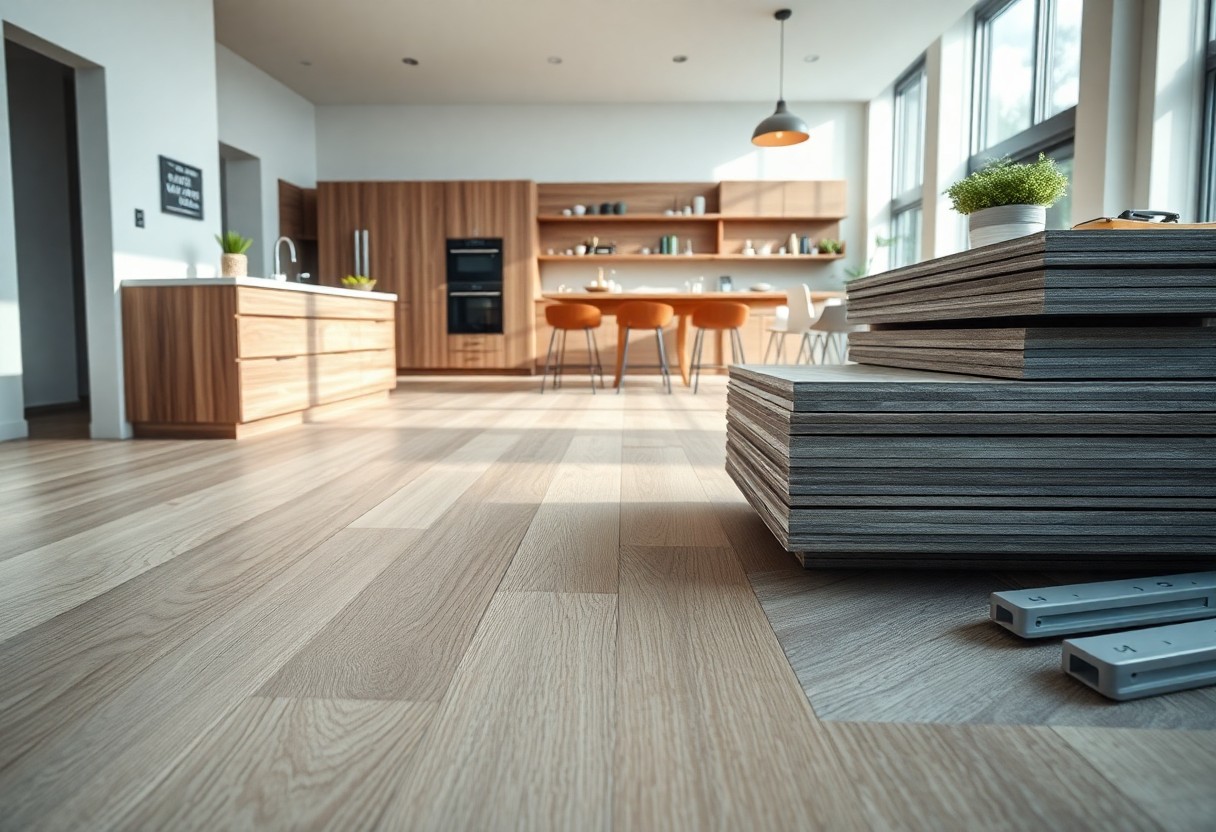
You’ll notice SPC’s limestone-based core delivers unmatched dimensional stability and waterproof performance, letting manufacturers offer plank widths from 6 to 9 inches and lengths up to 72 inches without cupping. Many wear layers range 12-20 mil (0.3-0.5 mm) for residential use and 20-30 mil for mixed commercial settings, while click-lock installations and micro‑beveled edges preserve tight seams and authentic visual transitions between rooms.
Popular Patterns and Textures
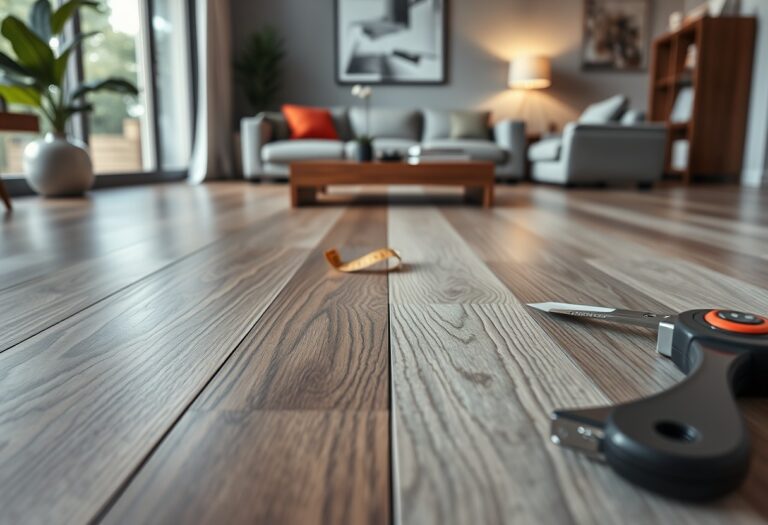
You can choose from ultra-realistic oak, hickory and walnut visuals, marble and slate stone looks, plus layout patterns like wide‑plank, herringbone and chevron. Registered embossing aligns texture with the printed grain for convincing depth, and finishes such as wire‑brushed, hand‑scraped or ultra‑matte give tactile authenticity-manufacturers commonly offer 3-5 texture options per collection to match traditional or contemporary schemes.
Color Choices that Remain Relevant
You’ll find that neutral palettes dominate sales: warm oak, weathered gray and bleached white stand out, with manufacturers reporting gray and brown tones make up roughly two‑thirds of purchases. Mid‑tones and soft grays remain versatile across styles, while deeper espresso and charcoal provide lasting contrast in open-plan spaces.
You should assess Light Reflectance Value (LRV) when selecting tone-aim for LRV 60+ to brighten small rooms, 30-50 for balanced mid‑tones, and below 25 for dramatic contrast. Test 6-12 inch plank samples in different daylight and evening light, compare them against your cabinetry and textiles, and match undertones (warm vs. cool) to avoid clashing once installed.
Durability and Maintenance: The Practical Appeal
You rely on floors that resist daily abuse while staying simple to care for; laminate and SPC deliver on both. SPC’s rigid core prevents swelling and tolerates moisture, while AC-rated laminates offer graded abrasion resistance for different rooms. Warranties commonly range 10-30 years, letting you plan replacements and focused upkeep for hallways, kitchens and commercial-style entryways without unexpected surprises.
Long-lasting Performance
With SPC you get a dense mineral core typically 3-8 mm thick and wear layers of 0.3-0.7 mm that block dents and moisture. Laminate uses AC ratings (AC1-AC5): AC3 suits busy homes, AC4-AC5 handle light commercial use. Manufacturers often back products with 15-30 year residential warranties, so you match plank thickness, wear-layer specs and AC rating to traffic patterns in your spaces.
Easy Maintenance Practices
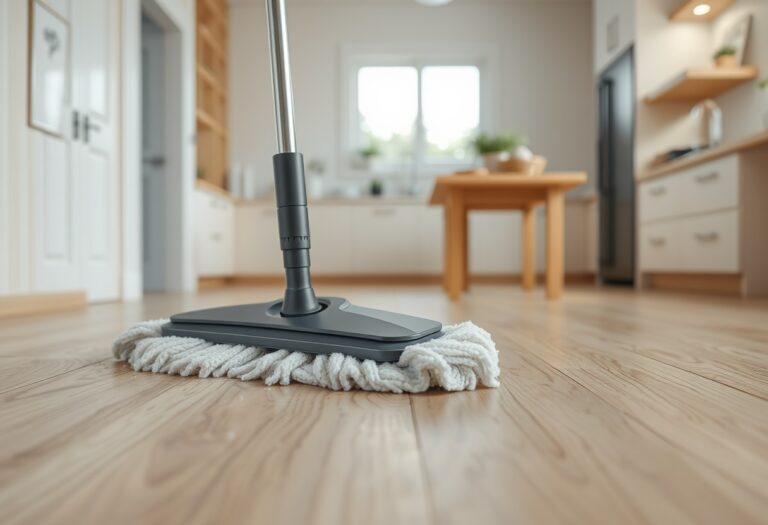
For routine care, vacuum with a soft-brush head and sweep high-traffic zones daily, then damp-mop weekly using a pH-neutral cleaner or a few drops of dish soap in warm water. Avoid steam mops, abrasive pads and bleach-based cleaners, and wipe spills promptly to prevent residue or surface dulling. These simple habits reduce visible wear and support warranty claims over time.
Place walk-off mats at entrances and use felt pads on furniture legs, replacing them every 6-12 months; this prevents scratches in concentrated areas. Maintain indoor humidity around 35-55% to limit plank gapping or cupping. Pet owners should trim nails and use rugs under feeding areas. Consider a professional deep clean every 1-3 years, and always spot-test new cleaners on an inconspicuous plank-avoid rubber-backed mats that can cause discoloration.
Environmental Considerations
Sustainable Materials
You can favor laminate and SPC that use recycled or low-impact inputs: SPC often replaces a large share of PVC with 40-60% limestone (calcium carbonate) filler, while laminate HDF cores frequently contain 60-80% recycled wood fiber and are offered with FSC-certified overlays. Choosing products with 20-30% post-industrial recycled PVC or formaldehyde-free binders lowers embodied carbon and off-gassing, and several manufacturers publish EPDs so you can compare lifecycle impacts directly.
Eco-Friendly Manufacturing Processes
You should prioritize manufacturers using water-based or UV-cured coatings, closed-loop waste recycling, and low-VOC adhesives, since these reduce solvent emissions and production scrap. Certifications like ISO 14001, GREENGUARD, FloorScore, EPDs, and HPDs signal verified controls. Some plants recover heat or deploy CHP systems to lower energy intensity, and suppliers increasingly publish third-party life-cycle data so you can verify claimed reductions in carbon and VOCs.
You can verify process benefits by reviewing EPDs and HPDs: factories that adopt UV-curing and waterborne finishes commonly push VOCs into single-digit ppm ranges, and facilities with closed-loop water systems often reclaim over 80% of rinse water. Additionally, heat-recovery and cogeneration can cut on-site energy use by roughly 20-30%, and manufacturers with transparent ISO 14001 programs provide measurable targets and progress data you can inspect before specifying flooring.
Cost-Effectiveness and Value
You can stretch your budget with laminate and SPC by comparing upfront price per square foot to expected lifespan: laminate typically runs $0.90-$4/sq ft and SPC $1.50-$6/sq ft, while lifespans range roughly 10-30 years depending on quality. Balancing material cost, warranty length, and maintenance needs lets you choose flooring that delivers long-term value rather than a short-lived trend.
Affordability of Laminate and SPC
Laminate is usually the budget winner for large projects: on 800 sq ft materials you might pay $720-$3,200, whereas SPC materials sit around $1,200-$4,800. If you factor typical installation rates of $1-$4/sq ft, your total project cost shifts notably, so you can decide whether the extra waterproofing and dimensional stability of SPC justifies the price in kitchens, basements, or rentals.
ROI on Installation
You’ll often recoup a significant portion of new flooring at resale-industry estimates commonly range 60-80%-and choosing SPC for main living areas can boost buyer appeal. For example, a 1,000 sq ft upgrade costing $6,000 (materials plus install) could translate to a perceived value increase of $3,600-$4,800 in many markets.
Consider variables that drive return: local market preferences, room type, and product warranty. If you install SPC with a 20-year warranty in a high-traffic open-plan living area, maintenance costs remain low and buyer interest rises; alternatively, a $75/month rent premium on a rental unit yields $900/year, so a $6,000 investment would pay back in roughly 6-7 years while continuing to deliver value for a decade or more.
Future Trends in Flooring Design
You’ll see wider planks (7-9 inches), mixed-width installations, and deeper embossing that elevate realism while improving durability; manufacturers are moving wear layers into the 20-30 mil range for heavy-traffic SPC and pairing AC4-AC5 laminate ratings with waterproof cores. Expect expanded low‑VOC certifications, modular click systems that reduce install time, and biophilic finishes and textures that help you align flooring choices with commercial branding and residential resale strategies.
Innovations on the Horizon
You’ll encounter ultra-thin SPC and WPC hybrids, high-definition printing with embossed‑in‑register textures that replicate wood pores, and enhanced UV-cured urethane finishes for better scratch resistance. Commercial specifications increasingly call for 12-22 mil wear layers and integrated underlayment systems, while R&D prototypes include antimicrobial surface chemistries and dimensional-stable cores that let you specify longer, wider planks without cupping or telegraphing.
Integrating Technology into Flooring
You can embed moisture sensors, NFC installation tags, and BLE occupancy sensors into plank systems to monitor conditions in real time; many modern SPC and laminate products are rated for electric or hydronic radiant heating with recommended surface temperatures around 85°F (29°C). Data from floor sensors can be routed to your BMS via BACnet or Modbus gateways, allowing early leak detection and targeted maintenance instead of disruptive, whole-floor interventions.
You should pick sensor types to match use cases: capacitive moisture probes for continuous monitoring, piezoelectric footfall sensors for occupancy analytics, and NFC tags that store batch and install-date data for warranty and traceability. Power options range from replaceable batteries to energy-harvesting modules that use foot traffic, and integrations in retail and facilities management let you correlate traffic heatmaps with wear-layer specs so you plan replacements based on measured wear rather than assumptions.
Summing up
With these considerations, you can select laminate or SPC vinyl that balances timeless wood and stone visuals, durable cores, and practical installation to suit your lifestyle; favor neutral palettes, wide planks, matte textures, and sustainable finishes so your floors stay fashionable, easy to maintain, and appropriate for changing interiors over time.