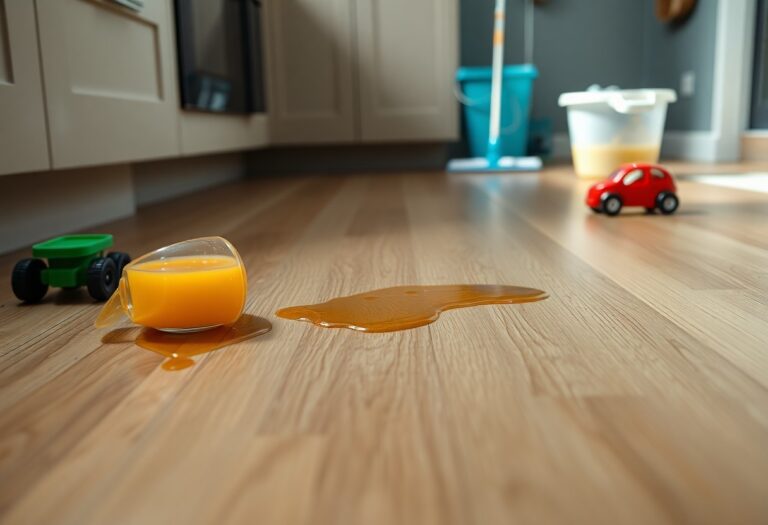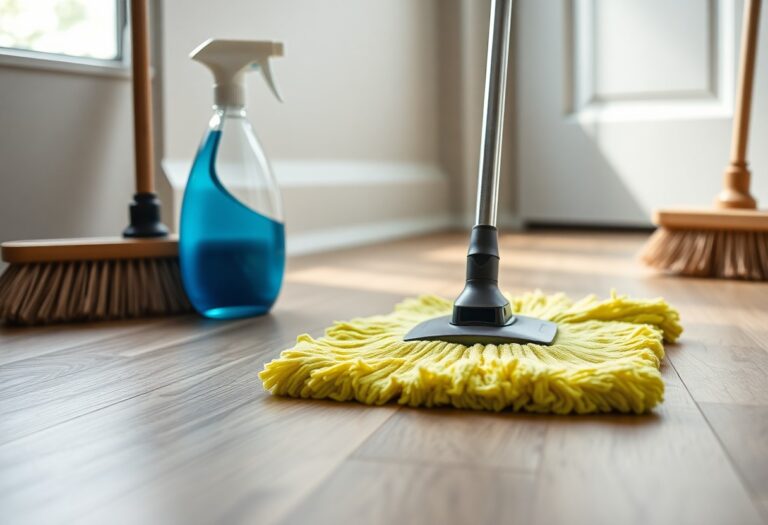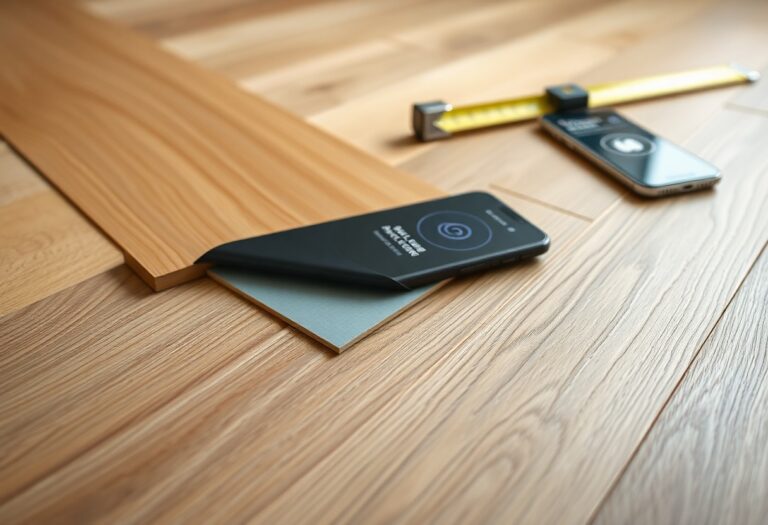

You get practical, room-by-room guidance to match your style, budget, durability, and maintenance needs; this authoritative guide compares hardwood, tile, vinyl, laminate, and carpet so you can confidently choose the best floor for kitchens, bathrooms, bedrooms, and high-traffic spaces.
Understanding Different Types of Flooring
You’ll compare lifespan, maintenance, cost and appearance: hardwood can be refinished 2-3 times spanning 50-100 years, vinyl survives moisture in bathrooms, tile handles heat and heavy wear. Consider cost ranges-hardwood $6-12/sq ft, laminate $1-3, vinyl $2-7, tile $5-15-to match budget to room demands. Assess installation complexity: DIY options like click-lock laminate save labor, while large-format tile needs a pro. Perceiving how each material behaves in humidity and traffic guides your room-by-room decision.
- Hardwood – long-term value, refinishing possible
- Laminate – budget-friendly, floating install
- Vinyl – waterproof options, LVP/LVT
- Tile – porcelain for durability, grout considerations
- Carpet – comfort, quick replacement
| Hardwood | $6-12 / sq ft (installed) |
| Laminate | $1-3 / sq ft (installed) |
| Vinyl (LVP/LVT) | $2-7 / sq ft (installed) |
| Tile (porcelain/ceramic) | $5-15 / sq ft (installed) |
| Carpet | $2-5 / sq ft (installed) |
Hardwoods
You’ll choose between solid and engineered hardwood: solid fits dry, above-grade rooms while engineered tolerates basements and radiant heat. Species matter – red oak Janka ~1290, white oak ~1360, hickory >1800 – and that affects scratch resistance and longevity. Expect pro installation plus periodic sanding; plan for acclimation to your home’s humidity and allow 48-72 hours before laying for best results.
Laminate
You get an HDF core topped with a photographic wood layer and wear surface, offering realistic looks at roughly $1-3/sq ft and simple floating installation. It resists scratches and everyday wear; water-resistant variants handle brief spills but cores will swell with prolonged exposure, and laminate cannot be refinished.
When you shop, pick AC rating: AC3 for moderate residential use, AC4 for heavy traffic; thickness of 8-12mm improves stability and underfoot feel. Use underlayment for sound reduction and moisture control in basements, favor click-lock systems for DIY installs, and verify edge-seal technology if moisture is a concern.
Vinyl
Modern vinyl includes sheet, luxury vinyl tile (LVT) and plank (LVP); at $2-7/sq ft installed many are fully waterproof, making them ideal for kitchens and bathrooms. You should check wear-layer thickness (measured in mils), surface texture for slip resistance, and whether the product is SPC or WPC to match comfort and stability needs.
Understand core types: SPC (stone plastic composite) gives rigid stability and thin profiles, while WPC includes a foam core for cushioned feel. Aim for a wear layer ≥12 mil for busy homes or 20 mil for commercial areas, confirm subfloor flatness within manufacturer tolerances, and follow adhesive or click-lock instructions to protect warranties.
Tile
You’ll weigh ceramic versus porcelain: porcelain offers lower porosity (<0.5%) and better frost resistance, while ceramic can be more economical. Use PEI ratings to match foot traffic-PEI 3+ for most residential floors-and factor in grout width, slip ratings, and the benefit of underfloor heating under tile in bathrooms and kitchens.
Porcelain’s low absorption makes it suitable for exterior transitions and wet rooms; rectified edges enable narrow grout joints for a sleek look. Prepare substrates with suitable backer boards or mud beds, follow thinset recommendations, and plan 24-72 hours cure time before heavy traffic to avoid tile movement or grout failure.
Key Factors to Consider When Choosing Flooring
Assess wear patterns, traffic and maintenance needs room-by-room: kitchens and hallways see about 3× more foot traffic than bedrooms, and pet owners need scratch- and stain-resistant surfaces. Hardwood can be refinished 2-3 times over 50+ years, LVT often carries 10-25 year warranties, and porcelain tile can last 75+ years with minimal upkeep. Match material to your subfloor and moisture exposure. Recognizing what matters most for each room will narrow your options quickly.
- Durability & traffic: choose commercial-grade or higher wear-layers for busy zones
- Moisture resistance: waterproof LVT, tile, or engineered wood for wet areas
- Maintenance: low-maintenance options like porcelain or LVT vs. periodic refinishing
- Budget vs lifecycle cost: consider replacement interval and resale value
- Installation & subfloor: plywood, concrete, and radiant heat affect choices
Room Functionality
Match flooring to how you use the space: for busy family kitchens choose porcelain or LVT with a 20-30 mil wear layer, while bedrooms can favor carpet or cork for comfort and noise reduction; entryways and mudrooms need textured porcelain or rubber tile for slip resistance. If you host often, prioritize durable finishes and stain warranties; for rental units look for materials with 5-15 year commercial ratings to minimize turnover costs.
Climate and Environment
Account for local humidity and temperature swings: in coastal or high-humidity areas above ~60% RH favor engineered wood, tile, or waterproof LVT instead of solid hardwood, and in dry, heated homes allow wider expansion gaps. For below-grade spaces and basements choose materials rated for moisture exposure so you don’t void warranties; your local climate will dictate acclimation time and underlayment choices.
Measure subfloor moisture and control indoor RH-aim for 35-55% for mixed installations and avoid seasonal swings over ~10% that some manufacturers flag in warranties. If installing over concrete, require a moisture test: many specs call for calcium chloride MVER under 3 lb/1,000 ft²/24hr or an in-slab RH below 75% before wood adhesives. You can mitigate risks with vapor barriers, 48-72 hour acclimation, or floating/waterproof systems designed for higher-moisture environments.
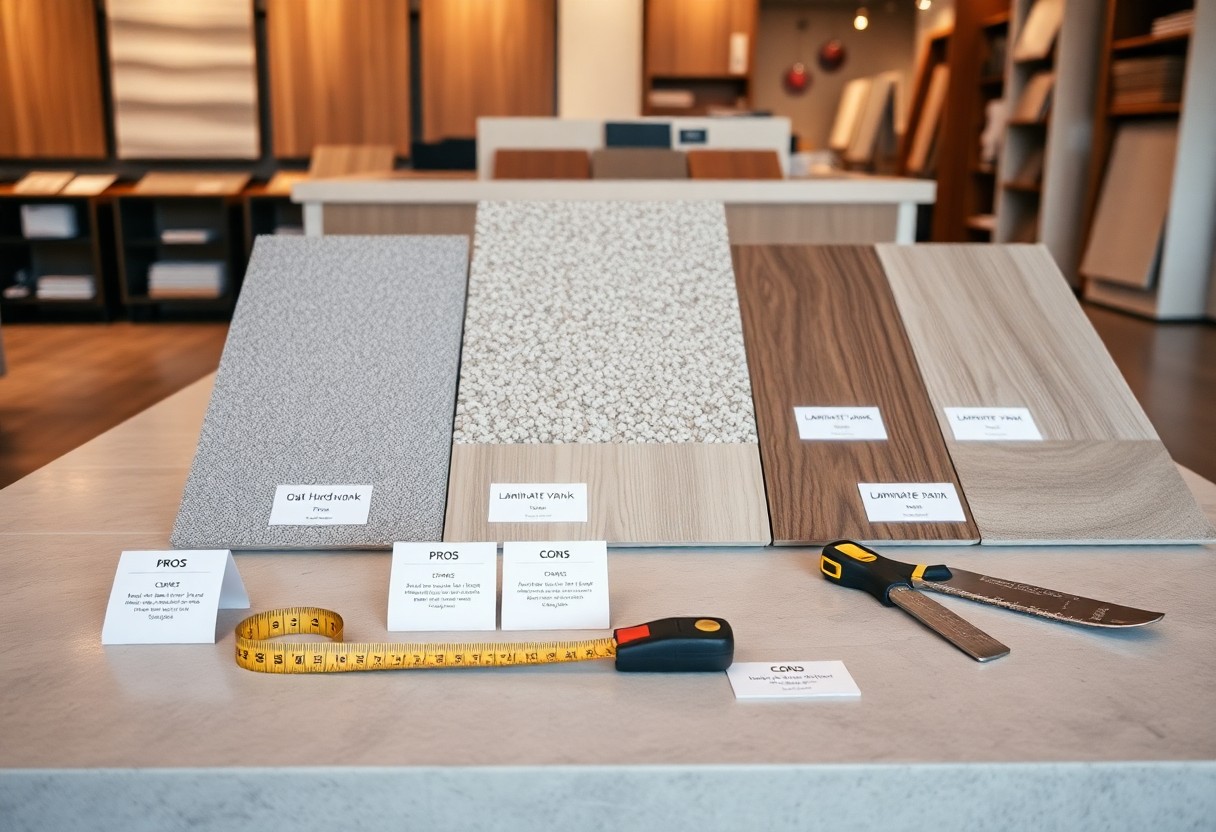
Pros and Cons of Popular Flooring Options
| Hardwood | Pros: Refinishable 2-3 times for a 50+ year life and strong resale value. Cons: $5-12/ft² installed, vulnerable to moisture and scratches. |
| Engineered Wood | Pros: More dimensionally stable in humidity and looks like solid wood; $3-8/ft². Cons: Limited refinishing (often once) and glue-layer sensitivity to water. |
| Laminate | Pros: Scratch-resistant wear layer, affordable $1-3/ft² and durable in high traffic. Cons: Many types aren’t waterproof, cannot be refinished, can feel hollow. |
| Luxury Vinyl (LVP/LVT) | Pros: Waterproof, 20-30 year lifespan, realistic visuals, $2-7/ft². Cons: Can dent under heavy loads and typically lower resale than real wood. |
| Porcelain/Ceramic Tile | Pros: Waterproof, 25-50+ year life, ideal for baths/kitchens. Cons: Cold/hard underfoot, grout needs maintenance, installation $5-15/ft². |
| Carpet | Pros: Superior sound absorption and comfort, $1-5/ft². Cons: Stains, allergens buildup, and typical replacement every 7-12 years with pets. |
| Bamboo | Pros: Renewable, hardness comparable to oak, $2-7/ft². Cons: Quality varies, can scratch and warp in high humidity if low-quality. |
| Cork | Pros: Insulating, comfortable underfoot and hypoallergenic, $3-8/ft². Cons: Dents easily, fades in sunlight, and requires periodic sealing. |
Advantages
You gain clear trade-offs: hardwood offers 50+ years and refinishability for higher resale, LVP gives waterproof durability for kitchens and basements, and tile handles heavy moisture in baths; laminate and vinyl deliver budget-friendly wear resistance while cork and carpet improve comfort and acoustics. For example, choosing LVP in a mudroom can save you $2-5/ft² versus porcelain while maintaining waterproofing, and selecting hardwood in living areas can boost perceived home value by up to 2-3%.
Disadvantages
You should weigh maintenance and lifecycle costs: hardwood and engineered wood need careful humidity control and occasional refinishing at roughly $3-5/ft², tile requires grout upkeep and can feel cold, while carpet and some laminates wear out in under a decade with pets or heavy traffic.
In practice, you’ll face situational failures: a bathroom-installed hardwood that wasn’t properly protected can cup within months; an LVP floor may dent under appliance feet, forcing plank replacement; grout can stain and cost $0.50-1/ft² to professionally restore; and landlords often replace carpet every 7-10 years due to staining, which adds lifecycle cost that offsets its low initial price. Plan room use, traffic, and moisture exposure to avoid costly surprises.
Tips for Selecting the Right Floor
When narrowing choices, weigh lifespan, cost and installation: hardwood lasts 50+ years if refinished 2-3 times; LVT/LVP costs $2-7/ft² and resists moisture; porcelain tile lasts 20-50 years and tolerates high traffic.
- Room function: wet areas prefer tile or waterproof vinyl
- Budget: $2-10/ft² typical range; labor can add 50-100%
- Durability: pets need scratch-resistant surfaces and tougher wear layers
This practical checklist steers your final pick.
Aesthetic Considerations
You should match scale, color and texture to room size and lighting: wide planks (5-7″) visually expand living rooms while narrow boards suit period homes; large-format porcelain (24×24-36×36″) minimizes grout lines in bathrooms. Select finish levels-matte hides scratches better than high gloss-and test 6-12″ samples under morning and evening light to confirm tone and reflectivity before ordering.
Maintenance Requirements
Your maintenance plan determines long-term value: sweep or vacuum high-traffic zones 2-3 times weekly, damp-mop wood with pH-neutral cleaners, and plan hardwood refinishes every 10-20 years. LVT and porcelain typically need only routine sweeping and occasional mopping; grout sealing every 1-2 years preserves appearance. Factor maintenance time and costs into your decision.
Go deeper: use microfiber mops, avoid steam mops on engineered or laminate floors, and never apply oil-based soaps to wood; for pets, trim nails and place rugs at entries. Keep indoor humidity at 30-50% to prevent cupping or gapping, allow manufacturer-recommended expansion gaps (often 1/4″-3/4″), and follow warranty care rules to avoid voiding coverage.
Step-by-Step Guide to Flooring Installation
| Step | What to do |
|---|---|
| Preparation | Measure room area (12×15 ft = 180 sq ft), order +10% waste, test moisture, level subfloor to 3/16″ over 10 ft (4.8 mm/3.05 m), and acclimate solid hardwood 48-72 hrs (engineered 24-48 hrs). |
| Installation | Choose method-floating, glue-down, or nail-down-follow manufacturer trowel/notch and fastener spacing, leave 1/4-3/8″ (6-10 mm) expansion gap, and stagger end joints 6-8″ (15-20 cm). |
| Finishing | Trim transitions, install baseboard leaving gap covered by shoe, allow adhesives or finishes to cure per specs, and perform final clean and inspection. |
Preparation
Survey your space and calculate material needs precisely; for a 12×15 ft room order about 200 sq ft to include 10% waste. You’ll check subfloor flatness-no more than 3/16″ over 10 ft (4.8 mm/3.05 m)-run a moisture test on slabs, and acclimate solid hardwood 48-72 hours (engineered 24-48 hours) in the installation environment before laying any planks.
Installation Process
Follow the manufacturer’s method for floating, glue-down, or nail-down installations: use specified underlayment, maintain a 1/4-3/8″ (6-10 mm) expansion gap, stagger seams 6-8″ (15-20 cm), and space fasteners about every 6-8″ (15-20 cm) for nail-down systems; always match trowel notch to the product for proper adhesive coverage.
For example, start along the longest straight wall using spacers to set the expansion gap, snap a chalk line to keep your first row true, dry-fit rows as you go, cut planks with a mitre or table saw for tight joints, use a tapping block and pull bar for click systems, and install transitions and shoe molding to conceal gaps; expect a pro to lay 100-150 sq ft/hr for LVP floating, while nail-down hardwood averages 25-50 sq ft/hr depending on complexity.
Common Mistakes to Avoid in Flooring Choices
Typical Errors
Avoid underordering: a 12×15 ft room is 180 sq ft, so you should order +10% (≈198 sq ft) to cover cuts and waste. Choose species for use-oak (~1,290 Janka) or hickory (~1,820 Janka) suit busy hallways better than softer woods. Check moisture: if basement RH exceeds 60%, pick waterproof vinyl or tile instead of solid hardwood. Also confirm warranty terms; improper underlayment or skipped acclimation often voids coverage.
To wrap up
Summing up, by assessing your room’s use, budget, moisture, maintenance, aesthetics, and long-term value, you can select flooring that balances performance and style. Prioritize durable materials for high-traffic areas, softer options for comfort, and professional installation to maximize lifespan and resale appeal.