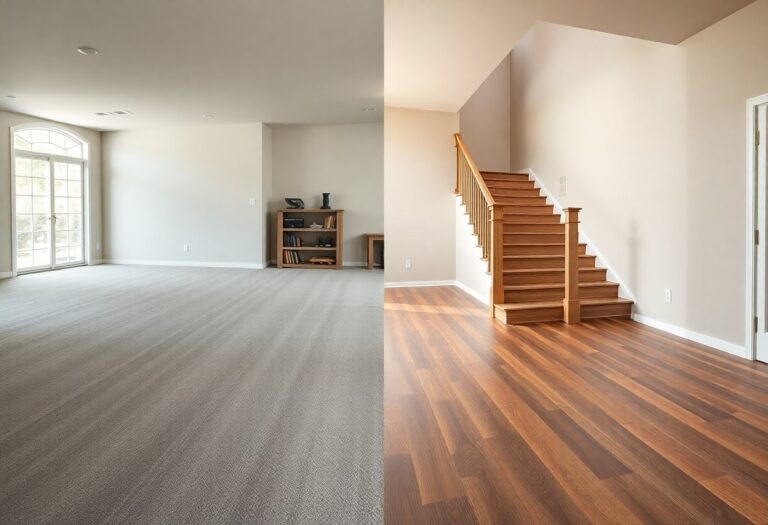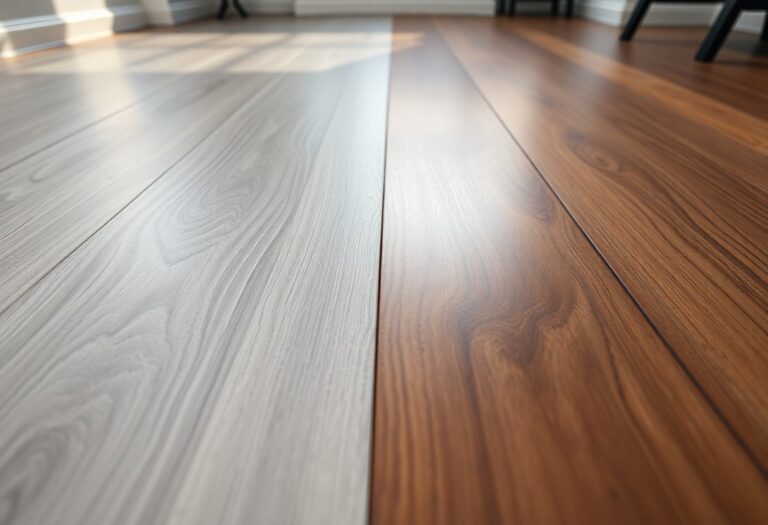


It’s clear why homeowners rely on Flooring Giant: their certified installers guide you through material selection, precise measurement, and efficient installation while protecting your home and warranty. You benefit from transparent pricing, project timelines, and post-installation support, ensuring your new floors meet performance and aesthetic expectations. Trusting professionals saves you time and minimizes risk, so your investment delivers lasting value.
Understanding the Flooring Industry
You need to know that installation often represents 20-40% of a project’s total cost and that manufacturer warranties commonly require certified installers; installers must acclimate wood 48-72 hours and perform moisture testing before work begins. Standards like NWFA training and ASTM moisture tests guide quality, and you benefit when crews document subfloor conditions, adhesive specs, and layer sequencing to protect warranties and long-term performance.
Types of Flooring Materials
When you choose materials, weigh durability, cost, and room use: hardwood refinishable, engineered wood stable in basements, laminate cost-effective, LVT waterproof for kitchens, and tile ideal for baths.
- Hardwood
- Engineered wood
- Laminate
- Luxury Vinyl (LVT)
- Tile
| Hardwood | $5-12 / sq ft; refinishable |
| Engineered | $3-8 / sq ft; stable in humidity |
| Laminate | $1-3 / sq ft; budget-friendly |
| Luxury Vinyl (LVT) | $2-7 / sq ft; waterproof |
| Tile | $3-15 / sq ft; durable for wet areas |
The choice affects required underlayment, transition details, and installation time.
Importance of Professional Installation
You gain proper substrate prep, accurate moisture testing, and code-compliant transitions: installers will correct floor flatness to ANSI standards, allow 48-72 hours acclimation for wood, and maintain expansion gaps of roughly 1/4-1/2 inch for floating floors, all of which reduce callbacks and preserve warranties.
Beyond basics, professionals manage unexpected issues-uneven subfloors, hidden water damage, or adhesive incompatibilities-which can add 2-8 hours of prep per 500 sq ft; hiring certified crews typically lowers total lifecycle costs by preventing cupping, lippage, or premature wear that often leads to expensive repairs within 2-5 years.
The Process of Professional Installation
Professional installation follows a step-by-step workflow designed to protect your investment and minimize downtime; teams typically finish a 300-500 sq ft room in 1-3 days, with installation representing 20-40% of total project cost. You receive certified installers, documented manufacturer-compliant procedures, and a final walkthrough that checks transitions, adhesive coverage, and tolerance adherence before sign-off.
Initial Consultation and Assessment
During the consultation a project manager inspects your site, catalogs subfloor type, traffic patterns, and transition points, and brings samples to verify color under your lighting. You’ll get an itemized estimate, recommended underlayment or moisture mitigation (for example, a 6-mil vapor barrier vs. a cementitious slurry), and a proposed schedule based on square footage and complexity.
Measurement and Preparation
Accurate measurement and preparation use laser measures, moisture meters, straightedges, and templates to capture dimensions and flatness to near 1/8″; installers log RH and surface moisture so you avoid failures. You’ll have a prep plan detailing repairs, leveling compounds, gap allowances, and a written acclimation period specific to your chosen material.
In practice you’ll see moisture testing with calcium chloride or in-situ RH, commonly targeting under 3 lbs/1,000 sq ft/24 hr or the manufacturer’s RH limits; hardwood typically acclimates 48-72 hours at 30-50% RH. Installers correct flatness to industry norms (about 3/16″ over 10′), apply 4-6 lb cementitious leveler for low spots, and optimize layout to limit waste-recently a 450 sq ft kitchen job reduced scrap to ~4% and finished on schedule.
The Role of Flooring Experts
When tackling complex flooring projects, you rely on experts who combine technical knowledge with precision tools to protect your investment. Installers typically follow industry tolerances-such as a maximum 3/16″ deviation over 10 feet for subfloor flatness-use moisture testing and manufacturer-approved adhesives, and hold certifications from NWFA or major brands. That mix of standards, training and equipment reduces callbacks, keeps warranties intact, and ensures your finished floor performs for decades.
Skills and Expertise Required
You should expect installers to master substrate preparation, moisture measurement, acclimation (often 48-72 hours for hardwood), accurate layout, and specialized installation techniques like floating, nail-down or glue-down. They use laser levels, pin-type and non-invasive moisture meters, pneumatic nailers and belt sanders, and adhere to manufacturer specs; this expertise prevents cupping, telegraphing and premature wear that DIY attempts commonly cause.
Customer Service and Support
You get more than hands-on trade skills: responsive scheduling, transparent estimates, a named project manager, and written workmanship warranties (commonly 1-5 years) that back the work. Clear timelines, pre-install checklists and coordinated deliveries mean fewer surprises, while documented approvals and walk-throughs protect your expectations from start to finish.
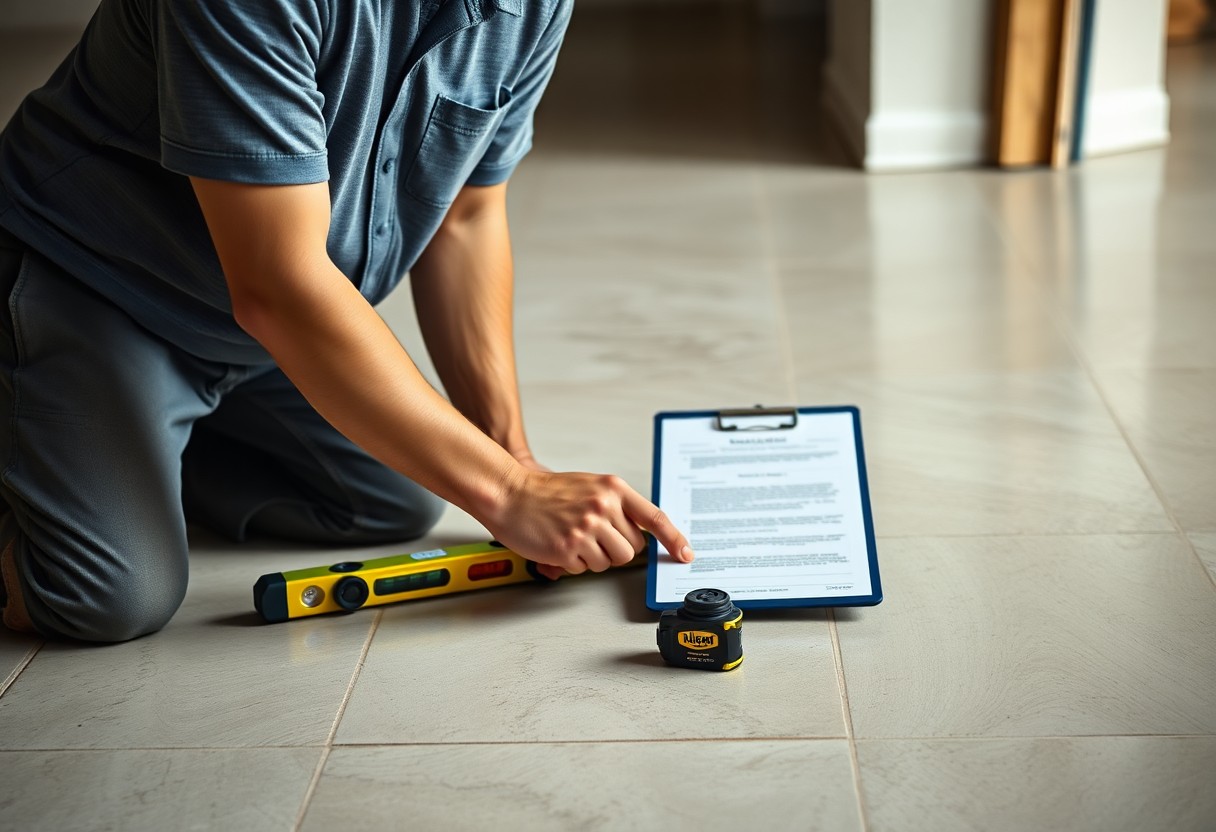
In practice, Flooring Giant documents every job with photos, measurement logs and a signed scope so your warranty claims and follow-ups are streamlined; typical response time for service issues is 24-72 hours. They also handle coordination with painters, electricians and plumbers, source replacement planks quickly, and provide post-install care instructions tailored to your material-vinyl, hardwood or tile-so you know exactly how to maintain your investment.
Benefits of Choosing Flooring Giant
Choosing Flooring Giant gives you nationwide coverage with 500+ certified installers, a 5-year workmanship warranty, and same-day estimates. Install times average 1.8 days for a 250 sq ft room, and project managers reduce downtime by about 20%. You access materials from 200+ vetted suppliers and volume pricing that typically saves you 10-15% versus independent contractors.
Quality Assurance and Standards
You see quality in their 100-point installation checklist, calibrated moisture meters used on every subfloor, and adhesives that meet ASTM standards. Their network includes 12 regional ISO 9001-certified hubs and over 10,000 third-party site inspections last year, achieving a 99% compliance rate with corrective actions completed within 48 hours when needed.
Customer Testimonials and Trust
You can judge trust by ratings-4.8/5 from 12,000 verified reviews-and by specific cases: the Smiths in Denver had waterproof LVT installed in two days and a minor trim issue corrected within 24 hours. Review snapshots and before/after galleries repeatedly highlight clear communication, punctual crews, and consistent workmanship.
You’ll find detailed case studies: a Seattle oak install recorded under 1% seasonal movement after their acclimation protocol, while a Boston kitchen remodel using their premium tile raised estimated resale value by $8,000 per local comparables. For ongoing service, 78% of clients request follow-up projects, underlining measurable long-term satisfaction.
Common Misconceptions about Flooring Installation
Many homeowners assume flooring is simply material plus labor, but you face steps like subfloor leveling, moisture testing, acclimation (typically 48-72 hours for hardwood), and transition planning. You should also factor in pattern layout, trim work, and warranty registration; missing any of these can cause gaps, cupping, or voided warranties. Flooring Giant’s 500+ certified installers follow manufacturer protocols and document tests to reduce callbacks and protect your investment.
Cost vs. Value
You often see a low bid and think you’ve saved money, yet a $2-$5 per sq ft premium for vetted installers can prevent costly repairs later. For a 2,000 sq ft job, a $3/sq ft difference equals $6,000 but yields proper subfloor prep, correct underlayment, and a 5-year workmanship warranty-benefits that typically preserve or increase resale value and avoid surprise expenses after move-in.
DIY vs. Professional Help
You can save on labor with DIY-often $1-$4 per sq ft-but you also take on moisture testing, acclimation, and tricky transitions. Mistakes like improper fastener spacing, skipped vapor barriers, or uneven subfloors lead to squeaks, gaps, and voided manufacturer warranties; professionals finish complex 1,000+ sq ft installs in 1-3 days and back work with a warranty.
You should weigh tool and time costs: renting a floor nailer ($50-$100/day), specialty saws, and a moisture meter ($100-$300) quickly narrows your savings, and intricate patterns (herringbone, chevron) require jigging and precise cuts only pros routinely execute. Additionally, incorrect installation can void product warranties and complicate future claims-using certified installers ensures adherence to manufacturer specs, documented moisture readings, and a traceable workmanship warranty if issues arise.
Maintenance and Aftercare
After installation, you should treat the floor as a precision surface: keep humidity between 35-55% to prevent cupping or gaps, allow adhesives 24-72 hours to cure before heavy traffic, and avoid steam cleaners on wood or some laminates. You’ll vacuum 2-3 times weekly in high-traffic zones and use mats at entrances-mats can stop up to 80% of tracked grit-so your investment maintains appearance and performance for years.
Tips for Long-term Care
Follow product-specific steps: for hardwood, refinish every 7-10 years depending on wear; for LVP, choose 12 mil+ wear layers for heavy-residential use; use pH-neutral cleaners and wipe spills within 24 hours to prevent swelling or staining.
- Vacuum or sweep 2-3 times weekly in active rooms
- Place 1/4″ felt pads under furniture and rotate rugs seasonally
- Maintain indoor RH at 35-55% and avoid standing water
Thou – you should schedule annual inspections with your installer to catch seam or transition issues early.
Warranty and Support Services
Your Flooring Giant installation includes a 5-year workmanship warranty; manufacturer warranties typically range from 10 years to lifetime depending on product. You’ll have access to a claims hotline and online portal, and many regions receive initial response or assessment within 72 hours to 5 business days, accelerating repair or replacement when coverage applies.
When you file a claim, prepare your invoice, order number and photos of the issue; Flooring Giant logs your maintenance history and sends a certified installer for inspection-typical on-site assessments occur within 3-5 business days. Exclusions commonly include flood damage, improper maintenance (e.g., using acidic cleaners), and pet-claw scratches; if covered, minor repairs are often scheduled within 7-14 days, while larger replacements (example: a 300 sq ft laminate section) have been completed within 10-21 days in recent projects.
To wrap up
Considering all points, you can rely on Flooring Giant for professional installation because they streamline the process from assessment to cleanup, provide skilled installers, clear communication, dependable timelines and solid warranties, ensuring your investment is protected and the finished floor meets your expectations.