
You can discover how to navigate the often overwhelming world of vinyl flooring sales to find high-quality floors that fit your budget. This guide provides practical tips and strategies to help you identify the best deals, whether you’re renovating your home or updating a rental property. By understanding market trends and shopping smartly, you’ll be equipped to make informed purchases that maximize your savings while ensuring you get durable and stylish flooring options year-round.
How to Identify Quality Vinyl Flooring
Identifying quality vinyl flooring involves assessing materials, durability ratings, and overall construction. Start by examining the thickness and wear layer, which plays a vital role in the floor’s lifespan. Higher quality options typically have thicker wear layers that can withstand scratches and dents better. Your choice should reflect not just aesthetics but practical resilience as well.
Inspecting Materials
When inspecting materials, focus on the vinyl composition. A dense core and high-quality surface layer indicate better durability and performance. Look for options made from virgin vinyl rather than recycled materials, as they often offer superior strength and longevity. Pay attention to the finish; a textured surface can provide more grip and reduce wear over time.
Understanding Durability Ratings
Durability ratings are necessary for evaluating vinyl flooring options. These ratings, often found in terms of wear layers, indicate the floor’s ability to withstand daily use. Products with a wear layer of 20 mil or higher are typically suited for commercial spaces, while residential floors can thrive with a 12-20 mil layer. Consider your lifestyle and foot traffic; selecting appropriate durability ratings ensures your vinyl flooring will maintain its appearance and functionality for years.
Durability ratings not only encompass wear layer thickness but also involve the expected performance of different vinyl types. For instance, luxury vinyl tiles (LVT) often feature enhanced durability due to their rigid core, making them ideal for high-traffic areas. Ratings can also indicate resistance to stains, moisture, and UV fading, providing insight into how well a product will hold up against environmental factors. Knowing these ratings aids in selecting a floor that aligns with your specific needs, whether for a bustling household or a quieter space.
Tips for Shopping Smartly
To make the most of your vinyl flooring budget, shopping smartly is key. Focus on well-reviewed brands, check warranty details, and ensure the product meets your needs. Here are some quick tips:
- Research online reviews and ratings.
- Compare prices from multiple retailers.
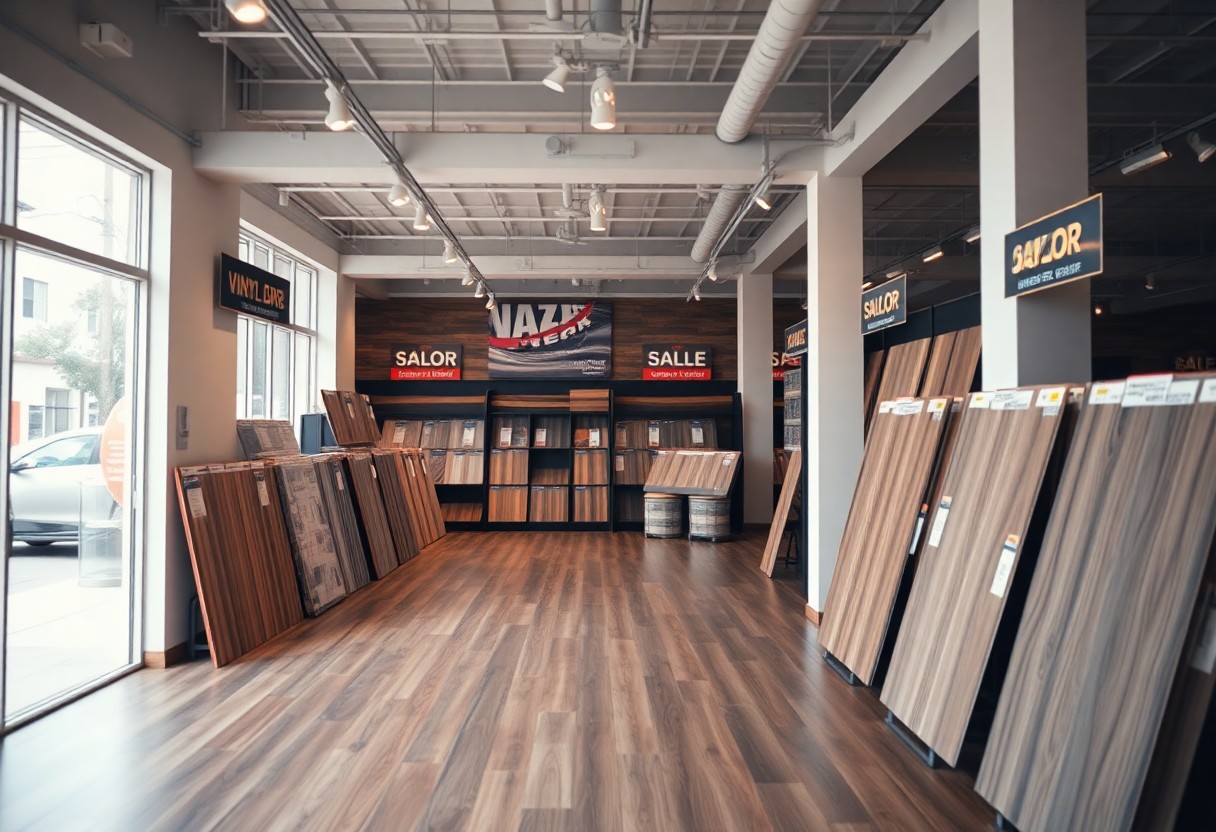
- Visit showrooms for firsthand experience with textures and colors.
- Consult with flooring experts for personalized advice.
Perceiving how these factors play into your decision can lead to a satisfying purchase.
Timing Your Purchase
Timing can significantly influence your flooring costs. Sales typically align with seasonal trends, with major discounts appearing during holidays or end-of-season clearances. For example, you might find great deals during Black Friday or New Year’s as retailers make space for new inventory.
Utilizing Sales and Discounts
Take full advantage of sales and discounts throughout the year. Many retailers offer periodic promotions, like buy-one-get-one-free deals or percentage-off sales. Additionally, sign up for newsletters from local stores to receive exclusive offers not available to the general public.
Utilizing sales and discounts effectively means staying in the loop. Some brands have annual clearance events that can save you hundreds on high-quality vinyl flooring. Subscribing to alerts from manufacturers can also provide insight into upcoming sales. Furthermore, combining manufacturer rebates with in-store discounts can yield significant savings, ensuring you get the best value for your renovation. Taking advantage of clearance items, while keeping an eye out for coupon codes, can allow you to create the space you envision without overspending.
Key Factors to Consider
When searching for vinyl flooring, several key factors influence your choice. You want to ensure that the flooring suits your needs while also fitting within your budget. Focus on durability, design options, and warranty coverage to guarantee you’re making a wise investment.
- Durability and wear layers
- Comfort and sound insulation
- Water resistance and ease of cleaning
- Style and color options available
- Warranty and return policy
Assume that all these factors are in balance to maximize your flooring experience.
Budget and Cost Comparisons
Cost is a significant element when shopping for vinyl flooring. Compare different brands, materials, and installations to make an informed choice.
Cost Comparison Table
| Type of Vinyl Flooring | Average Cost per Square Foot |
|---|---|
| Sheet Vinyl | $1 – $3 |
| Luxury Vinyl Plank (LVP) | $2 – $5 |
| Luxury Vinyl Tile (LVT) | $2 – $7 |
Style and Design Choices
You have a wide variety of styles and designs to choose from when it comes to vinyl flooring. Selecting a style that reflects your personality and complements your home is necessary.
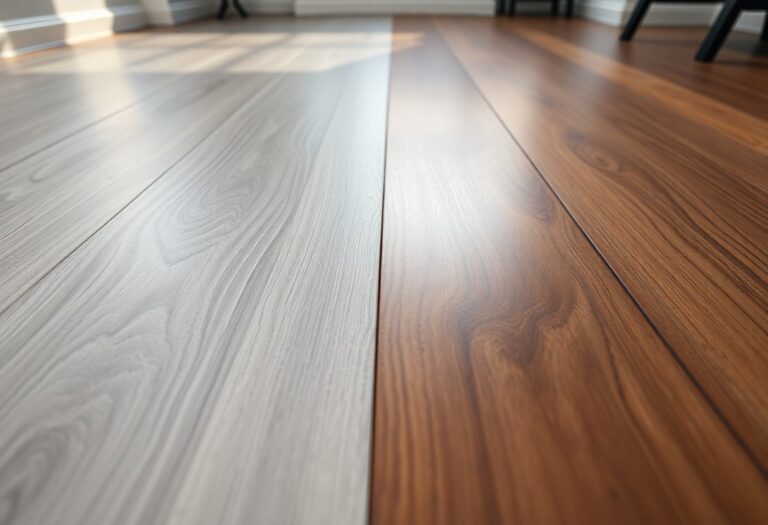
Diverse options range from traditional wood-look vinyl to contemporary tile styles, allowing you to achieve your ideal aesthetic. For example, wood-look vinyl can provide warmth and texture, while geometric patterns may add a modern touch to living spaces. Additionally, consider how color schemes and finishes will impact the overall ambiance of your rooms.
How to Measure Your Space Correctly
Accurate measurements are imperative for determining how much vinyl flooring you need for your space. Start by mapping out the area you wish to cover, whether it’s a single room or multiple rooms connected. Take measurements of each dimension, noting any alcoves or irregularities. This thorough approach ensures that you minimize waste and expense, helping you plan your purchase more effectively.
Tools Needed for Measurement
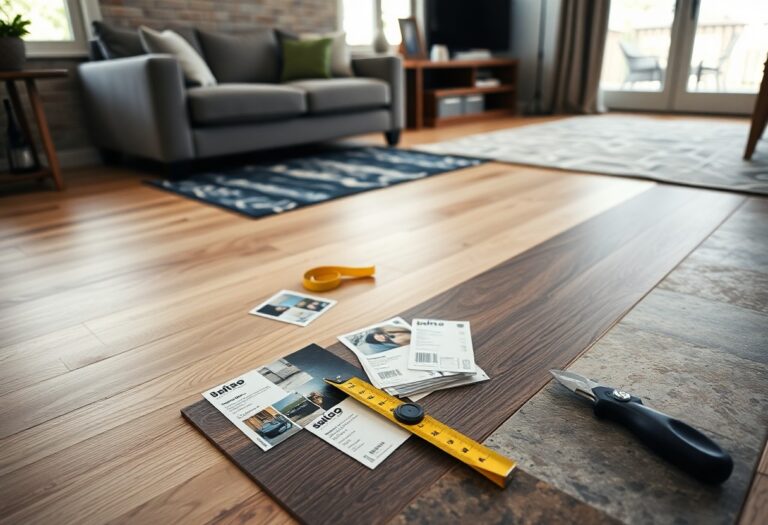
To measure your space correctly, you’ll need a few basic tools: a tape measure for length and width, a notepad for recording dimensions, and a straightedge for marking any irregular areas. If necessary, a level can help ensure that your measurements account for uneven flooring or areas that may affect installation.
Calculating Quantity Required
Once you have your measurements, calculating the quantity of vinyl flooring required is straightforward. Multiply the length by the width of each area, then sum these totals to get the overall square footage. Don’t forget to account for an additional 10-15% to cover cuts and mistakes.
To elaborate, after calculating the square footage, factor in the layout of your space. For rooms with many angles or irregular shapes, break the area down into smaller rectangles or squares for easier computation. This method not only provides a more accurate total but also helps identify which vinyl pieces will need trimming. Be mindful to adjust for any existing wall structures, cabinets, or built-in fixtures, ensuring your final calculation reflects the actual space that will be covered with flooring.
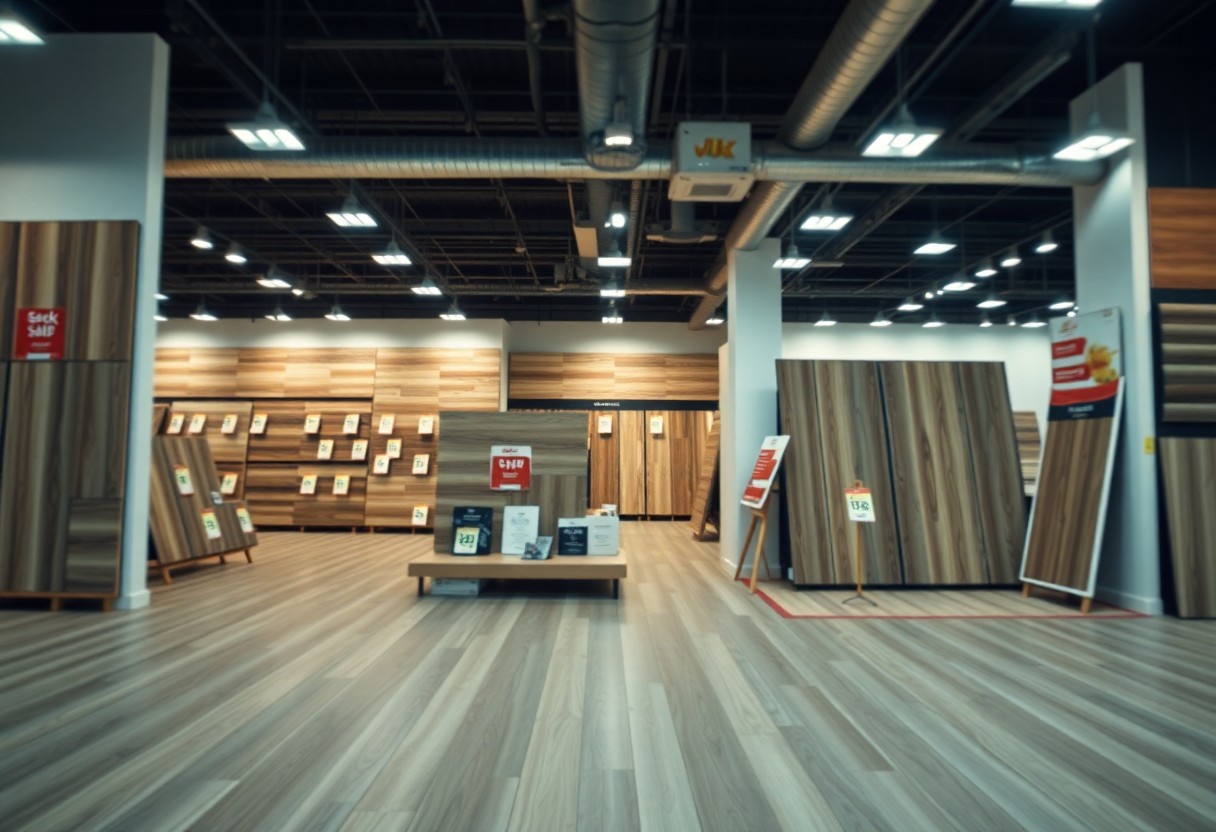
Best Places to Buy Vinyl Flooring
Finding the right place to buy vinyl flooring can significantly affect your budget and selection. Explore a mix of online retailers, local home improvement stores, and specialized flooring shops to uncover the best deals. Each option offers unique advantages, from convenience and variety online to the ability to directly inspect products in physical stores. Don’t overlook clearance events and promotions that certain retailers offer seasonally, enabling you to score quality flooring at reduced prices.
Online Retailers vs. Local Stores
When choosing between online retailers and local stores, consider factors like convenience and tactile experience. Online retailers provide extensive inventories and competitive pricing, often accompanied by customer reviews for informed decisions. In contrast, shopping at local stores allows you to physically examine the flooring, ask questions, and receive immediate assistance from knowledgeable staff. Balancing these options based on your preferences can lead to the best purchase.
Outlet Stores and Liquidation Sales
Outlet stores and liquidation sales can be fantastic opportunities to save on vinyl flooring. These venues often carry excess inventory, discontinued lines, or slightly damaged products at greatly reduced prices. While selection may vary, you can find high-quality options that fit your style and budget. It’s vital to act quickly, as these deals typically do not last long and desirable items can sell out rapidly.
Both outlet stores and liquidation sales present excellent chances to find top-brand vinyl flooring at a fraction of the original cost. For example, many flooring manufacturers host warehouse sales to clear outdated models and surplus stock, offering discounts of 30-70% off retail prices. Scouring local listings, social media pages, and industry newsletters can keep you informed about upcoming liquidation events in your area, ensuring you don’t miss out on remarkable savings.
How to Install Vinyl Flooring Yourself
Installing vinyl flooring yourself can save you money and give your home a fresh look. With the right preparation and tools, the process can be straightforward and rewarding. Whether you’re a seasoned DIY enthusiast or a beginner, following a structured approach can make your installation successful and efficient.
Necessary Tools and Preparation
Gathering necessary tools is your first step toward a successful vinyl flooring installation. Essential tools include a utility knife, measuring tape, straightedge, flooring adhesive (if applicable), and a roller or seam roller for proper application. Additionally, ensure your subfloor is clean, dry, and free of any imperfections, as this will affect the installation quality.
Step-by-Step Installation Process
Begin by measuring your room and cutting the vinyl to fit. Next, roll out the vinyl and ensure it is laid flat with no bubbles. When installing, press down firmly on seams and edges to secure them in place, using adhesive if necessary. Finally, trim any excess and finish by rolling over the flooring to enhance adhesion.
Step-by-Step Installation Process
| Step | Description |
| 1 | Measure and cut the vinyl to the dimensions of your space. |
| 2 | Lay the vinyl flat, making adjustments for any obstacles. |
| 3 | Secure seams and edges either by rolling or using adhesive. |
| 4 | Trim excess vinyl along the edges for a clean finish. |
Follow these steps meticulously for optimal results. Start by preparing your subfloor, ensuring it’s in top condition. In addition to measuring accurately, allow your vinyl to acclimate by laying it flat for at least 24 hours before installation. Focus on maintaining even pressure when adhering and smoothing out seams, which will enhance durability and aesthetic appeal in the long term.
Conclusion
Now that you have a comprehensive understanding of how to effectively find quality vinyl flooring at discounted prices all year round, you can confidently make informed choices. By exploring various sales, comparing materials, and leveraging seasonal promotions, you can maximize your budget while enhancing your space with stylish and durable floors. Enjoy the satisfaction of scoring premium flooring without overspending, ensuring your home remains both beautiful and functional.