
Over the years, white oak flooring has emerged as a favorite among homeowners seeking a perfect blend of elegance and durability. Your choice of flooring can significantly impact your home’s ambiance, and white oak offers a fresh, modern aesthetic while maintaining a classic appeal. With its natural grain patterns and ability to complement various design styles, white oak not only enhances the beauty of your space but also stands the test of time, making it an ideal investment for your bright and modern home.
The Benefits of White Oak Flooring
Choosing white oak flooring offers numerous advantages that elevate your home’s interior. Its unique balance of beauty and performance makes it ideal for both modern and traditional settings. With its ability to resist wear and tear, maintain its appearance, and complement various design styles, you can create a warm and inviting space that stands the test of time.
Durability and Longevity
White oak flooring is renowned for its impressive durability, featuring a Janka hardness rating of 1360, making it harder than many other hardwoods. This resistance to dents and scratches ensures your floors look pristine even in high-traffic areas. With proper care, white oak can last for decades, retaining its charm and structural integrity, making it a wise long-term investment.
Aesthetic Appeal
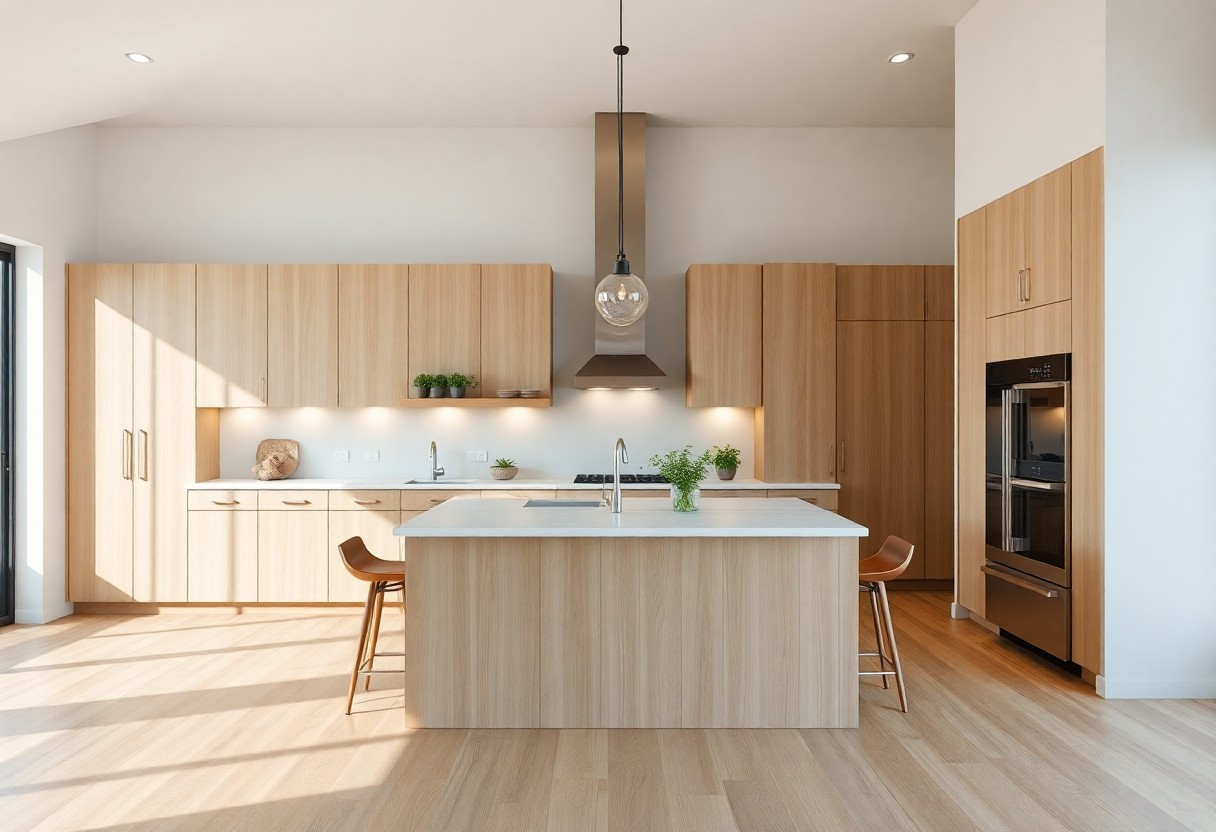
The aesthetic appeal of white oak flooring lies in its stunning grain patterns and rich color variations, which enhance any space. Its warm, neutral tones create a welcoming environment, capable of fitting seamlessly with a range of interior styles, from contemporary to rustic. You can choose from a variety of finishes that accentuate its natural beauty, ensuring your floors complement your decor perfectly. This adaptability allows you to create a cohesive look throughout your home.
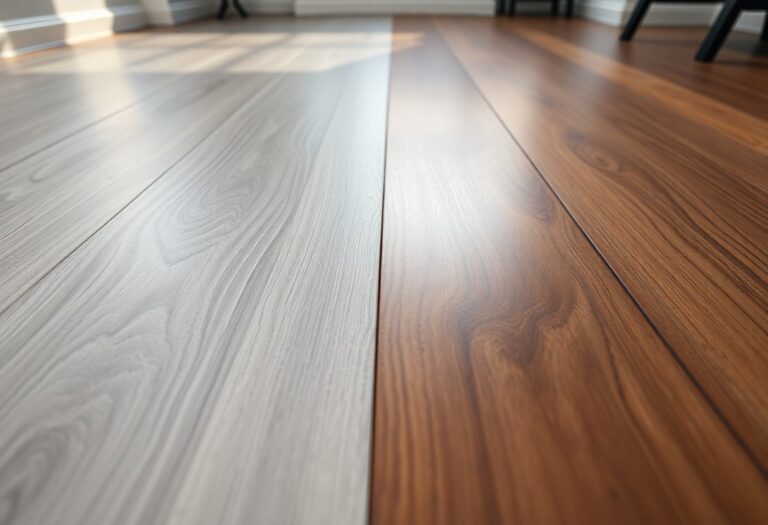
The character of white oak is further accentuated by its distinctive grain, which showcases sweeping lines and organic texture, making each floorboard unique. This individuality enhances visual interest, preventing your floors from appearing monotonous. Whether you opt for a matte finish for a subtle elegance or a high gloss for a sophisticated shine, the choices available allow you to express your personal style while benefiting from a timeless, classic aesthetic.
Choosing the Right Finish
Your choice of finish can dramatically influence the appearance and longevity of your white oak flooring. A well-selected finish enhances the wood’s natural beauty while offering necessary protection against wear and tear. Consider factors like the level of foot traffic in your space, the desired aesthetic, and the maintenance commitment you’re willing to undertake. Each finish has its unique properties, making it crucial to select the one that conforms to your lifestyle and design goals.
Stains and Colors
Protective Coatings
Protective coatings are vital for preserving the integrity of your white oak flooring. Options include polyurethane, oil-based, and water-based finishes, each offering different levels of durability and sheen. The right coating not only shields the wood from scratches and moisture but also enhances its natural appeal, resulting in a finish that marries both style and substance.
When choosing a protective coating, consider the durability required for your household’s activity levels. For example, water-based finishes dry quickly and emit fewer fumes, making them suitable for homes with children and pets. In contrast, oil-based finishes provide a richer color depth and superior durability, ideal for high-traffic areas. Keep in mind that periodic maintenance, such as reapplication or buffing, may be necessary to maintain the coating’s effectiveness and the wood’s beauty over time.
Installation Options
Choosing the right installation method for your white oak flooring can significantly impact both aesthetics and longevity. Whether you opt for a glue-down, nail-down, or floating installation, each option has unique considerations that can suit different settings and personal preferences. Evaluate your space, subfloor type, and desired look to determine which installation method best complements your home.
Prefinished vs. Unfinished
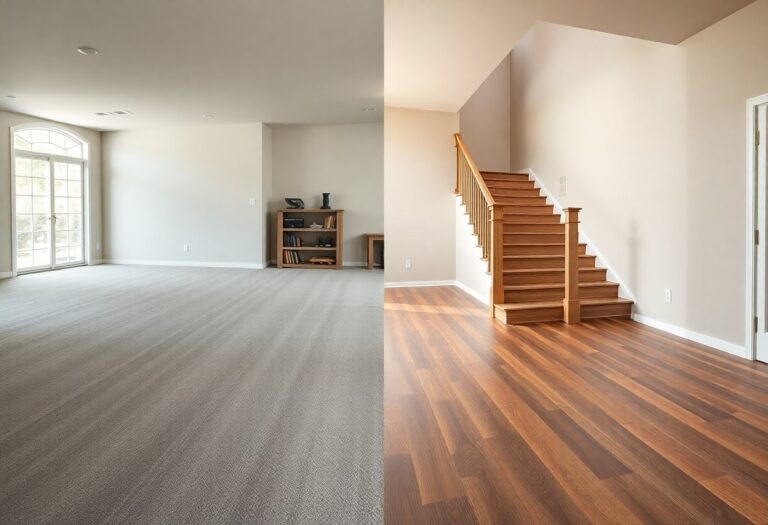
Prefinished white oak flooring allows for quicker installation and minimal mess since the boards come ready for use, showcasing a durable finish that protects against scratches and stains. On the other hand, unfinished flooring offers the opportunity for customization with stains and finishes that perfectly match your design vision, but requires sanding and finishing on-site, lengthening installation time.
DIY vs. Professional Installation
Deciding between DIY and professional installation hinges on your confidence, skill level, and the complexity of the project. While a DIY approach can save money, it requires significant time and effort. In contrast, hiring professionals ensures precision and efficiency, often resulting in a flawless finish that enhances the overall appearance and durability of your floors.
Taking on a DIY installation of white oak flooring can be rewarding, but it’s imperative to weigh your experience against the potential challenges involved. You’ll need the proper tools, a clear understanding of the installation method, and careful attention to detail to avoid costly mistakes. For instance, uneven subfloors or climate-related expansion issues could arise. If you’re not entirely confident, seeking professional help can mitigate these risks and ensure a more polished outcome, ultimately saving you time and stress in the long run.
Maintenance Tips
Maintaining your white oak flooring is vital for preserving its beauty and ensuring longevity. Regular upkeep will prevent wear and tear, allowing your floors to remain a stunning centerpiece in your home. Here are some key tips to keep in mind:
- Dust or sweep regularly to remove debris.
- Use a damp mop for deeper cleaning; avoid excess water.
- Place area rugs in high-traffic zones to reduce scratches.
- Apply a protective finish as needed to maintain sheen.
Perceiving the subtle shifts in your flooring’s appearance signals when maintenance is due.
Regular Cleaning
You should aim to dust or sweep your white oak floors at least once a week, ensuring that dirt and dust do not accumulate. This prevents scratches and keeps your floors looking vibrant. A damp mop with a pH-neutral cleaner can be used monthly for a deeper clean, but avoid soaking the wood to prevent damage.
Long-term Care
To effectively care for your white oak flooring over time, establish a routine maintenance schedule. This includes refinishing every 5 to 10 years, depending on traffic and wear. Use furniture pads to safeguard against scratches and avoid harsh cleaners that can strip your floor’s finish. Proper humidity levels, ideally between 30% and 50%, will also prevent warping and cracking.
Investing in long-term care for your white oak flooring pays off by maintaining its stunning appearance. Monitoring humidity levels and promptly addressing scratches or chips can significantly extend its lifespan. Regular refinishing not only revitalizes its look but also acts as a protective layer against daily wear. Consistency in maintenance will ensure that your white oak flooring is a timeless choice that continues to elevate your modern home for years to come.
Environmental Impact
When dicking out flooring, considering its environmental impact is important. White oak stands out not just for its aesthetic appeal but also for its relatively low impact on the environment. This wood is sourced from sustainable forests, ensuring that the ecological balance is maintained while providing a beautiful flooring option for your home.
Sustainability of White Oak
Sustainable harvesting practices have made white oak a reliable choice for eco-conscious homeowners. Many suppliers ensure that their trees are sourced from managed forests, allowing for continual growth and regeneration. With a high availability and efficient growth rates, you can rest assured that your flooring will not come at the expense of precious ecosystems.
Eco-Friendly Practices
Across the white oak flooring industry, eco-friendly practices are increasingly prioritized to minimize carbon footprints. Many manufacturers employ non-toxic finishes and adhesives, further reducing the impact on indoor air quality and the environment. By choosing suppliers committed to sustainable practices, you can contribute to a greener future while enjoying the beauty of your flooring.
Many manufacturers are now adopting eco-friendly sourcing and production practices. For instance, some companies utilize reclaimed wood, giving new life to old materials and reducing waste. Additionally, advancements in manufacturing technology enable more efficient production processes, decreasing energy consumption. Certifications like the Forest Stewardship Council (FSC) ensure that the wood comes from responsibly managed forests, making it easier for you to select environmentally friendly options for your home.
Cost Considerations
When investing in white oak flooring, it’s important to weigh both initial and long-term costs. The price of white oak can range from $3 to $10 per square foot, depending on quality and finish. Additionally, factor in installation expenses, which can add another $2 to $5 per square foot. While upfront costs may seem high, the durability and aesthetic appeal of white oak can validate the investment over time.
Budgeting for White Oak Flooring
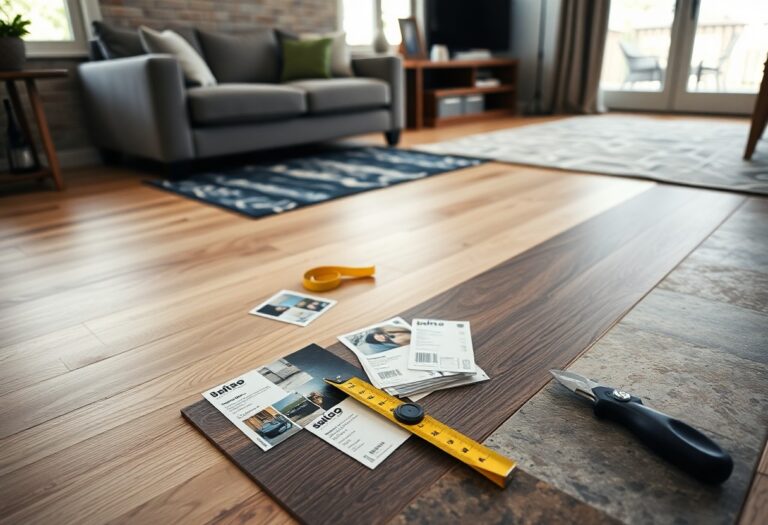
Creating an accurate budget for your white oak flooring starts with measuring your space and determining the total square footage needed. Once you have this figure, multiply it by the desired price per square foot for the flooring choice. Don’t forget to include costs for installation, underlayment, and finishing materials. Setting aside an additional 10-15% for unexpected expenses can help you stay on track.
Long-Term Value
Investing in white oak flooring offers significant long-term value. Its inherent durability enables it to withstand the rigors of daily use, ensuring it remains beautiful and functional for decades. Unlike other flooring materials, its natural resistance to wear and tear can lead to lower maintenance and replacement costs over time. This translates to a higher return on investment, particularly in a market where hardwood floors are highly sought after, often increasing a home’s resale value.
Conclusion
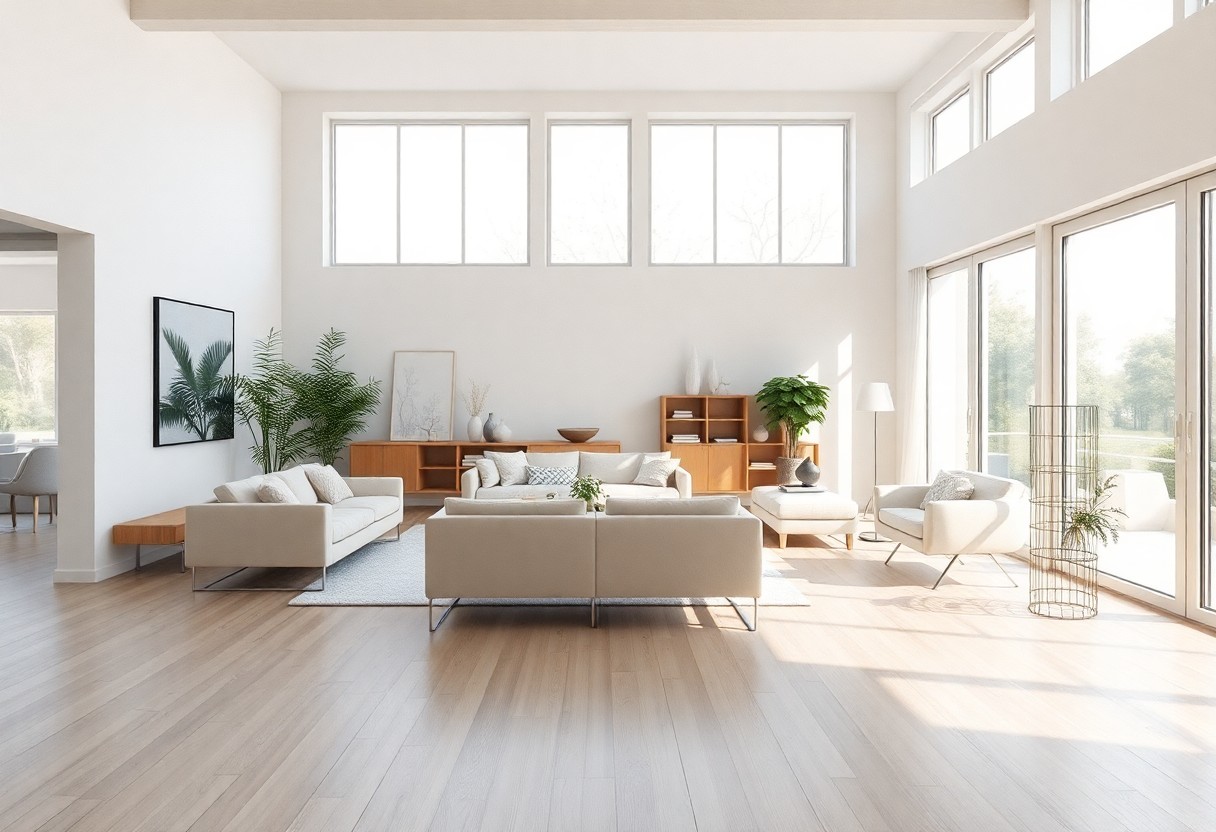
Taking this into account, white oak flooring stands as a distinguished choice for your modern home. Its elegant appearance, durability, and versatility allow you to enhance any space while ensuring a lasting investment. By selecting white oak, you elevate your interior design with a timeless aesthetic that complements both contemporary and traditional elements. Embracing this flooring option means you are not only making a stylish decision but also fostering an inviting environment that reflects your personal taste.