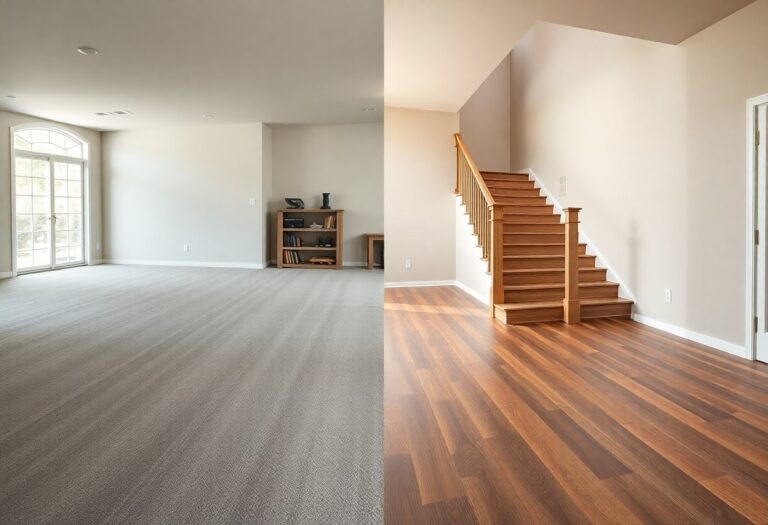


Just finding the right flooring option can vastly improve your space and comfort. When deciding between white oak, vinyl, and engineered flooring, you should consider factors like aesthetics, durability, maintenance, and budget. Each material offers unique benefits that can complement your lifestyle and home design. This guide will help you navigate these choices, ensuring you make an informed decision that suits your needs and preferences.
Understanding Flooring Types
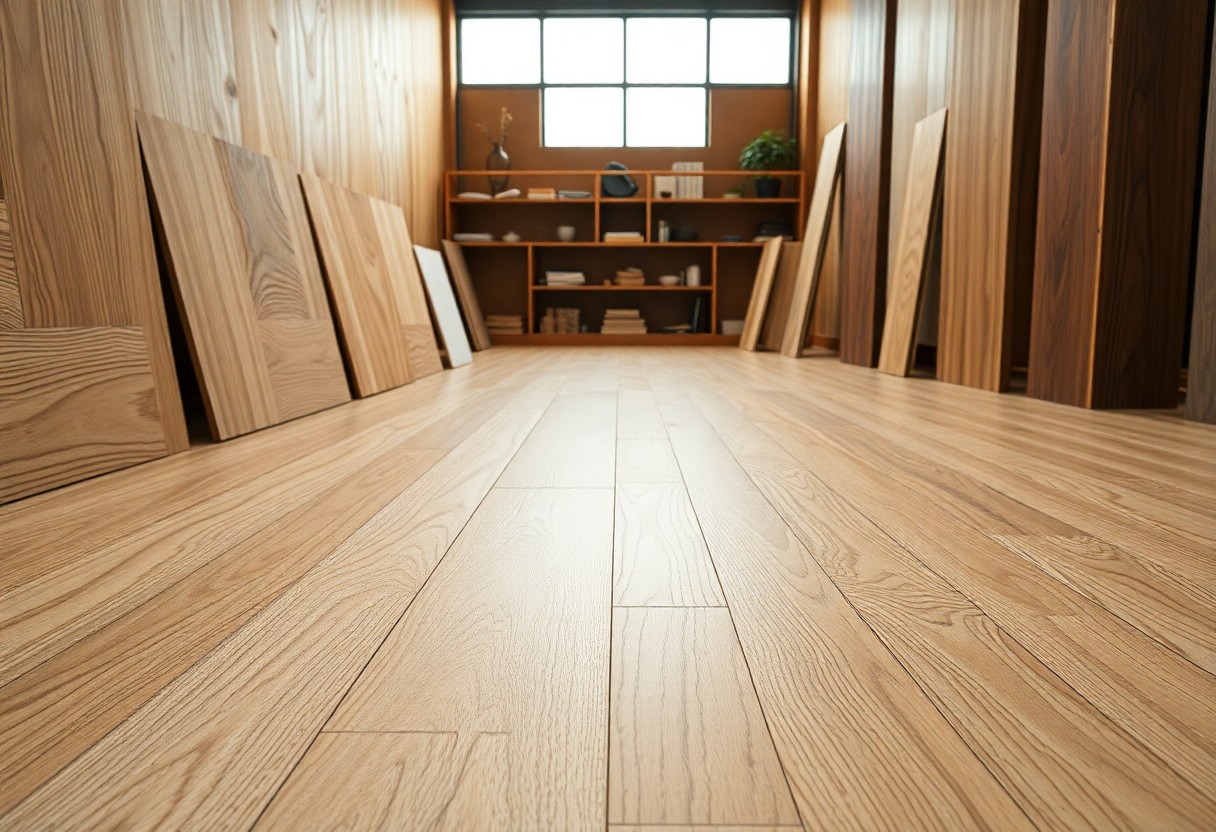
Exploring various flooring types can help you make an informed choice that reflects your style and practical needs.
- Different materials offer distinct aesthetics and functionalities.
- Consider long-term durability and maintenance.
- Cost varies significantly across options.
- Room usage influences performance and style preference.
- Recognizing these factors will lead you to the best choice for your home.
| Flooring Type | Key Feature |
| White Oak | Durable, elegant look with natural grain patterns. |
| Vinyl | Water-resistant and cost-effective with various designs. |
| Engineered | Stability and versatility suitable for various environments. |
| Eco-friendly Options | Products made from sustainable materials or reclaimed wood. |
| Luxury Choices | High-end aesthetics and performance by blending materials. |
Overview of White Oak
White oak flooring provides a timeless elegance and unparalleled durability, making it an ideal choice for high-traffic areas. Its unique grain patterns add character, while its resistance to moisture increases longevity. The natural warmth of white oak complements various interior styles, from rustic to modern.
Overview of Vinyl Flooring
Vinyl flooring is a versatile, cost-effective choice that mimics the appearance of natural materials. With options like luxury vinyl planks and tiles, you gain water resistance and easy maintenance. This flooring type can withstand heavy foot traffic, making it suitable for homes with children or pets.
The array of colors, textures, and designs available in vinyl flooring allows you to create your desired aesthetic without exceeding your budget. Vinyl often features a cushioning layer for added comfort and sound absorption, enhancing your living space’s atmosphere. Installation is straightforward, with options for peel-and-stick or interlocking tiles, making it accessible for DIY enthusiasts.
Overview of Engineered Flooring
Engineered flooring consists of a top layer of hardwood veneer bonded to multiple layers of plywood, offering improved stability and resistance to moisture changes. This combination allows you to enjoy the aesthetic appeal of solid wood, even in places like basements or kitchens where solid hardwood may not perform as well.
Engineered flooring’s multi-layered construction supports expansion and contraction, making it an excellent choice for various climates. Additionally, it can often be sanded and refinished, enhancing its lifespan while maintaining a fresh appearance. This flooring type strikes a balance between beauty, performance, and practicality, catering to diverse design preferences and functions in your home.
Factors to Consider When Choosing Flooring
When opting for your flooring, several key factors can influence your decision. Consider the following points to ensure you choose wisely:
- Durability and longevity
- Maintenance requirements
- Aesthetic appeal
- Cost and budget
After evaluating these aspects, you’ll be better equipped to choose a flooring option that meets your needs.
Durability and Maintenance
Durability is paramount when choosing flooring, particularly in high-traffic areas. White oak offers natural strength, making it resistant to wear, while vinyl provides excellent scratch and stain resistance. Engineered flooring balances beauty and durability, with a top veneer of hardwood over a plywood core. Maintenance varies; while vinyl only requires mopping, wood floors may need refinishing over time.
Aesthetic Appeal
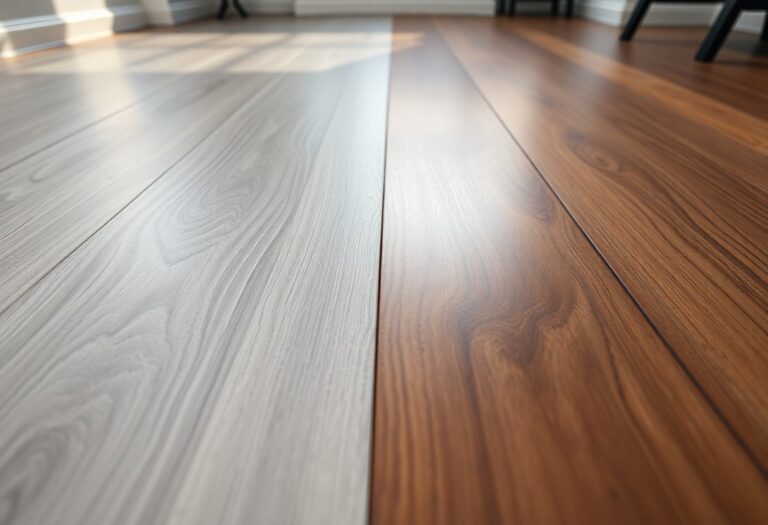
Your flooring sets the tone for your entire space, so aesthetic appeal plays a significant role in your choice. White oak provides a classic, elegant look with its varied grains and rich hues, elevating any room’s design. Vinyl offers versatility with a wide range of colors and patterns, mimicking natural materials, while engineered flooring combines the beauty of hardwood with practical installation options.
Consider how each material’s visual characteristics align with your interior design. White oak’s warm tones can create a cozy atmosphere, while vinyl trends often include modern designs and textures. Engineered flooring can capture the allure of hardwood without sacrificing functionality, giving you an appealing and practical option.
Cost Considerations
Cost is a vital factor in your flooring decision, affecting both initial investment and long-term value. Vinyl typically comes at a lower price point, making it budget-friendly without compromising appearance. Engineered flooring falls into a mid-range category, providing excellent durability and aesthetic benefits. White oak can be a higher investment, but its longevity may justify the expense over time.
For example, while the upfront cost for white oak might be higher than vinyl, its potential lifespan and timeless appeal can offer a greater return on investment. Conversely, if you’re looking to renovate on a tight budget, vinyl’s affordability can provide an attractive and practical solution without limiting your options.
How to Assess Your Space
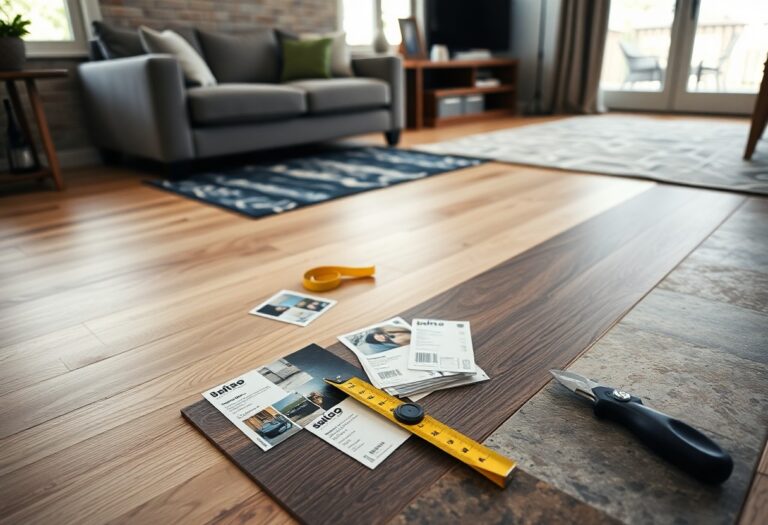
Assessing your space involves evaluating dimensions, layout, and style preferences. Measure the area accurately, noting existing furniture and architectural features that might influence your flooring choice. Consider how the physical characteristics of the space will complement your selected flooring material, ensuring a harmonious blend of aesthetics and functionality.
Room Functionality
Evaluate how each room in your home will be used. High-traffic areas like hallways and living rooms may benefit from durable materials such as engineered flooring or vinyl, while bedrooms could favor the warmth and charm of white oak. Your choice should support both comfort and practicality in relation to daily activities.
Climate and Environment
Your local climate plays a significant role in flooring selection. For example, areas with high humidity may not be ideal for hardwood, which can warp, while vinyl and engineered flooring offer moisture resistance. Understanding temperature fluctuations can also guide you toward materials that maintain their integrity over time.
Consider the specific climate conditions in your region when choosing flooring. In coastal areas, humidity levels can lead to moisture issues for solid wood floors, making vinyl or engineered options preferable. Additionally, regions with extreme temperature changes may benefit from the stability of engineered flooring, which is designed to minimize expansion and contraction, maintaining your floor’s appearance and longevity.
Tips for Selecting the Right Flooring
Choosing the right flooring involves assessing various factors that suit your needs and preferences. Here are a few tips to keep in mind:
- Consider your budget and the cost of installation.
- Evaluate durability based on foot traffic and wear.
- Think about maintenance requirements for each flooring type.
- Account for your home’s current style and décor.
Any flooring choice should reflect both practical needs and aesthetic appeal.
Personal Style Preferences
Your personal style significantly influences your flooring decision. If you lean towards a rustic ambiance, white oak can add a warm touch, while vinyl allows for creative designs and patterns. Choose flooring that complements your tastes and enhances the overall aesthetic of your home.
Lifestyle and Usage
Analyzing your lifestyle is vital in selecting the right flooring. High-traffic areas like entryways and kitchens benefit from durable options, such as vinyl or engineered flooring. Consider your daily activities-if you have pets or young children, opt for materials that withstand spills and scratches.
For example, if you lead an active lifestyle with kids and pets, laminate or vinyl flooring can resist damage more effectively than traditional hardwood. Alternatively, if your space is less frequented and you’re focusing on luxury, white oak showcases timeless elegance that aligns with a quieter ambiance. Weighing the specific demands of your lifestyle will guide you toward the best flooring option to maintain both style and functionality.
Installation Considerations
Your choice of flooring isn’t just about aesthetics; it’s also about how you plan to install it. Each type of flooring-white oak, vinyl, or engineered-comes with unique installation requirements. For instance, while vinyl can often be installed over existing floors, white oak typically demands a more meticulous approach, especially if you’re opting for nail-down or glue-down methods. Engineered flooring offers flexibility, allowing for both floating and glue-down installations, which can save time depending on your setting.
DIY vs. Professional Installation
If you enjoy DIY projects, consider the flooring’s complexity before you proceed. Vinyl is the most user-friendly, often featuring peel-and-stick options, while white oak requires a skilled hand for nailing and finishing. Consulting a professional can ultimately save you from costly mistakes and ensure that your flooring withstands the test of time.
Preparation and Planning
Before installation, careful preparation and planning are vital. You need to assess your subfloor’s condition, allowing for necessary repairs. Measure your space accurately to determine how much material you will need, factoring in waste. Additionally, acclimating your flooring to the room’s temperature and humidity conditions will help prevent future complications.
Prior to installation, check the humidity levels and temperature in your space; fluctuations can affect both vinyl and engineered floors. For hardwood, especially white oak, letting the planks acclimate for at least 48 hours is necessary. Furthermore, ensure your subfloor is clean, dry, and free from debris. A detailed plan that includes material quantities and a timeline can significantly enhance your project’s success, avoiding delays or unexpected costs later on. Investing time in this stage pays dividends in quality and durability of the final product.
Final Words
In making your decision, consider your lifestyle, design preferences, and budget when comparing white oak, vinyl, and engineered flooring. Each option offers unique benefits; white oak enhances natural beauty, vinyl provides durability and easy maintenance, while engineered flooring combines aesthetics with stability. Assess your specific needs and envision how each choice aligns with your home environment. This thoughtful approach will help you select the flooring that best complements your space and meets your requirements.