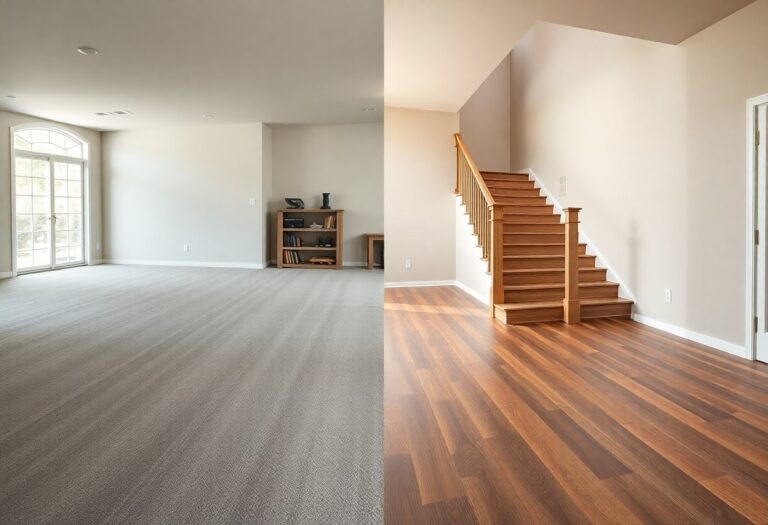

Over time, your white oak flooring can lose its luster without proper upkeep. By following a few necessary care tips, you can maintain the beauty and durability of your floors for decades. From regular cleaning techniques to protective measures against damage, these strategies will ensure that your investment continues to shine and enhances the overall aesthetic of your home. Embrace these practices to keep your flooring looking fresh and inviting for years to come.
Benefits of White Oak Flooring
Choosing white oak flooring brings numerous advantages, making it a wise investment for your home. This wood not only boasts remarkable strength and versatility but also complements various design aesthetics, enhancing the overall value of your property. Additionally, its natural resistance to wear and damage ensures that your floors will remain stunning for years to come, requiring minimal upkeep while providing an inviting atmosphere in any room.
Durability and Longevity
White oak’s inherent toughness makes it an ideal choice for high-traffic areas in your home. With a Janka hardness rating of about 1360, this wood withstands dents and scratches better than many other flooring options. Combined with proper care, white oak can last several decades, maintaining its structural integrity and beauty over time.
Aesthetic Appeal
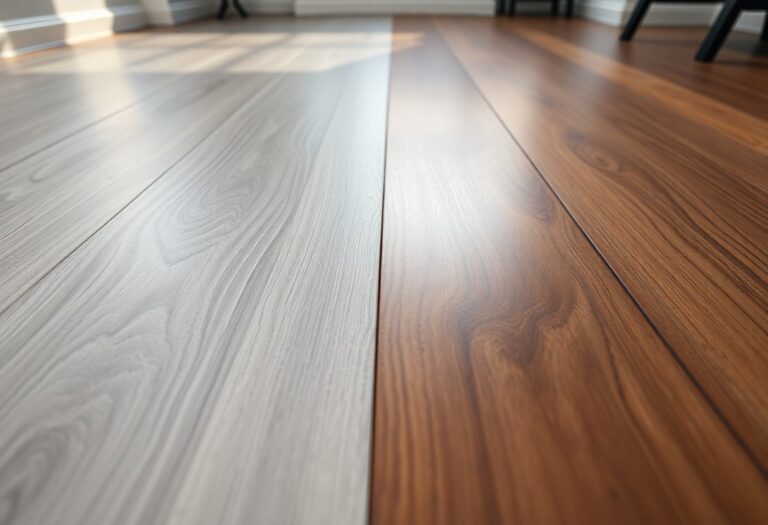
The appealing grain patterns and warm, golden tones of white oak effortlessly elevate your interior design. Its natural beauty can complement both traditional and contemporary styles, making it a versatile choice for any space. The unique variations in color and texture add character, allowing you to create a unique and inviting atmosphere in your home.
With its attractive light to medium brown hues featuring distinct grain patterns, white oak flooring provides a timeless elegance that suits a range of décor styles. The wood’s ability to absorb stains and finishes allows you to customize its appearance to match your home’s aesthetic seamlessly. Whether you prefer a polished look or a more rustic finish, white oak accommodates your vision while ensuring long-lasting beauty. Additionally, incorporating rugs and furnishings can further enhance its charm, making it a focal point in your living space.
Regular Maintenance Tips
Consistent upkeep is key to preserving the beauty and longevity of your white oak floors. Incorporate these routines into your cleaning schedule:
- Dust and sweep regularly to avoid dirt accumulation.
- Use a damp mop for deeper cleans, avoiding excess water.
- Place rugs at entryways to minimize dirt and grit.
- Utilize pads under furniture to prevent scratches.
- Apply wood conditioner periodically to maintain luster.
Recognizing these simple yet effective maintenance practices will keep your floors looking pristine.
Cleaning Techniques
Your choice of cleaning method can greatly impact the appearance and lifespan of your white oak flooring. Aim to use a soft-bristled broom or microfiber mop for daily debris removal. For spills, blot immediately with a clean, damp cloth rather than using abrasive cleaners. A mixture of water and a few drops of pH-balanced soap is ideal for deeper cleaning, ensuring you don’t damage the finish or wood grain.
Preventative Measures
To keep your white oak floors in top condition, preventative care is crucial. Utilize mats and rugs in high-traffic areas to shield against scratches, and avoid wearing shoes that may scuff the surface. Additionally, controlling humidity levels in your home between 30-50% can help prevent warping and cracking, securing the integrity of your investment.
Beyond simple precautions, regular inspections for signs of moisture or wear can save you from costly repairs. Check for gaps or signs of fading that may indicate a need for refinishing or sealing. Adjusting furniture placement to avoid excessive pressure on any one area can also prevent premature damage. Keeping on top of these measures will ensure your white oak floors remain a stunning feature in your home for years to come.
Dealing with Scratches and Dents
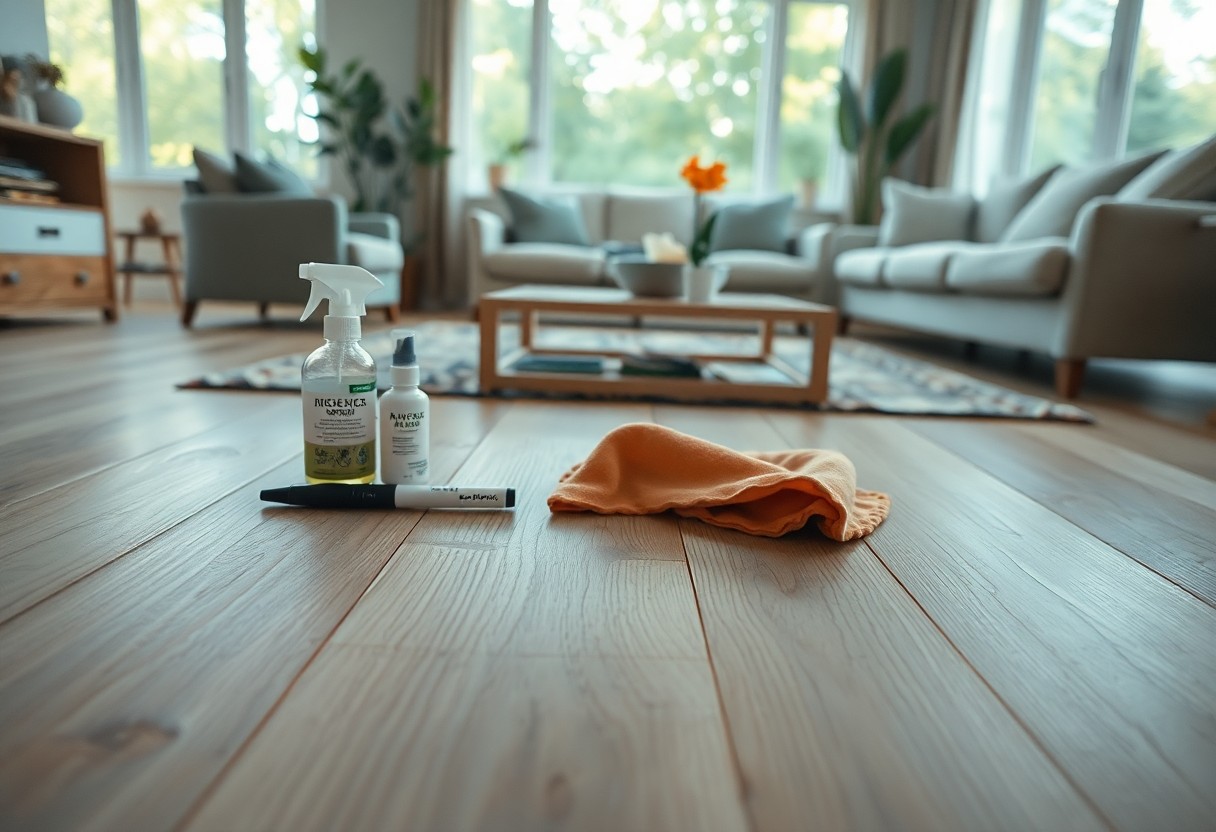
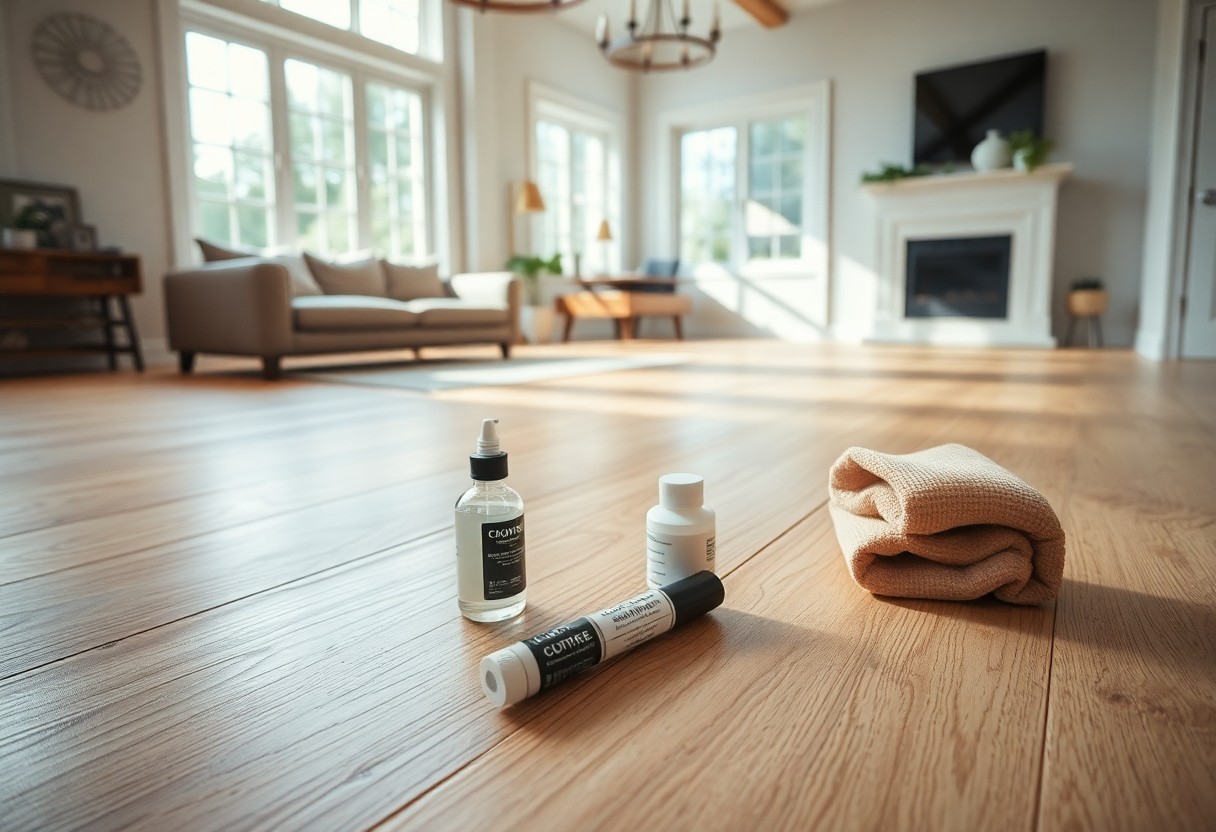
Scrapes and dents on your white oak flooring can detract from its natural beauty, but they can be addressed with the right techniques. For minor imperfections, a quick remedy includes using color-matched wood filler or a wax stick to blend the damaged area with the surrounding wood. For deeper scratches, rubbing a walnut over the spot can help to fill in and conceal the mark. Regular maintenance, such as moving furniture carefully and using area rugs, will also prevent new damage from occurring.
Minor Repair Methods
For small scratches, you can employ various DIY methods like applying a mixture of vinegar and olive oil, which can often mask blemishes effectively. Use a soft cloth to rub the solution onto the scratch, allowing it to penetrate and blend with the wood. Alternatively, fine-grade sandpaper can gently smooth jagged edges, followed by a touch of mineral oil or finish for restoration. These techniques can keep your floors looking pristine without the need for extensive repairs.
When to Call a Professional
Some scratches and dents may be beyond what DIY methods can effectively handle. If damage penetrates deeply, affecting the integrity of the wood, or if there are extensive areas affected, it is best to consult a professional. They possess the tools and skills necessary to restore your flooring to its original condition, ensuring a flawless finish that you may not achieve on your own.
When significant damage occurs, such as deep gouges or multiple boards that require replacement, a professional will not only assess the situation accurately but also have the expertise to distinguish between repair needs and total replacement. This assessment could save you money in the long run and enhance the longevity of your flooring. Attempting to tackle extensive damage without the right experience could lead to more costly mistakes, making professional intervention the smartest choice.
Protection Against Moisture
Moisture is a significant threat to the longevity of your white oak flooring. To protect against water damage, consider installing a dehumidifier in your home, especially in humid climates. Ensure that your flooring is properly sealed and that you address any signs of leaks or water exposure immediately, as this can prevent permanent damage and costly repairs.
Humidity Control
Maintaining appropriate humidity levels in your home is important for preserving white oak flooring. Ideally, keep indoor humidity between 30% and 50%. Utilize HVAC systems or dehumidifiers as needed, particularly during damp seasons, to avoid excessive moisture absorption that can lead to warping or cupping of the planks.
Spill Management
Quickly cleaning up spills is vital to the health of your white oak flooring. Immediately wipe up any liquids with a soft cloth to prevent moisture from seeping into the wood. For sticky substances, use a damp cloth and a mild detergent, ensuring the area is thoroughly dried afterward to minimize moisture damage.
When addressing spills, act quickly to prevent long-term damage to your finish and wood. Use soft, absorbent materials and avoid harsh chemicals that could strip the finish. For more significant accidents, consider a wood-safe cleaner designed for hardwood floors. Regularly inspect the flooring for any signs of discoloration or deformation following spills to ensure that your maintenance efforts are effective in preserving the beauty of your floors.
Refinishing Your White Oak Floors
Refinishing white oak floors revitalizes their appearance, restoring the natural beauty and extending their lifespan. This process involves sanding the surface to remove imperfections and then applying a new finish to protect and enhance the wood. Regular refinishing can keep your floors looking fresh for years, making it worthwhile to learn the telltale signs that it’s time to give them a makeover.
Signs That Refinishing is Needed
When your white oak floors exhibit deep scratches, dull spots, or discoloration despite routine cleaning, it’s time to consider refinishing. If water stains or visible wear patterns are evident, these indicate that the protective finish has worn thin. Additionally, if the wood feels rough underfoot or you notice a change in color, you may need to act sooner rather than later to avoid irreversible damage.
Steps to Successfully Refinish
To successfully refinish your white oak floors, start by removing all furniture and cleaning the floors thoroughly. Next, sand the surface to eliminate the existing finish and any imperfections. After sanding, vacuum and wipe down the floors to remove dust before applying a new finish. Allow adequate drying time between coats, generally two to three, for optimal durability and shine.
A detailed approach is crucial for effective refinishing. Begin by choosing the right sandpaper grit, typically starting at 36 to 40 grit for initial sanding, followed by 80 grit, and finishing with 120 grit for a smooth surface. Ensure ventilation during the process, especially when applying finishes, as proper airflow aids drying and decreases the risk of fumes. After the final coat, let your floors cure for several days before placing furniture back to ensure long-lasting results. Following these steps can greatly enhance the aesthetics and durability of your white oak flooring for years to come.
Seasonal Care Tips
To ensure your white oak flooring withstands the test of time, adjusting your care routine with the changing seasons is vital. Here are a few tips to keep your floors looking their best year-round:
- Use welcome mats to trap dirt and grit.
- Maintain consistent indoor humidity levels.
- Avoid excessive sunlight exposure with window treatments.
- Clean up spills immediately to prevent water damage.
The seasonal care you provide helps in maintaining your floors’ elegance and durability.
Winter Care
During winter, indoor humidity can drop significantly, leading to potential cracking or gaps in your white oak flooring. Invest in a humidifier to maintain humidity levels between 30-50%. Additionally, be cautious with salt and ice melt products; use door mats to minimize their impact, as they can cause unsightly stains and surface damage.
Summer Care
As temperatures rise, increased humidity can be problematic for white oak floors. Utilize dehumidifiers to maintain optimal moisture levels. Regularly check for any expansion or contraction in the planks due to heat, and avoid leaving wet items on the floor. Ensure proper ventilation by using fans or air conditioning, which can help reduce swelling in the wood.
Additionally, sunlight exposure can accelerate the fading of your wood floor’s finish. It’s advisable to rearrange rugs and furniture every few months to promote even exposure and reduce discoloration. Protective window treatments can also help deflect sunlight during the sunniest hours, keeping your floors vibrant. Making these seasonal adjustments will help preserve the beauty of your white oak flooring.
Conclusion
With these considerations, you can ensure your white oak flooring remains stunning for years to come. Regular cleaning and timely maintenance protect against wear, while moisture management and careful handling will prevent lasting damage. By adopting protective measures and addressing issues promptly, you enhance the natural beauty of your floors and extend their lifespan. Embrace these care tips to enjoy your elegant white oak flooring for decades, preserving both its appearance and value.